Quick Inquiry
+977-9761800324
Email
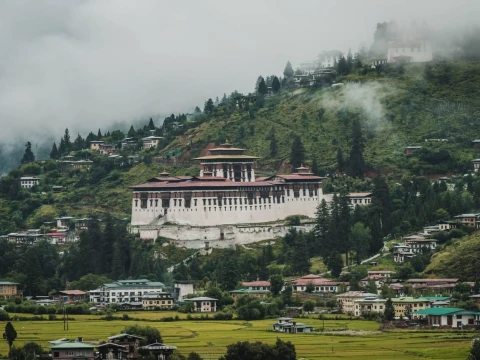
The Best Bhutan Tour curated by Nepal Journey Travels offers travelers an enchanting journey through the land of the Thunder Dragon. Starting in Kathmandu, this tour seamlessly blends cultural immersion, scenic landscapes, and historic exploration. You will experience the bustling city life of Kathmandu, followed by a breathtaking flight into Bhutan’s serene valleys, including Paro, Thimphu, Punakha, and Wangdue. Each location provides a unique glimpse into Bhutanese culture, architecture, and spirituality.Highlights of the tour include the iconic Paro Taktsang (Tiger’s Nest Monastery) perched on a cliff, the charming Punakha Dzong overlooking the confluence of two rivers, and the vibrant Thimphu markets and monasteries. Travelers will also enjoy scenic drives along lush valleys, mountain passes, and picturesque villages, providing ample photo opportunities and cultural interactions.9-day tour covering Kathmandu and key Bhutanese destinationsCultural experiences: Dzongs, monasteries, and local marketsScenic landscapes: Himalayan valleys, rivers, and cliffsAdventure: Mountain drives and short hikesBest Season for Best Bhutan TourThe ideal time to explore Bhutan is during the spring (March to May) and autumn (September to November). During spring, the valleys bloom with rhododendrons and other alpine flowers, making the landscapes vibrant and colorful. Autumn offers clear skies, mild temperatures, and breathtaking mountain views, perfect for photography and sightseeing.Nepal Journey Travels recommends avoiding the monsoon season (June to August) as heavy rainfall can make some mountain roads slippery and obscure mountain views. Winter (December to February) can be cold, particularly in higher altitudes, but it offers quiet trails and fewer tourists. Each season presents a unique charm, whether it’s festival celebrations, blooming valleys, or snow-capped mountains.Spring (March–May) for blooming valleysAutumn (September–November) for clear skiesMonsoon (June–August) is less recommended due to rainfallWinter (December–February) for tranquility and fewer crowdsBest Bhutan Tour Difficulty and TransportationThis tour is suitable for travelers of moderate fitness levels. While most sightseeing involves light walking and short hikes, certain attractions like Tiger’s Nest Monastery require a steep climb. Roads connecting Paro, Thimphu, Punakha, and Wangdue are well-maintained but winding due to mountainous terrain, so travelers should be prepared for occasional long drives.Transportation is comfortable and safe, provided by experienced local drivers. Flights from Kathmandu to Paro offer spectacular views of the Himalayas, making the journey itself an unforgettable part of the adventure. Within Bhutan, private vehicles or buses ensure that you travel efficiently while stopping at scenic points along the way.Moderate difficulty: light walks and short hikesMountainous drives: winding but scenicDomestic flights: Kathmandu to ParoPrivate transportation with experienced driversFood and Accommodation for Best Bhutan TourTravelers will enjoy a mix of local Bhutanese cuisine and international dishes during the tour. Traditional meals often include red rice, ema datshi (chili and cheese), momos (dumplings), and locally brewed butter tea. Hotels and lodges arranged by Nepal Journey Travels offer modern comforts while reflecting local Bhutanese architecture and hospitality.Accommodations are carefully selected for comfort, safety, and location. From cozy boutique hotels in Paro to riverside lodges in Punakha, travelers can relax after long sightseeing days. Most hotels provide breakfast and complimentary amenities, ensuring a hassle-free stay.A mix of local Bhutanese and international cuisineComfortable hotels and lodgesAmenities: Wi-Fi, hot water, and breakfastAuthentic experience with Bhutanese hospitalityBest Bhutan Tour PermitsTraveling to Bhutan requires special permits, as the government regulates tourism to preserve the country’s cultural heritage and environment. Nepal Journey Travels handles all permit arrangements to ensure a smooth experience. Visitors need a Tourist Visa, which is processed through a licensed Bhutanese tour operator.Additionally, certain locations, such as Tiger’s Nest Monastery and specific Dzongs, may require entrance permissions. These are included in the tour package, eliminating any logistical hassles. Travelers only need to carry passport copies and follow the guide’s instructions for a seamless journey.Tourist visa arranged by the tour operatorEntrance permits for monasteries and dzongs includedNo independent travel allowed; guided tours requiredHassle-free paperwork handled by Nepal Journey TravelsWhy Choose Best Bhutan TourChoosing the Best Bhutan Tour with Nepal Journey Travels guarantees a well-organized, immersive experience. The company is renowned for its attention to detail, experienced guides, and excellent customer service. Travelers benefit from expertly planned itineraries, safe transportation, and authentic cultural encounters.The tour balances sightseeing, adventure, and leisure, allowing participants to explore Bhutan’s natural beauty and rich culture without feeling rushed. With Nepal Journey Travels, travelers enjoy peace of mind knowing that accommodations, meals, permits, and local guidance are all arranged professionally. This ensures that the focus remains on the journey, memories, and unique Bhutanese experiences.Expertly organized by Nepal Journey TravelsAuthentic Bhutanese cultural experiencesSafe transportation and comfortable accommodationsStress-free travel with permits, guides, and logistics handled
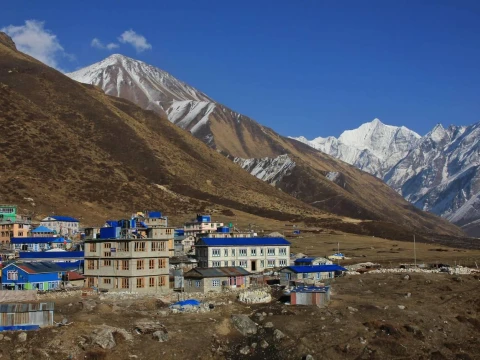
The Langtang Valley Trek is one of Nepal’s most scenic and culturally rich trekking experiences, located just north of Kathmandu within the Langtang National Park. Organised by Nepal Journey Travels, this journey takes you from lush green forests and traditional Tamang villages to high alpine landscapes surrounded by snow-capped Himalayan peaks. The trek follows your 10-day itinerary, gradually ascending from Syabrubesi (1,550m) to the breathtaking viewpoint of Tserko Ri (5,000m), offering a perfect balance of nature, culture, and adventure.Throughout the trek, you walk through rhododendron forests, glacial rivers, and yak pastures while experiencing the warm hospitality of local Tamang communities. The trail to Langtang Village and Kyanjin Gompa showcases the region’s resilience and cultural heritage, especially after the 2015 earthquake reconstruction. The highlight is the climb to Tserko Ri, which provides panoramic views of Langtang Lirung, Dorje Lakpa, and the surrounding Himalayan ranges.Scenic drive from Kathmandu to SyabrubesiTrek through Langtang National ParkCultural experience in the Tamang villagesKyanjin Gompa monastery visitSunrise view from Tserko Ri (5,000m)Best Season for Langtang Valley TrekThe best time to undertake the Langtang Valley Trek with Nepal Journey Travels is during spring (March to May) and autumn (September to November). These seasons provide stable weather, clear mountain views, and comfortable trekking conditions. Spring brings blooming rhododendrons and lush greenery, while autumn offers crystal-clear skies after the monsoon season.Winter (December to February) is also possible for experienced trekkers, but temperatures can drop significantly, especially above 3,000 meters. Snow may block trails near Kyanjin Gompa and Tserko Ri. Monsoon season (June to August) is less recommended due to heavy rainfall, landslides, and slippery trails, although the valley becomes very green and less crowded.Choosing the right season ensures safety, better visibility, and a more enjoyable trekking experience.Season summary:Spring: Best flowers and moderate weatherAutumn: Best visibility and stable climateWinter: Cold but fewer crowdsMonsoon: Green landscapes but risky trailsLangtang Valley Trek Difficulty and TransportationThe Langtang Valley Trek is considered a moderate-level trek, suitable for beginners with good fitness and experienced trekkers alike. The daily walking hours range from 3 to 8–9 hours, especially on the challenging hike to Tserko Ri. The altitude gain is gradual but still requires proper acclimatisation, particularly after Langtang Village.The trek includes a long jeep or bus ride from Kathmandu to Syabrubesi, which takes around 7–9 hours depending on road conditions. The route is bumpy and mountainous but offers scenic views of rivers and hills. During the trek, transportation is entirely on foot until the return drive from Syabrubesi back to Kathmandu.Difficulty & transport points:Moderate trekking level5–9 hours walking per dayHighest point: 5,000m (Tserko Ri)Road journey: Kathmandu–Syabrubesi–KathmanduNo flights requiredProper pacing and hydration are essential for a safe experience.Food and Accommodation for Langtang Valley TrekDuring the Langtang Valley Trek organised by Nepal Journey Travels, accommodation is provided in local teahouses along the route. These are simple but comfortable lodges run by local families. Rooms are usually twin-sharing with basic bedding. As altitude increases, facilities become more basic, especially in Langtang Village and Kyanjin Gompa.Food is freshly prepared and typically includes a mix of Nepali and international dishes. The most common meal is dal bhat (rice, lentils, vegetables), which provides excellent energy for trekking. Other options include noodles, pasta, soups, pancakes, eggs, and Tibetan bread. In higher regions, menu variety decreases due to transportation limitations.Accommodation & food highlights:Teahouse/lodge accommodation throughout the trekTwin-sharing basic roomsFresh local meals (dal bhat, noodles, soups)Limited menu at higher altitudeHot drinks like tea, coffee, and ginger lemon availableHygiene is generally good, but trekkers should carry personal essentials like snacks and water purification tablets.Langtang Valley Trek PermitsTo complete the Langtang Valley Trek with Nepal Journey Travels, two main permits are required. These are mandatory as the route passes through protected areas and conservation zones. Our company arranges all necessary permits for a smooth trekking experience.The first is the Langtang National Park Entry Permit, which supports conservation and wildlife protection in the region. The second is the TIMS (Trekkers’ Information Management System) Card, which ensures trekker safety and monitoring along the route.Permit requirements:Langtang National Park Entry PermitTIMS Card (Trekkers’ Information Management System)Passport copy and passport-sized photosManaged by Nepal Journey Travels for convenienceThese permits are checked at entry points such as Dhunche and along the trekking trail. Without them, entry into the region is not allowed, so proper preparation is essential.Why Choose Langtang Valley Trek (Nepal Journey Travels)The Langtang Valley Trek is ideal for trekkers who want a Himalayan experience without extreme remoteness or long travel distances. With Nepal Journey Travels, the journey is well-organised, safe, and culturally immersive. The trek combines natural beauty, accessibility from Kathmandu, and rich Tamang heritage, making it one of Nepal’s most rewarding short treks.Unlike more crowded routes like Everest or Annapurna, Langtang offers a quieter and more authentic experience. You can interact closely with local communities, enjoy peaceful trails, and still witness stunning Himalayan panoramas from Tserko Ri and Kyanjin Gompa.Why choose this trek:Close to Kathmandu (easy access)Less crowded trekking routeRich Tamang culture and traditionsStunning Himalayan viewpointsSuitable for moderate trekkersOrganised support by Nepal Journey TravelsThis trek is perfect for those seeking adventure, culture, and natural beauty in a compact itinerary.

The Kori Trek is a hidden gem in the Annapurna region of Nepal, offering a blend of cultural immersion, alpine landscapes, and close-up Himalayan views. This trek passes through the traditional Gurung village of Sikles, the pristine glacier lake of Kapuche Lake, and culminates at the high alpine viewpoint of Kori Danda (3,850m). It is one of the least crowded trekking routes, making it ideal for travelers seeking peace, authenticity, and raw mountain beauty.Unlike commercial trails such as Annapurna Base Camp, the Kori route feels untouched and locally preserved. The journey begins from Kathmandu and travels through Pokhara before reaching Sikles, a culturally rich Gurung settlement known for its stone houses, terraced farms, and traditional hospitality. From here, trekkers ascend through rhododendron forests, rivers, and yak pastures toward Kori.The highlight is the sunrise from Kori Danda, where panoramic views of Annapurna II, Lamjung Himal, and surrounding peaks unfold above a sea of clouds. The trek is also known for biodiversity, including Himalayan monal pheasants, musk deer, and alpine flora.Remote and less crowded trekking routeCultural immersion in Gurung villagesVisit to glacier-fed Kapuche LakeStunning sunrise from Kori Danda (3,850m)Close Himalayan views of the Annapurna rangeRich biodiversity and natural landscapesBest Season for Kori TrekThe best time for the Kori Trek depends on visibility, weather stability, and trail conditions. The ideal seasons are spring (March–May) and autumn (September–November) when skies are clear, and temperatures are moderate. During these periods, trekkers experience the most vibrant landscapes and safest trekking conditions.In spring, rhododendron forests bloom in red, pink, and white colors along the trail from Sikles to Kori. Wildlife activity is also higher, and temperatures remain comfortable even at higher altitudes like Kori Danda. In autumn, post-monsoon clarity provides crystal-clear mountain views, making it the best photography season.Winter trekking (December–February) is possible but challenging due to heavy snowfall near Kori Danda, which may block trails. Monsoon season (June–August) brings slippery paths, leeches, and limited visibility, especially in forested areas.Best Season Summary (short points):Spring (Mar–May): Flowers, wildlife, pleasant weatherAutumn (Sep–Nov): Best visibility and mountain viewsWinter: Snow trekking is possible but risky at high altitudeMonsoon: Not recommended due to rain and landslidesClear skies enhance views of the Annapurna regionKori Trek Difficulty and TransportationThe Kori Trek is considered moderate in difficulty, suitable for trekkers with basic fitness and prior hiking experience. Daily walking ranges from 5–7 hours depending on the route segment, with gradual altitude gain up to 3,850m at Kori Danda. The most demanding section is the ascent from Kapuche Lake to Kori, where steep trails and thinner air require stamina.Altitude sickness is less severe compared to higher treks like Everest Base Camp, but acclimatization is still important. Proper pacing and hydration are recommended.Transportation begins from Kathmandu to Pokhara via tourist bus (6–8 hours). From Pokhara, a jeep ride takes trekkers to Sikles, which is the starting point of the trek. Return follows the same route.Difficulty & Transport Summary (short points):Moderate difficulty trekking route5–7 hours daily walking on averageMaximum altitude: 3,850m (Kori Danda)Requires basic fitness and staminaKathmandu–Pokhara by tourist bus or flightPokhara–Sikles by off-road jeepTrails include forests, ridges, and alpine terrainFood and Accommodation for Kori TrekFood and accommodation during the Kori Trek are simple but authentic, reflecting rural Nepalese mountain life. In villages like Sikles and lower trail stops, teahouses and homestays provide basic lodging with twin-sharing rooms, blankets, and shared bathrooms. At higher elevations such as Hugu Goth and Kori Danda, accommodation becomes more basic, often consisting of community lodges or temporary shelters.Meals are freshly prepared and typically include Dal Bhat (rice, lentils, vegetables), noodles, soups, potatoes, and seasonal vegetables. Meat options are limited as altitude increases. Hot drinks such as tea, coffee, and ginger lemon honey are widely available and highly recommended for cold conditions.Electricity and Wi-Fi are limited or unavailable in higher areas, so trekkers should prepare accordingly.Food & Stay Summary (short points):Basic teahouse and homestay accommodationComfortable lodging in Sikles villageSimple rooms at higher altitudesTraditional Nepali meals (Dal Bhat, noodles, soups)Limited meat and packaged food availabilityHot drinks available throughout the trekMinimal electricity and no guaranteed Wi-FiKori Trek PermitsTo trek in the Kori region, certain permits are required, as the route lies within the Annapurna Conservation Area. The main requirement is the Annapurna Conservation Area Permit (ACAP), which is issued by the National Trust for Nature Conservation (NTNC) in Nepal.Trekkers also need a TIMS card (Trekkers’ Information Management System), although in some organized group treks, agencies like Nepal Journey Travels handle all permit arrangements on behalf of clients. These permits help support conservation efforts, trail maintenance, and local community development.It is important to carry photocopies of passports and passport-size photos for permit processing.Permit Summary (short points):ACAP permit is required for the Annapurna regionTIMS card recommended/required, depending on arrangementIssued in Kathmandu or PokharaManaged by a trekking agency in guided toursPassport and photos requiredSupports conservation and local communitiesWhy Choose Kori TrekThe Kori Trek stands out because it offers a rare combination of untouched nature, cultural depth, and Himalayan views without heavy tourist crowds. Unlike popular trekking routes, this journey feels personal and immersive, especially when organized by experienced operators like Nepal Journey Travels.Trekkers get the opportunity to explore authentic Gurung culture in Sikles, witness the turquoise beauty of Kapuche Lake, and experience the dramatic alpine landscapes of Kori Danda. The route is ideal for photographers, nature lovers, and trekkers who want solitude in the Himalayas.Additionally, the trek is more affordable and less physically extreme compared to high-altitude expeditions, making it accessible to a wider range of travelers.Why Choose Summary (short points):Less crowded and peaceful trekking routeAuthentic Gurung cultural experienceScenic glacier lake and alpine meadowsPanoramic Himalayan sunrise viewsModerate cost and difficulty levelIdeal for photography and nature explorationWell-organized itineraries with local expertise
Helambu Trek is one of the most beautiful short and culturally rich trekking journeys in Nepal, located in the northern Himalayan region near Kathmandu Valley. This trek offers a perfect combination of natural beauty, peaceful mountain landscapes, traditional villages, Buddhist culture, and spectacular Himalayan views. Unlike many high-altitude treks in Nepal, Helambu Trek does not require extreme climbing skills, making it an ideal choice for trekkers who want to experience the Himalayas within a relatively short period.Organized by Nepal Journey Travels, the Helambu Trek takes you through the beautiful trails of the Shivapuri Nagarjun National Park, lush forests, terraced farmlands, and charming Sherpa and Tamang settlements. The journey begins with a scenic drive to Sundarijal and continues through famous destinations such as Chisapani, Gul Bhanjyang, Tharepati, Tarke Gyang, and Sermanthang before ending at Melamchi Pul Bazaar.During this trek, travelers can enjoy stunning views of Himalayan ranges, including Langtang, Ganesh Himal, Jugal Himal, and other snow-covered peaks. The trek also provides opportunities to explore ancient monasteries, prayer flags, traditional stone houses, and the unique lifestyle of mountain communities.Short and rewarding Himalayan trekking experience near KathmanduBeautiful sunrise and sunset views from Chisapani and TharepatiExperience Sherpa and Tamang culture and traditionsWalk through forests of rhododendron, oak, and pineExplore peaceful mountain villages and Buddhist monasteriesPanoramic views of Langtang and Jugal Himalayan rangesPerfect trek for beginners, families, and nature loversBest Season for Helambu TrekThe best seasons for the Helambu Trek are spring (March to May) and autumn (September to November) when the weather conditions are most favorable for trekking. During these months, the skies are generally clear, offering excellent mountain views, comfortable temperatures, and pleasant walking conditions. Spring brings colorful rhododendron flowers and fresh greenery, making the trails especially beautiful.Autumn is considered the peak trekking season in Nepal because of its stable weather and excellent visibility. The clear mountain atmosphere allows trekkers to enjoy breathtaking views of the Himalayan peaks, while the moderate temperatures make long walking days comfortable.Winter and monsoon seasons are also possible for experienced trekkers, but they come with additional challenges. Winter months (December to February) can be cold, especially at higher elevations like Tharepati, while the monsoon season (June to August) may bring rainfall, slippery trails, and cloudy mountain views.Best time features:Spring (March–May): Blooming rhododendrons, warm weather, clear mountain viewsAutumn (September–November): Best visibility, stable weather, ideal trekking conditionsWinter (December–February): Peaceful trails but colder temperaturesMonsoon (June–August): Green landscapes but possible rain and muddy trailsHelambu Trek Difficulty and TransportationHelambu Trek is considered a moderate-level trek suitable for beginners as well as experienced trekkers. The trekking routes include gradual ascents, forest paths, village trails, and some steep sections, but there are no technically difficult climbing sections. Proper preparation, regular walking practice, and a good level of fitness are recommended to enjoy the trek comfortably.The highest point of the trek is Tharepati at an altitude of approximately 3,640 meters, where trekkers can experience magnificent Himalayan views. Since the trek reaches a moderate altitude compared to other Himalayan adventures, the risk of altitude-related problems is relatively lower, but gradual walking and proper hydration are still important.Transportation for the Helambu Trek is convenient because the trail begins close to Kathmandu. Nepal Journey Travels arranges comfortable private transportation or local vehicles depending on the group size and preference. The trek starts with a short drive from Kathmandu to Sundarijal and ends with a scenic drive back from Melamchi Pul Bazaar to Kathmandu.Difficulty and transportation details:Trek grade: ModerateSuitable for beginners with good physical fitnessMaximum elevation: Around 3,640 meters at TharepatiStarting point: Sundarijal near KathmanduEnding point: Melamchi Pul BazaarComfortable road transportation arranged by Nepal Journey TravelsNo technical climbing experience requiredFood and Accommodation for Helambu TrekDuring the Helambu Trek, trekkers experience authentic Nepalese mountain hospitality through comfortable teahouse accommodation and locally prepared meals. The teahouses along the route provide clean rooms, warm dining areas, and a chance to interact with local families. Although facilities become simpler at higher elevations, the welcoming atmosphere and cultural experience make the stay memorable.Nepal Journey Travels ensures that trekkers receive hygienic meals with enough energy for daily walking. The food options include traditional Nepali dishes as well as some international meals to meet different dietary preferences. A balanced diet with carbohydrates, vegetables, and warm drinks helps maintain energy throughout the trek.Food options include:Dal Bhat (rice, lentils, and vegetables), the traditional Nepali trekking mealNoodles, pasta, soups, and simple snacksTibetan-style bread and pancakesTea, coffee, and hot beveragesVegetarian and special dietary options upon requestAccommodation facilities include:Comfortable teahouse stays throughout the trekking routeTwin-sharing rooms with basic beddingCommon dining areas with warm mealsLocal village hospitality and cultural interactionHotel accommodation in Kathmandu before and after the trekHelambu Trek PermitsFor the Helambu Trek, trekkers require necessary permits to enter protected areas and complete the trekking route legally. Nepal Journey Travels assists all travelers in arranging the required permits before starting the journey, ensuring a smooth and stress-free trekking experience.The main permit required for the Helambu Trek is the Shivapuri Nagarjun National Park Entry Permit, as the route passes through this protected area during the initial section of the trek. Depending on updated government regulations and route requirements, additional trekking documentation may also be required.Having proper permits helps support conservation activities, maintain trekking trails, protect natural resources, and contribute to the development of local communities.Required permits generally include:Shivapuri Nagarjun National Park Entry PermitTrekkers’ Information Management System (TIMS) card if required by current regulationsIdentification documents such as passport detailsPermit arrangements handled by Nepal Journey TravelsWhy Choose Helambu TrekHelambu Trek is an excellent choice for travelers who want to experience the beauty of the Himalayas without committing to a long or extremely challenging expedition. Its close location to Kathmandu makes it easily accessible while still offering authentic mountain scenery, peaceful trails, and rich cultural experiences.With Nepal Journey Travels, trekkers receive professional guidance, reliable arrangements, and personalized service throughout the journey. Our experienced trekking team focuses on safety, comfort, and creating unforgettable travel experiences while allowing guests to connect with Nepal’s natural beauty and local traditions.Helambu Trek provides a perfect balance of adventure, relaxation, and cultural discovery. From breathtaking mountain views to warm village hospitality, every day of the trek offers something unique and memorable.Reasons to choose Helambu Trek:Convenient location near KathmanduIdeal for short Himalayan adventureRich Sherpa and Tamang cultural experienceBeautiful mountain views without extreme altitudePeaceful trails away from crowded trekking routesSuitable for beginners, families, and experienced trekkersProfessional trekking support from Nepal Journey TravelsOpportunity to experience authentic Nepalese village life and traditionsA perfect combination of nature, culture, and adventure in the Himalayas
The Ruby Valley Trek is one of Nepal’s most rewarding off-the-beaten-path trekking adventures, offering a perfect combination of Himalayan scenery, authentic cultural experiences, and peaceful mountain trails. Located between the famous Langtang National Park and the Manaslu Conservation Area, the Ruby Valley region remains relatively untouched by mass tourism, making it an ideal destination for travelers seeking a genuine Himalayan experience. This remarkable trek takes you through traditional Tamang and Gurung villages, dense rhododendron forests, alpine meadows, sacred lakes, and high mountain passes while showcasing breathtaking views of Ganesh Himal, Langtang Himal, Manaslu, and surrounding snow-capped peaks. Every day on the trail introduces a new landscape and a deeper connection with Nepal’s rich mountain heritage.One of the major highlights of the trek is the opportunity to experience local culture in villages such as Gatlang, Tipling, and Chalish Gaon, where traditional lifestyles have been preserved for generations. Trekkers can interact with friendly local communities, visit ancient monasteries, observe traditional stone houses, and enjoy warm Himalayan hospitality. The sacred Parvati Kund, the panoramic Pangsang Pass (3,842m), and beautiful mountain viewpoints further enhance the trekking experience, making the Ruby Valley Trek suitable for nature lovers, photographers, and cultural explorers alike.Nepal Journey Travels carefully organizes every aspect of the Ruby Valley Trek, ensuring a safe, comfortable, and memorable adventure. From airport transfers and experienced trekking guides to accommodation, transportation, and permit arrangements, every detail is professionally managed. Whether you are an experienced trekker or someone looking for a less-crowded Himalayan journey, Nepal Journey Travels provides personalized service that allows you to fully enjoy the beauty and authenticity of the Ruby Valley region.Scenic trekking route between Langtang and Manaslu regionsSpectacular views of Ganesh Himal, Langtang, and ManasluExplore traditional Tamang and Gurung villagesVisit the sacred Parvati Kund LakeCross the panoramic Pangsang Pass (3,842m)Experience authentic local culture and hospitalityPeaceful trails away from crowded trekking routesProfessionally organized by Nepal Journey TravelsBest Season for Ruby Valley TrekThe best season for the Ruby Valley Trek is during spring (March to May) and autumn (September to November) when weather conditions are generally stable, mountain views are exceptionally clear, and trekking trails are at their finest. During spring, the forests come alive with blooming rhododendrons, colorful wildflowers, and lush green landscapes that create a vibrant trekking environment. Mild daytime temperatures and comfortable trekking conditions make this season particularly enjoyable for both beginner and experienced trekkers. Wildlife is also more active, adding to the natural beauty of the region.Autumn is equally popular because of its crystal-clear skies, pleasant temperatures, and excellent visibility of the Himalayan ranges. After the monsoon rains, the landscapes become fresh and green while the mountain panoramas remain spectacular throughout the journey. This season also coincides with major Nepalese festivals such as Dashain and Tihar, allowing trekkers to witness local traditions and cultural celebrations in the mountain villages.Although winter trekking is possible for those who enjoy peaceful trails and snowy landscapes, temperatures become much colder at higher elevations, particularly near Pangsang Pass. The summer monsoon season brings frequent rainfall, slippery trails, and limited mountain visibility, making trekking more challenging. Nepal Journey Travels monitors seasonal conditions carefully and helps trekkers choose the most suitable departure dates to maximize safety, comfort, and overall trekking enjoyment.Best Seasons at a Glance:Spring (March–May): Rhododendron blooms and pleasant weatherAutumn (September–November): Clear mountain views and stable climateWinter (December–February): Snowy scenery with colder temperaturesMonsoon (June–August): Lush greenery but frequent rainfallBest visibility during spring and autumnNepal Journey Travels provides expert seasonal guidanceRuby Valley Trek Difficulty and TransportationThe Ruby Valley Trek is considered a moderate trekking adventure, making it suitable for trekkers with average physical fitness and a positive attitude toward walking in mountain terrain. Daily trekking generally ranges from two to seven hours, depending on the itinerary, while the highest point reached is Pangsang Pass at 3,842 meters. The trail includes gradual ascents, descents, forest paths, stone staircases, and traditional village routes. Although no technical climbing skills are required, regular walking, basic endurance, and proper acclimatization help ensure an enjoyable trekking experience.One of the advantages of the Ruby Valley Trek is that it combines adventure with cultural exploration without reaching extreme altitudes found on some other Himalayan treks. Trekkers have plenty of opportunities to rest, interact with local communities, and enjoy the changing landscapes. Professional guides from Nepal Journey Travels provide safety briefings, pace management, and local knowledge throughout the journey, ensuring that trekkers feel comfortable and confident every day.Transportation for the trek begins with a scenic drive from Kathmandu to Syabrubesi, which takes approximately seven to nine hours through beautiful mountain roads and rural landscapes. After completing the trek, travelers drive from Borang to Dhading Besi before returning to Kathmandu. Nepal Journey Travels arranges reliable private or shared transportation based on group size, ensuring smooth transfers between destinations while allowing trekkers to enjoy Nepal's picturesque countryside throughout the journey.Difficulty & Transportation Highlights:Moderate trekking suitable for most active travelersHighest elevation: Pangsang Pass (3,842m)Daily walking: Approximately 2–7 hoursNo technical climbing experience requiredScenic drive from Kathmandu to SyabrubesiReturn drive via Borang and Dhading BesiSafe transportation arranged by Nepal Journey TravelsFood and Accommodation for Ruby Valley TrekThe Ruby Valley Trek offers comfortable local accommodation and nutritious meals that allow trekkers to experience authentic Himalayan hospitality. Throughout the journey, accommodation is mainly provided in locally operated teahouses, mountain lodges, and community homestays. These accommodations are simple yet welcoming, with clean rooms, comfortable beds, warm blankets, and friendly hosts who take pride in sharing their culture with visitors. Staying in village lodges also allows trekkers to support local communities while enjoying genuine cultural experiences.Meals during the trek are freshly prepared using locally available ingredients. Trekkers can enjoy a variety of traditional Nepali dishes such as Dal Bhat, noodles, fried rice, vegetable curries, Tibetan bread, soups, potatoes, eggs, pancakes, tea, and seasonal vegetables. Dal Bhat is especially popular among trekkers because it provides balanced nutrition and unlimited refills in many mountain lodges. Vegetarian options are widely available, while drinking boiled or purified water is recommended throughout the trek.Nepal Journey Travels carefully selects reliable lodges and homestays that prioritize cleanliness, comfort, and quality service. The company ensures that trekkers receive healthy meals, safe accommodations, and attentive support throughout the journey, allowing guests to focus entirely on enjoying the spectacular landscapes and cultural richness of the Ruby Valley region.Food & Accommodation Features:Comfortable teahouses, lodges, and homestaysFreshly prepared local and international mealsTraditional Dal Bhat served dailyVegetarian food widely availableWarm hospitality from local communitiesComfortable overnight stays arranged by Nepal Journey TravelsRuby Valley Trek PermitsObtaining the necessary trekking permits is an important part of preparing for the Ruby Valley Trek. Since the trekking route passes through protected areas and rural mountain regions, trekkers are required to carry valid permits issued by the Government of Nepal. These permits help protect the natural environment, support conservation efforts, and contribute to local community development while ensuring that trekking activities are properly monitored.Most trekkers require a Langtang National Park Entry Permit and a Trekkers' Information Management System (TIMS) Card, depending on the latest government regulations and the exact trekking itinerary. Permit requirements may occasionally change, so it is always advisable to confirm current regulations before departure. Carrying your passport, passport-sized photographs, and valid travel documents is usually necessary during the permit application process.Nepal Journey Travels handles the complete permit application process on behalf of its clients, saving valuable time and ensuring that all required documentation is properly arranged before the trek begins. With experienced staff managing permits and official procedures, trekkers can travel confidently while focusing entirely on enjoying their Himalayan adventure.Required Permits:Langtang National Park Entry PermitTIMS Card (subject to current regulations)Valid passport requiredPassport-sized photographs may be neededPermit arrangements managed by Nepal Journey TravelsHassle-free documentation supportWhy Choose Ruby Valley TrekThe Ruby Valley Trek is an excellent choice for travelers seeking an authentic Himalayan adventure away from Nepal's busiest trekking routes. Unlike more commercial trekking destinations, Ruby Valley offers peaceful trails, untouched natural beauty, and genuine interactions with local mountain communities. Trekkers enjoy breathtaking Himalayan panoramas, beautiful forests, sacred lakes, traditional villages, and rich cultural experiences without the large crowds commonly found on other famous trekking routes. This balance of scenery, culture, and tranquility creates an unforgettable journey suitable for photographers, nature enthusiasts, families, and adventure seekers alike.Choosing Nepal Journey Travels ensures that every aspect of your trekking experience is professionally organized with safety, comfort, and customer satisfaction as top priorities. The company provides experienced local guides, reliable transportation, quality accommodation, permit assistance, and personalized service from arrival to departure. Their knowledgeable team shares valuable insights into local culture, history, and mountain traditions while maintaining responsible tourism practices that benefit local communities and preserve the region's natural environment.Whether you are visiting Nepal for your first Himalayan trek or looking to explore a hidden destination beyond the popular trekking routes, the Ruby Valley Trek offers an exceptional combination of adventure, culture, and natural beauty. With the dedicated support of Nepal Journey Travels, you can confidently experience one of Nepal's most rewarding trekking destinations while creating lifelong memories in the heart of the Himalayas.Why Trek with Nepal Journey Travels:Expert local guides and trekking supportCarefully planned itinerariesReliable transportation and logisticsComfortable accommodation arrangementsComplete permit assistancePersonalized customer serviceResponsible and sustainable tourism practicesAuthentic Himalayan cultural experiencesSafe, memorable, and professionally managed adventure