Quick Inquiry
+977-9761800324
Email
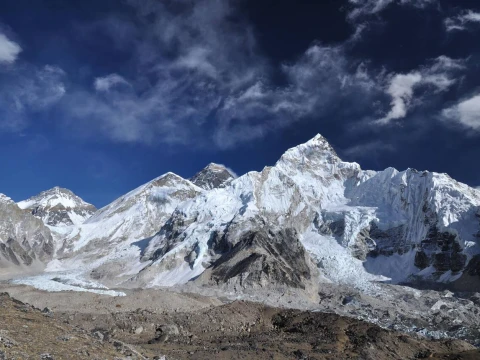
The Everest Base Camp Trek is one of the most iconic adventures in the world, leading trekkers into the heart of the Everest Base Camp at the foot of the mighty Mount Everest. This 15-day journey begins in Kathmandu and follows a scenic mountain flight to Lukla, the gateway to the Everest region. From there, the trail winds through picturesque Sherpa villages such as Namche Bazaar, Tengboche, and Dingboche before reaching the base of the world’s highest peak.The trek combines breathtaking Himalayan scenery, rich Sherpa culture, ancient monasteries, and thrilling high-altitude adventure. Highlights include acclimatization days in Namche and Dingboche, a visit to the famous Tengboche Monastery, and a sunrise hike to Kala Patthar for panoramic views of Everest and surrounding peaks. With Nepal Journey Travels, trekkers receive professional guidance, proper acclimatization planning, and a safe, well-organized itinerary.Scenic flight between Kathmandu and LuklaExploration of Sherpa culture and monasteriesTrekking inside Sagarmatha National ParkSunrise view from Kala PattharStanding at Everest Base CampBest Season for Everest Base Camp TrekThe best seasons for the Everest Base Camp Trek are spring (March to May) and autumn (September to November). During spring, rhododendron forests bloom beautifully, and the skies are generally clear, offering magnificent mountain views. The weather is stable, with moderate daytime temperatures and manageable cold at higher elevations.Autumn is equally popular because of its crystal-clear skies and excellent visibility. After the monsoon season, the air is fresh, and the mountain views are exceptionally sharp. Although winter (December to February) is colder and summer (June to August) brings monsoon rains, trekking is still possible with proper preparation. Nepal Journey Travels plans departures in optimal seasons for the best experience.Seasonal Benefits:Clear mountain viewsStable weather conditionsComfortable trekking temperaturesVibrant local festivals in autumnEverest Base Camp Trek Difficulty and TransportationThe Everest Base Camp Trek is considered moderately challenging. While no technical climbing skills are required, trekkers must be physically fit and prepared for long walking days at high altitude. Proper acclimatization is crucial to prevent altitude sickness. Daily walking hours range from 5 to 7 hours, with gradual elevation gain.Transportation includes an exciting 30–35 minute flight from Kathmandu to Lukla and back. The trekking route is entirely on foot, with porters assisting in carrying luggage. Nepal Journey Travels ensures safety through experienced guides, altitude management, and emergency support planning.Difficulty Factors:High altitude (5,364 m at Base Camp)Long trekking daysCold temperaturesBasic mountain facilitiesFood and Accommodation for Everest Base Camp TrekAccommodation during the trek is primarily in local teahouses. These lodges provide basic but comfortable twin-sharing rooms with shared bathrooms. In Kathmandu, trekkers stay in well-equipped tourist-standard hotels before and after the trek.Meals are served in teahouse dining halls and include a variety of options such as dal bhat (rice and lentils), noodles, soups, potatoes, eggs, and some Western dishes. Drinking water, tea, and coffee are available along the route. Nepal Journey Travels ensures hygienic meal planning and comfortable lodge arrangements.Facilities Include:Twin-sharing roomsWarm dining hallsLocal and international mealsCharging and Wi-Fi (limited at higher altitude)Everest Base Camp Trek PermitsTo trek in the Everest region, trekkers require specific permits. The main permits include the Sagarmatha National Park Entry Permit and the Khumbu Pasang Lhamu Rural Municipality Permit. These are mandatory and checked at various checkpoints along the trail.Nepal Journey Travels arranges all necessary permits before the trek begins, ensuring a hassle-free experience for clients. Trekkers only need to provide passport copies and passport-sized photos for documentation.Required Permits:Sagarmatha National Park Entry PermitKhumbu Rural Municipality PermitWhy Choose Everest Base Camp TrekThe Everest Base Camp Trek is more than a trek—it is a once-in-a-lifetime journey into the Himalayas. It offers unmatched mountain scenery, cultural immersion, and personal achievement. Standing at Everest Base Camp and witnessing Everest at sunrise from Kala Patthar creates unforgettable memories.Choosing Nepal Journey Travels ensures professional service, experienced guides, safety-first trekking practices, and personalized attention. The company focuses on responsible tourism, supporting local communities, and providing authentic Himalayan experiences.Why Trek with Nepal Journey Travels:Experienced local guidesCarefully designed acclimatization scheduleTransparent pricing24/7 supportCommitment to safety and sustainabilityThis unforgettable Himalayan adventure combines natural beauty, cultural richness, and personal accomplishment in one extraordinary journey.
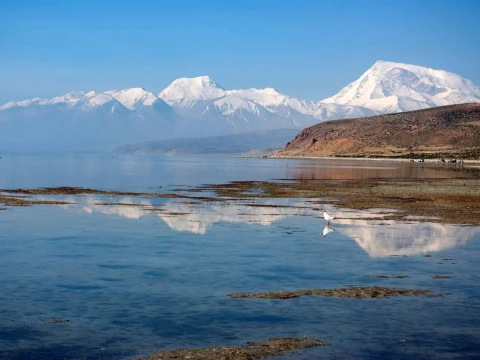
The Kailash Mansarovar Overland Yatra is one of the most spiritual and adventurous journeys in the world. Pilgrims and travelers undertake this sacred trip to visit Mount Kailash, revered by Hindus, Buddhists, Jains, and Bon followers, and the nearby Lake Mansarovar, known for its purity and holiness. This overland journey from Kathmandu takes you through the stunning landscapes of Nepal and Tibet, gradually ascending from the low valleys to the high-altitude plateaus, offering breathtaking mountain views and a unique cultural experience.This journey is not only a spiritual experience but also an adventure in itself, covering over 1,200 kilometers over challenging roads and high-altitude terrains. Travelers experience a combination of road travel and trekking, including the famous Kailash Kora, a 52 km circumambulation around Mount Kailash. The itinerary includes important stops at Rasuwagadhi, Kyirong, Saga, Lake Mansarovar, Darchen, Diraphuk, and Zuthulphuk, allowing for gradual acclimatization and exploration of Tibetan culture.Spiritual pilgrimage to Mount Kailash and Lake MansarovarOverland journey through Nepal and TibetTrekking the Kailash Kora (52 km)Scenic drives through high-altitude passesCultural interaction with Tibetan localsBest Season for Kailash Mansarovar Overland YatraThe best time to embark on the Kailash Mansarovar Overland Yatra is during the pre-monsoon (May to June) and post-monsoon (September to October) seasons. During these months, the weather is relatively stable, with clear skies offering spectacular views of Mount Kailash and surrounding peaks. Temperature ranges are moderate, reducing the risks of altitude sickness and road hazards.Winter months are extremely cold with heavy snow, making road travel to Tibet difficult, while the monsoon season brings slippery roads and cloud-covered mountains, limiting scenic views. Planning your yatra during the recommended seasons ensures smoother travel, better photography opportunities, and an overall more enjoyable spiritual journey.Key Points:Ideal months: May–June, September–OctoberClear skies and moderate temperaturesLower risk of altitude sicknessBetter road and trekking conditionsKailash Mansarovar Overland Yatra: Difficulty and TransportationThe Kailash Mansarovar Overland Yatra involves a combination of long drives and moderate trekking. Road travel covers 7–9 hours on certain days and may involve rough and mountainous roads, while trekking includes the famous Kailash Kora. The trek includes altitudes ranging from 4,400m to 4,950m, which requires moderate physical fitness and acclimatization.Transportation is primarily by comfortable private jeeps or buses provided by Nepal Journey Travels, ensuring safety and convenience along the high-altitude routes. The yatra includes a gradual ascent plan to allow pilgrims to adapt to high altitudes while avoiding severe altitude sickness. Experienced guides accompany travelers for both trekking and driving, ensuring a safe journey throughout.Highlights:A combination of overland driving and trekkingModerate trekking difficulty (Kailash Kora 52 km)Gradual acclimatization from 1,300m to 4,950mPrivate jeeps and buses for long drivesFood and Accommodation for Kailash Mansarovar Overland YatraFood on the yatra includes simple yet nourishing meals that cater to pilgrims’ dietary needs, including vegetarian and non-vegetarian options. At high-altitude stops like Saga, Darchen, and Diraphuk, local Tibetan cuisine such as thukpa, momo, and tsampa is served alongside basic staples like rice and noodles. Drinking water is generally filtered or boiled to ensure safety.Accommodation varies from comfortable hotels in Kathmandu to guesthouses and lodges in Tibet. While staying near Lake Mansarovar and along the Kora route, pilgrims experience basic yet hygienic lodgings, often with shared facilities. Travelers should be prepared for simpler conditions in remote areas, but Nepal Journey Travels ensures that all essentials are covered for a safe and comfortable stay.Key Points:Local Tibetan cuisine and staple mealsAccommodation: hotels, guesthouses, and lodgesClean and hygienic facilitiesEssentials provided by the travel companyKailash Mansarovar Overland Yatra PermitsTraveling to Mount Kailash and Lake Mansarovar requires special permits, including the Tibet Travel Permit and other necessary documents issued by Chinese authorities. Nepal Journey Travels assists in obtaining all required permits before departure, including entry permits, route permits, and travel documentation for foreign nationals.Pilgrims must carry a valid passport and visa for China/Tibet. Group permits are often arranged to simplify bureaucracy, allowing travelers to focus on the spiritual and scenic aspects of the journey rather than administrative hurdles. Ensuring proper permits is essential, as authorities strictly control access to sacred regions in Tibet.Key Points:Tibet Travel Permit requiredA passport and a visa are necessaryNepal Journey Travels handles permitsEssential for legal and hassle-free travelWhy Choose Kailash Mansarovar Overland Yatra with Nepal Journey TravelsChoosing Nepal Journey Travels for the Kailash Mansarovar Overland Yatra guarantees a well-organized, safe, and spiritually fulfilling experience. With years of expertise in Himalayan travel, the company provides professional guides, reliable transportation, and full support for high-altitude acclimatization. Their team ensures comfort during long drives and treks while maintaining the authenticity of the pilgrimage experience.Additionally, the company takes care of permits, accommodations, and meals, allowing travelers to focus entirely on the spiritual journey. Their expertise in handling logistics, emergency medical support, and cultural insights makes this yatra a seamless and memorable adventure. Whether it’s your first pilgrimage or a repeated spiritual quest, Nepal Journey Travels ensures every step of your journey is safe, comfortable, and meaningful.Highlights:Expert guides and travel supportSafe high-altitude logisticsComplete permit, accommodation, and meal arrangementsAuthentic spiritual experience with hassle-free planning
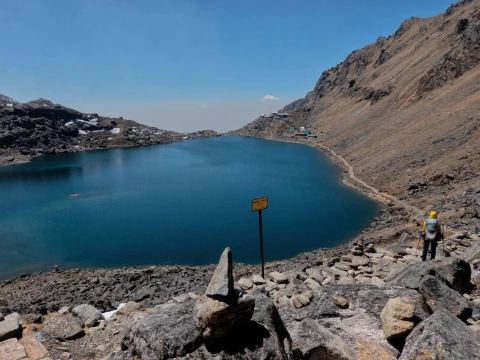
The Langtang Gosaikunda Trek is one of Nepal’s most scenic Himalayan journeys, combining the lush valleys of the Langtang region with the sacred alpine lakes of Gosaikunda. Operated by Nepal Journey Travels, this trek blends natural beauty, cultural richness, and spiritual significance. The route passes through Kathmandu, Syabrubesi, Langtang Village, Kyanjin Gompa, and continues toward the holy Gosaikunda Lake, making it a diverse trekking experience.This 14-day itinerary offers a gradual ascent, allowing proper acclimatization while exploring diverse landscapes—from subtropical forests and rivers to high-altitude glaciers. Trekkers experience the Tamang culture, Buddhist monasteries, yak pastures, and panoramic views of Langtang Lirung and the surrounding peaks. The journey is not just a physical adventure but also a cultural immersion into Himalayan life.Scenic drive from Kathmandu to SyabrubesiLangtang National Park biodiversityKyanjin Gompa monastery visitTserko Ri sunrise viewpoint (5,000m)Sacred Gosaikunda alpine lakesTamang cultural villages and traditionsOverall, this trek is perfect for those seeking a less crowded yet highly rewarding Himalayan experience.Best Season for Langtang Gosaikunda TrekThe best time for the Langtang Gosaikunda Trek is during spring (March–May) and autumn (September–November). These seasons offer stable weather, clear skies, and excellent mountain visibility. During spring, rhododendron forests bloom across the trail, especially inside Langtang National Park, creating vibrant landscapes. Autumn, on the other hand, provides crisp air and crystal-clear Himalayan views after the monsoon season.Winter (December–February) is possible but challenging due to heavy snowfall around Gosaikunda and high passes. Summer/monsoon (June–August) brings rain, landslides, and cloudy conditions, though the region becomes lush and green. However, leeches and slippery trails make trekking more difficult.Seasonal summary:Spring (best flora + stable weather)Autumn (best visibility + dry trails)Winter (cold, snow, fewer trekkers)Monsoon (rainy, risky trails, limited views)Nepal Journey Travels recommends spring and autumn for the safest and most enjoyable experience, especially for first-time Himalayan trekkers.Langtang Gosaikunda Trek Difficulty and TransportationThe Langtang Gosaikunda Trek is considered moderate to moderately challenging. The daily walking duration ranges from 5 to 8 hours, with steep ascents, rocky trails, and high-altitude sections like Tserko Ri (5,000m). While no technical climbing is required, altitude acclimatization is essential to avoid Acute Mountain Sickness (AMS).The trek begins with a scenic but bumpy drive from Kathmandu to Syabrubesi via mountain roads. From there, trekking continues through Lama Hotel, Langtang Village, and Kyanjin Gompa before looping toward Thulo Syabru, Sing Gompa, and finally Gosaikunda Lake.Difficulty factors:High altitude (up to 5,000m)Long trekking hours dailyCold temperatures at upper regionsOccasional steep ascents/descentsRemote trail conditionsTransportation overview:Kathmandu → Syabrubesi: 7–9 hours by jeep/busDhunche → Kathmandu: return driveLocal walking trails between villagesNepal Journey Travels provides experienced guides, porters, and safety support, ensuring a smooth journey even in challenging terrain.Food and Accommodation for Langtang Gosaikunda TrekAccommodation along the trek is mainly in teahouses and local lodges, offering basic but comfortable facilities. Rooms are typically twin-sharing with simple beds, blankets, and shared bathrooms in lower elevations. As altitude increases, facilities become more basic, especially near Kyanjin Gompa and Gosaikunda.Meals are freshly prepared in local kitchens, with a mix of Nepali and Tibetan-style dishes. The staple food is dal bhat (rice, lentils, vegetables), which provides high energy for trekking. Other options include noodles, soups, pancakes, eggs, potatoes, and Tibetan bread.Food & lodging highlights:Warm meals cooked fresh dailyVegetarian options widely availableTea, coffee, and garlic soup for altitude supportBasic but cozy teahousesLimited luxury but rich cultural hospitalityWater is available at lodges, though purification tablets or filters are recommended. Nepal Journey Travels ensures hygienic food arrangements and selects reliable teahouses for better comfort throughout the journey.Langtang Gosaikunda Trek PermitsTo trek in the Langtang region, travelers must obtain specific permits due to its protected status. The route passes through Langtang National Park, requiring entry permissions for conservation and safety.Two main permits are required:Langtang National Park Entry PermitTIMS (Trekkers’ Information Management System) CardThese permits are usually arranged in Kathmandu before the trek begins. Nepal Journey Travels handles all necessary paperwork, ensuring a hassle-free process for trekkers.Permit details:Mandatory for all foreign trekkersChecked at multiple entry points (Syabrubesi, Dhunche)Helps support conservation and local communitiesRequired for emergency tracking and safetyThe permit system helps protect biodiversity, maintain trail safety, and support sustainable tourism in the Langtang region. Without valid permits, entry into restricted areas is not allowed.Why Choose Langtang Gosaikunda TrekThe Langtang Gosaikunda Trek is an ideal choice for trekkers who want a Himalayan experience without the heavy crowds of Everest or Annapurna regions. It combines natural beauty, cultural depth, and spiritual significance in one route. The sacred Gosaikunda Lake adds a spiritual dimension, attracting both trekkers and pilgrims.With Nepal Journey Travels, trekkers benefit from professional guidance, safety-focused planning, and personalized service. The itinerary is designed for proper acclimatization, maximizing enjoyment while minimizing risk.Why choose this trek:Less crowded Himalayan trailStunning mountain and glacier viewsRich Tamang and Buddhist cultureSacred alpine lakes of GosaikundaModerate cost compared to other treksWell-organized itinerary with Nepal Journey TravelsThis trek is perfect for adventure seekers, cultural explorers, and spiritual travelers looking for a balanced and memorable Himalayan journey.
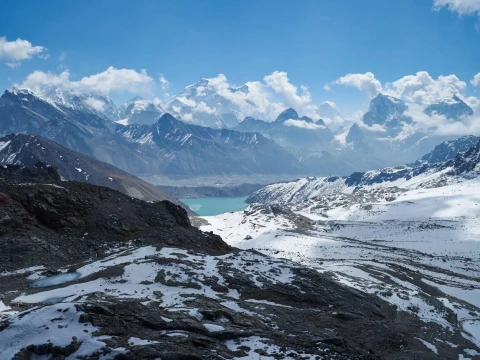
The Gokyo Lake Trek via Renjo La Pass is one of the most scenic and less crowded trekking routes in the Everest region of Nepal. This journey passes through beautiful Sherpa villages, alpine valleys, glacial rivers, and turquoise high-altitude lakes of the Gokyo Valley. The trek also includes crossing the challenging but rewarding Renjo La Pass (5,360m), which offers panoramic views of Everest, Lhotse, Makalu, and Cho Oyu.This itinerary starts from Kathmandu and continues with a thrilling flight to Lukla, followed by trekking through Phakding, Namche Bazaar, and higher Himalayan settlements up to Gokyo Lakes. The route is famous for its dramatic landscapes, glacial lakes, and the peaceful environment compared to the busy Everest Base Camp trail.Scenic flight from Kathmandu to LuklaUNESCO-listed Sagarmatha National Park trailsGokyo Lakes (turquoise alpine lakes)Renjo La Pass panoramic Himalayan viewsAuthentic Sherpa culture and villagesNepal Journey Travels ensures experienced guides, safe acclimatization planning, and well-organized logistics for a smooth trekking experience.Best Season for Gokyo Lake Trek via Renjo La PassThe best time for the Gokyo Lake Trek via Renjo La Pass is during spring (March to May) and autumn (September to November). These seasons offer the clearest mountain views, stable weather, and safe trekking conditions for high passes like Renjo La. Spring brings blooming rhododendrons, while autumn provides crystal-clear skies after the monsoon.Winter (December to February) is possible but very cold, especially above Dole and Gokyo Valley. Snow can block Renjo La Pass, making it more technical. Monsoon season (June to August) is not recommended due to heavy rain, slippery trails, and flight disruptions at Lukla.Seasonal highlights:Spring: Flowers, mild temperature, great visibilityAutumn: Best mountain clarity and stable weatherWinter: Quiet trails but extreme coldMonsoon: Not recommended due to flight delays and rainNepal Journey Travels schedules treks mainly in peak seasons to ensure safety, better visibility, and successful Renjo La crossing.Difficulty and TransportationThe Gokyo Lake Trek via Renjo La Pass is considered moderate to challenging due to high altitude and the demanding climb over Renjo La Pass (5,360m). Proper acclimatization is essential, especially during the ascent from Machhermo to Gokyo and later toward Lumde.Transportation begins with a scenic mountain flight from Kathmandu to Lukla, one of the most adventurous airports in the world. From there, the trek continues on foot through Namche Bazaar, Dole, Machhermo, Gokyo, and across the pass to the return route via Thame and back to Lukla.Difficulty factors:High altitude above 5,000mLong trekking days (5–8 hours average)Steep ascent at Renjo La PassCold weather conditionsLimited oxygen levels at higher campsNepal Journey Travels provides trained guides, emergency oxygen support, and well-planned acclimatization days (Namche & Gokyo) to reduce altitude sickness risks.Food and AccommodationDuring the Gokyo Lake Trek via Renjo La Pass, accommodation is mainly in teahouses and mountain lodges. These are simple but comfortable, offering basic rooms with twin beds, warm blankets, and shared bathrooms in higher regions like Dole and Gokyo.Meals are freshly prepared in local teahouses and typically include Nepali, Tibetan, and international dishes. As altitude increases, menu variety becomes limited due to transportation challenges, but food remains nutritious and energy-rich.Typical food options:Dal Bhat (rice, lentils, vegetables)Noodles, pasta, and fried riceTibetan bread and soupsEggs, potatoes, and porridgeTea, coffee, and hot lemon drinksAccommodation quality decreases with altitude, especially in Lumde and Renjo La crossing zones, where facilities are basic but warm hospitality remains strong.Nepal Journey Travels ensures clean lodges, hygienic meals, and pre-booked accommodations during peak seasons for a hassle-free trekking experience.Permits for Gokyo Lake Trek via Renjo La PassTo trek in the Gokyo Lake and Renjo La region, several official permits are required. These are regulated by the Government of Nepal and conservation authorities to protect the fragile Himalayan ecosystem.All trekkers must obtain entry permits before starting the journey from Kathmandu or through registered trekking agencies like Nepal Journey Travels.Required permits:Sagarmatha National Park Entry PermitKhumbu Pasang Lhamu Rural Municipality PermitTIMS (Trekkers’ Information Management System) Card (if applicable)These permits help regulate trekking traffic, ensure safety tracking, and support local development in the Everest region. Your trekking company usually handles all paperwork before departure to avoid delays at checkpoints in places like Monjo and Namche Bazaar.Nepal Journey Travels manages all permit arrangements, ensuring trekkers do not face administrative stress during the journey.Why Choose Gokyo Lake Trek via Renjo La PassThe Gokyo Lake Trek via Renjo La Pass is one of the best alternatives to the classic Everest Base Camp route. It offers quieter trails, more natural beauty, and one of the most breathtaking Himalayan viewpoints from Renjo La Pass. The reflection of snow peaks in Gokyo Lakes is considered one of the most beautiful sights in Nepal.This trek is ideal for adventure seekers who want a balance of culture, wilderness, and high-altitude challenge. Compared to other Everest region treks, this route is less crowded, more peaceful, and deeply immersive in Sherpa traditions and mountain life.Why choose this trek:Less crowded than Everest Base Camp routeStunning Gokyo Lakes and glacier viewsPanoramic Everest range from Renjo La PassCultural experience in Sherpa villagesAdventure + scenic beauty combinedNepal Journey Travels specializes in this route with experienced guides, safety-focused itineraries, and personalized service to make your Himalayan journey unforgettable.
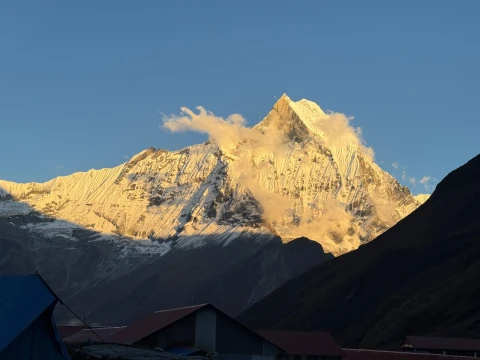
The Annapurna Base Camp Trek Via Poon Hill is one of Nepal’s most scenic and rewarding trekking experiences, combining cultural exploration with dramatic Himalayan landscapes. This journey blends the famous sunrise viewpoint of Poon Hill (3,210m) with the iconic high-altitude destination of Annapurna Base Camp (4,130m), offering trekkers a complete Himalayan adventure within a single itinerary. Starting from the vibrant capital city Kathmandu, the trip transitions into serene lakeside beauty at Pokhara before entering the lush Annapurna region.The trek passes through traditional villages such as Ghorepani, Tadapani, Chhomrong, and Jhinu Danda, allowing trekkers to experience authentic Gurung culture, terraced farmlands, and dense rhododendron forests. Organized by Nepal Journey Travels, this itinerary is carefully designed to balance altitude gain, acclimatization, and scenic rewards.Sunrise view from Poon Hill over Annapurna & Dhaulagiri rangesClose-up view of Annapurna I and Machapuchare at Base CampNatural hot springs at Jhinu DandaCultural villages and forest trailsModerate trekking adventure suitable for fit beginnersThis trek is not just about reaching Annapurna Base Camp but also about experiencing the diversity of Nepal’s natural beauty and mountain culture in a structured and safe manner.Best Season for Annapurna Base Camp Trek Via Poon HillThe best time to undertake the Annapurna Base Camp Trek Via Poon Hill is during spring (March–May) and autumn (September–November). These seasons offer stable weather, clear mountain views, and comfortable trekking conditions. In spring, the trails leading to Ghorepani and Tadapani are beautifully decorated with blooming rhododendrons, while autumn provides crystal-clear skies and crisp air ideal for photography and mountain viewing.During these peak seasons, visibility at Poon Hill and Annapurna Base Camp is at its best, allowing trekkers to witness panoramic Himalayan ranges including Annapurna South, Hiunchuli, and Machapuchare. Temperatures remain moderate at lower elevations like Pokhara, while higher regions such as Chhomrong and above can be chilly but manageable with proper gear.Key seasonal points:Spring: Rhododendron bloom, warmer days, colorful landscapesAutumn: Best visibility, stable weather, ideal trekking conditionsWinter (Dec–Feb): Cold, snow at higher elevations, fewer trekkersMonsoon (Jun–Aug): Rain, slippery trails, limited visibilityNepal Journey Travels recommends avoiding monsoon months due to landslide risks and cloud-covered views. Proper seasonal planning ensures safety, comfort, and the best Himalayan experience throughout the journey.Annapurna Base Camp Trek Via Poon Hill Difficulty and TransportationThe Annapurna Base Camp Trek Via Poon Hill is considered a moderate-level trek, suitable for beginners with good fitness and experienced trekkers alike. Daily trekking ranges from 5–7 hours, with gradual altitude gain from Pokhara (820m) to Annapurna Base Camp (4,130m). The most physically demanding sections include the steep stone steps from Ulleri to Ghorepani and the high-altitude ascent from Himalaya to Base Camp.Transportation is well-organised by Nepal Journey Travels, starting with arrival in Kathmandu and a scenic tourist bus ride to Pokhara. From Pokhara, a drive leads to Nayapul/Birethanti, where the trek begins. After completion, trekkers return from Jhinu Danda back to Pokhara by vehicle and again travel to Kathmandu by tourist bus.Difficulty & transport highlights:Moderate trekking with daily ascents and descentsStone stair climbs (especially Ulleri section)Maximum altitude: 4,130m at ABCComfortable road transfers between major citiesNo technical climbing requiredWith proper pacing, acclimatisation stops, and guidance from Nepal Journey Travels, even first-time trekkers can safely complete this rewarding Himalayan journey.Food and Accommodation for Annapurna Base Camp Trek Via Poon HillFood and accommodation along the Annapurna Base Camp Trek Via Poon Hill are provided in local teahouses, offering simple but nutritious meals and basic lodging facilities. In lower regions like Pokhara and villages such as Ghorepani and Chhomrong, trekkers can enjoy a variety of meals, including Nepali dal bhat, noodles, soups, pasta, and Tibetan bread. As altitude increases toward Annapurna Base Camp, food options become more limited but still sufficient for energy needs.Accommodation typically consists of twin-sharing rooms with shared bathrooms. While facilities are basic, they are clean and welcoming, with warm hospitality from local hosts. At higher elevations, such as the Himalaya and ABC, lodges provide blankets, but trekkers are advised to carry sleeping bags for extra warmth.Food & accommodation highlights:Traditional Nepali meals (dal bhat set)Teahouse lodging along all major stopsLimited but energy-rich food at higher altitudesHot meals and snacks are available throughout trekWarm hospitality from Gurung communitiesNepal Journey Travels ensures pre-arranged accommodation to reduce hassle, especially during peak seasons, making the trekking experience smoother and more comfortable.Annapurna Base Camp Trek Via Poon Hill PermitsTo complete the Annapurna Base Camp Trek Via Poon Hill, trekkers require two essential permits issued by the Government of Nepal. These permits help regulate tourism, ensure safety, and support conservation efforts in the Annapurna region, including areas around Poon Hill and Annapurna Base Camp.The two mandatory permits are the Annapurna Conservation Area Permit (ACAP) and the Trekkers’ Information Management System (TIMS) card. These are checked at various points along the route, including entry points near Birethanti and village checkpoints like Chhomrong.Permit highlights:ACAP: Required for conservation area entryTIMS Card: Trekker safety and tracking systemIssued in Kathmandu or PokharaManaged and arranged by Nepal Journey TravelsMandatory for all foreign trekkersNepal Journey Travels handles all permit arrangements in advance, ensuring a smooth trekking experience without administrative delays. This allows trekkers to focus entirely on enjoying the journey through forests, mountains, and traditional Himalayan villages.Why Choose Annapurna Base Camp Trek Via Poon HillChoosing the Annapurna Base Camp Trek Via Poon Hill with Nepal Journey Travels offers a perfect combination of natural beauty, cultural immersion, and Himalayan adventure. Unlike standalone treks, this route includes both panoramic viewpoints like Poon Hill and deep mountain exploration at Annapurna Base Camp, making it one of the most complete trekking experiences in Nepal.The route passes through diverse landscapes—from lush forests near Ghorepani to alpine valleys around Himalaya—offering constant visual variation and cultural encounters. The trek also includes relaxing natural hot springs at Jhinu Danda, adding a therapeutic finish to the adventure.Why choose this trek:Combines Poon Hill sunrise + Annapurna Base CampRich cultural and natural diversityWell-balanced 12-day itinerarySafe and guided experience with Nepal Journey TravelsSuitable for both beginners and experienced trekkersThis trek is ideal for those seeking a complete Himalayan journey without extreme technical difficulty. With professional support from Nepal Journey Travels, trekkers gain not just a trip, but a deeply memorable mountain experience.
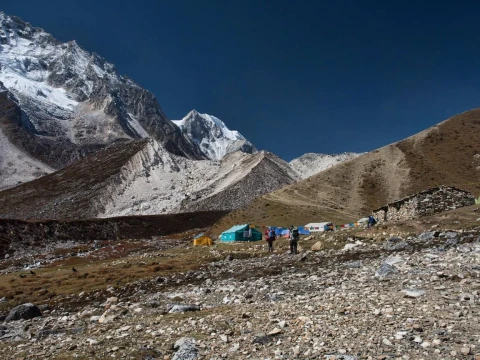
The Manaslu Circuit Trek with Tibet Border Hike is one of the most spectacular and culturally rich trekking adventures in Nepal, offering a perfect combination of Himalayan wilderness, Tibetan Buddhist heritage, remote villages, and high-altitude exploration. Organized by Nepal Journey Travels, this unique trekking itinerary takes you around the world’s eighth-highest mountain, Mount Manaslu (8,163m), while including special side trips to sacred destinations such as Serang Gompa and the remote Tibetan border area near Samdo.Unlike the standard Manaslu Circuit Trek, this extended adventure provides deeper cultural immersion and exploration of hidden Himalayan landscapes. The journey begins with a scenic drive from Kathmandu to Machha Khola and follows the dramatic Budhi Gandaki Valley through traditional Gurung and Tibetan-influenced villages. Trekkers pass through beautiful settlements such as Jagat, Deng, Prok, Lho, Shyala, Sama Gaun, and Samdo before reaching the challenging but rewarding Larkya La Pass (5,106m).The highlight of this trek is the visit to Serang Gompa, a peaceful Buddhist monastery located away from the main trekking route. Spending time near this spiritual center allows travelers to experience ancient Buddhist traditions, monastery life, prayer ceremonies, and the peaceful atmosphere of the high Himalayas. The Tibet Border Hike from Samdo adds another unique dimension by exploring remote landscapes historically connected with Tibetan trade routes and mountain communities.The trek is ideal for adventure seekers who want more than mountain views. It combines breathtaking scenery, authentic local culture, ancient monasteries, wildlife, glaciers, alpine lakes, and challenging Himalayan trails into one unforgettable experience.Explore the remote and beautiful Manaslu Conservation AreaVisit the sacred Serang Gompa Buddhist monasteryExperience Tibetan-influenced villages and traditionsHike toward the Nepal–Tibet border region from SamdoCross the adventurous Larke La Pass (5,106m)Enjoy views of Manaslu, Himalchuli, Ganesh Himal, and Annapurna rangesExperience authentic Himalayan hospitality with Nepal Journey TravelsBest Season for Manaslu Circuit Trek with Tibet Border HikeChoosing the right season is essential for enjoying the best experience on the Manaslu Circuit Trek with Tibet Border Hike. The trekking route passes through different climatic zones, from subtropical valleys to high Himalayan landscapes above 5,000 meters. Nepal Journey Travels recommends the spring and autumn seasons as the most favorable periods because of stable weather, clear mountain views, and comfortable trekking conditions.The best season for this trek is generally autumn (September to November). During this period, the skies are usually clear after the monsoon, providing excellent visibility of Mount Manaslu and surrounding Himalayan peaks. The temperatures are comfortable, trails are dry, and the conditions for crossing Larke La Pass are usually excellent. Autumn also offers a chance to experience local festivals and cultural celebrations in mountain villages.Spring (March to May) is another ideal season for the Manaslu Circuit Trek with Tibet Border Hike. During spring, the forests become colorful with blooming rhododendron flowers, Nepal’s national flower. The weather is mild, and trekkers can enjoy beautiful landscapes filled with flowers, greenery, and snow-covered peaks. Wildlife activity also increases during this season, making the journey even more rewarding.Winter trekking (December to February) is possible for experienced trekkers but requires careful preparation because temperatures drop significantly at higher elevations. Heavy snowfall can create challenges while crossing Larke La Pass. The monsoon season (June to August) is less recommended because rain can cause muddy trails, landslides, and reduced mountain visibility.Best seasons for Manaslu Circuit Trek with Tibet Border Hike:Autumn (September–November): Best weather, clear views, stable trailsSpring (March–May): Beautiful flowers, mild temperatures, excellent sceneryWinter (December–February): Possible for experienced trekkers with proper equipmentMonsoon (June–August): Less recommended due to rainfall and trail conditionsManaslu Circuit Trek with Tibet Border Hike Difficulty and TransportationThe Manaslu Circuit Trek with Tibet Border Hike is considered a challenging Himalayan trekking adventure because of its remote location, long walking days, and high-altitude sections. Nepal Journey Travels designs the itinerary carefully with proper acclimatization days to help trekkers adjust gradually to increasing elevation. Although previous trekking experience is helpful, physically fit travelers with strong determination can complete this adventure.The major challenge of the trek is crossing Larke La Pass at 5,106 meters. The pass involves early morning walking, steep climbs, rocky trails, and changing weather conditions. The Tibet Border Hike from Samdo also requires walking in high-altitude terrain with limited oxygen. However, the rewarding views, peaceful landscapes, and unique cultural experiences make every effort worthwhile.Transportation is arranged by Nepal Journey Travels from the beginning to the end of the journey. The adventure starts with a scenic private jeep drive from Kathmandu to Machha Khola, passing through mountain roads, rivers, villages, and terraced farmland. After completing the trek, transportation is arranged from Dharapani or Tilche to Besisahar and then onward to Kathmandu, Pokhara, or Chitwan according to your travel plan.The combination of comfortable transportation and experienced trekking support allows travelers to focus on enjoying the Himalayan experience without worrying about logistics.Difficulty and transportation highlights:Challenging trek suitable for physically fit adventure travelersMaximum elevation: Larke La Pass (5,106m)Requires good stamina and preparationIncludes long walking days of 5–8 hoursPrivate jeep transportation during road sectionsExperienced guides and support staff from Nepal Journey TravelsProper acclimatization planning for altitude safetyFood and Accommodation for Manaslu Circuit Trek with Tibet Border HikeDuring the Manaslu Circuit Trek with Tibet Border Hike, Nepal Journey Travels provides comfortable and hygienic accommodation throughout the journey. Since the trekking region is remote and protected, accommodation is mainly provided in traditional mountain teahouses and lodges operated by local families. These teahouses offer warm hospitality, simple rooms, and an authentic Himalayan experience.Most teahouses provide twin-sharing rooms with basic facilities such as beds, blankets, pillows, and shared bathrooms. In higher-altitude areas like Samdo and Dharmasala, facilities become more basic due to the remote environment. Staying in these mountain lodges allows trekkers to interact with local communities and experience the lifestyle of Himalayan people.Food during the trek includes a variety of nutritious meals designed to provide enough energy for long walking days. Teahouses serve traditional Nepali dishes as well as Tibetan and international options. Dal Bhat (rice, lentils, and vegetables) is a popular choice because it provides excellent energy and is available throughout the route.Breakfast usually includes options such as porridge, eggs, bread, pancakes, and tea or coffee. Lunch and dinner may include noodles, soups, pasta, potatoes, vegetables, and local dishes. Nepal Journey Travels ensures that trekkers receive safe, fresh, and sufficient meals throughout the trek.Food and accommodation features:Comfortable teahouse accommodationTraditional Himalayan hospitalityTwin-sharing rooms during trekkingNutritious meals for high-altitude walkingNepali, Tibetan, and international food optionsExperienced support team for meal arrangementsAuthentic cultural experience in mountain villagesManaslu Circuit Trek with Tibet Border Hike PermitsThe Manaslu Circuit Trek with Tibet Border Hike takes place in a restricted and protected Himalayan region, so several permits are required before beginning the trek. Nepal Journey Travels manages all necessary permits and paperwork to ensure a smooth trekking experience. Having the correct documents is essential because independent trekking is restricted in certain sections of the Manaslu region.The main permit required is the Manaslu Restricted Area Permit, which allows trekkers to enter the controlled region between Jagat and Samagaun. The cost depends on the season and the number of days spent inside the restricted area. Trekkers also need the Manaslu Conservation Area Permit (MCAP) because the route passes through the Manaslu Conservation Area.Another required permit is the Annapurna Conservation Area Permit (ACAP) because the trail exits through the Annapurna region after crossing Larke La Pass. Additionally, trekkers must be accompanied by a licensed guide, and a minimum of two trekkers is generally required for the restricted area permit process.For the Tibet Border Hike near Samdo, additional local permissions and coordination may be required depending on current regulations. Nepal Journey Travels handles these arrangements professionally so travelers can focus on enjoying the adventure.Required permits include:Manaslu Restricted Area PermitManaslu Conservation Area Permit (MCAP)Annapurna Conservation Area Permit (ACAP)TIMS card (where applicable)Special arrangements for Tibet Border HikeLicensed trekking guide requirementPermit management support from Nepal Journey TravelsWhy Choose Manaslu Circuit Trek with Tibet Border HikeChoosing the Manaslu Circuit Trek with Tibet Border Hike means experiencing one of Nepal’s most authentic and less crowded Himalayan adventures. Nepal Journey Travels offers this special itinerary for travelers who want to explore beyond the usual trekking routes and discover remote mountain communities, ancient monasteries, and untouched natural landscapes.The trek combines everything that makes Nepal famous: dramatic Himalayan peaks, challenging mountain passes, Buddhist culture, traditional villages, glaciers, forests, and warm local hospitality. The addition of Serang Gompa and the Tibet Border Hike makes this journey even more unique by providing deeper cultural experiences and opportunities to explore hidden areas rarely visited by ordinary trekkers.Nepal Journey Travels focuses on providing safe, professional, and personalized trekking services. Our experienced guides understand the challenges of high-altitude trekking and provide proper guidance, acclimatization support, and cultural insights throughout the journey. From airport arrival to final departure, every detail is carefully managed to create a memorable Himalayan adventure.This trek is perfect for travelers seeking adventure, cultural discovery, and natural beauty away from crowded trekking routes. The combination of remote trails, Tibetan heritage, sacred monasteries, and spectacular mountain scenery creates a once-in-a-lifetime experience.Reasons to choose this trek:Unique combination of Manaslu Circuit, Serang Gompa, and Tibet Border HikeLess crowded alternative to popular trekking routesProfessional service from Nepal Journey TravelsExperienced guides and a reliable support teamAuthentic Tibetan-influenced mountain cultureStunning views of Himalayan peaks and glaciersAdventure with safety, comfort, and cultural exploration
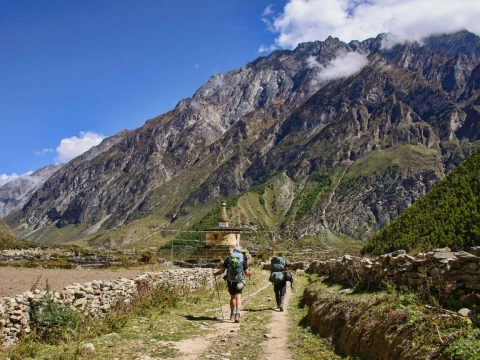
The Tsum Valley Trek is one of Nepal's most remarkable hidden Himalayan adventures, offering a perfect combination of breathtaking mountain scenery, centuries-old Tibetan Buddhist culture, and peaceful wilderness. Located in the northern Gorkha District near the Tibetan border, Tsum Valley remained isolated from the outside world for generations, preserving its unique traditions, language, monasteries, and way of life. Unlike Nepal's more crowded trekking destinations, the valley provides an authentic cultural experience where visitors can walk through ancient villages, explore sacred monasteries, and witness a lifestyle that has changed very little over the centuries.The journey begins with a scenic drive from Kathmandu to Maccha Khola before following the Budhi Gandaki River toward Jagat. From there, trekkers leave the popular Manaslu Circuit route and enter the tranquil Tsum Valley through Lokpa. Along the trail, travelers pass dense forests, suspension bridges, waterfalls, colorful prayer flags, mani walls, and beautiful terraced farmland while enjoying magnificent views of Ganesh Himal, Himalchuli, Sringi Himal, and surrounding snow-covered peaks. The spiritual highlight of the trek is the visit to Mu Gompa, the highest and largest monastery in the valley, where centuries-old Buddhist traditions continue to flourish.One of the greatest attractions of the Tsum Valley Trek is its rich cultural heritage. The local people, known as Tsumbas, follow Tibetan Buddhism and warmly welcome visitors with genuine hospitality. Ancient monasteries such as Mu Gompa, Rachen Gompa, Panago Gompa, and numerous chortens create a deeply spiritual atmosphere throughout the journey. Every village tells a story through its traditional stone houses, prayer wheels, sacred carvings, and peaceful lifestyle, making the trek equally rewarding for nature lovers and cultural enthusiasts.At Nepal Journey Travels, we carefully organize every aspect of the Tsum Valley Trek to ensure a safe, comfortable, and unforgettable adventure. Our experienced guides, reliable trekking crew, quality accommodations, and personalized service allow you to fully enjoy this extraordinary hidden valley while learning about its fascinating culture, history, and Himalayan landscapes.Explore Nepal's hidden sacred Himalayan valley.Visit the famous Mu Gompa and ancient Buddhist monasteries.Experience authentic Tibetan Buddhist culture.Enjoy panoramic views of Ganesh Himal, Himalchuli, and Sringi Himal.Trek through remote villages with warm local hospitality.Discover peaceful trails away from crowded trekking routes.Experience unique traditions preserved for centuries.Best Season for Tsum Valley TrekThe Tsum Valley Trek can be completed throughout much of the year, but the most favorable seasons are spring (March to May) and autumn (September to November). These months offer the best combination of pleasant temperatures, stable weather, excellent visibility, and spectacular mountain views. During spring, forests bloom with colorful rhododendrons, magnolias, and wildflowers, creating vibrant landscapes that beautifully contrast with the snow-covered Himalayan peaks. Comfortable daytime temperatures make trekking enjoyable while providing excellent opportunities for photography and sightseeing.Autumn is considered the most popular trekking season because the skies remain exceptionally clear after the monsoon rains. The surrounding mountains appear remarkably sharp against deep blue skies, while villages become especially lively during Nepal's major festivals such as Dashain and Tihar. Dry trails, moderate temperatures, and stable weather make autumn ideal for both beginner and experienced trekkers seeking the best Himalayan experience.Winter trekking from December to February is also possible for adventurous travelers who enjoy peaceful trails and snowy scenery. However, temperatures at higher elevations become significantly colder, especially around Mu Gompa and Nile, and occasional snowfall may affect trail conditions. Summer and monsoon (June to August) bring lush green landscapes but also heavy rainfall, slippery trails, leeches in lower forests, and limited mountain visibility. While trekking remains possible, additional preparation and flexibility are necessary during this season.At Nepal Journey Travels, we monitor seasonal weather conditions carefully and recommend the best departure dates according to each traveler's interests, fitness level, and preferred trekking experience. Our experienced team ensures that every trek is planned for maximum safety, comfort, and enjoyment regardless of the chosen season.Best Seasons at a GlanceSpring (March–May): Flowers, comfortable weather, clear mountain views.Autumn (September–November): Stable weather and excellent visibility.Winter (December–February): Quiet trails with snowy landscapes.Monsoon (June–August): Green scenery with occasional rainfall.Tsum Valley Trek Difficulty and TransportationThe Tsum Valley Trek is considered a moderate trekking adventure suitable for physically active travelers with reasonable fitness. The trail involves daily walking of approximately five to seven hours over varied terrain, including forest paths, stone staircases, suspension bridges, gradual ascents, and occasional steep sections. Although the trek reaches elevations above 3,700 meters at Mu Gompa, the itinerary includes gradual altitude gain, allowing proper acclimatization and minimizing the risk of altitude sickness. Previous trekking experience is helpful but not essential for participants who maintain regular physical activity before their trip.Trekkers should prepare through regular walking, hiking, cycling, or light cardiovascular exercise several weeks before arrival. Carrying only a small daypack while porters transport the main luggage greatly reduces physical strain, allowing participants to fully appreciate the spectacular scenery and cultural experiences throughout the valley. Professional guides continuously monitor each traveler's health and pace to ensure a safe and enjoyable journey.Transportation begins with a scenic overland drive from Kathmandu to Maccha Khola, which usually takes eight to nine hours. The route follows the Trishuli and Budhi Gandaki Rivers before entering rugged mountain roads leading toward the trekking starting point. After completing the trek, travelers return to Kathmandu by the same route while enjoying one final opportunity to admire Nepal's beautiful countryside and mountain landscapes.Nepal Journey Travels arranges all transportation using comfortable tourist vehicles or private jeeps depending on group size, road conditions, and traveler preferences. Our experienced drivers prioritize safety while ensuring a smooth and enjoyable journey between Kathmandu and the trekking region.Difficulty & Transportation SummaryModerate trekking difficulty.Daily walking: 5–7 hours.Highest elevation: Mu Gompa (3,700 m).Suitable for beginners with good fitness.Scenic drive between Kathmandu and Maccha Khola.Professional guide and porter support throughout the trek.Food and Accommodation for Tsum Valley TrekThroughout the Tsum Valley Trek, accommodation is provided in traditional family-operated teahouses that offer clean, comfortable, and welcoming environments. Most teahouses provide twin-sharing rooms with simple beds, blankets, pillows, and shared bathroom facilities. Although accommodations are basic compared to city hotels, they provide an authentic mountain experience where trekkers can interact with local families and learn about daily life in remote Himalayan villages.Evenings are often spent relaxing in warm dining halls heated by traditional stoves while sharing stories with fellow trekkers and local hosts. Electricity, Wi-Fi, hot showers, and charging facilities may be available in some villages for an additional fee, although services become more limited at higher elevations due to the remote location.Meals during the trek are freshly prepared using locally available ingredients. The famous Nepali Dal Bhat provides an excellent balance of carbohydrates, vegetables, lentils, and protein, making it the preferred meal for many trekkers. Other menu options include fried rice, noodles, soups, Tibetan bread, chapati, pasta, pancakes, eggs, potatoes, momos, porridge, tea, coffee, and seasonal fruits where available. The variety gradually becomes more limited as elevation increases, but meals remain nutritious and satisfying.At Nepal Journey Travels, we carefully select trusted teahouses that consistently maintain high standards of cleanliness, hospitality, and food quality. Our goal is to ensure every traveler enjoys both comfortable accommodation and healthy meals throughout the adventure.Food & Accommodation FeaturesComfortable family-run teahouses.Twin-sharing rooms.Traditional Nepali and Tibetan cuisine.Freshly prepared nutritious meals.Warm dining halls.Hot drinks available daily.Friendly local hospitality.Tsum Valley Trek PermitsSince Tsum Valley lies within a protected restricted area, trekkers must obtain special permits before entering the region. The Nepal Government introduced these regulations to preserve the valley's unique culture, natural environment, and historical heritage. Independent trekking is not permitted, and all visitors must travel with a licensed trekking company and an authorized guide.The primary permit required is the Tsum Valley Restricted Area Permit, which varies in cost depending on the season and duration of the trek. In addition, trekkers must obtain the Manaslu Conservation Area Project (MCAP) Permit because the trail passes through protected conservation areas rich in biodiversity and wildlife. Depending on the itinerary, the Annapurna Conservation Area Permit (ACAP) may also be required when combining the trek with the Manaslu Circuit.Obtaining permits involves documentation, passport copies, visa information, and passport-sized photographs. Fortunately, travelers do not need to worry about these administrative procedures when booking with Nepal Journey Travels. Our experienced office team completes all permit applications, government paperwork, and necessary logistics before the trek begins, allowing you to focus entirely on enjoying your Himalayan adventure.Required PermitsTsum Valley Restricted Area Permit.Manaslu Conservation Area Project (MCAP) Permit.Annapurna Conservation Area Permit (if applicable).Licensed guide required.Trek through a registered trekking company.Passport and visa copies needed.Why Choose Tsum Valley TrekThe Tsum Valley Trek is an exceptional destination for travelers seeking more than simply mountain scenery. It offers an extraordinary opportunity to explore one of Nepal's most culturally preserved Himalayan regions while enjoying peaceful trails far from the crowds found on many popular trekking routes. Ancient monasteries, sacred caves, traditional villages, dramatic landscapes, and genuine local hospitality combine to create an unforgettable experience that appeals to photographers, cultural explorers, spiritual travelers, and nature enthusiasts alike.Unlike commercial trekking destinations, Tsum Valley remains remarkably authentic. Visitors can witness daily Buddhist rituals, observe centuries-old traditions, and experience the simplicity of mountain life while surrounded by spectacular Himalayan scenery. Every day introduces new cultural discoveries, breathtaking viewpoints, and meaningful interactions with local communities that make the journey deeply rewarding.Choosing Nepal Journey Travels means traveling with a trusted local trekking company dedicated to providing safe, personalized, and high-quality Himalayan adventures. Our knowledgeable guides, professional trekking crew, carefully planned itineraries, transparent pricing, and commitment to responsible tourism ensure every traveler enjoys a memorable and worry-free journey. From airport transfers to permit arrangements, comfortable accommodations, transportation, and expert guidance, we handle every detail so you can focus on creating lifelong memories in the magical Tsum Valley.Why Travel with Nepal Journey TravelsExperienced local trekking specialists.Government-licensed professional guides.Complete permit and logistics management.Comfortable transportation and accommodation.Personalized service from arrival to departure.Responsible and sustainable tourism practices.Excellent safety standards.Competitive pricing with no hidden costs.Authentic cultural experiences.Dedicated customer support throughout your journey.

Yala Peak Climbing is one of Nepal's most rewarding introductory Himalayan climbing adventures, combining breathtaking mountain scenery, authentic cultural experiences, and a non-technical summit ideal for international trekkers seeking their first Himalayan peak. Standing at 5,500 meters (18,045 feet) in the beautiful Langtang region, Yala Peak offers magnificent panoramic views of Langtang Lirung, Dorje Lakpa, Ganesh Himal, and Shishapangma in Tibet. Although the peak is considered relatively easy compared to other Himalayan climbing destinations, it provides an unforgettable high-altitude experience that perfectly blends trekking and mountaineering.Nepal Journey Travels has carefully designed a 13-day itinerary that allows trekkers to enjoy gradual acclimatization while exploring the spectacular landscapes of Langtang National Park. The adventure begins with a scenic drive from Kathmandu to Syabrubesi before following picturesque trails through dense forests, traditional Tamang villages, alpine meadows, and glacial valleys. Overnight stays at Lama Hotel, Langtang Village, Kyangjin Gompa, and Yala Peak Base Camp ensure a comfortable pace that helps maximize safety and summit success. An acclimatization day at Kyangjin Gompa further prepares climbers for higher elevations before the exciting summit attempt.The route showcases the best of the Langtang Valley, allowing travelers to experience rich Buddhist culture, ancient monasteries, yak pastures, and dramatic Himalayan landscapes throughout the journey. Experienced climbing guides from Nepal Journey Travels provide continuous support, safety supervision, climbing instruction, and personalized assistance, making the expedition suitable for both first-time climbers and experienced trekkers looking for a rewarding Himalayan challenge.13-day Himalayan trekking and climbing adventureSummit Yala Peak at 5,500 metersScenic Langtang Valley trekking routeExplore Langtang National ParkVisit Kyangjin Gompa and traditional Tamang villagesSpectacular sunrise mountain viewsProfessional guides from Nepal Journey TravelsIdeal first Himalayan climbing experienceBest Season for Yala Peak ClimbingChoosing the right season plays an important role in making your Yala Peak Climbing adventure both safe and enjoyable. Nepal Journey Travels recommends climbing during spring (March to May) and autumn (September to November), when weather conditions are generally stable, visibility is excellent, and mountain trails are at their best. These seasons offer comfortable daytime temperatures, clear skies, and outstanding panoramic views of the Langtang Himalayan range.Spring transforms the Langtang Valley into a colorful paradise as rhododendron forests bloom across the hillsides. The warmer temperatures and longer daylight hours create ideal trekking conditions, while snow-covered peaks remain beautifully visible against deep blue skies. Wildlife activity also increases during this season, making the journey even more rewarding for nature lovers and photographers.Autumn is equally popular among international trekkers because of its dry weather, crisp mountain air, and exceptional visibility following the summer monsoon. Stable weather significantly improves summit success while providing spectacular sunrise and sunset views throughout the expedition. Although Yala Peak can be climbed during winter by experienced mountaineers, colder temperatures and heavier snowfall require additional preparation. The summer monsoon season brings frequent rain, slippery trails, and limited mountain visibility, making it less suitable for most climbers.Best SeasonsSpring: March to MayAutumn: September to NovemberClear mountain viewsStable climbing conditionsComfortable trekking temperaturesExcellent photography opportunitiesHigher summit success rateYala Peak Climbing Difficulty and TransportationYala Peak Climbing is widely recognized as one of Nepal's best beginner-friendly Himalayan climbing expeditions. While reaching an elevation of 5,500 meters requires good physical fitness, determination, and proper acclimatization, the climb itself involves only moderate technical difficulty under normal weather conditions. Nepal Journey Travels provides experienced climbing guides who offer complete instruction on using crampons, harnesses, ropes, and other climbing equipment before summit day, making the expedition suitable for trekkers with limited mountaineering experience.The biggest challenge during the expedition is adapting to high altitude rather than technical climbing. The carefully planned itinerary includes gradual elevation gain and an acclimatization day at Kyangjin Gompa to reduce the risk of altitude-related illness. Participants should prepare through regular hiking, cardiovascular exercise, and endurance training before arriving in Nepal to maximize comfort and enjoyment throughout the adventure.Transportation is simple and well organized. The journey begins with a scenic drive from Kathmandu to Syabrubesi, the gateway to the Langtang region. The return follows the same picturesque mountain road, passing beautiful villages, terraced farmland, rivers, and Himalayan foothills. Throughout the expedition, Nepal Journey Travels arranges all required ground transportation, allowing travelers to focus entirely on enjoying their adventure.Difficulty & TransportationModerate physical challengeBeginner-friendly Himalayan climbNon-technical summit routeAcclimatization includedProfessional climbing guidanceKathmandu–Syabrubesi scenic drivePrivate or shared transportation arrangedSuitable for fit international trekkersFood and Accommodation for Yala Peak ClimbingNepal Journey Travels ensures that every participant enjoys comfortable accommodation and nutritious meals throughout the Yala Peak Climbing expedition. During the trekking portion of the journey, guests stay in clean and welcoming mountain teahouses operated by local families. These lodges provide comfortable twin-sharing rooms, warm dining halls, and genuine Himalayan hospitality. Although facilities become more basic at higher elevations, they remain comfortable and suitable for mountain trekking.Meals are carefully selected to provide the energy required for trekking and climbing. Breakfasts generally include bread, eggs, porridge, pancakes, tea, or coffee. Lunch and dinner feature a variety of freshly prepared dishes such as Dal Bhat, noodles, fried rice, pasta, potatoes, soups, vegetables, and seasonal local specialties. Vegetarian options are widely available, and guides can help accommodate dietary preferences whenever possible.During the overnight stay at Yala Peak Base Camp, accommodation is provided in well-equipped expedition tents. The support team prepares nutritious meals to ensure climbers remain energized before the summit attempt. Nepal Journey Travels emphasizes hygiene, food quality, and proper hydration throughout the expedition, helping participants maintain strength and perform confidently at higher elevations.Food & AccommodationComfortable mountain teahousesTwin-sharing roomsExpedition tents at Base CampFreshly prepared local and international mealsVegetarian meals availableWarm dining areasNutritious summit-day mealsHygienic food preparationYala Peak Climbing PermitsBefore beginning the Yala Peak Climbing expedition, several official permits are required to enter the Langtang region and complete the climb legally. Nepal Journey Travels handles all permit arrangements on behalf of its clients, ensuring a smooth and hassle-free travel experience. This allows international trekkers to concentrate fully on their adventure without worrying about administrative procedures.The primary permits include the Langtang National Park Entry Permit, which grants access to Nepal's first Himalayan national park, and the TIMS (Trekkers' Information Management System) Card, used to improve trekking safety and visitor management. Depending on current regulations, additional climbing documentation or local authority requirements may also apply. Nepal Journey Travels always follows the latest government guidelines to ensure complete compliance.Travelers only need to provide the necessary personal documents, passport copies, and photographs before departure. The company's experienced staff manages every stage of the application process, ensuring that all required permits are secured before the trek begins. This professional support helps create a seamless and stress-free climbing experience from arrival to departure.Permits RequiredLangtang National Park Entry PermitTIMS Card (subject to current regulations)Required climbing documentationPassport copyPassport-size photographsPermit processing by Nepal Journey TravelsFull legal complianceHassle-free arrangementsWhy Choose Yala Peak ClimbingYala Peak Climbing is an outstanding choice for international trekkers who wish to experience the excitement of Himalayan mountaineering without attempting a highly technical expedition. The journey combines spectacular trekking, rich Himalayan culture, breathtaking mountain scenery, and the satisfaction of reaching a 5,500-meter summit. Every stage of the itinerary has been carefully designed to provide proper acclimatization, maximize safety, and deliver an unforgettable adventure through one of Nepal's most beautiful mountain regions.Choosing Nepal Journey Travels means traveling with a company dedicated to professional service, experienced local guides, personalized attention, and responsible tourism. From airport transfers and permit arrangements to accommodation, transportation, meals, climbing support, and safety management, every detail is carefully organized. The company's knowledgeable guides share valuable insights into local culture, history, wildlife, and mountain traditions while ensuring every participant enjoys a safe and memorable journey.Whether you are planning your first Himalayan climbing experience or adding another remarkable summit to your mountaineering achievements, Yala Peak Climbing offers the perfect combination of adventure, culture, and natural beauty. Nepal Journey Travels is committed to providing exceptional service, helping every traveler create lifelong memories while exploring the magnificent Langtang Himalayas.Why Nepal Journey TravelsExperienced local trekking and climbing guidesCarefully designed acclimatization itineraryComplete logistics managementHigh safety standardsComfortable accommodation and quality mealsReliable transportation arrangementsPersonalized customer serviceExcellent success rateAuthentic cultural experiencesMemorable Himalayan adventure