Quick Inquiry
+977-9761800324
Email
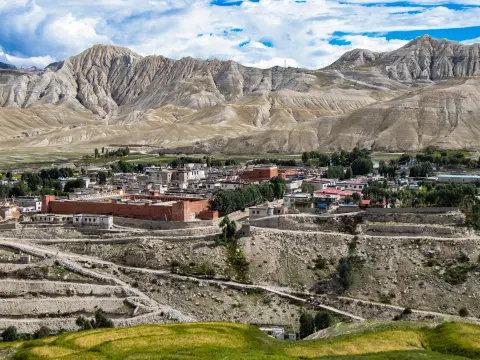
The Upper Mustang Overland Tour is a remarkable journey into the remote trans-Himalayan region of Nepal, often referred to as the “Last Forbidden Kingdom.” This adventure begins in Kathmandu with cultural sightseeing of UNESCO World Heritage Sites before heading toward the scenic lake city of Pokhara. From there, travelers fly to Jomsom and drive deeper into the arid landscapes of Upper Mustang, passing ancient villages like Kagbeni and crossing the dramatic Nyi-La Pass. The journey reaches its cultural peak at Lo Manthang, the walled capital of the former Kingdom of Lo.Operated by Nepal Journey Travels, this overland tour is ideal for travelers who wish to explore Mustang’s Tibetan-influenced culture without long days of trekking. The route offers spectacular desert-like cliffs, ancient monasteries, sky caves, and panoramic Himalayan views.Exploration of medieval monasteries and royal palacesScenic mountain flights between Pokhara and JomsomUnique Tibetan Buddhist culture and traditionsComfortable jeep travel through dramatic landscapesBest Season for Upper Mustang Overland TourThe best time for the Upper Mustang Overland Tour is during spring (March to May) and autumn (September to November). During these months, the weather is clear, dry, and pleasant, offering excellent mountain views and comfortable travel conditions. Spring brings mild temperatures and colorful landscapes, while autumn provides crystal-clear skies after the monsoon season.Interestingly, Upper Mustang lies in a rain-shadow area, making it one of the few trekking regions in Nepal suitable even during the monsoon (June to August). Unlike other parts of Nepal, heavy rainfall does not affect travel significantly. However, winter (December to February) can be extremely cold, and many locals migrate to lower regions, making services limited.Upper Mustang Overland Tour Difficulty and TransportationThe Upper Mustang Overland Tour is considered a moderate adventure. Since the journey is conducted primarily by private 4WD jeep, it does not require extensive trekking experience. However, travelers should be prepared for long drives on rough, off-road terrain and high-altitude conditions reaching up to 3,860 meters at Nyi-La Pass.Transportation includes scenic tourist bus or private vehicle drives between Kathmandu and Pokhara, a short mountain flight to Jomsom, and 4WD jeep rides throughout Upper Mustang. While physically less demanding than trekking, participants should have basic fitness and be mindful of altitude acclimatization. Nepal Journey Travels ensures safe travel with experienced drivers and well-maintained vehicles.Food and Accommodation for Upper Mustang Overland TourAccommodation during the tour ranges from comfortable hotels in Kathmandu and Pokhara to well-managed teahouses and lodges in Mustang villages. In Lo Manthang and the surrounding areas, rooms are simple yet cozy, reflecting the traditional Himalayan lifestyle. Basic amenities such as attached bathrooms and hot showers may be available in some places.Food options include a mix of Nepali, Tibetan, and basic continental dishes. Popular meals include:Dal Bhat (rice, lentils, vegetables)Tibetan bread and noodle soupMomos (dumplings)Fried rice, pasta, pancakes, and eggsMeals are freshly prepared and nourishing, ensuring travelers stay energized throughout the journey.Upper Mustang Overland Tour PermitsUpper Mustang is a restricted region, and special permits are required. Travelers must obtain a Restricted Area Permit (RAP) and an Annapurna Conservation Area Permit (ACAP). The restricted permit helps preserve the unique culture and fragile environment of the region.Nepal Journey Travels arranges all necessary permits and documentation before departure. Required documents include a valid passport, visa, and passport-sized photos. Since independent travel is not permitted in Upper Mustang, visitors must travel with a registered guide and agency.Why Choose Upper Mustang Overland TourChoosing the Upper Mustang Overland Tour allows travelers to experience the hidden Himalayan kingdom in comfort and style. Unlike strenuous treks, this overland option offers deeper exploration with less physical strain, making it suitable for families, senior travelers, and photographers.With Nepal Journey Travels, guests receive professional service, experienced guides, carefully planned itineraries, and strong local knowledge. The company prioritizes safety, cultural respect, and personalized experiences. This tour combines adventure, spirituality, culture, and breathtaking landscapes—creating a once-in-a-lifetime Himalayan journey.
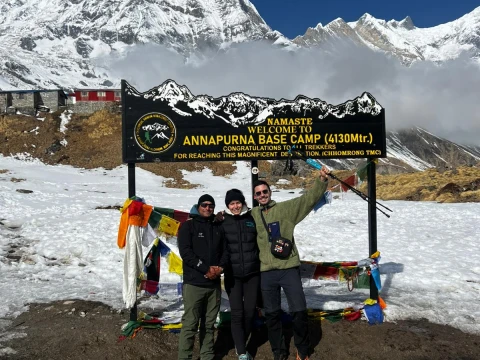
The Annapurna Base Camp (ABC) Trek is one of the most iconic trekking routes in Nepal, offering a perfect blend of natural beauty, cultural experiences, and adventure. The trek begins in the lush hills near Pokhara, gradually climbing through traditional Gurung villages, terraced farmlands, rhododendron forests, and river valleys. Trekkers are treated to mesmerizing views of the Annapurna and Machapuchare (Fishtail) ranges throughout the journey. The ultimate destination, Annapurna Base Camp, sits at an altitude of 4,130 meters (13,546 ft) and offers an unforgettable panoramic view of the surrounding Himalayan peaks.This trek is ideal for both beginners and experienced trekkers. It combines moderate trekking days with opportunities to experience local culture and hospitality. Along the way, you’ll visit charming villages such as Ghandruk and Chhomrong, where traditional stone houses, monasteries, and friendly locals provide a glimpse into the Nepali mountain lifestyle. Nepal Journey Travels ensures that every step of this trek is comfortable, with experienced guides, porters, and well-planned accommodations, making the adventure seamless and safe.Trek through diverse landscapes: forests, rivers, and terraced fieldsVisit traditional Gurung and Magar villagesSpectacular Himalayan mountain views, including Annapurna South, Hiunchuli, and MachapuchareReaching Annapurna Base Camp at 4,130mBest Season for Annapurna Base Camp TrekThe best times to undertake the Annapurna Base Camp Trek are during the pre-monsoon (March to May) and post-monsoon (September to November) seasons. These months offer clear skies, stable weather, and moderate temperatures, making trekking safer and more enjoyable. During spring, the forests come alive with rhododendron blooms, painting the landscape with vibrant colors, while autumn offers crisp air and breathtaking panoramic mountain views.Winter (December to February) is less crowded, but temperatures can drop below freezing, especially at higher elevations. Summer (June to August) coincides with the monsoon season, which brings heavy rainfall, slippery trails, and obstructed mountain views. Nepal Journey Travels advises trekkers to choose spring or autumn for optimal weather, safety, and photography opportunities.Season Summary:Spring (March–May): Blooming rhododendrons, moderate weatherAutumn (Sept–Nov): Clear skies, ideal trekking conditionsWinter (Dec–Feb): Cold, fewer crowds, possible snowMonsoon (June–Aug): Heavy rain, slippery trails, limited viewsAnnapurna Base Camp Trek Difficulty and TransportationThe ABC Trek is considered a moderate-level trek, suitable for trekkers with basic fitness and no prior high-altitude experience. Daily trekking ranges between 4–7 hours, with gradual elevation gain allowing for proper acclimatization. Some segments, such as the climb from Dovan to Deurali and then to ABC, are steeper and more challenging, requiring endurance and stamina. Proper preparation and pacing are crucial to prevent altitude sickness and fatigue.Transportation for this trek begins in Kathmandu, with options to drive or fly to Pokhara. Most itineraries, like the one organized by Nepal Journey Travels, include tourist bus transfers between Kathmandu and Pokhara, providing scenic views of Nepal’s countryside. From Pokhara, trekkers drive to Nayapul, the starting point of the trekking route. While trekking, walking remains the primary mode of transportation, supported by local guides and porters who carry luggage and supplies.Key Points:Moderate trekking difficultyAverage 4–7 hours of walking per dayGradual elevation gain with proper acclimatizationTransportation: Kathmandu ↔ Pokhara by tourist bus; Pokhara ↔ Nayapul by car; trekking on footFood and Accommodation for Annapurna Base Camp TrekDuring the trek, food and accommodation are primarily available in tea houses and lodges along the trail. These mountain lodges offer basic yet comfortable amenities, including clean rooms, bedding, and hot showers at higher altitudes. Meals are typically Nepali and Tibetan-inspired, such as dal bhat (lentil soup with rice), momo (dumplings), noodles, and soups. Trekkers can also enjoy tea, coffee, and snacks to maintain energy levels during long trekking days.While staying in tea houses, trekkers experience authentic local hospitality. At villages like Ghandruk and Chhomrong, lodges are run by families, providing insight into Nepali mountain life. Nepal Journey Travels ensures that accommodations are pre-arranged in clean, safe, and welcoming lodges to reduce any trekking stress. They also cater to dietary preferences and provide advice on maintaining hydration and nutrition at high altitudes.Summary of Food & Stay:Lodges/tea houses along the trailLocal and nutritious meals: dal bhat, noodles, momosBasic facilities with bedding and hot water (higher altitudes may have limited hot water)Warm hospitality and cultural experienceAnnapurna Base Camp Trek PermitsTrekking in the Annapurna region requires two main permits: the Annapurna Conservation Area Permit (ACAP) and the Trekkers’ Information Management System (TIMS) card. The ACAP ensures that trekkers contribute to environmental conservation and sustainable tourism in the region, while the TIMS card helps authorities track trekkers for safety purposes.Permits are mandatory for all visitors, and Nepal Journey Travels handles all arrangements in advance, saving trekkers the hassle of queuing or paperwork. Permit fees vary for nationals and foreign travelers, and they are valid for the duration of the trek. Carrying these permits at all times is required when trekking, as checkpoints frequently verify them.Permit Details:ACAP Permit: Conservation and entry fee to the Annapurna regionTIMS Card: Trekker registration for safety and trackingRequired for all trekkers and arranged by the trekking agencyWhy Choose Annapurna Base Camp Trek with Nepal Journey TravelsChoosing Nepal Journey Travels for the ABC Trek ensures a safe, comfortable, and culturally immersive experience. Their team of professional guides and porters is highly experienced in Himalayan trekking, providing crucial support in navigation, acclimatization, and emergency management. The company emphasizes sustainable tourism, ensuring that your trek benefits local communities while minimizing environmental impact.From planning and obtaining permits to arranging lodges, meals, and transportation, Nepal Journey Travels handles all logistics, allowing trekkers to focus on the journey itself. Their attention to safety, hospitality, and personalized service makes the Annapurna Base Camp Trek not just a hike, but a lifetime adventure. With breathtaking mountain views, charming villages, and cultural insights at every step, this trek promises memories that last forever.Why Choose Nepal Journey Travels:Expert guides and a reliable support teamPre-arranged permits and accommodationsFocus on safety, comfort, and cultural experienceEnvironmentally responsible and community-supportive trekking
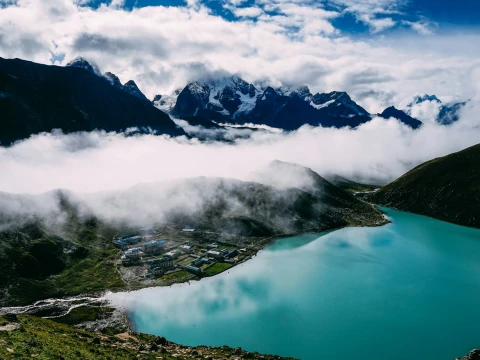
The Gokyo Lake Trek is one of the most breathtaking trekking routes in the Everest region of Nepal, offering a quieter and more scenic alternative to the classic Everest Base Camp trail. This journey takes you through beautiful valleys, traditional Sherpa settlements, alpine forests, and high-altitude glacial landscapes, leading to the stunning turquoise waters of the sacred Gokyo Lakes and the panoramic viewpoint of Gokyo Ri (5,357 m). Operated by Nepal Journey Travels, this itinerary is carefully designed to balance adventure, acclimatisation, and cultural immersion.The trek begins with a scenic flight from Kathmandu to Lukla, followed by gradual ascents through famous villages like Phakding, Namche Bazaar, Dole, and Machhermo before reaching Gokyo. The highlight of the trek is the series of six high-altitude lakes, considered sacred by both Hindus and Buddhists. The reflection of snow-capped peaks such as Cho Oyu and Everest in these lakes creates one of the most iconic Himalayan landscapes.This route is less crowded than other Everest treks, making it ideal for trekkers seeking peace, photography opportunities, and raw Himalayan beauty. It is also physically rewarding, offering incredible viewpoints without requiring technical climbing skills.Scenic alternative to Everest Base Camp routeHighlights: Gokyo Lakes & Gokyo Ri viewpointCultural Sherpa villages and monasteriesOperated by Nepal Journey TravelsLess crowded and highly scenic routeBest Season for Gokyo Lake TrekThe best time to undertake the Gokyo Lake Trek is during spring (March to May) and autumn (September to November), when the weather is stable, and the mountain views are at their clearest. During these seasons, trekkers can enjoy comfortable temperatures, vibrant landscapes, and excellent visibility of Himalayan peaks like Everest, Lhotse, and Cho Oyu.In spring, the trail is decorated with blooming rhododendrons and lush greenery, making the journey visually rich and refreshing. Autumn, on the other hand, offers crystal-clear skies after the monsoon, making it the most popular trekking season in Nepal. Winter trekking is possible but extremely cold, especially above 4,000 meters, while the monsoon season brings heavy rain and flight disruptions.Nepal Journey Travels recommends autumn as the most reliable season for first-time trekkers due to stable weather conditions and safer trail access. However, experienced trekkers may also enjoy the solitude of winter trekking with proper gear and preparation.Key points:Best seasons: Spring (Mar–May) & Autumn (Sep–Nov)Spring offers flowers and greeneryAutumn provides best visibility and stable weatherWinter = cold but less crowdedMonsoon = not recommended due to rain and flight delaysGokyo Lake Trek Difficulty and TransportationThe Gokyo Lake Trek is considered moderate to moderately challenging, mainly due to high altitude rather than technical difficulty. The itinerary includes gradual ascents through Namche Bazaar (3,440 m), Dole (4,040 m), Machhermo (4,470 m), and finally Gokyo (4,800 m), with a side hike to Gokyo Ri (5,357 m). Proper acclimatisation days are included in Namche Bazaar to reduce the risk of altitude sickness.Trekkers do not need mountaineering skills, but a good level of fitness is essential. Daily walking ranges from 5 to 7 hours on average, often on rocky and uphill terrain. The descent back follows the same route, making the return journey physically demanding on the knees and stamina.Transportation begins with a domestic flight from Kathmandu to Lukla, one of the world’s most thrilling mountain airports. From Lukla, all travel is on foot with the support of experienced guides and porters arranged by Nepal Journey Travels.Key points:Difficulty level: Moderate to challengingMaximum altitude: 5,357 m (Gokyo Ri)Daily trekking: 5–7 hours averageFlight: Kathmandu → LuklaNo technical climbing requiredFitness and acclimatization essentialFood and Accommodation for Gokyo Lake TrekAccommodation during the Gokyo Lake Trek is mainly in local teahouses, which are small mountain lodges run by Sherpa families. These provide basic but comfortable facilities, including beds, blankets, and shared bathrooms in lower regions. As altitude increases, facilities become more basic, especially in places like Dole and Machhermo, but hospitality remains warm and welcoming.Food options are surprisingly diverse given the remote environment. Trekkers can enjoy traditional Nepali meals such as dal bhat (rice, lentils, vegetables), as well as pasta, noodles, soups, pancakes, eggs, and Tibetan bread. At higher elevations, menu options may become limited due to transportation difficulty, but meals remain freshly prepared and energy-rich.Nepal Journey Travels ensures that clients receive hygienic meals and safe accommodation by selecting reliable teahouses along the route. Clean drinking water (boiled or filtered) is also available at most stops.Key points:Accommodation: Teahouses/lodges along the routeBasic facilities with warm hospitalityFood: Nepali, Tibetan, and simple international dishesMeals become limited at higher altitudesSafe and hygienic arrangements by Nepal Journey TravelsHot drinks like tea and soup are widely availableGokyo Lake Trek PermitsTo complete the Gokyo Lake Trek, trekkers must obtain specific permits required by the Nepal government and local authorities. The main permits include the Sagarmatha National Park Entry Permit and the Khumbu Pasang Lhamu Rural Municipality Permit. These permits help support conservation efforts and local community development in the Everest region.The Sagarmatha National Park Permit is required as the trek passes through protected areas rich in biodiversity and home to rare wildlife such as musk deer and Himalayan tahr. The local permit is used to support infrastructure and tourism management in the Khumbu region.Nepal Journey Travels handles all permit arrangements for trekkers, ensuring a hassle-free experience from arrival in Kathmandu. Travellers only need to provide passport copies and passport-sized photos, while the company manages all official processing.Key points:Sagarmatha National Park Permit requiredKhumbu Pasang Lhamu Rural Municipality Permit requiredProtects the environment and supports local communitiesArranged fully by Nepal Journey TravelsPassport and photo required for processingEssential for legal trekking in Everest regionWhy Choose Gokyo Lake TrekThe Gokyo Lake Trek is an excellent choice for trekkers who want a quieter, more scenic, and less commercialised Himalayan experience compared to the Everest Base Camp route. One of its biggest highlights is the stunning view from Gokyo Ri (5,357 m), which offers one of the best panoramic views of Everest, Cho Oyu, Lhotse, and Makalu in the entire region.Unlike busier trekking routes, Gokyo provides peaceful trails, pristine lakes, and fewer crowds, allowing for a more intimate connection with nature. The turquoise Gokyo Lakes are also considered sacred, adding cultural and spiritual significance to the journey.With Nepal Journey Travels, trekkers benefit from experienced guides, well-planned itineraries, safety-focused acclimatisation schedules, and personalised support throughout the trek. The company ensures a smooth experience from arrival in Kathmandu to return from Lukla.Key points:Less crowded than the Everest Base Camp routeSpectacular view from the Gokyo Ri viewpointSacred glacial lakes and a peaceful environmentRich Sherpa culture and hospitalitySafe and organised trek by Nepal Journey TravelsIdeal for photography and nature lovers
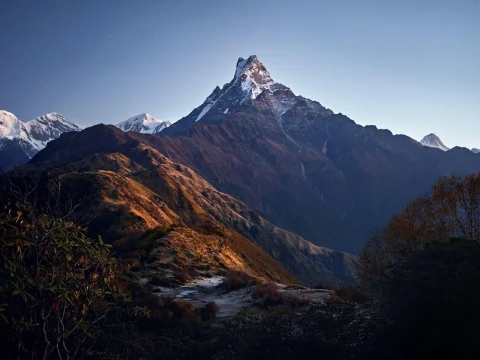
The Ghorepani Poon Hill with Mardi Himal Trek is one of Nepal's most rewarding trekking adventures, combining the famous sunrise viewpoint of Poon Hill with the peaceful ridges of the Mardi Himal trail. This 12-day journey offers a perfect balance of breathtaking mountain scenery, rich cultural experiences, lush rhododendron forests, and authentic Himalayan villages. The trek begins with sightseeing and travel from Kathmandu to Pokhara before entering the Annapurna region. Along the way, trekkers pass through beautiful settlements including Ulleri, Ghorepani, Tadapani, Ghandruk, Landruk, Low Camp, High Camp, and finally Mardi Himal Base Camp at 4,500 meters.One of the major highlights is the unforgettable sunrise from Poon Hill, where golden rays illuminate the snow-covered peaks of Annapurna, Dhaulagiri, Machhapuchhre (Fishtail), Nilgiri, and Hiunchuli. After enjoying the classic Poon Hill trail, the adventure continues onto the quieter Mardi Himal route, known for its pristine forests, alpine meadows, and spectacular ridge walks. Unlike busier trekking routes, Mardi Himal provides a peaceful atmosphere where trekkers can fully appreciate the beauty of the Himalayas.The journey also introduces visitors to the traditional lifestyle of the Gurung and Magar communities. Their warm hospitality, unique culture, local cuisine, and charming mountain villages add an authentic cultural dimension to the trek. Throughout the trail, every day offers changing landscapes—from terraced farmlands and dense forests to rocky ridges and high alpine terrain.Sunrise view from Poon Hill (3,210m)Mardi Himal Base Camp (4,500m)Panoramic Himalayan mountain viewsBeautiful rhododendron forestsTraditional Gurung and Magar villagesScenic Pokhara cityLess crowded Mardi Himal trailProfessional services from Nepal Journey TravelsBest Season for Ghorepani Poon Hill with Mardi Himal TrekThe best time to enjoy the Ghorepani Poon Hill with Mardi Himal Trek is during the spring (March to May) and autumn (September to November) seasons. These months provide stable weather, excellent mountain visibility, comfortable trekking temperatures, and colorful natural scenery. Spring transforms the forests into vibrant landscapes filled with blooming rhododendron flowers, Nepal's national flower. The pleasant daytime temperatures make trekking enjoyable, while the crystal-clear mornings offer unforgettable Himalayan panoramas.Autumn is equally popular because of its dry weather, blue skies, and excellent visibility. Following the summer monsoon, the air becomes exceptionally clean, making mountain photography outstanding. Trails remain dry and comfortable, while villages celebrate Nepal's major festivals such as Dashain and Tihar, allowing visitors to experience local traditions during their trek.Winter (December to February) is suitable for experienced trekkers who can tolerate colder temperatures. Snow may cover higher sections, especially around High Camp and Mardi Himal Base Camp, creating magical landscapes. During the summer monsoon (June to August), trekking is still possible but heavy rainfall, slippery trails, leeches, and cloudy mountain views may affect the experience.Best SeasonsSpring (March–May): Blooming rhododendrons and pleasant weatherAutumn (September–November): Clear skies and best mountain viewsWinter: Snowy scenery for experienced trekkersMonsoon: Green landscapes with occasional rainGhorepani Poon Hill with Mardi Himal Trek: Difficulty and TransportationThe Ghorepani Poon Hill with Mardi Himal Trek is considered a moderate trekking adventure that is suitable for beginners with reasonable fitness as well as experienced trekkers. Daily walking usually ranges from 5 to 7 hours, with gradual elevation gain throughout the journey. The most physically demanding sections include the long stone staircases to Ulleri and the climb from High Camp to Mardi Himal Base Camp at 4,500 meters. Proper acclimatization, steady pacing, hydration, and experienced guides help minimize altitude-related risks.Although the trek reaches high elevations, it does not require technical climbing skills or mountaineering experience. Anyone with basic physical preparation and determination can complete the journey comfortably. Regular exercise before arrival, including hiking, jogging, cycling, or stair climbing, significantly improves trekking performance.Transportation is convenient throughout the itinerary. The adventure begins with a tourist bus from Kathmandu to Pokhara, followed by a private vehicle to Birethanti, where the trek officially starts. After completing the trek at Siding Village, a private jeep returns trekkers to Pokhara before another tourist bus journey back to Kathmandu.TransportationTourist bus: Kathmandu to PokharaPrivate vehicle: Pokhara to BirethantiTrek through the Annapurna regionPrivate jeep: Siding to PokharaTourist bus: Pokhara to KathmanduFood and Accommodation for Ghorepani Poon Hill with Mardi Himal TrekThroughout the trek, accommodation is provided in comfortable local teahouses operated by welcoming mountain families. Rooms are generally twin-sharing with simple beds, blankets, pillows, and shared bathrooms. While facilities become more basic at higher elevations, the warm hospitality of local hosts creates a memorable experience. Dining halls are heated during colder evenings, offering a cozy place for trekkers to relax and socialize.Food along the route is fresh, nutritious, and specially prepared for trekkers. The famous Nepali Dal Bhat provides unlimited energy with rice, lentil soup, vegetables, and pickles. Menus also include fried rice, noodles, pasta, soups, pancakes, Tibetan bread, momo, porridge, eggs, tea, coffee, and seasonal fruits where available. Vegetarian meals are widely available and recommended at higher elevations for easier digestion.As the altitude increases, menu choices become slightly more limited because supplies are transported by porters and mules. Nevertheless, teahouses continue to provide sufficient meals that support trekkers throughout the journey.Accommodation & MealsComfortable mountain teahousesTwin-sharing roomsTraditional Nepali Dal BhatTibetan bread and pancakesSoups, noodles, pasta, fried riceTea, coffee, and hot drinksVegetarian options availableGhorepani Poon Hill with Mardi Himal Trek PermitsTrekkers must obtain the required permits before entering the Annapurna Conservation Area. These permits help preserve the environment, support conservation efforts, maintain trekking trails, and promote sustainable tourism throughout the region. During the trek, permit checkpoints verify visitor registrations to ensure safety and proper monitoring.The two mandatory permits include the Annapurna Conservation Area Permit (ACAP) and the Trekkers' Information Management System (TIMS) Card. These permits are generally arranged by Nepal Journey Travels, allowing trekkers to enjoy a hassle-free experience without worrying about administrative procedures.Applicants usually need a passport copy, passport-sized photographs, and valid travel information. Carrying permits throughout the trek is essential because officials inspect them at several checkpoints.Required PermitsAnnapurna Conservation Area Permit (ACAP)TIMS CardPassport copyPassport-sized photographsArranged by Nepal Journey TravelsWhy Choose Ghorepani Poon Hill with Mardi Himal TrekThe Ghorepani Poon Hill with Mardi Himal Trek perfectly combines Nepal's two most scenic trekking routes into one unforgettable adventure. Travelers experience spectacular Himalayan sunrises, peaceful mountain ridges, authentic cultural villages, rich biodiversity, and magnificent panoramic views within a relatively short itinerary. The route is ideal for trekkers seeking both classic Himalayan experiences and quieter, less crowded trails.Choosing Nepal Journey Travels ensures a safe, comfortable, and professionally organized trekking experience. Our experienced local guides, friendly porters, carefully planned itineraries, quality accommodations, and dedicated customer service allow you to fully enjoy every moment of your Himalayan adventure. We prioritize safety, responsible tourism, personalized service, and unforgettable travel experiences for every guest.Whether you are a solo traveler, couple, family, or group, Nepal Journey Travels is committed to delivering exceptional trekking holidays that create lifelong memories in the heart of the Annapurna region.Why Nepal Journey TravelsExperienced licensed trekking guidesReliable airport transfersComfortable transportationCarefully designed itineraryHigh safety standardsExcellent customer supportAffordable and transparent pricingAuthentic local experiencesResponsible and sustainable tourismLifetime unforgettable Himalayan memories
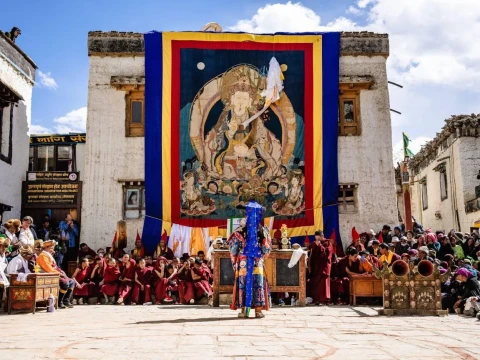
The Upper Mustang Tiji Festival Tour is a rare and culturally rich Himalayan journey that takes travelers into the ancient kingdom of Upper Mustang, a restricted region in northern Nepal that lies in the trans-Himalayan desert beyond the Annapurna range. This tour is designed around the sacred Tiji Festival, a three-day Buddhist celebration held in the walled city of Lo Manthang. The festival represents the triumph of good over evil and is performed through centuries-old masked dances, chants, and rituals conducted by monks of the Chhode Monastery. Travelers experience not only a festival but also an immersive journey into Tibetan-influenced culture, ancient monasteries, and dramatic landscapes shaped by wind and time.Organized by Nepal Journey Travels, this tour combines cultural exploration with adventure travel across remote Himalayan terrain. The itinerary typically begins in Kathmandu and passes through scenic destinations like Pokhara, Tatopani, and Kagbeni before entering Upper Mustang. The journey continues through arid valleys, cliffside villages, and sacred sites such as Muktinath before reaching the medieval gateway village of Kagbeni and ultimately Lo Manthang.This tour is not just sightseeing; it is a deep cultural immersion into one of the most preserved Buddhist societies in the Himalayas. Travelers witness traditional lifestyles that have remained unchanged for centuries, explore ancient fortresses, and interact with local communities who still follow Tibetan-influenced customs.Witness the sacred Tiji Festival in Lo ManthangExplore the restricted kingdom of Upper MustangVisit ancient monasteries and cliffside cavesExperience Tibetan-influenced culture and traditionsScenic journey through Pokhara, Jomsom, and KagbeniBest Season for Upper Mustang Tiji Festival TourThe best season for the Upper Mustang Tiji Festival Tour is primarily during the late spring months of May and early June, when the Tiji Festival is celebrated in Lo Manthang. This period is carefully chosen because Upper Mustang lies in a rain-shadow region behind the Himalayas, making it one of the few trekking destinations in Nepal that remains accessible even during the monsoon season. The weather during this time is generally dry, stable, and ideal for high-altitude travel, offering clear views of rugged cliffs, desert valleys, and snow-capped peaks in the distance.Apart from the festival period, the broader travel season for Upper Mustang extends from March to November, with May and June being the peak attraction due to cultural significance. During these months, temperatures are moderate in lower regions like Pokhara and Jomsom, while Upper Mustang remains dry and windy with cool mornings and evenings. This creates comfortable trekking and driving conditions compared to winter months when heavy snow may block access routes.Traveling with Nepal Journey Travels during this season ensures well-planned logistics, timely permit arrangements, and safe navigation through remote mountain roads. The festival timing also allows travelers to experience the region at its most vibrant cultural moment, when locals gather in large numbers and monasteries become the center of spiritual celebration.Key Highlights:Best time: May–June (Tiji Festival season)Clear weather in rain-shadow Upper Mustang regionIdeal road and travel conditions for jeep journeysModerate temperatures in Pokhara and JomsomPeak cultural atmosphere in Lo ManthangUpper Mustang Tiji Festival Tour Difficulty and TransportationThe Upper Mustang Tiji Festival Tour is considered a moderate to moderately challenging journey due to its remote location, high-altitude terrain, and long overland travel routes. While it does not require technical climbing skills, travelers should be prepared for extended jeep rides, rough mountain roads, and gradual altitude gain as the journey progresses toward Upper Mustang and Lo Manthang. The altitude reaches over 3,800 meters, which may cause mild altitude-related discomfort for some travelers.Transportation is primarily conducted via 4WD jeeps arranged by Nepal Journey Travels, ensuring safe navigation through rugged Himalayan roads. The journey begins with a drive from Kathmandu to Pokhara, followed by deeper Himalayan travel through Tatopani, Kagbeni, and Jomsom before reaching Upper Mustang. Roads beyond Kagbeni become more challenging, featuring unpaved tracks, river crossings, and steep cliffside paths carved into the mountains.Despite the physical demands, the journey is accessible to most reasonably fit travelers. Regular stops for rest, meals, and acclimatization are included to ensure safety. The itinerary is designed to gradually adjust the body to altitude changes, especially before entering the restricted Upper Mustang region.Key Highlights:Moderate difficulty with long jeep drivesNo technical trekking requiredHigh altitude reaching around 3,800m in Lo Manthang4WD jeep transportation throughout Upper MustangGradual acclimatization through Kagbeni and JomsomFood and Accommodation for Upper Mustang Tiji Festival TourFood and accommodation during the Upper Mustang Tiji Festival Tour are designed to balance comfort with authentic Himalayan experience. Throughout the journey, travelers are provided with a mix of local Nepali meals and simple international dishes such as rice, noodles, soups, and vegetables. In remote regions like Upper Mustang and Lo Manthang, food options become more basic but remain nutritious and freshly prepared by local lodges and guesthouses.Accommodation varies depending on altitude and location. In cities like Kathmandu and Pokhara, travelers stay in comfortable tourist-standard hotels with modern amenities. As the journey moves toward Jomsom, Kagbeni, and Upper Mustang, accommodation shifts to simple teahouses and local lodges. These establishments offer basic rooms with twin beds, warm blankets, and shared bathroom facilities, reflecting the remote nature of the region.Nepal Journey Travels ensures that accommodations are pre-arranged and hygienically maintained wherever possible. Even in remote villages, efforts are made to provide safe, clean, and culturally immersive stays that allow travelers to experience authentic Himalayan hospitality. Hot meals are typically served in communal dining areas, encouraging interaction with fellow travelers and local hosts.Key Highlights:Mix of Nepali and simple international mealsComfortable hotels in Kathmandu and PokharaBasic teahouses in Upper Mustang regionFreshly prepared local food in remote villagesWarm hospitality and communal dining experienceUpper Mustang Tiji Festival Tour PermitsTraveling to Upper Mustang requires special government permits due to its status as a restricted region near the Tibetan border. These permits are strictly regulated to preserve the cultural heritage and fragile environment of the area. The main permits required include the Restricted Area Permit (RAP) for Upper Mustang and the Annapurna Conservation Area Permit (ACAP), as the route passes through protected regions including Kagbeni and Jomsom.The permits are arranged in advance by registered trekking and tour agencies such as Nepal Journey Travels. Independent travel is not allowed in Upper Mustang, and travelers must be accompanied by a licensed guide. Permit costs vary depending on the duration of stay and government regulations, with strict enforcement at entry checkpoints, especially beyond Kagbeni.The permit process also ensures controlled tourism, helping preserve the cultural identity of Lo Manthang and protecting sacred sites associated with the Tiji Festival. Travelers are required to carry their permits at all times, as they are checked at multiple points along the route.Key Highlights:Restricted Area Permit (RAP) required for Upper MustangAnnapurna Conservation Area Permit (ACAP) requiredMandatory guided travel with registered agencyStrict checkpoint checks beyond KagbeniArranged by licensed operators like Nepal Journey TravelsWhy Choose Upper Mustang Tiji Festival TourThe Upper Mustang Tiji Festival Tour offers a rare combination of cultural depth, spiritual experience, and Himalayan adventure that is unmatched in Nepal. Visiting Upper Mustang during the Tiji Festival allows travelers to witness one of the last remaining living Tibetan Buddhist traditions in the world, set against the dramatic backdrop of the walled city of Lo Manthang. This journey goes beyond trekking—it is a cultural pilgrimage into a preserved kingdom that has maintained its ancient identity for centuries.Choosing Nepal Journey Travels ensures a well-organized, safe, and culturally insightful experience. The company provides expert guides, proper permit handling, and carefully designed itineraries that balance travel comfort with authentic exploration. From the vibrant streets of Kathmandu to the serene lakeside of Pokhara and the rugged landscapes of Jomsom, every stage of the journey is structured to maximize both safety and cultural exposure.This tour is ideal for travelers seeking something beyond ordinary trekking routes. It combines ancient monasteries, desert-like Himalayan landscapes, sacred rituals, and close interaction with local Tibetan-influenced communities. The experience of witnessing masked dances, chanting rituals, and communal celebrations creates lasting memories that define the essence of Himalayan spirituality.Key Highlights:Rare cultural experience in Upper Mustang regionLive witnessing of sacred Tiji Festival ritualsExpert planning and safety by Nepal Journey TravelsDeep cultural immersion in Lo Manthang traditionsScenic Himalayan journey through multiple iconic destinations

The Annapurna North Base Camp Trek is one of Nepal's newest and most rewarding trekking adventures, offering an exceptional journey into the hidden northern face of Mt. Annapurna I (8,091m), the tenth-highest mountain in the world. Unlike the more crowded trekking routes in the Annapurna region, this trail remains peaceful and untouched, making it an ideal choice for travelers seeking authentic Himalayan wilderness. Organized by Nepal Journey Travels, this 12-day adventure combines scenic road journeys, traditional villages, lush forests, alpine meadows, and breathtaking mountain landscapes before reaching the spectacular Annapurna North Base Camp at an elevation of 4,190 meters.The trek begins in Kathmandu before traveling to the beautiful lakeside city of Pokhara, the gateway to the Annapurna region. From Pokhara, the journey continues to Tatopani, where the trekking adventure officially begins. Passing through the traditional Magar settlements of Narchyang, trekkers gradually leave civilization behind and enter peaceful forests filled with rhododendron, oak, and pine trees. As the trail climbs higher, dense forests transform into wide alpine meadows, rocky valleys, and glacier-fed landscapes, revealing unforgettable panoramic views of Annapurna I, Nilgiri, Dhaulagiri, and surrounding Himalayan giants.One of the greatest highlights of this trek is reaching Annapurna North Base Camp, where trekkers are rewarded with a close-up view of the magnificent north face of Annapurna I. The dramatic glaciers, towering cliffs, and massive snowfields create an unforgettable Himalayan panorama that few trekking destinations can match. Because this route is relatively new and less commercialized, visitors can fully appreciate the tranquility of nature while experiencing genuine mountain hospitality in community lodges.Throughout the journey, Nepal Journey Travels ensures a safe, enjoyable, and professionally managed trekking experience. Our experienced guides, friendly porters, carefully designed itinerary, and personalized service allow trekkers to fully enjoy the adventure without worrying about logistics. Whether you are an experienced trekker or someone looking for a unique Himalayan experience beyond the popular trails, the Annapurna North Base Camp Trek offers the perfect combination of adventure, culture, scenery, and unforgettable memories.Reach Annapurna North Base Camp (4,190m).Explore one of Nepal's newest trekking routes.Experience authentic Magar culture and hospitality.Enjoy spectacular views of Annapurna, Nilgiri, and Dhaulagiri.Trek through forests, alpine meadows, and glacial landscapes.Professional organization by Nepal Journey Travels.Best Season for Annapurna North Base Camp TrekChoosing the right season plays a vital role in making your Annapurna North Base Camp Trek safe, comfortable, and enjoyable. Although this trek can be completed during several months of the year, the best trekking conditions are found during spring (March to May) and autumn (September to November). These seasons provide clear mountain views, stable weather, pleasant daytime temperatures, and excellent trail conditions. Nepal Journey Travels recommends these months because they offer the best balance of visibility, comfort, and overall trekking experience.Spring transforms the Annapurna region into a colorful paradise. Hillsides become covered with blooming rhododendron forests, Nepal's national flower, creating vibrant landscapes beneath snow-covered Himalayan peaks. Daytime temperatures remain comfortable for trekking, while the skies are generally clear enough to enjoy spectacular sunrise and sunset views over Annapurna I, Nilgiri, and Dhaulagiri. Wildlife becomes more active during this season, adding even more beauty to the journey.Autumn is considered the most popular trekking season in Nepal. Following the summer monsoon, the atmosphere becomes remarkably fresh, offering crystal-clear mountain panoramas. Dry trails, stable weather, and moderate temperatures create ideal trekking conditions from beginning to end. This season is especially recommended for photographers who wish to capture Nepal's dramatic Himalayan scenery under bright blue skies.Winter trekking is possible for experienced trekkers prepared for freezing temperatures, while the monsoon season is generally less suitable due to rainfall, muddy trails, and limited mountain visibility. Regardless of the season you choose, Nepal Journey Travels carefully monitors weather forecasts and ensures proper planning to maximize safety and enjoyment throughout your adventure.Best SeasonsSpring (March–May): Flowers, pleasant temperatures, excellent views.Autumn (September–November): Clear skies and stable weather.Winter: Suitable for experienced trekkers.Monsoon: Less recommended because of rain and slippery trails.Annapurna North Base Camp Trek Difficulty and TransportationThe Annapurna North Base Camp Trek is considered a moderately challenging Himalayan trek that requires a reasonable level of physical fitness and endurance. Although no technical climbing skills are necessary, trekkers should be prepared for several consecutive days of walking through varying terrain, including forest trails, rocky paths, alpine meadows, and glacial valleys. The highest point of the trek reaches 4,190 meters, where thinner air makes steady pacing and proper acclimatization especially important. Nepal Journey Travels designs the itinerary to allow gradual altitude gain, helping minimize the risk of altitude-related problems.Daily trekking generally ranges between four and six hours, depending on the day's route and weather conditions. Most trails involve gradual ascents and descents rather than extremely steep climbs, making the trek achievable for first-time Himalayan trekkers who prepare adequately before arrival. Regular walking, cardiovascular exercise, and light strength training before the trip can greatly improve overall comfort and endurance.Transportation is another important part of the adventure. The journey begins with a comfortable tourist bus ride from Kathmandu to Pokhara, allowing travelers to enjoy scenic views of rivers, terraced hills, and traditional villages. From Pokhara, a private vehicle transfers trekkers to Tatopani, the starting point of the trek. After completing the adventure in Lete, another private vehicle returns the group to Pokhara before traveling back to Kathmandu by tourist bus. This combination of comfortable road transportation and scenic trekking provides an excellent balance between convenience and adventure.With experienced guides, professional logistics, and well-planned transportation arrangements, Nepal Journey Travels ensures every traveler enjoys a smooth and memorable Himalayan journey from arrival to departure.Difficulty & TransportationModerate trekking difficulty.Highest elevation: 4,190 meters.Daily walking: 4–6 hours.Tourist bus: Kathmandu–Pokhara–Kathmandu.Private vehicle: Pokhara–Tatopani and Lete–Pokhara.Guided throughout the trek.Food and Accommodation for Annapurna North Base Camp TrekDuring the Annapurna North Base Camp Trek, trekkers experience comfortable mountain hospitality while enjoying freshly prepared local meals and welcoming accommodation. Nepal Journey Travels carefully selects quality lodges and community guesthouses that provide clean rooms, warm hospitality, and nutritious meals throughout the journey. Although facilities become simpler as the altitude increases, they remain comfortable and perfectly suitable for trekking in remote Himalayan regions.Accommodation typically consists of twin-sharing rooms with comfortable beds, blankets, and shared bathroom facilities. In lower villages such as Pokhara and Kathmandu, travelers stay in comfortable hotels offering modern amenities. At higher elevations, community lodges provide cozy resting places where trekkers can relax after each day's adventure while enjoying spectacular mountain surroundings. Dining halls are often heated, creating a warm atmosphere for sharing stories with fellow trekkers.Food plays an essential role in maintaining energy during the trek. Popular meals include Dal Bhat (rice, lentils, vegetables, and curry), fried rice, noodles, pasta, soups, potatoes, Tibetan bread, pancakes, eggs, tea, coffee, and seasonal vegetables. Freshly cooked meals are prepared daily using locally available ingredients whenever possible. Drinking plenty of water and enjoying balanced meals helps trekkers adapt better to higher elevations and maintain energy levels.Throughout the journey, Nepal Journey Travels works closely with local communities to provide quality service while supporting sustainable tourism. Guests enjoy authentic Himalayan hospitality while contributing directly to local livelihoods, making every meal and overnight stay a meaningful part of the overall trekking experience.Food & AccommodationComfortable hotels in Kathmandu and Pokhara.Community lodges during the trek.Fresh local and international meals.Nutritious breakfasts, lunches, and dinners.Friendly Himalayan hospitality.Support for local communities.Annapurna North Base Camp Trek PermitsEvery trek in Nepal's protected mountain regions requires official permits, and the Annapurna North Base Camp Trek is no exception. These permits help preserve the natural environment, support conservation programs, and ensure proper management of trekking activities within the Annapurna region. When booking your adventure with Nepal Journey Travels, all necessary permit arrangements are handled professionally, allowing you to focus entirely on enjoying your Himalayan experience.The primary permit required for this trek is the Annapurna Conservation Area Permit (ACAP), which grants access to Nepal's largest protected conservation area. The conservation area protects diverse wildlife, forests, rivers, alpine ecosystems, and traditional mountain communities. Permit fees directly contribute to environmental conservation, trail maintenance, community development, and sustainable tourism projects throughout the region.Trekkers must also carry valid identification, including a passport and passport-sized photographs when applying for permits. Nepal Journey Travels assists guests throughout the application process, ensuring all documentation is completed accurately before the trek begins. Our experienced team stays updated with the latest government regulations, allowing travelers to avoid unnecessary delays or complications.Obtaining permits through a reliable trekking company offers additional peace of mind, particularly for international visitors unfamiliar with Nepal's administrative procedures. From arrival in Kathmandu until the completion of the trek, Nepal Journey Travels manages all required paperwork, enabling guests to enjoy a seamless and worry-free adventure.Required PermitsAnnapurna Conservation Area Permit (ACAP).Valid passport.Passport-sized photographs.Permit processing arranged by Nepal Journey Travels.Updated compliance with government regulations.Why Choose Annapurna North Base Camp TrekThe Annapurna North Base Camp Trek is an excellent choice for travelers seeking a genuine Himalayan adventure away from crowded trekking routes. Unlike many popular destinations, this relatively new trail offers peaceful surroundings, untouched landscapes, authentic mountain villages, and spectacular close-up views of Annapurna I without the heavy tourist traffic found elsewhere. Every day introduces new scenery, from lush forests and traditional settlements to alpine meadows, glaciers, and towering Himalayan peaks, creating an unforgettable journey through one of Nepal's hidden treasures.Choosing Nepal Journey Travels further enhances this remarkable experience through professional organization, experienced local guides, personalized service, and a strong commitment to safety. Our knowledgeable guides share fascinating insights into local culture, history, wildlife, and mountain traditions while ensuring trekkers remain comfortable and well supported throughout the adventure. Our carefully designed itinerary balances trekking, acclimatization, and sightseeing to maximize both enjoyment and safety.Beyond the breathtaking scenery, this trek also provides meaningful cultural experiences. Visitors interact with welcoming Magar communities, enjoy authentic Nepali hospitality, and contribute directly to local economies through community lodges and locally prepared meals. Sustainable tourism remains one of our core values, helping preserve both natural beauty and cultural heritage for future generations.Whether your goal is reaching a spectacular Himalayan base camp, discovering Nepal's hidden trekking routes, or creating unforgettable memories with family and friends, the Annapurna North Base Camp Trek offers an experience unlike any other. With Nepal Journey Travels, every detail is professionally managed, allowing you to enjoy a safe, rewarding, and truly unforgettable Himalayan adventure.Why Choose This TrekLess crowded and peaceful trekking route.Stunning views of Annapurna I and surrounding peaks.Authentic local culture and hospitality.Professional guides and reliable support.Sustainable and community-based tourism.Excellent value with Nepal Journey Travels.
Bhairav Kunda Trek is a beautiful and less-crowded Himalayan adventure located in the Sindhupalchok district of Nepal, near the Nepal–Tibet border region. This trekking route takes you through peaceful mountain villages, dense forests, traditional settlements, and spectacular high-altitude landscapes before reaching the sacred Bhairav Kunda Lake at an elevation of approximately 4,250 meters. The lake holds great religious importance among local communities and is considered a holy destination for Hindu and Buddhist pilgrims. The trek offers a perfect combination of natural beauty, cultural exploration, wilderness experience, and Himalayan adventure.Organized by Nepal Journey Travels, the Bhairav Kunda Trek provides an authentic journey away from the crowded trekking routes of Nepal. The trail begins with a scenic drive from Kathmandu to Jalbire and continues through villages such as Chanaute and Khani Gaun before entering remote forest areas and alpine landscapes. During the trek, travelers experience traditional village lifestyles, local hospitality, diverse landscapes, and breathtaking views of Himalayan surroundings.Visit the sacred Bhairav Kunda Lake at 4,250 meters.Experience traditional Himalayan villages and local cultures.Explore peaceful forests, rivers, and mountain landscapes.Enjoy panoramic views of Himalayan peaks and natural scenery.Experience camping in remote and untouched Himalayan areas.Relax at Kodari Tatopani natural hot spring after trekking.Best Season for Bhairav Kunda TrekThe best seasons for the Bhairav Kunda Trek are spring (March to May) and autumn (September to November). These months offer stable weather conditions, clear skies, comfortable temperatures, and excellent visibility of the Himalayan mountains. Spring brings colorful rhododendron forests, blooming flowers, and fresh natural beauty along the trekking trails. Autumn is considered the most popular trekking season because of dry weather, clear mountain views, and pleasant walking conditions.Winter (December to February) is also possible for experienced trekkers who enjoy peaceful trails and snowy landscapes. However, temperatures at higher elevations can be extremely cold, especially near Bhairav Kunda Lake. The monsoon season (June to August) is less recommended because heavy rainfall can make trails slippery and affect mountain visibility.Recommended trekking seasons:Spring (March–May): Best for flowers, greenery, and comfortable weather.Autumn (September–November): Best for clear mountain views and stable conditions.Winter (December–February): Suitable for experienced trekkers with proper preparation.Monsoon (June–August): Less recommended due to rain and trail conditions.Nepal Journey Travels carefully plans Bhairav Kunda Trek departures according to seasonal conditions to ensure safety, comfort, and the best possible trekking experience.Bhairav Kunda Trek Difficulty and TransportationBhairav Kunda Trek is considered a moderate to challenging trekking adventure suitable for trekkers with a good level of fitness and preparation. The route includes gradual ascents, forest trails, rocky paths, and high-altitude walking up to 4,250 meters. Although it does not require technical climbing skills, trekkers should be prepared for several hours of walking each day and changing weather conditions at higher elevations.Proper acclimatization, steady walking pace, and physical preparation are important for successfully completing this trek. The remote nature of the route makes it a rewarding experience for adventure seekers who want to explore a peaceful Himalayan destination away from busy trekking areas.Difficulty factors include:Trekking duration of around 10–12 days.Walking approximately 4–7 hours per day.High altitude reaching 4,250 meters.Remote trails with limited facilities.Changing mountain weather conditions.Transportation for the Bhairav Kunda Trek begins with a scenic drive from Kathmandu to Jalbire, the starting point of the trek. The journey follows the Araniko Highway, passing through beautiful countryside, rivers, hills, and traditional villages. After completing the trek, transportation is arranged from Larcha back to Kathmandu with comfortable private vehicles managed by Nepal Journey Travels.Food and Accommodation for Bhairav Kunda TrekDuring the Bhairav Kunda Trek, Nepal Journey Travels ensures that trekkers receive comfortable accommodation and nutritious meals throughout the journey. Since this is a remote trekking route, accommodation mainly includes local lodges, homestays, and camping arrangements depending on the location. Staying in village homes and mountain lodges provides an opportunity to experience authentic Nepalese hospitality and local lifestyles.At higher elevations, camping facilities are arranged because lodge availability becomes limited. Our trekking team manages tents, sleeping arrangements, and necessary camping equipment to provide a safe and comfortable experience in the Himalayan wilderness.Food facilities during the trek include:Traditional Nepali meals such as dal bhat (rice, lentils, and vegetables).Noodles, soups, pasta, and simple trekking meals.Fresh local vegetables and seasonal foods.Tea, coffee, and hot drinks for energy.Packed meals during remote trekking sections.Accommodation options include:Comfortable hotel stay in Kathmandu.Local lodge and homestay accommodation in villages.Camping facilities near Forest Camp, Pati, and Bhairav Kunda.Basic but clean mountain accommodation throughout the trek.Nepal Journey Travels focuses on providing hygienic food, safe accommodation, and supportive trekking services to make your Bhairav Kunda adventure enjoyable and memorable.Bhairav Kunda Trek PermitsBhairav Kunda Trek requires several permits and official documents because the trekking route passes through protected and restricted areas near the Nepal–Tibet border region. Obtaining the correct permits ensures that travelers can complete the trek legally while supporting conservation efforts and local development programs.Nepal Journey Travels assists all trekkers with the necessary permit arrangements before starting the journey. Our experienced team handles the paperwork process, allowing you to focus on enjoying the trekking experience without unnecessary concerns.Required permits generally include:Local Area Permit: Required for trekking through the Sindhupalchok region.Restricted Area Permit (if applicable): Required due to the border area location.Trekkers’ Information Management System (TIMS) Card: Required for trekking safety and registration.National park or conservation permits (if applicable): Depending on route regulations.Permit requirements can change according to government regulations, so Nepal Journey Travels updates and manages all necessary documentation before departure.Why Choose Bhairav Kunda TrekBhairav Kunda Trek is an ideal choice for travelers looking for a unique Himalayan adventure filled with natural beauty, cultural experiences, and peaceful surroundings. Unlike popular trekking destinations, this route offers a quiet and authentic experience where trekkers can explore traditional villages, untouched forests, and remote mountain landscapes.The sacred Bhairav Kunda Lake is the main attraction of this trek, offering both spiritual importance and stunning Himalayan scenery. The journey allows travelers to connect with local communities, experience traditional lifestyles, and discover the hidden beauty of Nepal’s mountain regions.Reasons to choose Bhairav Kunda Trek with Nepal Journey Travels:Less crowded and peaceful trekking route.Authentic village and cultural experiences.Beautiful Himalayan landscapes and remote wilderness.Sacred Bhairav Kunda Lake exploration.Professional trekking guides and experienced support team.Well-managed transportation, permits, food, and accommodation.Personalized trekking services for a safe and memorable journey.With years of experience in Nepal trekking and adventure tourism, Nepal Journey Travels is committed to providing quality services, professional guidance, and unforgettable Himalayan experiences. Bhairav Kunda Trek with Nepal Journey Travels is a perfect choice for those who want to discover the hidden treasures of Nepal beyond the regular trekking trails.