Quick Inquiry
+977-9761800324
Email
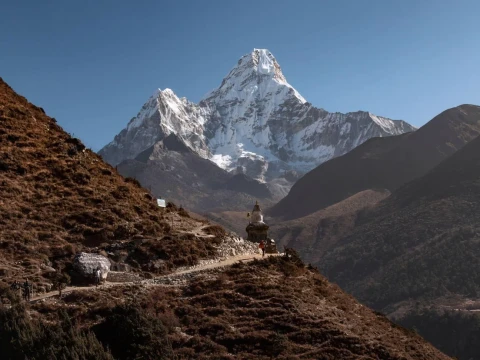
The Ama Dablam Base Camp Trek is one of the most scenic and culturally rich trekking experiences in the Everest region of Nepal. Organized professionally by Nepal Journey Travels, this journey takes trekkers deep into the Khumbu Valley, offering breathtaking views of Mount Everest, Lhotse, Nuptse, and the iconic pyramid-shaped Ama Dablam itself. Unlike the classic Everest Base Camp route, this trek provides a quieter, more immersive Himalayan experience with fewer crowds and more authentic Sherpa village encounters.The trek begins with a thrilling flight to Lukla, followed by a gradual ascent through Phakding, Namche Bazaar, and Pangboche, eventually reaching Ama Dablam Base Camp at around 4,600 meters. Each day introduces diverse landscapes—from lush rhododendron forests and suspension bridges to alpine terrain and glacial valleys. The highlight is standing at the base of Ama Dablam, often called the “Matterhorn of the Himalayas,” admired for its sharp ridges and dramatic beauty.With Nepal Journey Travels, trekkers are supported by experienced guides, proper acclimatization planning, and safety-focused itineraries. This ensures both adventure and comfort throughout the journey.Scenic Himalayan flight to LuklaSherpa culture and Buddhist monasteriesClose-up views of Ama Dablam peakModerate trekking with acclimatization stopsProfessionally guided experience by Nepal Journey TravelsBest Season for Ama Dablam Base Camp TrekThe best time to undertake the Ama Dablam Base Camp Trek is during spring (March to May) and autumn (September to November), when the Himalayan weather is most stable. During these seasons, trekkers enjoy crystal-clear mountain views, mild temperatures, and well-defined trekking trails. Spring brings blooming rhododendrons and lush greenery, while autumn offers crisp air and excellent visibility after the monsoon season.Winter trekking (December to February) is possible but challenging due to heavy snowfall and extremely cold temperatures at higher altitudes. Similarly, the monsoon season (June to August) brings rain, slippery trails, and limited mountain visibility, making trekking less favorable. However, Nepal Journey Travels can still organize customized off-season trips for experienced trekkers who prefer solitude and adventure.Choosing the right season significantly impacts safety, scenery, and overall trekking enjoyment. Proper planning with a trusted company like Nepal Journey Travels ensures you get updated weather forecasts, flexible itineraries, and expert guidance to maximize your trekking experience.Key Points:Best seasons: Spring & AutumnSpring: flowers, greenery, stable weatherAutumn: clear skies, best mountain viewsWinter: cold, snow-heavy, challengingMonsoon: wet, slippery, low visibilityAma Dablam Base Camp Trek Difficulty and TransportationThe Ama Dablam Base Camp Trek is considered moderate to moderately challenging, suitable for trekkers with reasonable fitness and some prior hiking experience. The trail involves long walking days (5–7 hours on average), gradual altitude gain, and rugged Himalayan terrain. While technical climbing is not required, altitude acclimatization is essential as the trek reaches above 4,600 meters.Transportation begins with a scenic and adventurous flight from Kathmandu to Lukla, one of the world’s most thrilling airports. From Lukla, all travel is on foot through mountain trails, suspension bridges, and Sherpa settlements. The return journey follows the same route back to Lukla, followed by a flight to Kathmandu. Nepal Journey Travels manages all logistics, including flights, permits, guides, and emergency support if needed.Altitude sickness is a potential risk, but the itinerary is designed with proper acclimatization days in Namche Bazaar and gradual elevation gain. Trekkers are advised to maintain a steady pace, stay hydrated, and follow the guide's instructions carefully.Key Points:Difficulty: Moderate to challengingDaily walking: 5–7 hours averageNo technical climbing requiredFlight: Kathmandu ↔ LuklaFoot trekking throughout the Khumbu regionAcclimatization is included for safetyFood and Accommodation for Ama Dablam Base Camp TrekAccommodation during the Ama Dablam Base Camp Trek consists mainly of comfortable teahouses and mountain lodges run by local Sherpa families. These lodges provide basic yet warm hospitality, with twin-sharing rooms, blankets, and shared bathroom facilities in most locations. In lower regions like Namche Bazaar, accommodations are more developed, while higher villages like Pangboche offer simpler but cozy stays.Meals are freshly prepared and include a mix of Nepali, Tibetan, and basic Western dishes. Common food options include dal bhat (rice and lentils), noodles, pasta, soups, potatoes, eggs, and tea/coffee. As altitude increases, food options become more limited due to transportation constraints, but meals remain nutritious and energy-rich for trekking needs. Nepal Journey Travels ensures hygienic food arrangements and selects reliable teahouses for safe lodging.Drinking water is available in lodges, though trekkers are advised to use purification tablets or boiled water. Hot showers and charging facilities are available in most stops for an additional cost.Key Points:Teahouse accommodation throughout trekTwin rooms with basic amenitiesTraditional Nepali and Western mealsHygienic food arranged by Nepal Journey TravelsLimited facilities at higher altitude villagesSafe drinking water with purification optionsAma Dablam Base Camp Trek PermitsTo trek in the Everest region and reach Ama Dablam Base Camp, several permits are required by the Nepal government. The main permits include the Sagarmatha National Park Entry Permit and the Khumbu Pasang Lhamu Rural Municipality Permit. These permits are mandatory for all trekkers and are checked at multiple entry points along the trail.The Sagarmatha National Park Permit helps support conservation efforts in the Everest region, while the Khumbu permit contributes to local community development. Nepal Journey Travels handles all permit arrangements on behalf of trekkers, ensuring a hassle-free experience without administrative stress.Trekkers are required to carry valid passports and passport-sized photos for permit processing. It is highly recommended to obtain all permits through a registered trekking agency like Nepal Journey Travels, as it ensures authenticity and compliance with local regulations.Key Points:Sagarmatha National Park Permit requiredKhumbu Rural Municipality Permit requiredPassport and photos neededChecked at multiple trekking pointsArranged by Nepal Journey TravelsMandatory for legal trekking accessWhy Choose Ama Dablam Base Camp Trek with Nepal Journey TravelsChoosing Nepal Journey Travels for the Ama Dablam Base Camp Trek ensures a safe, well-organized, and memorable Himalayan adventure. The company provides experienced trekking guides, personalized itineraries, and full logistical support from arrival in Kathmandu to departure. Their deep knowledge of the Everest region guarantees that trekkers experience both natural beauty and cultural richness in the best possible way.Safety is a top priority, with proper acclimatization schedules, emergency planning, and constant monitoring of trekkers’ health conditions. In addition, Nepal Journey Travels emphasizes responsible tourism by supporting local communities, promoting eco-friendly trekking practices, and ensuring fair wages for guides and porters.Beyond logistics, the company enhances the trekking experience with cultural insights, storytelling, and local interactions, making the journey more meaningful. Whether you are a first-time trekker or an experienced adventurer, their team ensures comfort, guidance, and confidence throughout the journey.Key Points:Experienced licensed guides and portersFully managed logistics and permitsStrong focus on safety and acclimatizationSupport for local communitiesEco-friendly and responsible tourismPersonalized trekking experience
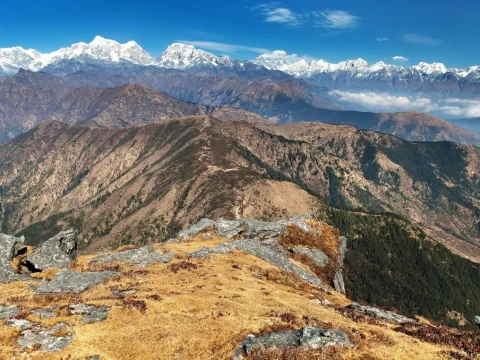
The Pikey Peak Trek is one of the most scenic and culturally rich short treks in the lower Everest region of Nepal, offering breathtaking Himalayan views without extreme altitude challenges. This itinerary takes you through peaceful Sherpa villages, rhododendron forests, ancient monasteries, and panoramic viewpoints, culminating at the famous Pikey Peak summit. From here, trekkers can witness an unforgettable sunrise over the Himalayan range, including views of Mount Everest, Makalu, Kanchenjunga, and Lhotse on clear days.This 11-day journey, organized by Nepal Journey Travels, starts in Kathmandu and gradually ascends through rural landscapes, allowing proper acclimatization. Key settlements like Dhap Bazaar, Jhapre, Junbesi, and Phaplu provide authentic cultural exposure to Sherpa and Tamang communities.Sunrise view from Pikey Peak summit (4,065m)Cultural immersion in traditional Sherpa villagesBuddhist monasteries like ThuptenchholingLess crowded alternative to the Everest Base Camp routeGradual altitude gain for safer trekkingThe trek is ideal for those seeking Himalayan beauty, cultural depth, and moderate adventure without extreme technical difficulty.Best Season for Pikey Peak TrekThe best time to experience the Pikey Peak Trek is during spring (March to May) and autumn (September to November). These seasons offer stable weather, clear skies, and excellent mountain visibility. Spring brings blooming rhododendrons that color the trails, while autumn offers crisp air and the clearest Himalayan panoramas.Winter trekking is also possible, especially for experienced trekkers, but temperatures at higher elevations like Pikey Peak can drop significantly, often below freezing. Monsoon season (June to August) is generally less recommended due to heavy rainfall, slippery trails, and obstructed mountain views.Seasonal Breakdown:Spring: Flowers, greenery, stable weatherAutumn: Best visibility, ideal trekking conditionsWinter: Cold but peaceful, fewer trekkersMonsoon: Rainy, limited visibility, leech-prone trailsWith Nepal Journey Travels, trekking schedules are carefully adjusted based on seasonal conditions to ensure safety and maximum scenic experience.Pikey Peak Trek Difficulty and TransportationThe Pikey Peak Trek is considered easy to moderate, making it suitable for beginners with reasonable fitness levels. The highest point is Pikey Peak (4,065m), but the gradual ascent helps minimize altitude sickness risk. Daily walking ranges from 4 to 7 hours across mixed terrain, including forest trails, stone steps, and gentle ridgelines.Transportation begins with a drive from Kathmandu to Dhap Bazaar, followed by trekking through remote mountain villages. The return journey from Phaplu back to Kathmandu is also by road, which may take 7–9 hours depending on conditions.Difficulty Features:Moderate trekking hours (4–7 hrs/day)Gradual altitude gain (safe acclimatization)No technical climbing requiredSome steep uphill and downhill sectionsTransportation Summary:Kathmandu → Dhap Bazaar (jeep/bus drive)Trekking route across mid-hill villagesPhaplu → Kathmandu (road transfer)Nepal Journey Travels ensures comfortable transport arrangements, experienced guides, and flexible pacing for all trekkers.Food and Accommodation for Pikey Peak TrekAccommodation along the Pikey Peak route is mainly in basic teahouses and local lodges. These provide simple but comfortable rooms with twin beds, blankets, and shared bathroom facilities. In remote villages such as Jhapre and Jasmane Bhanjyang, facilities are more rustic, but hospitality is warm and authentic.Meals are freshly prepared in teahouses and typically include Nepali, Tibetan, and basic Western dishes. The staple food is dal bhat (rice, lentil soup, vegetables), which provides excellent energy for trekking.Food Options:Dal Bhat (energy-rich local meal)Noodles, pasta, and fried riceTibetan bread, eggs, and soupsTea, coffee, and hot lemon drinksAccommodation Highlights:Family-run teahousesShared or private basic roomsCommunal dining areas with heaters (some lodges)Nepal Journey Travels ensures hygienic meal arrangements and selects the best available lodges to balance comfort and authentic local experience throughout the trek.Pikey Peak Trek PermitsTo undertake the Pikey Peak Trek, trekkers require specific permits issued by Nepalese authorities. Since the route passes through rural Himalayan regions, proper documentation is mandatory for conservation and safety purposes.The main required permits include the TIMS card (Trekkers’ Information Management System) and the Gaurishankar Conservation Area Permit (GCAP), as parts of the route fall under protected regions.Required Permits:TIMS Card (trekker registration)Gaurishankar Conservation Area Permit (GCAP)Local entry permits (if applicable)These permits are arranged in Kathmandu before departure by Nepal Journey Travels, ensuring a hassle-free trekking experience. Trekkers are advised to carry passport copies, passport-sized photos, and valid identification.Permit checkpoints may be found along the route, especially near entry points to conservation areas. Having proper permits ensures smooth travel and supports local conservation and community development projects.Why Choose Pikey Peak TrekThe Pikey Peak Trek is ideal for travelers who want an authentic Himalayan experience without the crowds of more commercial routes. It combines stunning mountain scenery, cultural richness, and manageable trekking difficulty, making it one of the best short treks in Nepal.One of the biggest attractions is the sunrise view from Pikey Peak, famously admired by mountaineer Sir Edmund Hillary as one of his favorite viewpoints of Everest. The trail also passes through culturally rich villages like Junbesi, offering deep insight into Sherpa traditions and Buddhist heritage.Top Reasons to Choose This Trek:Less crowded and peaceful trailsPanoramic Himalayan sunrise viewsRich Sherpa and Buddhist cultureSuitable for beginners and familiesAffordable and short trekking durationWith Nepal Journey Travels, trekkers benefit from experienced guides, personalized service, and well-organized logistics from arrival to departure. The combination of natural beauty and cultural immersion makes this trek a hidden gem in Nepal’s Everest region.
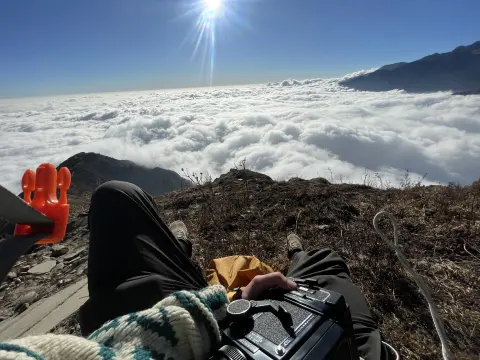
The Khopra Ridge Trek is a hidden gem trekking route in the Annapurna region of Nepal, offering a peaceful alternative to the more crowded trails like Annapurna Base Camp. Operated by Nepal Journey Travels, this itinerary combines cultural immersion, alpine landscapes, and breathtaking Himalayan panoramas, including views of Dhaulagiri, Annapurna South, Nilgiri, and Machhapuchhre.The journey begins in the vibrant capital city of Kathmandu, followed by a scenic drive to Pokhara, a lakeside gateway to the Annapurna region. From here, the trekking route passes through traditional villages such as Naya Pul, Tadapani, Bayeli Kharka, and finally reaches the stunning ridge of Khopra Danda.The highlight of this trek is the optional excursion to Khayer Lake, situated at over 4,600 meters, which is considered both spiritually significant and visually spectacular. The descent route continues through traditional villages like Swata Village and Ulleri.Remote and less crowded trekking trailPanoramic Himalayan mountain viewsSacred Khayer Lake explorationAuthentic village lifestyle experienceRich biodiversity and rhododendron forestsBest Season for Khopra Ridge TrekThe Khopra Ridge Trek is best enjoyed during the two major trekking seasons in Nepal: spring (March to May) and autumn (September to November). These months offer the most stable weather conditions, clear skies, and excellent mountain visibility, making the trekking experience both safe and visually rewarding.During spring, the trail around Tadapani and Bayeli Kharka is decorated with blooming rhododendrons, creating a colorful landscape. Wildlife activity is also more visible during this season. Autumn, on the other hand, offers crystal-clear mountain views, especially from Khopra Danda and the route toward Khayer Lake.Winter trekking (December to February) is possible but challenging due to heavy snowfall at higher altitudes like Khopra Ridge (3,660m) and Khayer Lake (4,600m). Monsoon season (June to August) is generally not recommended because of slippery trails, leeches, and landslides along lower sections such as Naya Pul and Ulleri.Best Season Summary:Spring: Flowers, greenery, wildlifeAutumn: Best visibility, stable weatherWinter: Cold, snow, limited accessMonsoon: Avoid due to heavy rainKhopra Ridge Trek Difficulty and TransportationThe Khopra Ridge Trek is considered a moderate trekking route, suitable for trekkers with basic fitness levels and some prior hiking experience. The trail involves long ascents, stone steps, and high-altitude walking, especially between Bayeli Kharka and Khopra Danda. The most demanding section is the optional hike from Khopra Ridge to Khayer Lake, which reaches 4,600 meters and requires good acclimatization.Altitude-related challenges such as mild headaches or fatigue may occur, especially above 3,500 meters. However, the gradual ascent route from Tadapani to higher elevations helps reduce risk when properly paced.Transportation is well-managed by Nepal Journey Travels, starting with a tourist bus from Kathmandu to Pokhara. From Pokhara, a private vehicle or jeep transfers trekkers to Naya Pul, the starting point of the trek. After completing the route via Ulleri, trekkers return to Pokhara and then to Kathmandu by bus.Difficulty Highlights:Moderate difficulty levelHigh-altitude hike to 4,600m (Khayer Lake)Stone staircases and steep ascentsRequires basic fitness and enduranceFood and Accommodation for Khopra Ridge TrekAccommodation during the Khopra Ridge Trek is primarily in locally run teahouses and mountain lodges, providing simple but warm hospitality. In lower regions like Ulleri and Swata Village, facilities are more developed, with private rooms and basic amenities. At higher altitudes such as Khopra Danda, accommodation becomes more basic due to remoteness.Meals are typically included in teahouses and consist of traditional Nepali dishes like dal bhat (rice and lentils), noodles, soups, potatoes, and seasonal vegetables. Along the trail between Bayeli Kharka and Khopra Ridge, food options become simpler due to limited supply access, but meals remain nutritious and energy-rich for trekking.Nepal Journey Travels ensures hygienic food arrangements and selects reliable teahouses for safety and comfort. Drinking water is available in most villages, though purification tablets or filters are recommended.Accommodation & Food Summary:Teahouse/lodge-based staysBasic rooms at higher altitudesTraditional Nepali meals (dal bhat staple)Limited menu at high elevationSafe but simple mountain hospitalityKhopra Ridge Trekking PermitsTo complete the Khopra Ridge Trek, trekkers require specific permits regulated by the Government of Nepal. The primary permits include the Annapurna Conservation Area Permit (ACAP) and the Trekkers’ Information Management System (TIMS) card. These permits help support conservation efforts and ensure trekker safety in the Annapurna region.The route passes through protected areas around Tadapani, Bayeli Kharka, and Khopra Danda, all of which fall under conservation regulations. These permits are usually arranged by trekking agencies such as Nepal Journey Travels, ensuring a hassle-free experience for travelers.No special restricted-area permit is required for this trek, making it more accessible compared to other remote Himalayan routes. However, trekkers must carry valid identification and permit copies at all times, as checkpoints may be present along the trail, especially near entry points like Naya Pul.Permit Summary:ACAP Permit requiredTIMS Card requiredNo restricted area permit neededIssued via trekking agency or tourism boardMandatory checkpoint verificationWhy Choose Khopra Ridge TrekThe Khopra Ridge Trek is an ideal choice for trekkers seeking a peaceful Himalayan experience away from commercial trekking routes. Unlike crowded trails, this route offers solitude, raw nature, and authentic village life across regions like Tadapani, Swata Village, and Ulleri.A major highlight is the panoramic viewpoint at Khopra Danda, where trekkers can witness sunrise and sunset over towering Himalayan peaks. The optional hike to Khayer Lake adds spiritual and adventurous value to the journey.With expert guidance from Nepal Journey Travels, trekkers receive safe logistics, experienced guides, and well-planned itineraries starting from Kathmandu to Pokhara and into the Annapurna foothills.Why Choose This Trek:Less crowded and peaceful trailStunning Himalayan viewpointsCultural village immersionSacred alpine lake experienceManaged by a professional trekking company
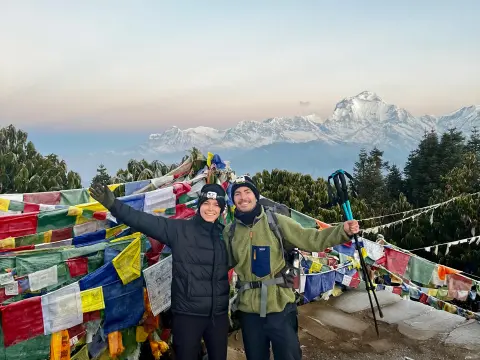
The Annapurna Sanctuary Trek, also known as the Annapurna Base Camp (ABC) Trek, is one of Nepal’s most iconic Himalayan journeys. Operated by Nepal Journey Travels, this 12-day itinerary takes trekkers from the bustling capital Kathmandu into the heart of the Annapurna Conservation Area, culminating at the breathtaking amphitheater of Annapurna Base Camp (4,130m). The trek combines diverse landscapes, cultural villages, rhododendron forests, and panoramic Himalayan views, including Annapurna I, Machhapuchhre (Fishtail), and Hiunchuli.The route gradually ascends through traditional Gurung villages such as Ghandruk and Chhomrong, before entering high alpine terrain. The journey is designed to balance adventure with acclimatization, ensuring trekkers experience both cultural richness and natural grandeur.Trek through Annapurna Conservation AreaReach Annapurna Base Camp (4,130m)Explore Gurung cultural villagesScenic Himalayan sunrise and glacier viewsGuided trek with Nepal Journey Travels supportBest Season for Annapurna Sanctuary TrekThe best time to undertake the Annapurna Sanctuary Trek is during spring (March–May) and autumn (September–November). These seasons offer stable weather conditions, clear skies, and excellent visibility of the Himalayan peaks. Spring is especially beautiful due to blooming rhododendron forests, while autumn provides crisp air and post-monsoon clarity.Winter (December–February) is also possible but involves colder temperatures and occasional snowfall at higher elevations like Deurali and ABC. The monsoon season (June–August) is generally avoided due to heavy rainfall, slippery trails, and limited mountain visibility.Season highlights:Spring: Flowers, moderate temperatures, clear morningsAutumn: Best visibility, stable weather, ideal trekking conditionsWinter: Quiet trails but cold and snowyMonsoon: Lush greenery but high landslide riskAnnapurna Sanctuary Trek Difficulty and TransportationThe Annapurna Sanctuary Trek is considered moderate difficulty, making it suitable for beginners with good fitness and experienced trekkers alike. Daily walking ranges from 5–7 hours with gradual altitude gain up to Annapurna Base Camp. The highest point of the trek is 4,130 meters, which requires proper acclimatization but is generally safe when paced correctly.Transportation arranged by Nepal Journey Travels includes a tourist bus from Kathmandu to Pokhara and back. From Pokhara, the journey continues by road to Nayapul, the trek starting point. After completing the trek, travelers return via Jhinu Danda to Pokhara and then drive back to Kathmandu.Difficulty & transport points:Moderate trekking with uphill and downhill sectionsMaximum altitude: 4,130m (ABC)Tourist bus: Kathmandu ↔ PokharaJeep/road transport: Pokhara ↔ NayapulDaily trekking: 5–7 hours averageFood and Accommodation for Annapurna Sanctuary TrekAccommodation along the Annapurna Sanctuary route is primarily in local teahouses and lodges operated by mountain communities. Rooms are simple but comfortable, usually offering twin beds, blankets, and shared bathrooms. In higher regions like Dovan and Deurali, facilities become more basic due to remoteness.Food is freshly prepared and includes a mix of Nepali and international dishes. The staple meal is dal bhat (rice, lentils, vegetables), which provides high energy for trekking. Other options include noodles, pasta, soups, eggs, pancakes, and tea/coffee.Accommodation & food highlights:Teahouse/lodge stays throughout the trekBasic but warm rooms with blanketsHygienic home-cooked mealsDal bhat for energy and refillsHot drinks available at every stopAnnapurna Sanctuary Trek PermitsTo enter the Annapurna region, trekkers must obtain two essential permits, which are arranged by Nepal Journey Travels before the trek begins:ACAP Permit (Annapurna Conservation Area Permit)TIMS Card (Trekkers’ Information Management System)These permits are required for conservation protection and trekker safety tracking. They are checked at various checkpoints along the route, especially before entering villages like Ghandruk and higher alpine zones near Annapurna Base Camp.Permit details:ACAP: Environmental conservation feeTIMS: Trekker registration and safety systemIssued in Kathmandu or PokharaMandatory for all foreign trekkersArranged by Nepal Journey TravelsWhy Choose Annapurna Sanctuary Trek (Nepal Journey Travels)Choosing the Annapurna Sanctuary Trek with Nepal Journey Travels ensures a well-organized, safe, and enriching Himalayan experience. The itinerary is carefully designed for gradual altitude gain, cultural immersion, and maximum scenic exposure. From lush valleys to glacier-filled amphitheaters, every day offers a new landscape.The trek is ideal for those who want a shorter Himalayan adventure compared to Everest region treks but still wish to experience world-class mountain scenery. The combination of professional guides, comfortable logistics, and local hospitality ensures a smooth journey from start to finish.Why choose this trek:Expert guidance from Nepal Journey TravelsBalanced itinerary with proper acclimatizationStunning views of Annapurna rangeCultural immersion in Gurung villagesSafe and well-managed logisticsSuitable for beginners and experienced trekkers
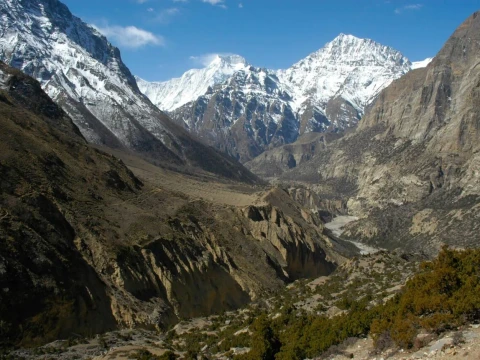
The Nar Phu Valley Trek is a remote and culturally rich journey located in the restricted northern part of the Annapurna region of Nepal. Operated by Nepal Journey Travels, this trek offers a rare combination of ancient Tibetan-influenced villages, dramatic Himalayan landscapes, and untouched wilderness. The route passes through isolated settlements such as Kathmandu, Besisahar, Koto, Meta, Phu Village, Dharmashala (Nar Phedi), Nar Village, and Ngawal, before crossing the iconic Kang La Pass and descending toward Pisang.This trek is often described as a hidden gem because it remained closed to outsiders until recently. The valleys of Nar and Phu preserve ancient Buddhist monasteries, centuries-old stone houses, and strong Tibetan cultural traditions. Trekkers experience deep gorges, high-altitude deserts, yak pastures, and breathtaking views of Annapurna II, Gangapurna, and Tilicho Peak.Remote and less crowded trekking routeAuthentic Tibetan-influenced cultureHigh Himalayan landscapes and glacier viewsCrossing the challenging Kang La Pass (5,320m approx.)Cultural exploration of Nar and Phu villagesOrganized support by Nepal Journey TravelsThis trek is ideal for adventurers seeking solitude, cultural depth, and raw Himalayan beauty rather than commercial trekking routes.Best Season for Nar Phu Valley TrekThe best seasons for the Nar Phu Valley Trek are spring (March to May) and autumn (September to November). During these periods, weather conditions are stable, skies are clear, and mountain visibility is at its best. Nepal Journey Travels strongly recommends these seasons for safety and scenic experience.In spring, the valleys bloom with rhododendrons and alpine flowers, creating a colorful contrast against snowy peaks. Temperatures are moderate, making long trekking days more comfortable. In autumn, post-monsoon clarity offers the sharpest mountain views, and the trails are dry and stable, especially important for high passes like Kang La Pass.Winter trekking is possible but extremely cold, especially in Phu and Nar villages, where temperatures drop significantly below freezing. Monsoon season (June to August) is generally not recommended due to landslides, slippery trails, and limited visibility.Seasonal breakdown:Spring (Mar–May): Flowers, moderate temperature, clear viewsAutumn (Sep–Nov): Best visibility, stable weather, peak seasonWinter (Dec–Feb): Very cold, fewer trekkers, challenging conditionsMonsoon (Jun–Aug): Not recommended due to risk and poor trailsChoosing the right season ensures a safer and more enjoyable Himalayan trekking experience.Nar Phu Valley Trek Difficulty and TransportationThe Nar Phu Valley Trek is considered a moderate to challenging trek, mainly due to high altitude, remote trails, and long walking days. The highlight, crossing Kang La Pass, requires strong physical fitness and prior trekking experience. The route gradually ascends from Besisahar to over 4,000 meters in villages like Nar Village and Phu Village, increasing the risk of altitude sickness if not properly acclimatized.Daily trekking durations usually range from 5 to 8 hours, with rugged terrain, steep climbs, and rocky paths. However, with proper guidance from Nepal Journey Travels, trekkers receive acclimatization support and safety monitoring.Transportation is a combination of road travel and trekking. A drive from Kathmandu to Besisahar is followed by a rough off-road journey to Koto. From there, the trekking route begins. Return transport is typically via Pisang and back to Kathmandu by vehicle.Difficulty factors:High altitude (up to 5,000m+ crossing)Remote and isolated terrainLong daily walking hoursLimited medical facilitiesWeather variability in high mountainsTransportation summary:Kathmandu → Besisahar (road drive)Besisahar → Koto (off-road jeep)Trekking route begins from KotoReturn via Pisang → road drive to KathmanduFood and Accommodation for Nar Phu Valley TrekFood and accommodation during the Nar Phu Valley Trek are simple but sufficient for trekkers. Nepal Journey Travels ensures clean teahouse stays and hygienic meals throughout the journey, even in remote areas like Meta and Dharmashala (Nar Phedi).Teahouses provide basic twin-sharing rooms with wooden beds, blankets, and shared bathrooms. As altitude increases toward Phu Village and Nar Village, facilities become more basic, but hospitality remains warm and welcoming.Food options mainly include Nepali and Tibetan-style meals. The most common dish is Dal Bhat (rice, lentils, vegetables), which provides high energy for trekking. Other available items include noodles, soups, potatoes, eggs, pancakes, and Tibetan bread.Typical food and lodging features:Basic teahouse accommodation in all stopsLimited but nutritious meal optionsHot drinks: tea, coffee, ginger, lemon, and honeyShared bathroom facilities in high regionsHygienic meals arranged by Nepal Journey TravelsRecommended trekking foods:Dal Bhat (energy-rich and unlimited refills)Garlic soup (helps with altitude acclimatization)Noodles and pastaBoiled potatoes and eggsHerbal tea and hot beveragesDespite basic infrastructure, the hospitality of local communities makes the experience authentic and memorable.Nar Phu Valley Trek PermitsSince the Nar Phu region is a restricted trekking area, special permits are required. Nepal Journey Travels handles all necessary paperwork and ensures smooth entry for trekkers without hassle.The required permits include the Restricted Area Permit (RAP), Annapurna Conservation Area Permit (ACAP), and TIMS card (depending on regulations). These permits are mandatory for entering villages such as Koto, Phu Village, and Nar Village.Trekkers must be part of a registered trekking agency and travel with at least one licensed guide. Independent trekking is not allowed in this region due to its restricted status.Required permits:Restricted Area Permit (Nar Phu region)Annapurna Conservation Area Permit (ACAP)Trekking agency registration support (provided by Nepal Journey Travels)Licensed guide mandatoryImportant notes:Passport copy and a visa are required for permit processingPermits are checked at multiple checkpointsCarry permits at all times during trekkingEntry and exit routes must be strictly followedProper permit management ensures legal, safe, and uninterrupted trekking in this protected Himalayan region.Why Choose Nar Phu Valley Trek with Nepal Journey TravelsChoosing the Nar Phu Valley Trek with Nepal Journey Travels ensures a professionally managed, safe, and culturally immersive experience. The company specializes in remote Himalayan expeditions and provides expert guides familiar with high-altitude conditions and local cultures.The journey from Kathmandu to remote settlements like Phu Village and Nar Village requires careful planning, and the company ensures every detail—from transport to accommodation—is handled efficiently.Trekkers benefit from personalized service, safety-first protocols, and cultural interpretation throughout the journey. The crossing of Kang La Pass becomes more manageable with experienced guidance.Reasons to choose Nepal Journey Travels:Experienced high-altitude trekking guidesComplete permit and logistics handlingSafe and well-planned itineraryCultural insight into Nar and Phu communitiesReliable emergency support systemComfortable teahouse arrangementsTrekking advantages:Hassle-free organizationLocal expertise and cultural knowledgeStrong focus on safety and acclimatizationAuthentic Himalayan experienceFlexible support for trekkersIn conclusion, the Nar Phu Valley Trek is a rare Himalayan adventure that combines isolation, culture, and natural beauty. With Nepal Journey Travels, trekkers receive a well-organized, safe, and unforgettable journey into one of Nepal’s most hidden valleys.