Quick Inquiry
+977-9761800324
Email
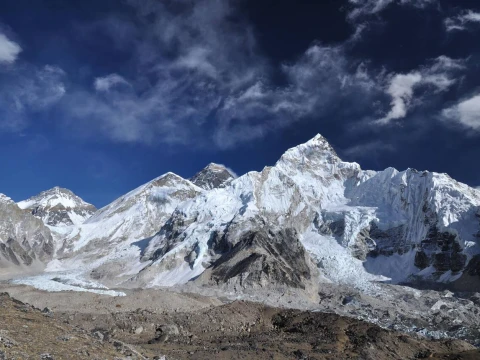
The Everest Base Camp Trek is one of the most iconic adventures in the world, leading trekkers into the heart of the Everest Base Camp at the foot of the mighty Mount Everest. This 15-day journey begins in Kathmandu and follows a scenic mountain flight to Lukla, the gateway to the Everest region. From there, the trail winds through picturesque Sherpa villages such as Namche Bazaar, Tengboche, and Dingboche before reaching the base of the world’s highest peak.The trek combines breathtaking Himalayan scenery, rich Sherpa culture, ancient monasteries, and thrilling high-altitude adventure. Highlights include acclimatization days in Namche and Dingboche, a visit to the famous Tengboche Monastery, and a sunrise hike to Kala Patthar for panoramic views of Everest and surrounding peaks. With Nepal Journey Travels, trekkers receive professional guidance, proper acclimatization planning, and a safe, well-organized itinerary.Scenic flight between Kathmandu and LuklaExploration of Sherpa culture and monasteriesTrekking inside Sagarmatha National ParkSunrise view from Kala PattharStanding at Everest Base CampBest Season for Everest Base Camp TrekThe best seasons for the Everest Base Camp Trek are spring (March to May) and autumn (September to November). During spring, rhododendron forests bloom beautifully, and the skies are generally clear, offering magnificent mountain views. The weather is stable, with moderate daytime temperatures and manageable cold at higher elevations.Autumn is equally popular because of its crystal-clear skies and excellent visibility. After the monsoon season, the air is fresh, and the mountain views are exceptionally sharp. Although winter (December to February) is colder and summer (June to August) brings monsoon rains, trekking is still possible with proper preparation. Nepal Journey Travels plans departures in optimal seasons for the best experience.Seasonal Benefits:Clear mountain viewsStable weather conditionsComfortable trekking temperaturesVibrant local festivals in autumnEverest Base Camp Trek Difficulty and TransportationThe Everest Base Camp Trek is considered moderately challenging. While no technical climbing skills are required, trekkers must be physically fit and prepared for long walking days at high altitude. Proper acclimatization is crucial to prevent altitude sickness. Daily walking hours range from 5 to 7 hours, with gradual elevation gain.Transportation includes an exciting 30–35 minute flight from Kathmandu to Lukla and back. The trekking route is entirely on foot, with porters assisting in carrying luggage. Nepal Journey Travels ensures safety through experienced guides, altitude management, and emergency support planning.Difficulty Factors:High altitude (5,364 m at Base Camp)Long trekking daysCold temperaturesBasic mountain facilitiesFood and Accommodation for Everest Base Camp TrekAccommodation during the trek is primarily in local teahouses. These lodges provide basic but comfortable twin-sharing rooms with shared bathrooms. In Kathmandu, trekkers stay in well-equipped tourist-standard hotels before and after the trek.Meals are served in teahouse dining halls and include a variety of options such as dal bhat (rice and lentils), noodles, soups, potatoes, eggs, and some Western dishes. Drinking water, tea, and coffee are available along the route. Nepal Journey Travels ensures hygienic meal planning and comfortable lodge arrangements.Facilities Include:Twin-sharing roomsWarm dining hallsLocal and international mealsCharging and Wi-Fi (limited at higher altitude)Everest Base Camp Trek PermitsTo trek in the Everest region, trekkers require specific permits. The main permits include the Sagarmatha National Park Entry Permit and the Khumbu Pasang Lhamu Rural Municipality Permit. These are mandatory and checked at various checkpoints along the trail.Nepal Journey Travels arranges all necessary permits before the trek begins, ensuring a hassle-free experience for clients. Trekkers only need to provide passport copies and passport-sized photos for documentation.Required Permits:Sagarmatha National Park Entry PermitKhumbu Rural Municipality PermitWhy Choose Everest Base Camp TrekThe Everest Base Camp Trek is more than a trek—it is a once-in-a-lifetime journey into the Himalayas. It offers unmatched mountain scenery, cultural immersion, and personal achievement. Standing at Everest Base Camp and witnessing Everest at sunrise from Kala Patthar creates unforgettable memories.Choosing Nepal Journey Travels ensures professional service, experienced guides, safety-first trekking practices, and personalized attention. The company focuses on responsible tourism, supporting local communities, and providing authentic Himalayan experiences.Why Trek with Nepal Journey Travels:Experienced local guidesCarefully designed acclimatization scheduleTransparent pricing24/7 supportCommitment to safety and sustainabilityThis unforgettable Himalayan adventure combines natural beauty, cultural richness, and personal accomplishment in one extraordinary journey.
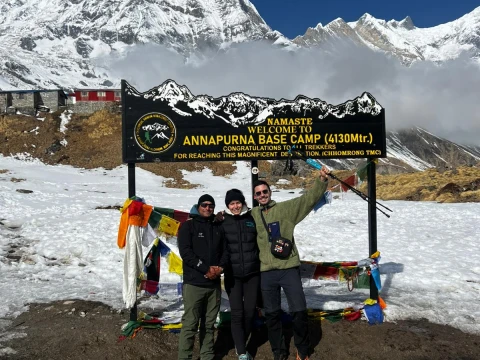
The Annapurna Base Camp (ABC) Trek is one of the most iconic trekking routes in Nepal, offering a perfect blend of natural beauty, cultural experiences, and adventure. The trek begins in the lush hills near Pokhara, gradually climbing through traditional Gurung villages, terraced farmlands, rhododendron forests, and river valleys. Trekkers are treated to mesmerizing views of the Annapurna and Machapuchare (Fishtail) ranges throughout the journey. The ultimate destination, Annapurna Base Camp, sits at an altitude of 4,130 meters (13,546 ft) and offers an unforgettable panoramic view of the surrounding Himalayan peaks.This trek is ideal for both beginners and experienced trekkers. It combines moderate trekking days with opportunities to experience local culture and hospitality. Along the way, you’ll visit charming villages such as Ghandruk and Chhomrong, where traditional stone houses, monasteries, and friendly locals provide a glimpse into the Nepali mountain lifestyle. Nepal Journey Travels ensures that every step of this trek is comfortable, with experienced guides, porters, and well-planned accommodations, making the adventure seamless and safe.Trek through diverse landscapes: forests, rivers, and terraced fieldsVisit traditional Gurung and Magar villagesSpectacular Himalayan mountain views, including Annapurna South, Hiunchuli, and MachapuchareReaching Annapurna Base Camp at 4,130mBest Season for Annapurna Base Camp TrekThe best times to undertake the Annapurna Base Camp Trek are during the pre-monsoon (March to May) and post-monsoon (September to November) seasons. These months offer clear skies, stable weather, and moderate temperatures, making trekking safer and more enjoyable. During spring, the forests come alive with rhododendron blooms, painting the landscape with vibrant colors, while autumn offers crisp air and breathtaking panoramic mountain views.Winter (December to February) is less crowded, but temperatures can drop below freezing, especially at higher elevations. Summer (June to August) coincides with the monsoon season, which brings heavy rainfall, slippery trails, and obstructed mountain views. Nepal Journey Travels advises trekkers to choose spring or autumn for optimal weather, safety, and photography opportunities.Season Summary:Spring (March–May): Blooming rhododendrons, moderate weatherAutumn (Sept–Nov): Clear skies, ideal trekking conditionsWinter (Dec–Feb): Cold, fewer crowds, possible snowMonsoon (June–Aug): Heavy rain, slippery trails, limited viewsAnnapurna Base Camp Trek Difficulty and TransportationThe ABC Trek is considered a moderate-level trek, suitable for trekkers with basic fitness and no prior high-altitude experience. Daily trekking ranges between 4–7 hours, with gradual elevation gain allowing for proper acclimatization. Some segments, such as the climb from Dovan to Deurali and then to ABC, are steeper and more challenging, requiring endurance and stamina. Proper preparation and pacing are crucial to prevent altitude sickness and fatigue.Transportation for this trek begins in Kathmandu, with options to drive or fly to Pokhara. Most itineraries, like the one organized by Nepal Journey Travels, include tourist bus transfers between Kathmandu and Pokhara, providing scenic views of Nepal’s countryside. From Pokhara, trekkers drive to Nayapul, the starting point of the trekking route. While trekking, walking remains the primary mode of transportation, supported by local guides and porters who carry luggage and supplies.Key Points:Moderate trekking difficultyAverage 4–7 hours of walking per dayGradual elevation gain with proper acclimatizationTransportation: Kathmandu ↔ Pokhara by tourist bus; Pokhara ↔ Nayapul by car; trekking on footFood and Accommodation for Annapurna Base Camp TrekDuring the trek, food and accommodation are primarily available in tea houses and lodges along the trail. These mountain lodges offer basic yet comfortable amenities, including clean rooms, bedding, and hot showers at higher altitudes. Meals are typically Nepali and Tibetan-inspired, such as dal bhat (lentil soup with rice), momo (dumplings), noodles, and soups. Trekkers can also enjoy tea, coffee, and snacks to maintain energy levels during long trekking days.While staying in tea houses, trekkers experience authentic local hospitality. At villages like Ghandruk and Chhomrong, lodges are run by families, providing insight into Nepali mountain life. Nepal Journey Travels ensures that accommodations are pre-arranged in clean, safe, and welcoming lodges to reduce any trekking stress. They also cater to dietary preferences and provide advice on maintaining hydration and nutrition at high altitudes.Summary of Food & Stay:Lodges/tea houses along the trailLocal and nutritious meals: dal bhat, noodles, momosBasic facilities with bedding and hot water (higher altitudes may have limited hot water)Warm hospitality and cultural experienceAnnapurna Base Camp Trek PermitsTrekking in the Annapurna region requires two main permits: the Annapurna Conservation Area Permit (ACAP) and the Trekkers’ Information Management System (TIMS) card. The ACAP ensures that trekkers contribute to environmental conservation and sustainable tourism in the region, while the TIMS card helps authorities track trekkers for safety purposes.Permits are mandatory for all visitors, and Nepal Journey Travels handles all arrangements in advance, saving trekkers the hassle of queuing or paperwork. Permit fees vary for nationals and foreign travelers, and they are valid for the duration of the trek. Carrying these permits at all times is required when trekking, as checkpoints frequently verify them.Permit Details:ACAP Permit: Conservation and entry fee to the Annapurna regionTIMS Card: Trekker registration for safety and trackingRequired for all trekkers and arranged by the trekking agencyWhy Choose Annapurna Base Camp Trek with Nepal Journey TravelsChoosing Nepal Journey Travels for the ABC Trek ensures a safe, comfortable, and culturally immersive experience. Their team of professional guides and porters is highly experienced in Himalayan trekking, providing crucial support in navigation, acclimatization, and emergency management. The company emphasizes sustainable tourism, ensuring that your trek benefits local communities while minimizing environmental impact.From planning and obtaining permits to arranging lodges, meals, and transportation, Nepal Journey Travels handles all logistics, allowing trekkers to focus on the journey itself. Their attention to safety, hospitality, and personalized service makes the Annapurna Base Camp Trek not just a hike, but a lifetime adventure. With breathtaking mountain views, charming villages, and cultural insights at every step, this trek promises memories that last forever.Why Choose Nepal Journey Travels:Expert guides and a reliable support teamPre-arranged permits and accommodationsFocus on safety, comfort, and cultural experienceEnvironmentally responsible and community-supportive trekking
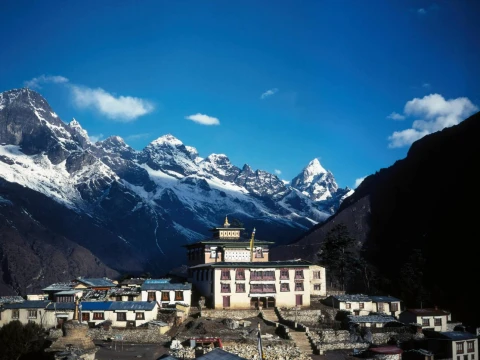
The Everest Short Trek, organized by Nepal Journey Travels, is a carefully designed Himalayan adventure that offers a condensed yet powerful experience of the Everest region. This trek follows the classic route into the Khumbu Valley, allowing trekkers to witness the world’s highest peaks, traditional Sherpa villages, monasteries, and dramatic alpine landscapes within a short time frame of 9 days. It is ideal for travelers who want the Everest experience without committing to the longer Everest Base Camp trek.The journey begins in Kathmandu, followed by a scenic mountain flight to Lukla Airport—one of the most thrilling airstrips in the world. From there, the trail passes through iconic settlements like Phakding, Namche Bazaar, and Tengboche Monastery, offering a rich blend of culture, spirituality, and mountain scenery. The return journey follows the same route, allowing trekkers to absorb the landscape from a different perspective.Short yet immersive Everest region experienceScenic flight over Himalayan landscapesVisit to Sherpa villages and monasteriesStunning views of Everest and the surrounding peaksManaged by experienced guides from Nepal Journey TravelsBest Season for Everest Short TrekThe best time to undertake the Everest Short Trek with Nepal Journey Travels is during the spring (March to May) and autumn (September to November) seasons. These periods offer the most stable weather conditions, clear skies, and excellent mountain visibility, making them ideal for trekking and photography. During spring, rhododendrons bloom along the trail, adding vibrant colors to the Himalayan scenery.Autumn is equally popular due to post-monsoon clarity, fresh air, and cultural festivals in Nepal. Winter trekking is possible but colder, especially at higher altitudes like Namche Bazaar and Tengboche. The monsoon season (June to August) is generally avoided due to heavy rainfall, slippery trails, and flight disruptions to Lukla.Seasonal summary:Spring (Mar–May): Best for flowers & clear viewsAutumn (Sep–Nov): Best overall weather & visibilityWinter (Dec–Feb): Cold but less crowdedMonsoon (Jun–Aug): Not recommendedEverest Short Trek Difficulty and TransportationThe Everest Short Trek is considered a moderate-level trek, suitable for beginners with reasonable fitness and first-time Himalayan trekkers. While the trek does not require technical climbing skills, the altitude gain and long walking hours (5–6 hours daily on average) demand good stamina and proper acclimatization.Transportation is a key part of the adventure. The journey includes a scenic flight from Kathmandu to Lukla Airport, followed by trekking through remote mountain trails. The return flight from Lukla to Kathmandu completes the loop. Weather conditions can sometimes affect flight schedules, so flexibility is important.Difficulty & transport highlights:Moderate difficulty levelDaily trekking: 3–6 hoursHighest point: Tengboche (~3,860m)Scenic mountain flight includedPossible weather-related flight delaysFood and Accommodation for Everest Short TrekDuring the Everest Short Trek organized by Nepal Journey Travels, accommodation is provided in comfortable teahouses along the trail. These are basic mountain lodges run by local Sherpa families, offering twin-sharing rooms with warm hospitality. While facilities are simple, they provide essential comfort, warmth, and a cultural experience that enhances the trekking journey.Meals are served in teahouses and typically include a mix of Nepali and international dishes. The most common meal is Dal Bhat (rice, lentils, and vegetables), which provides excellent energy for trekking. Other options include noodles, soups, pasta, pancakes, and tea/coffee. As altitude increases, menu variety becomes more limited due to transportation constraints.Food & accommodation points:Teahouse lodging throughout the trekTwin-sharing basic roomsFreshly cooked local and international mealsHot drinks available at most stopsSimple but culturally rich hospitalityEverest Short Trek PermitsTo complete the Everest Short Trek, certain permits are required and are fully arranged by Nepal Journey Travels for convenience. The main permits include the Sagarmatha National Park Permit and the Khumbu Pasang Lhamu Rural Municipality Permit. These ensure legal access to the protected Everest region and support conservation and local communities.Trekkers must carry valid identification, such as a passport, and passport-sized photos may also be required. These permits are checked at various entry points, including checkpoints near Monjo and Namche Bazaar. Proper documentation ensures a smooth trekking experience without interruptions.Permit requirements:Sagarmatha National Park Entry PermitKhumbu Pasang Lhamu Rural Municipality PermitValid passport requiredManaged fully by Nepal Journey TravelsChecked at multiple trekking checkpointsWhy Choose Everest Short Trek (Nepal Journey Travels)Choosing Nepal Journey Travels for the Everest Short Trek ensures a safe, well-organized, and enriching Himalayan experience. The company provides experienced local guides, carefully planned itineraries, and full logistical support, allowing trekkers to focus entirely on the journey and scenery. Their expertise in high-altitude trekking ensures proper acclimatization and safety management.This trek is ideal for travelers with limited time who still want to experience the magic of the Everest region. From cultural immersion in Sherpa villages to breathtaking Himalayan views, every day offers something unique. Nepal Journey Travels also emphasizes responsible tourism, supporting local communities, and minimizing environmental impact.Why choose this trek:Experienced local trekking guidesSafe and well-managed itineraryIdeal short Everest experienceCultural and scenic immersionResponsible and eco-friendly tourism approach
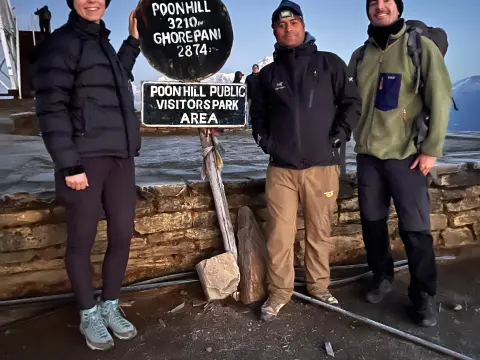
The Ghorepani Poon Hill Trek is one of the most popular short trekking adventures in Nepal, designed for travelers who want a Himalayan experience without going into extreme altitude or long expedition-style trekking. Managed by Nepal Journey Travels, this trek combines scenic mountain views, traditional villages, and cultural encounters in a relatively moderate itinerary. The journey starts from Kathmandu, continues to Pokhara, and gradually ascends through charming settlements like Nayapul, Tikhedhunga, and Ulleri, before reaching Ghorepani and the famous viewpoint of Poon Hill.This trek is especially famous for its sunrise view over the Annapurna and Dhaulagiri ranges. Trekkers also pass through lush rhododendron forests, stone staircases, and traditional Gurung and Magar villages, offering a deep cultural immersion alongside natural beauty.Stunning sunrise from Poon Hill viewpointCultural experience in Gurung & Magar villagesModerate trekking suitable for beginnersScenic drives between Kathmandu and PokharaManaged support by Nepal Journey TravelsBest Season for Ghorepani Poon Hill TrekThe best time to complete the Ghorepani Poon Hill Trek is during spring (March–May) and autumn (September–November). These seasons provide the clearest skies, stable weather conditions, and the best mountain visibility. Spring is particularly beautiful due to blooming rhododendron forests, which paint the trails in red, pink, and white colors, especially around Ghorepani and Ulleri.Autumn, on the other hand, offers crisp air, fresh post-monsoon landscapes, and outstanding visibility of peaks like Annapurna South, Dhaulagiri, and Machhapuchhre. Winter trekking is possible but colder at higher altitudes, while the monsoon season (June–August) brings heavy rainfall, slippery trails, and limited visibility.Season Breakdown:Spring (Mar–May): Flowers, clear views, pleasant weatherAutumn (Sep–Nov): Best visibility, stable trekking conditionsWinter (Dec–Feb): Cold but fewer crowdsMonsoon (Jun–Aug): Rainy, slippery, limited mountain viewsWhy season matters:Ensures safe trekking conditionsEnhances photography experienceImproves mountain visibilityProvides comfortable walking temperaturesGhorepani Poon Hill Trek Difficulty and TransportationThe Ghorepani Poon Hill Trek is considered a moderate-level trek, suitable for beginners with basic fitness. While it does not require technical climbing skills, trekkers must be prepared for long uphill stone staircases, especially from Tikhedhunga to Ulleri. The altitude gain is gradual, making it a safe acclimatization route compared to higher Himalayan treks.Transportation is a combination of private or tourist vehicle drives and trekking. The journey begins with a drive from Kathmandu to Pokhara, followed by another drive to Nayapul, the trekking starting point. After completing the trek, the return route follows the same system back to Pokhara and Kathmandu, arranged by Nepal Journey Travels for convenience and safety.Difficulty factors:Continuous uphill stone steps (Ulleri climb)5–7 hours walking per dayWeather variation at different altitudesNo technical climbing requiredTransport summary:Kathmandu ↔ Pokhara: 6–8 hours drivePokhara ↔ Nayapul: 1–2 hours driveTrekking sections: 4–7 hours daily walkingFood and Accommodation for Ghorepani Poon Hill TrekFood and accommodation along the Ghorepani Poon Hill Trek are comfortable and well-developed due to its popularity. Tea houses and lodges are available in every major stop, including Tikhedhunga, Ulleri, Ghorepani, and Ghandruk. Managed by Nepal Journey Travels, trekkers are provided with safe lodging arrangements and hygienic meals throughout the journey.Meals are typically simple but nutritious, offering a mix of Nepali and international cuisine. The most common dish is Dal Bhat (rice, lentil soup, and vegetables), which provides energy for trekking. Other options include noodles, pasta, fried rice, soups, pancakes, and eggs. Accommodation is mostly twin-sharing rooms with basic bedding facilities.Food options:Dal Bhat (local staple meal)Noodles, pasta, fried riceEggs, bread, pancakesHot tea, coffee, and soupsAccommodation features:Basic tea houses and mountain lodgesTwin-sharing roomsShared bathrooms in higher regionsWarm dining hallsGhorepani Poon Hill Trek PermitsTo complete the Ghorepani Poon Hill Trek, trekkers need specific permits regulated by the Nepal government. These permits are mandatory for conservation and safety purposes, and they are arranged easily by Nepal Journey Travels, ensuring a hassle-free experience.The two main permits required are the Annapurna Conservation Area Permit (ACAP) and the Trekkers’ Information Management System (TIMS) card. These permits help track trekkers and contribute to conservation efforts in the Annapurna region.Required permits:Annapurna Conservation Area Permit (ACAP)Trekkers’ Information Management System (TIMS) cardImportant notes:Permits checked at multiple checkpointsPassport copies required for processingFees contribute to local conservation and developmentArranged before starting the trekWhy Choose Ghorepani Poon Hill TrekThe Ghorepani Poon Hill Trek is ideal for travelers who want a short yet rewarding Himalayan experience. It offers spectacular sunrise views, cultural richness, and easy accessibility from major cities like Kathmandu and Pokhara. With Nepal Journey Travels, trekkers receive organized logistics, experienced guides, and comfortable arrangements throughout the journey.This trek is especially popular among families, first-time trekkers, and photographers because it delivers high scenic value in a short duration. The combination of forest trails, mountain panoramas, and traditional villages makes it one of Nepal’s most balanced trekking routes.Reasons to choose this trek:Perfect for beginners and familiesIconic sunrise from Poon Hill viewpointRich Gurung and Magar cultural experienceShort duration (7–8 days total)Easy access from Kathmandu and PokharaFully managed by Nepal Journey Travels
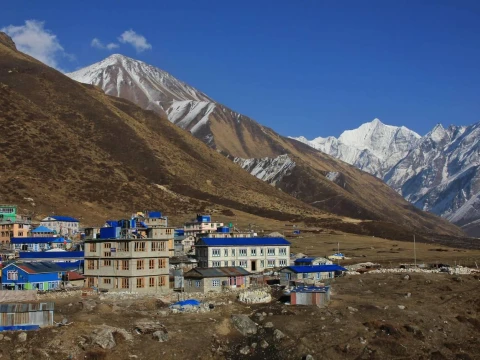
The Langtang Valley Trek is one of Nepal’s most scenic and culturally rich trekking experiences, located just north of Kathmandu within the Langtang National Park. Organised by Nepal Journey Travels, this journey takes you from lush green forests and traditional Tamang villages to high alpine landscapes surrounded by snow-capped Himalayan peaks. The trek follows your 10-day itinerary, gradually ascending from Syabrubesi (1,550m) to the breathtaking viewpoint of Tserko Ri (5,000m), offering a perfect balance of nature, culture, and adventure.Throughout the trek, you walk through rhododendron forests, glacial rivers, and yak pastures while experiencing the warm hospitality of local Tamang communities. The trail to Langtang Village and Kyanjin Gompa showcases the region’s resilience and cultural heritage, especially after the 2015 earthquake reconstruction. The highlight is the climb to Tserko Ri, which provides panoramic views of Langtang Lirung, Dorje Lakpa, and the surrounding Himalayan ranges.Scenic drive from Kathmandu to SyabrubesiTrek through Langtang National ParkCultural experience in the Tamang villagesKyanjin Gompa monastery visitSunrise view from Tserko Ri (5,000m)Best Season for Langtang Valley TrekThe best time to undertake the Langtang Valley Trek with Nepal Journey Travels is during spring (March to May) and autumn (September to November). These seasons provide stable weather, clear mountain views, and comfortable trekking conditions. Spring brings blooming rhododendrons and lush greenery, while autumn offers crystal-clear skies after the monsoon season.Winter (December to February) is also possible for experienced trekkers, but temperatures can drop significantly, especially above 3,000 meters. Snow may block trails near Kyanjin Gompa and Tserko Ri. Monsoon season (June to August) is less recommended due to heavy rainfall, landslides, and slippery trails, although the valley becomes very green and less crowded.Choosing the right season ensures safety, better visibility, and a more enjoyable trekking experience.Season summary:Spring: Best flowers and moderate weatherAutumn: Best visibility and stable climateWinter: Cold but fewer crowdsMonsoon: Green landscapes but risky trailsLangtang Valley Trek Difficulty and TransportationThe Langtang Valley Trek is considered a moderate-level trek, suitable for beginners with good fitness and experienced trekkers alike. The daily walking hours range from 3 to 8–9 hours, especially on the challenging hike to Tserko Ri. The altitude gain is gradual but still requires proper acclimatisation, particularly after Langtang Village.The trek includes a long jeep or bus ride from Kathmandu to Syabrubesi, which takes around 7–9 hours depending on road conditions. The route is bumpy and mountainous but offers scenic views of rivers and hills. During the trek, transportation is entirely on foot until the return drive from Syabrubesi back to Kathmandu.Difficulty & transport points:Moderate trekking level5–9 hours walking per dayHighest point: 5,000m (Tserko Ri)Road journey: Kathmandu–Syabrubesi–KathmanduNo flights requiredProper pacing and hydration are essential for a safe experience.Food and Accommodation for Langtang Valley TrekDuring the Langtang Valley Trek organised by Nepal Journey Travels, accommodation is provided in local teahouses along the route. These are simple but comfortable lodges run by local families. Rooms are usually twin-sharing with basic bedding. As altitude increases, facilities become more basic, especially in Langtang Village and Kyanjin Gompa.Food is freshly prepared and typically includes a mix of Nepali and international dishes. The most common meal is dal bhat (rice, lentils, vegetables), which provides excellent energy for trekking. Other options include noodles, pasta, soups, pancakes, eggs, and Tibetan bread. In higher regions, menu variety decreases due to transportation limitations.Accommodation & food highlights:Teahouse/lodge accommodation throughout the trekTwin-sharing basic roomsFresh local meals (dal bhat, noodles, soups)Limited menu at higher altitudeHot drinks like tea, coffee, and ginger lemon availableHygiene is generally good, but trekkers should carry personal essentials like snacks and water purification tablets.Langtang Valley Trek PermitsTo complete the Langtang Valley Trek with Nepal Journey Travels, two main permits are required. These are mandatory as the route passes through protected areas and conservation zones. Our company arranges all necessary permits for a smooth trekking experience.The first is the Langtang National Park Entry Permit, which supports conservation and wildlife protection in the region. The second is the TIMS (Trekkers’ Information Management System) Card, which ensures trekker safety and monitoring along the route.Permit requirements:Langtang National Park Entry PermitTIMS Card (Trekkers’ Information Management System)Passport copy and passport-sized photosManaged by Nepal Journey Travels for convenienceThese permits are checked at entry points such as Dhunche and along the trekking trail. Without them, entry into the region is not allowed, so proper preparation is essential.Why Choose Langtang Valley Trek (Nepal Journey Travels)The Langtang Valley Trek is ideal for trekkers who want a Himalayan experience without extreme remoteness or long travel distances. With Nepal Journey Travels, the journey is well-organised, safe, and culturally immersive. The trek combines natural beauty, accessibility from Kathmandu, and rich Tamang heritage, making it one of Nepal’s most rewarding short treks.Unlike more crowded routes like Everest or Annapurna, Langtang offers a quieter and more authentic experience. You can interact closely with local communities, enjoy peaceful trails, and still witness stunning Himalayan panoramas from Tserko Ri and Kyanjin Gompa.Why choose this trek:Close to Kathmandu (easy access)Less crowded trekking routeRich Tamang culture and traditionsStunning Himalayan viewpointsSuitable for moderate trekkersOrganised support by Nepal Journey TravelsThis trek is perfect for those seeking adventure, culture, and natural beauty in a compact itinerary.
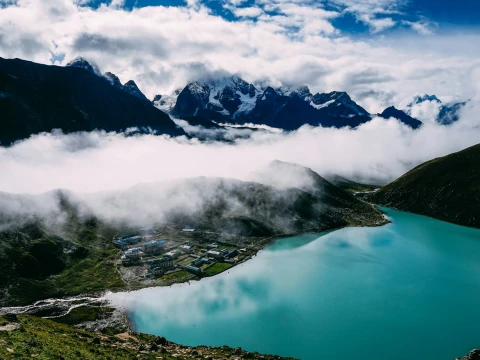
The Gokyo Lake Trek is one of the most breathtaking trekking routes in the Everest region of Nepal, offering a quieter and more scenic alternative to the classic Everest Base Camp trail. This journey takes you through beautiful valleys, traditional Sherpa settlements, alpine forests, and high-altitude glacial landscapes, leading to the stunning turquoise waters of the sacred Gokyo Lakes and the panoramic viewpoint of Gokyo Ri (5,357 m). Operated by Nepal Journey Travels, this itinerary is carefully designed to balance adventure, acclimatisation, and cultural immersion.The trek begins with a scenic flight from Kathmandu to Lukla, followed by gradual ascents through famous villages like Phakding, Namche Bazaar, Dole, and Machhermo before reaching Gokyo. The highlight of the trek is the series of six high-altitude lakes, considered sacred by both Hindus and Buddhists. The reflection of snow-capped peaks such as Cho Oyu and Everest in these lakes creates one of the most iconic Himalayan landscapes.This route is less crowded than other Everest treks, making it ideal for trekkers seeking peace, photography opportunities, and raw Himalayan beauty. It is also physically rewarding, offering incredible viewpoints without requiring technical climbing skills.Scenic alternative to Everest Base Camp routeHighlights: Gokyo Lakes & Gokyo Ri viewpointCultural Sherpa villages and monasteriesOperated by Nepal Journey TravelsLess crowded and highly scenic routeBest Season for Gokyo Lake TrekThe best time to undertake the Gokyo Lake Trek is during spring (March to May) and autumn (September to November), when the weather is stable, and the mountain views are at their clearest. During these seasons, trekkers can enjoy comfortable temperatures, vibrant landscapes, and excellent visibility of Himalayan peaks like Everest, Lhotse, and Cho Oyu.In spring, the trail is decorated with blooming rhododendrons and lush greenery, making the journey visually rich and refreshing. Autumn, on the other hand, offers crystal-clear skies after the monsoon, making it the most popular trekking season in Nepal. Winter trekking is possible but extremely cold, especially above 4,000 meters, while the monsoon season brings heavy rain and flight disruptions.Nepal Journey Travels recommends autumn as the most reliable season for first-time trekkers due to stable weather conditions and safer trail access. However, experienced trekkers may also enjoy the solitude of winter trekking with proper gear and preparation.Key points:Best seasons: Spring (Mar–May) & Autumn (Sep–Nov)Spring offers flowers and greeneryAutumn provides best visibility and stable weatherWinter = cold but less crowdedMonsoon = not recommended due to rain and flight delaysGokyo Lake Trek Difficulty and TransportationThe Gokyo Lake Trek is considered moderate to moderately challenging, mainly due to high altitude rather than technical difficulty. The itinerary includes gradual ascents through Namche Bazaar (3,440 m), Dole (4,040 m), Machhermo (4,470 m), and finally Gokyo (4,800 m), with a side hike to Gokyo Ri (5,357 m). Proper acclimatisation days are included in Namche Bazaar to reduce the risk of altitude sickness.Trekkers do not need mountaineering skills, but a good level of fitness is essential. Daily walking ranges from 5 to 7 hours on average, often on rocky and uphill terrain. The descent back follows the same route, making the return journey physically demanding on the knees and stamina.Transportation begins with a domestic flight from Kathmandu to Lukla, one of the world’s most thrilling mountain airports. From Lukla, all travel is on foot with the support of experienced guides and porters arranged by Nepal Journey Travels.Key points:Difficulty level: Moderate to challengingMaximum altitude: 5,357 m (Gokyo Ri)Daily trekking: 5–7 hours averageFlight: Kathmandu → LuklaNo technical climbing requiredFitness and acclimatization essentialFood and Accommodation for Gokyo Lake TrekAccommodation during the Gokyo Lake Trek is mainly in local teahouses, which are small mountain lodges run by Sherpa families. These provide basic but comfortable facilities, including beds, blankets, and shared bathrooms in lower regions. As altitude increases, facilities become more basic, especially in places like Dole and Machhermo, but hospitality remains warm and welcoming.Food options are surprisingly diverse given the remote environment. Trekkers can enjoy traditional Nepali meals such as dal bhat (rice, lentils, vegetables), as well as pasta, noodles, soups, pancakes, eggs, and Tibetan bread. At higher elevations, menu options may become limited due to transportation difficulty, but meals remain freshly prepared and energy-rich.Nepal Journey Travels ensures that clients receive hygienic meals and safe accommodation by selecting reliable teahouses along the route. Clean drinking water (boiled or filtered) is also available at most stops.Key points:Accommodation: Teahouses/lodges along the routeBasic facilities with warm hospitalityFood: Nepali, Tibetan, and simple international dishesMeals become limited at higher altitudesSafe and hygienic arrangements by Nepal Journey TravelsHot drinks like tea and soup are widely availableGokyo Lake Trek PermitsTo complete the Gokyo Lake Trek, trekkers must obtain specific permits required by the Nepal government and local authorities. The main permits include the Sagarmatha National Park Entry Permit and the Khumbu Pasang Lhamu Rural Municipality Permit. These permits help support conservation efforts and local community development in the Everest region.The Sagarmatha National Park Permit is required as the trek passes through protected areas rich in biodiversity and home to rare wildlife such as musk deer and Himalayan tahr. The local permit is used to support infrastructure and tourism management in the Khumbu region.Nepal Journey Travels handles all permit arrangements for trekkers, ensuring a hassle-free experience from arrival in Kathmandu. Travellers only need to provide passport copies and passport-sized photos, while the company manages all official processing.Key points:Sagarmatha National Park Permit requiredKhumbu Pasang Lhamu Rural Municipality Permit requiredProtects the environment and supports local communitiesArranged fully by Nepal Journey TravelsPassport and photo required for processingEssential for legal trekking in Everest regionWhy Choose Gokyo Lake TrekThe Gokyo Lake Trek is an excellent choice for trekkers who want a quieter, more scenic, and less commercialised Himalayan experience compared to the Everest Base Camp route. One of its biggest highlights is the stunning view from Gokyo Ri (5,357 m), which offers one of the best panoramic views of Everest, Cho Oyu, Lhotse, and Makalu in the entire region.Unlike busier trekking routes, Gokyo provides peaceful trails, pristine lakes, and fewer crowds, allowing for a more intimate connection with nature. The turquoise Gokyo Lakes are also considered sacred, adding cultural and spiritual significance to the journey.With Nepal Journey Travels, trekkers benefit from experienced guides, well-planned itineraries, safety-focused acclimatisation schedules, and personalised support throughout the trek. The company ensures a smooth experience from arrival in Kathmandu to return from Lukla.Key points:Less crowded than the Everest Base Camp routeSpectacular view from the Gokyo Ri viewpointSacred glacial lakes and a peaceful environmentRich Sherpa culture and hospitalitySafe and organised trek by Nepal Journey TravelsIdeal for photography and nature lovers
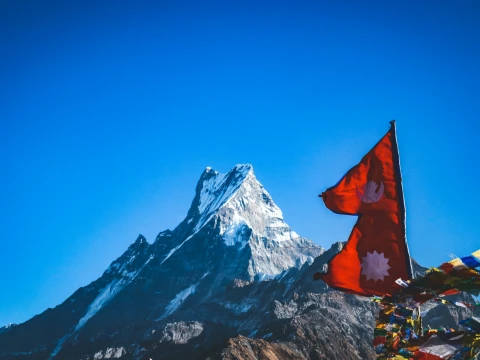
The Mardi Himal Trek is a relatively new and increasingly popular trekking route in the Annapurna region of Nepal, offering a peaceful alternative to the busier trails like Annapurna Base Camp. Operated by Nepal Journey Travels, this trek combines stunning Himalayan scenery, cultural encounters, and a moderate trekking challenge within a short duration of 7–8 days. The trail gradually ascends through lush rhododendron forests, traditional Gurung villages, and high alpine landscapes before reaching the breathtaking Mardi Himal Base Camp viewpoint at around 4,500 meters.This trek is ideal for trekkers seeking a quieter Himalayan experience without extreme altitude commitment. The route passes through charming stops such as Australian Camp, Forest Camp, Low Camp, High Camp, and finally the viewpoint. Each stage reveals different ecological zones, making the journey visually diverse and rewarding.Key Highlights:Stunning views of Machhapuchhre (Fishtail), Annapurna South, and HiunchuliLess crowded trekking route in Annapurna regionGradual altitude gain with scenic forest trailsAuthentic village and cultural experienceOperated safely with expert guides from Nepal Journey TravelsBest Season for Mardi Himal TrekThe best seasons for the Mardi Himal Trek are spring (March–May) and autumn (September–November). During these months, the weather remains stable, skies are clear, and mountain views are at their best. Spring offers blooming rhododendron forests, while autumn provides crystal-clear visibility after the monsoon rains wash away dust and haze.Winter trekking is also possible but comes with colder temperatures and occasional snowfall at higher elevations. Monsoon (June–August) is less recommended due to slippery trails, leeches in lower forests, and limited visibility.Seasonal Breakdown:Spring (Mar–May): Best flowers, moderate temperature, clear viewsAutumn (Sep–Nov): Best visibility, stable weather, peak trekking seasonWinter (Dec–Feb): Cold but peaceful, snow at high campMonsoon (Jun–Aug): Rainy, slippery, not idealNepal Journey Travels recommends spring and autumn for the safest and most scenic trekking experience.Mardi Himal Trek Difficulty and TransportationThe Mardi Himal Trek is considered a moderate-level trek, suitable for beginners with basic fitness as well as experienced hikers. The daily walking duration ranges between 4–6 hours with gradual altitude gain, which reduces the risk of acute mountain sickness compared to higher-altitude expeditions.Transportation is straightforward and well-organized by Nepal Journey Travels. The journey begins with a drive from Kathmandu to Pokhara, followed by a scenic drive to Kande, the trek starting point. After completing the trek, travelers return by road back to Pokhara and Kathmandu.Difficulty Factors:Moderate uphill climbs and stone stepsCold temperatures at High CampSome steep forest ascents and descentsNo technical climbing requiredTransportation Summary:Kathmandu → Pokhara (tourist bus/private vehicle)Pokhara → Kande (jeep/vehicle)Sidding → Pokhara (jeep transfer)Pokhara → Kathmandu return driveFood and Accommodation for Mardi Himal TrekDuring the Mardi Himal Trek, accommodation is provided in simple but comfortable tea houses run by local families. These lodges offer basic twin-sharing rooms with warm blankets. Facilities become more basic as altitude increases, especially at High Camp.Meals are freshly prepared and include a mix of Nepali, Asian, and Western dishes. The most common meal is Dal Bhat, which provides excellent energy for trekking days. Other options include noodles, pasta, pancakes, soups, and eggs.Nepal Journey Travels ensures hygienic food choices and safe lodging arrangements throughout the trek.Accommodation Features:Tea house lodges along the routeBasic but cozy rooms with shared bathroomsLimited facilities at higher altitude campsFood Options:Dal Bhat (rice, lentils, vegetables)Pasta, noodles, fried riceEggs, toast, porridgeHot tea, coffee, soupsMardi Himal Trek PermitsTo complete the Mardi Himal Trek, trekkers require official permits issued by the Nepal government. Nepal Journey Travels handles all necessary paperwork before the trek begins, ensuring a hassle-free experience for travelers.Two main permits are required for this route:Required Permits:Annapurna Conservation Area Permit (ACAP)Trekkers’ Information Management System (TIMS) CardThese permits help regulate tourism, ensure safety, and support conservation efforts in the Annapurna region. Travelers are required to carry their permits at all times, as checkpoints may be present along the trail.Permit Highlights:Mandatory for all foreign trekkersIssued through registered trekking agenciesHelps support local conservation projectsIncluded in Nepal Journey Travels package serviceWhy Choose Mardi Himal Trek with Nepal Journey TravelsChoosing Nepal Journey Travels for the Mardi Himal Trek ensures a safe, well-organized, and memorable Himalayan experience. The company focuses on personalized service, experienced guides, and carefully designed itineraries that maximize both safety and enjoyment.Unlike crowded trekking routes, this journey offers peace, raw natural beauty, and authentic cultural immersion. Nepal Journey Travels prioritizes responsible tourism, ensuring local communities benefit from trekking activities.Why Choose This Trek:Expert local guides with high-altitude experienceWell-planned itinerary with proper acclimatizationSafe transportation and logistics managementAuthentic cultural and natural experienceAffordable packages with high service qualityCompany Advantages (Nepal Journey Travels):Professional trekking coordinationEmergency support and safety-first approachCustomized trekking options availableStrong local network in Annapurna regionTrusted service for international travelers
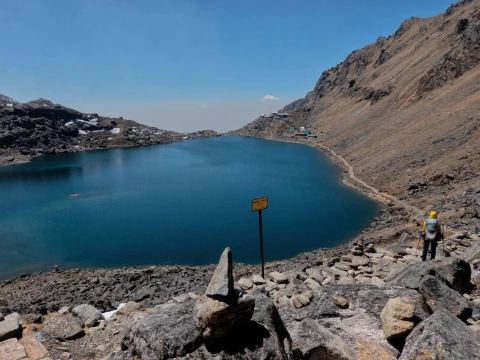
The Langtang Gosaikunda Trek is one of Nepal’s most scenic Himalayan journeys, combining the lush valleys of the Langtang region with the sacred alpine lakes of Gosaikunda. Operated by Nepal Journey Travels, this trek blends natural beauty, cultural richness, and spiritual significance. The route passes through Kathmandu, Syabrubesi, Langtang Village, Kyanjin Gompa, and continues toward the holy Gosaikunda Lake, making it a diverse trekking experience.This 14-day itinerary offers a gradual ascent, allowing proper acclimatization while exploring diverse landscapes—from subtropical forests and rivers to high-altitude glaciers. Trekkers experience the Tamang culture, Buddhist monasteries, yak pastures, and panoramic views of Langtang Lirung and the surrounding peaks. The journey is not just a physical adventure but also a cultural immersion into Himalayan life.Scenic drive from Kathmandu to SyabrubesiLangtang National Park biodiversityKyanjin Gompa monastery visitTserko Ri sunrise viewpoint (5,000m)Sacred Gosaikunda alpine lakesTamang cultural villages and traditionsOverall, this trek is perfect for those seeking a less crowded yet highly rewarding Himalayan experience.Best Season for Langtang Gosaikunda TrekThe best time for the Langtang Gosaikunda Trek is during spring (March–May) and autumn (September–November). These seasons offer stable weather, clear skies, and excellent mountain visibility. During spring, rhododendron forests bloom across the trail, especially inside Langtang National Park, creating vibrant landscapes. Autumn, on the other hand, provides crisp air and crystal-clear Himalayan views after the monsoon season.Winter (December–February) is possible but challenging due to heavy snowfall around Gosaikunda and high passes. Summer/monsoon (June–August) brings rain, landslides, and cloudy conditions, though the region becomes lush and green. However, leeches and slippery trails make trekking more difficult.Seasonal summary:Spring (best flora + stable weather)Autumn (best visibility + dry trails)Winter (cold, snow, fewer trekkers)Monsoon (rainy, risky trails, limited views)Nepal Journey Travels recommends spring and autumn for the safest and most enjoyable experience, especially for first-time Himalayan trekkers.Langtang Gosaikunda Trek Difficulty and TransportationThe Langtang Gosaikunda Trek is considered moderate to moderately challenging. The daily walking duration ranges from 5 to 8 hours, with steep ascents, rocky trails, and high-altitude sections like Tserko Ri (5,000m). While no technical climbing is required, altitude acclimatization is essential to avoid Acute Mountain Sickness (AMS).The trek begins with a scenic but bumpy drive from Kathmandu to Syabrubesi via mountain roads. From there, trekking continues through Lama Hotel, Langtang Village, and Kyanjin Gompa before looping toward Thulo Syabru, Sing Gompa, and finally Gosaikunda Lake.Difficulty factors:High altitude (up to 5,000m)Long trekking hours dailyCold temperatures at upper regionsOccasional steep ascents/descentsRemote trail conditionsTransportation overview:Kathmandu → Syabrubesi: 7–9 hours by jeep/busDhunche → Kathmandu: return driveLocal walking trails between villagesNepal Journey Travels provides experienced guides, porters, and safety support, ensuring a smooth journey even in challenging terrain.Food and Accommodation for Langtang Gosaikunda TrekAccommodation along the trek is mainly in teahouses and local lodges, offering basic but comfortable facilities. Rooms are typically twin-sharing with simple beds, blankets, and shared bathrooms in lower elevations. As altitude increases, facilities become more basic, especially near Kyanjin Gompa and Gosaikunda.Meals are freshly prepared in local kitchens, with a mix of Nepali and Tibetan-style dishes. The staple food is dal bhat (rice, lentils, vegetables), which provides high energy for trekking. Other options include noodles, soups, pancakes, eggs, potatoes, and Tibetan bread.Food & lodging highlights:Warm meals cooked fresh dailyVegetarian options widely availableTea, coffee, and garlic soup for altitude supportBasic but cozy teahousesLimited luxury but rich cultural hospitalityWater is available at lodges, though purification tablets or filters are recommended. Nepal Journey Travels ensures hygienic food arrangements and selects reliable teahouses for better comfort throughout the journey.Langtang Gosaikunda Trek PermitsTo trek in the Langtang region, travelers must obtain specific permits due to its protected status. The route passes through Langtang National Park, requiring entry permissions for conservation and safety.Two main permits are required:Langtang National Park Entry PermitTIMS (Trekkers’ Information Management System) CardThese permits are usually arranged in Kathmandu before the trek begins. Nepal Journey Travels handles all necessary paperwork, ensuring a hassle-free process for trekkers.Permit details:Mandatory for all foreign trekkersChecked at multiple entry points (Syabrubesi, Dhunche)Helps support conservation and local communitiesRequired for emergency tracking and safetyThe permit system helps protect biodiversity, maintain trail safety, and support sustainable tourism in the Langtang region. Without valid permits, entry into restricted areas is not allowed.Why Choose Langtang Gosaikunda TrekThe Langtang Gosaikunda Trek is an ideal choice for trekkers who want a Himalayan experience without the heavy crowds of Everest or Annapurna regions. It combines natural beauty, cultural depth, and spiritual significance in one route. The sacred Gosaikunda Lake adds a spiritual dimension, attracting both trekkers and pilgrims.With Nepal Journey Travels, trekkers benefit from professional guidance, safety-focused planning, and personalized service. The itinerary is designed for proper acclimatization, maximizing enjoyment while minimizing risk.Why choose this trek:Less crowded Himalayan trailStunning mountain and glacier viewsRich Tamang and Buddhist cultureSacred alpine lakes of GosaikundaModerate cost compared to other treksWell-organized itinerary with Nepal Journey TravelsThis trek is perfect for adventure seekers, cultural explorers, and spiritual travelers looking for a balanced and memorable Himalayan journey.
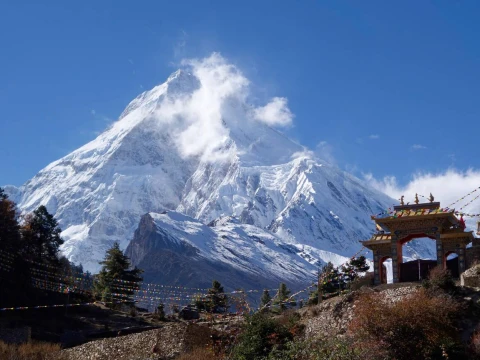
The Manaslu Circuit Trek is one of Nepal’s most spectacular and culturally rich trekking adventures, circling the world’s eighth-highest mountain, Mount Manaslu (8,163 m). Operated professionally by Nepal Journey Travels, this 16-day itinerary blends the remote Himalayan wilderness, Tibetan-influenced villages, and dramatic high-mountain passes. The journey begins in Kathmandu and gradually transitions from low river valleys to alpine landscapes before reaching the challenging Larkya La Pass.This trek passes through diverse settlements such as Machha Khola, Jagat, Deng, Namrung, Sama Gaon, and Samdo. Each village offers unique cultural encounters with Tibetan Buddhist traditions, ancient monasteries, and welcoming teahouses.Nepal Journey carefully designs the trek to ensure proper acclimatization and safety, especially as trekkers approach high-altitude regions. It is a restricted trekking route requiring special permits, which helps preserve its pristine environment and authentic cultural heritage.Circuit around Mt. Manaslu (8,163 m)Remote and less crowded trekking routeRich Tibetan-influenced cultureCrossing the challenging Larkya La PassOrganized logistics by Nepal Journey TravelsBest Season for Manaslu Circuit TrekThe best time to experience the Manaslu Circuit Trek is during spring (March to May) and autumn (September to November). These seasons provide stable weather, clear skies, and excellent mountain visibility, which are essential for enjoying the dramatic Himalayan landscapes and safely crossing high passes like Larkya La Pass.During spring, the trail comes alive with blooming rhododendrons, lush forests, and moderate temperatures, making trekking conditions comfortable. Autumn is equally popular due to crystal-clear mountain views, stable weather after monsoon, and vibrant cultural festivals in villages like Sama Gaon and Namrung. Winter trekking is possible but extremely cold and often blocked by heavy snow at higher altitudes, while the monsoon season (June–August) brings landslides and slippery trails in lower regions like Machha Khola.Nepal Journey Travels strongly recommends planning your trek during the peak seasons to ensure safety, better visibility, and overall enjoyment. Proper timing also increases the chances of successfully crossing the high-altitude pass without weather disruptions.Key Points:Best seasons: Spring & AutumnClear mountain views and stable weatherAvoid monsoon due to landslidesWinter only for experienced trekkersRecommended by Nepal Journey Travels for safetyManaslu Circuit Trek Difficulty and TransportationThe Manaslu Circuit Trek is considered a moderate to challenging trek, mainly due to its long duration, remote terrain, and high-altitude crossing at Larkya La Pass. Trekkers must be physically fit and prepared for long walking days ranging from 6–8 hours over steep ascents, rocky paths, suspension bridges, and glacier terrain.The route begins with a drive from Kathmandu to Machha Khola via rough mountain roads, followed by trekking through remote settlements such as Jagat and Deng. Transportation is mostly a combination of private jeep and trekking on foot, arranged efficiently by Nepal Journey Travels, ensuring comfort and safety during long road journeys.Altitude is one of the major challenges, especially after reaching Samdo and crossing above 5,000 meters. Proper acclimatization days, like the rest day in Sama Gaon, are essential.Key Points:Moderate to strenuous difficulty levelRequires good physical fitnessLong trekking hours dailyJeep drive + trekking combinationHigh-altitude pass crossing challengeManaged logistics by Nepal Journey TravelsFood and Accommodation for Manaslu Circuit TrekOn the Manaslu Circuit Trek, accommodation is primarily in basic but comfortable teahouses run by local families. These lodges are available in villages like Namrung, Sama Gaon, and Samdo. Rooms are usually twin-sharing with simple beds, blankets, and shared bathrooms at higher elevations.Food options are surprisingly diverse considering the remoteness. Common meals include Dal Bhat (rice, lentils, vegetables), noodles, pasta, potatoes, soups, and Tibetan bread. As altitude increases, food variety becomes limited, but energy-rich meals are always available to support trekking demands. Nepal Journey Travels ensures hygienic meal arrangements and selects reliable teahouses along the route.In lower regions such as Machha Khola and Jagat, trekkers may find slightly better facilities, while higher villages focus more on simplicity due to remoteness.Key Points:Basic teahouse accommodationTwin-sharing rooms commonTraditional Nepali and Tibetan foodLimited menu at high altitudeSafe food arrangement by Nepal Journey TravelsManaslu Circuit Trek PermitsThe Manaslu Circuit Trek is a restricted trekking area, meaning trekkers must obtain special permits before entering the region. These regulations help preserve the environment and protect local culture along the route passing through villages like Jagat, Deng, and Sama Gaon.The required permits include the Manaslu Restricted Area Permit (RAP), Manaslu Conservation Area Permit (MCAP), and Annapurna Conservation Area Permit (ACAP) since the trek ends in the Annapurna region. These permits must be arranged through a registered trekking agency like Nepal Journey Travels, and solo trekking is not allowed.Permit costs vary depending on the season, with higher fees during peak months (September–November). Proper documentation such as passport copies, visa details, and travel insurance is required.Key Points:A restricted area permit is requiredMCAP and ACAP also neededMust trek with a licensed agencyNo solo trekking allowedManaged by Nepal Journey TravelsWhy Choose Manaslu Circuit TrekThe Manaslu Circuit Trek offers one of the most authentic Himalayan trekking experiences, combining natural beauty, cultural immersion, and adventure. Unlike more commercial routes, it remains less crowded, allowing trekkers to experience peaceful trails through villages like Namrung, Sama Gaon, and Samdo.One of the biggest highlights is crossing the dramatic Larkya La Pass, which offers breathtaking panoramic views of Himalayan peaks. The trek also provides deep cultural insights into Tibetan-influenced communities, ancient monasteries, and traditional mountain lifestyles.Nepal Journey Travels ensures a safe, well-organized, and enriching experience with experienced guides, proper acclimatization schedules, and high-quality logistics support.Key Points:Less crowded and peaceful trailRich cultural and natural diversityIconic high mountain pass crossingAuthentic Himalayan experienceProfessional support by Nepal Journey Travels
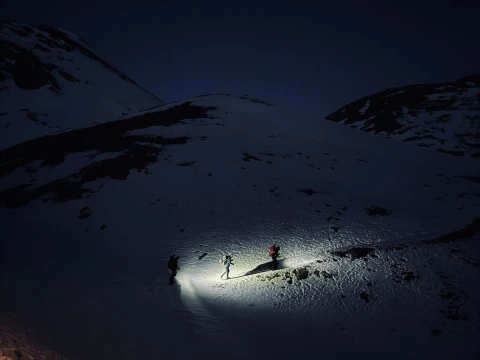
The Annapurna Circuit Trek is one of the most iconic long-distance trekking routes in the world, offering an extraordinary journey around the Annapurna Massif. Operated by Nepal Journey Travels, this 14-day itinerary combines dramatic landscapes, rich cultural encounters, and high-altitude adventure. Starting from the bustling Kathmandu Valley, the trek gradually transitions into deep river gorges, alpine forests, and eventually the high Himalayan desert near Manang and Thorong La PassThis trek is especially famous for crossing the Thorong La Pass (5,416m), one of the highest trekking passes in the world. Along the way, trekkers experience diverse ethnic villages such as Gurung, Thakali, and Manangi communities, each with unique traditions and hospitality. The journey continues down to Muktinath, a sacred pilgrimage site, and then transitions into the lush landscapes of the Annapurna region’s lower foothills.Scenic drive from Kathmandu to Syange/JagatDiverse landscapes from subtropical to alpine desertCrossing Thorong La Pass (5,416m)Visits to Manang, Muktinath, and Tatopani hot springsCultural immersion in traditional Himalayan villagesOverall, this trek is not just a physical journey but a cultural and spiritual exploration of Nepal’s most diverse trekking region.Best Season for Annapurna Circuit TrekThe best time to undertake the Annapurna Circuit Trek with Nepal Journey Travels is during the two main trekking seasons: spring (March to May) and autumn (September to November). These months offer the most stable weather conditions, clear mountain views, and comfortable temperatures for trekking at high altitudes.Spring brings blooming rhododendrons, warmer days, and vibrant landscapes. Autumn, on the other hand, is considered the peak trekking season due to its crystal-clear skies and excellent visibility of Himalayan peaks. Winter trekking is possible but challenging due to heavy snowfall at Thorong La Pass, while the monsoon season (June to August) brings slippery trails and landslides in the lower regions.Season breakdown:Spring (Mar–May): Flowers, stable weather, moderate temperaturesAutumn (Sep–Nov): Best visibility, safest conditions, peak seasonWinter (Dec–Feb): Cold, snow at high passes, fewer trekkersMonsoon (Jun–Aug): Rain, landslides, poor visibilityChoosing the right season ensures safety, better acclimatisation, and a more enjoyable trekking experience. Nepal Journey Travels always recommends autumn or spring for first-time trekkers.Annapurna Circuit Trek Difficulty and TransportationThe Annapurna Circuit Trek is considered a moderate to challenging trek, primarily due to its long duration, varied terrain, and high-altitude crossing of Thorong La Pass. While no technical climbing is required, trekkers must be physically fit and mentally prepared for long walking hours ranging from 5 to 8 hours daily.Altitude is one of the biggest challenges, especially above 3,500 meters. Proper acclimatisation days in Manang are essential to reduce the risk of Acute Mountain Sickness (AMS). Nepal Journey Travels designs the itinerary carefully to ensure gradual ascent and safety.Transportation is a mix of road travel and trekking:Kathmandu to Syange/Jagat: Long jeep/bus drive (8–10 hours)Muktinath to Tatopani: Scenic jeep drive via mountain roadsPokhara to Kathmandu: Tourist bus or private vehicleLocal trekking sections: Fully on foot with porter supportDifficulty factors:Long trekking hours dailyHigh-altitude pass crossing (5,416m)Weather changes in mountain regionsRough and off-road transportation sectionsWith proper preparation and guidance from Nepal Journey Travels, even first-time Himalayan trekkers can complete this adventure.Food and Accommodation for Annapurna Circuit TrekDuring the Annapurna Circuit Trek, accommodation and meals are primarily provided in local teahouses, which are simple mountain lodges run by local families. Nepal Journey Travels ensures comfortable and hygienic arrangements throughout the journey, although facilities become more basic as altitude increases.Rooms are usually twin-sharing with basic bedding, and shared bathrooms are common in higher regions. Despite the simplicity, teahouses offer warm hospitality, which is one of the highlights of trekking in Nepal. Heating is generally available in dining halls, especially in colder areas like Manang and Yak Kharka.Food options are surprisingly diverse along the route, including both local Nepali dishes and basic international meals.Common food options:Dal Bhat (rice, lentils, vegetables – unlimited refills)Noodles, pasta, and fried riceTibetan bread and pancakesSoups (garlic soup recommended for altitude)Tea, coffee, and hot lemon drinksAccommodation highlights:Teahouse lodges run by local familiesBasic but clean twin-sharing roomsWarm dining areas for social interactionHot meals prepared fresh dailyNepal Journey Travels prioritises safe food practices and clean accommodations to ensure trekkers stay healthy and energized throughout the journey.Annapurna Circuit Trek PermitsTo complete the Annapurna Circuit Trek, trekkers must obtain specific permits issued by the Government of Nepal. Nepal Journey Travels handles all necessary paperwork to ensure a hassle-free trekking experience for clients.The two main permits required are:ACAP (Annapurna Conservation Area Permit)TIMS Card (Trekkers’ Information Management System)Both permits are mandatory and are checked at multiple entry points along the trekking route. These permits help support conservation efforts, local communities, and trekking safety management in the Annapurna region.Permit details:ACAP supports conservation of Annapurna region biodiversityTIMS helps track trekkers for safety and emergency responseIssued in Kathmandu or Pokhara through registered agenciesPassport copies and photos requiredNepal Journey Travels arranges all permits before the trek begins, saving trekkers time and avoiding administrative stress. This ensures smooth entry into restricted conservation areas and uninterrupted trekking throughout the journey.Why Choose Annapurna Circuit Trek with Nepal Journey TravelsChoosing the Annapurna Circuit Trek with Nepal Journey Travels ensures a safe, well-organised, and enriching Himalayan adventure. This company specialises in personalised trekking experiences, focusing on safety, comfort, and authentic cultural immersion.The itinerary is carefully designed to balance adventure and acclimatisation, reducing altitude risks while maximising scenic and cultural experiences. Experienced guides provide valuable insights into local traditions, mountain geography, and safety protocols throughout the trek.Why Nepal Journey Travels stands out:Experienced and licensed trekking guidesWell-planned acclimatization scheduleAssistance with permits and logisticsReliable transportation and accommodation arrangements24/7 support during the trekFocus on safety and responsible tourismAdditionally, trekkers benefit from personalised care, flexible planning options, and strong local expertise. From Kathmandu arrival to final departure, every detail is managed professionally, allowing trekkers to focus entirely on the journey.
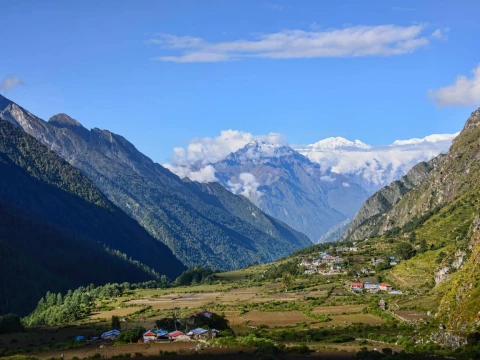
The Manaslu Tsum Valley Trek is one of Nepal's most fascinating and culturally rich trekking adventures, combining the remote Tsum Valley with the spectacular Manaslu Circuit. Organized by Nepal Journey Travels, this 19-day trekking journey takes travelers through ancient Buddhist villages, hidden Himalayan valleys, sacred monasteries, and the breathtaking landscapes surrounding Mount Manaslu (8,163m), the eighth-highest mountain in the world. Unlike the more crowded trekking routes in Nepal, this trek offers a peaceful and authentic experience in a region that remained isolated from the outside world for centuries.The journey begins with a scenic drive from Kathmandu to Machha Khola before entering the restricted Tsum Valley. Trekkers explore traditional settlements such as Chumling, Nile, and Mu Gompa, where Tibetan Buddhist culture remains deeply preserved. After returning from Tsum Valley, the route joins the famous Manaslu Circuit, passing through Samagaon, Samdo, and the challenging Larkya La Pass (5,160m) before descending to Dharapani.Explore the hidden and sacred Tsum ValleyVisit Mu Gompa and Rachen Gompa monasteriesExperience authentic Tibetan Buddhist cultureCross the spectacular Larkya La Pass (5,160m)Enjoy panoramic views of Manaslu and the surrounding peaksLess crowded alternative to Everest and Annapurna regionsBest Season for Manaslu Tsum Valley TrekThe best time to undertake the Manaslu Tsum Valley Trek is during the spring (March to May) and autumn (September to November) seasons. These months offer stable weather conditions, clear mountain views, comfortable temperatures, and ideal trekking trails. During spring, the hillsides bloom with colorful rhododendron forests, creating stunning scenery throughout the route. The warmer temperatures also make higher elevations more comfortable for trekking.Autumn is considered the most popular trekking season because of its crystal-clear skies, excellent visibility, and dry weather conditions. The landscapes appear fresh and vibrant after the monsoon season, offering exceptional photography opportunities. Although winter trekking is possible, heavy snowfall around Larkya La Pass can create challenges, while summer monsoon rains may cause landslides and slippery trails.Recommended SeasonsSpring: March, April, MayAutumn: September, October, NovemberWinter: Suitable for experienced trekkersMonsoon: Not generally recommendedManaslu Tsum Valley Trek Difficulty and TransportationThe Manaslu Tsum Valley Trek is considered a moderately challenging to strenuous trekking adventure. Trekkers cover diverse terrain, including steep ascents, rocky trails, suspension bridges, and high-altitude mountain passes. The highest point of the trek is Larkya La Pass at 5,160 meters, which requires good physical fitness and proper acclimatization. Previous trekking experience is beneficial but not mandatory for trekkers who maintain a good fitness level and prepare adequately before the journey.Transportation during the trek primarily involves scenic road journeys and trekking. The adventure begins with a drive from Kathmandu to Machha Khola and concludes with a drive from Dharapani back to Kathmandu. Road conditions in the lower sections can be rough, but the beautiful landscapes and mountain scenery make the journey rewarding. Nepal Journey Travels ensures reliable transportation arrangements for a smooth trekking experience.Difficulty and Transport FactsModerate to challenging trekMaximum altitude: 5,160m (Larkya La Pass)Daily walking: 5–8 hoursSuitable for physically fit trekkersDrive from Kathmandu to Machha KholaReturn drive from Dharapani to KathmanduFood and Accommodation for Manaslu Tsum Valley TrekThroughout the Manaslu Tsum Valley Trek, trekkers stay in comfortable local teahouses and lodges that provide basic but welcoming accommodation. Rooms are generally twin-sharing with simple beds, blankets, and shared bathroom facilities. While accommodation becomes more basic in remote villages such as Nile and Mu Gumpa, the hospitality of local families creates a memorable experience.Food options along the route are surprisingly diverse. Teahouses serve freshly prepared meals including Nepali, Tibetan, and continental dishes. Dal Bhat, noodles, fried rice, soups, potatoes, bread, pancakes, tea, and coffee are commonly available. As the trekking route gains altitude, food prices may increase due to transportation difficulties. Nepal Journey Travels carefully selects quality lodges to ensure trekkers enjoy comfortable overnight stays and nutritious meals.Available Food OptionsTraditional Dal BhatFried rice and noodlesTibetan bread and chapatiSoups and potatoesPancakes and porridgeTea, coffee, and hot drinksAccommodation FeaturesTeahouse and lodge accommodationTwin-sharing roomsFriendly local hospitalityDining halls with heating in some locationsBasic facilities in higher regionsManaslu Tsum Valley Trek PermitsSince both Manaslu and Tsum Valley are restricted areas, special permits are mandatory for all trekkers. Independent trekking is not permitted in this region, and trekkers must travel with a registered trekking company, such as Nepal Journey Travels, and a licensed guide. These regulations help preserve the area's unique culture, environment, and traditions while ensuring visitor safety.Several permits are required for the trek, including the Manaslu Restricted Area Permit, Tsum Valley Restricted Area Permit, Manaslu Conservation Area Permit (MCAP), and Annapurna Conservation Area Permit (ACAP). Nepal Journey Travels handles all permit arrangements, allowing trekkers to focus entirely on enjoying their Himalayan adventure.Required PermitsManaslu Restricted Area Permit (MRAP)Tsum Valley Restricted Area PermitManaslu Conservation Area Permit (MCAP)Annapurna Conservation Area Permit (ACAP)Licensed guide requirementMinimum two trekkers rule for permit processingWhy Choose Manaslu Tsum Valley TrekThe Manaslu Tsum Valley Trek offers an extraordinary combination of natural beauty, cultural immersion, spiritual heritage, and adventurous mountain trekking. Unlike Nepal's more commercial trekking destinations, this route provides an authentic Himalayan experience where ancient traditions, monasteries, and local lifestyles remain largely unchanged. Trekkers can enjoy spectacular mountain scenery while discovering one of Nepal's most culturally significant regions.Choosing Nepal Journey Travels ensures a professionally organized trekking experience with experienced guides, personalized service, safety-focused planning, and local expertise. From permit arrangements and transportation to accommodation and logistical support, every aspect of the trek is carefully managed. Whether you seek adventure, cultural discovery, photography opportunities, or spiritual exploration, the Manaslu Tsum Valley Trek delivers a truly unforgettable Himalayan journey.Reasons to Choose This TrekRemote and less crowded trekking routeUnique Tibetan Buddhist cultureSacred monasteries and spiritual sitesStunning Himalayan mountain viewsDiverse landscapes and ecosystemsChallenging high mountain pass crossingProfessional support from Nepal Journey TravelsAuthentic local experiences and hospitality
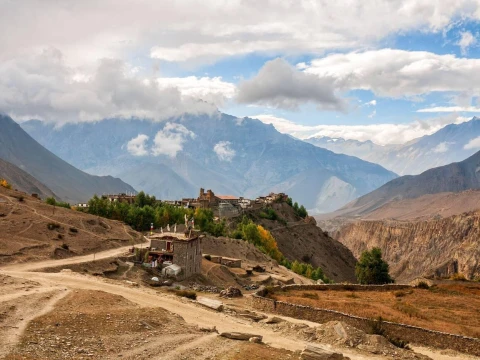
The Lower Mustang Trek is one of Nepal’s most fascinating trekking adventures, offering a unique blend of Himalayan landscapes, ancient culture, and sacred pilgrimage sites. Located in the rain shadow of the Annapurna region, Lower Mustang features dramatic desert-like valleys, colorful cliffs, traditional Tibetan-influenced villages, and breathtaking mountain views. The trek takes travelers through Jomsom, Kagbeni, and the sacred temple of Muktinath, one of the most important pilgrimage destinations for both Hindus and Buddhists.This trek is ideal for travelers seeking a moderate trekking experience combined with cultural exploration. Unlike many high-altitude Himalayan treks, the Lower Mustang Trek allows trekkers to experience the unique beauty of the Mustang region without crossing extremely high mountain passes. Along the trail, visitors encounter traditional Thakali communities, ancient monasteries, prayer flags, and spectacular views of Dhaulagiri, Nilgiri, and Annapurna mountain ranges.Scenic flight between Pokhara and JomsomVisit the sacred Muktinath TempleExplore traditional Tibetan-influenced villagesStunning views of Annapurna and DhaulagiriRich cultural and religious experiencesUnique desert-like Himalayan landscapeBest Season for Lower Mustang TrekThe Lower Mustang Trek can be enjoyed throughout much of the year, but the best seasons are spring (March to May) and autumn (September to November). During these months, trekkers enjoy clear skies, pleasant temperatures, and excellent mountain visibility. Spring brings blooming rhododendron forests and colorful landscapes, while autumn offers stable weather and crystal-clear Himalayan panoramas.One of the unique advantages of the Lower Mustang region is its location within the rain-shadow area of the Himalayas. Even during the monsoon season, the region receives significantly less rainfall compared to other trekking areas in Nepal. This makes Lower Mustang a popular destination for summer trekking when many other routes are affected by heavy rain.Best Trekking Seasons:Spring: March – MaySummer/Monsoon: June – August (possible due to rain-shadow)Autumn: September – NovemberWinter: December – February (cold but less crowded)Lower Mustang Trek Difficulty and TransportationThe Lower Mustang Trek is considered a moderate trekking adventure suitable for beginners with reasonable fitness levels as well as experienced trekkers. Daily walking generally ranges from 4 to 6 hours on well-established trails. Although the highest point reaches approximately 3,900 meters at Muktinath, the gradual ascent helps trekkers adapt comfortably to the altitude.Transportation is a major advantage of this trek. Travelers begin with a scenic drive from Kathmandu to Pokhara, followed by a short mountain flight to Jomsom. This flight offers incredible views of the Annapurna and Dhaulagiri ranges. After completing the trek, visitors fly back to Pokhara and continue by road to Kathmandu, making the journey efficient and enjoyable.Difficulty & Transportation Facts:Moderate trekking gradeMaximum altitude: 3,900m (Muktinath)Average walking: 4–6 hours dailyScenic Pokhara–Jomsom flightsComfortable road connectionsSuitable for most fitness levelsFood and Accommodation for Lower Mustang TrekTrekkers on the Lower Mustang Trek stay in comfortable teahouses and lodges operated by local families. These accommodations provide basic but cozy rooms, warm hospitality, and opportunities to experience local culture. Most lodges offer twin-sharing rooms with shared or attached bathrooms, depending on the location.Food along the trekking route is diverse and nourishing. Traditional Nepali meals such as Dal Bhat provide excellent energy for trekking, while many teahouses also serve noodles, soups, fried rice, pasta, potatoes, pancakes, eggs, and hot beverages. In larger villages such as Jomsom and Muktinath, trekkers can enjoy a wider range of menu options.Accommodation & Food Features:Comfortable local teahousesTwin-sharing lodge accommodationTraditional Dal Bhat mealsVegetarian and non-vegetarian optionsHot drinks and snacks availableAuthentic local hospitalityLower Mustang Trek PermitsTo trek in the Lower Mustang region, travelers must obtain the required trekking permits. The most important permits are the Annapurna Conservation Area Permit (ACAP) and the Trekkers’ Information Management System (TIMS) Card. These permits help support conservation efforts and improve trekker safety throughout the region.When booking with Nepal Journey Travels, all permit arrangements can be handled efficiently by the company. Professional assistance ensures that trekkers complete the necessary documentation before starting the trek, allowing them to focus on enjoying their adventure. Trekkers should carry valid identification and passport-sized photographs when applying for permits.Required Permits:Annapurna Conservation Area Permit (ACAP)TIMS CardValid passport copyPassport-sized photographsPermit verification at checkpointsWhy Choose Lower Mustang TrekThe Lower Mustang Trek offers an exceptional combination of natural beauty, cultural heritage, and spiritual significance. Unlike more challenging Himalayan expeditions, this trek provides comfortable access to stunning mountain scenery while remaining suitable for a wide range of travelers. The journey to Muktinath Temple adds a meaningful spiritual dimension that makes the experience even more memorable.Choosing Nepal Journey Travels ensures a professionally organized trekking experience with knowledgeable guides, reliable logistics, quality accommodations, and personalized service. The company's local expertise helps travelers gain deeper insight into Mustang’s unique culture and traditions while ensuring safety and comfort throughout the journey. Whether you are a first-time trekker or an experienced adventurer, Lower Mustang promises an unforgettable Himalayan experience.Why Travel with Nepal Journey Travels?Experienced local trekking specialistsProfessional guides and support teamWell-planned itinerary and logisticsReliable transportation arrangementsPersonalized customer serviceSafe and memorable trekking experienceExcellent value for money
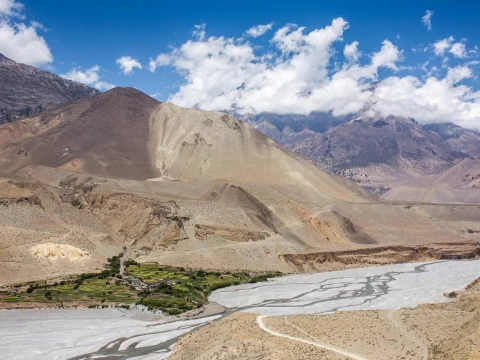
The Upper Mustang Trek is one of Nepal's most fascinating and culturally rich trekking adventures. Located in the remote trans-Himalayan region of northwestern Nepal, Upper Mustang was once an independent kingdom known as the "Last Forbidden Kingdom." The region remained closed to foreign travelers until 1992, allowing it to preserve its unique Tibetan culture, ancient monasteries, cave settlements, and traditional way of life. The trek follows ancient salt trading routes through dramatic desert-like landscapes, colorful cliffs, deep canyons, and picturesque villages.This 16-day trekking itinerary begins in Kathmandu and continues through Pokhara, Jomsom, Kagbeni, Chele, Syangmoche, Ghami, Charang, and finally the walled city of Lo Manthang. Along the route, trekkers experience breathtaking mountain views, centuries-old Buddhist monasteries, prayer flags fluttering in the wind, and warm hospitality from local communities. A special highlight is the exploration of the famous Chhoser Caves near Lo Manthang, which offer a glimpse into the region’s mysterious history and ancient civilization.With Nepal Journey Travels, trekkers enjoy a well-organized journey led by experienced guides who ensure safety, cultural understanding, and memorable experiences throughout the trek.Explore the ancient Kingdom of Lo ManthangVisit the historic Chhoser CavesExperience authentic Tibetan Buddhist cultureTrek through unique desert landscapesEnjoy stunning Himalayan panoramasDiscover centuries-old monasteries and villagesBest Season for Upper Mustang TrekOne of the biggest advantages of the Upper Mustang Trek is that it can be undertaken even during Nepal's monsoon season. Since Upper Mustang lies in the rain-shadow area beyond the Annapurna and Dhaulagiri mountain ranges, it receives significantly less rainfall than other trekking regions. This makes it one of the best trekking destinations in Nepal during June, July, and August, when many other trails experience heavy rain.Spring (March to May) and autumn (September to November) are generally considered the most favorable seasons. During spring, the weather is mild, the skies are clear, and the surrounding landscapes become vibrant with natural beauty. Autumn offers excellent visibility, stable weather conditions, and comfortable temperatures, making it ideal for trekking and photography.Winter trekking is possible but can be challenging due to cold temperatures and occasional snowfall at higher elevations. Nepal Journey Travels recommends spring and autumn for the most comfortable trekking experience, while also highlighting Upper Mustang as an excellent monsoon trekking destination.Best SeasonsSpring: March to MaySummer/Monsoon: June to August (excellent due to rain shadow)Autumn: September to NovemberWinter: December to February (cold but possible)Upper Mustang Trek Difficulty and TransportationThe Upper Mustang Trek is considered a moderate trekking adventure suitable for trekkers with a reasonable level of physical fitness. Daily walking hours generally range from 4 to 7 hours across varied terrain, including rocky trails, dry valleys, and gradual ascents. Although the highest overnight elevation is around 3,860 meters, proper acclimatization is important to minimize the risk of altitude-related issues.The trek does not require technical climbing skills, making it accessible to both experienced hikers and adventurous beginners. Regular walking, cardiovascular exercises, and basic trekking preparation before the trip can significantly improve comfort and endurance on the trail.Transportation is an important part of the journey. The adventure begins with a scenic drive from Kathmandu to Pokhara, followed by a short flight to Jomsom. After completing the trek, travelers return via a flight from Jomsom to Pokhara and then drive back to Kathmandu. These transportation arrangements allow trekkers to maximize their time exploring the unique landscapes of Upper Mustang.Difficulty & Transport FactsModerate trekking difficultyDaily walking: 4–7 hoursMaximum elevation: 3,860mNo technical climbing requiredKathmandu–Pokhara drivePokhara–Jomsom flightJomsom–Pokhara return flightFood and Accommodation for Upper Mustang TrekDespite its remote location, Upper Mustang offers comfortable tea house accommodation throughout the trekking route. Most lodges provide clean twin-sharing rooms with basic facilities, comfortable beds, blankets, and communal dining areas where trekkers can relax after a day on the trail. Accommodation standards continue to improve as tourism develops in the region.Food options are surprisingly diverse. Trekkers can enjoy traditional Nepali dishes such as Dal Bhat, along with Tibetan bread, noodle soups, fried rice, momos, pasta, potatoes, pancakes, eggs, and seasonal vegetables. The local cuisine reflects strong Tibetan influences and provides the energy needed for daily trekking activities.Nepal Journey Travels carefully selects reliable tea houses and lodges to ensure trekkers receive hygienic meals and comfortable accommodations. Guides also assist in arranging meals and helping trekkers adapt to local customs and dining practices.Food & AccommodationComfortable tea house lodgesTwin-sharing roomsTraditional Dal Bhat mealsTibetan bread and noodle soupsVegetarian options availableWarm dining halls and local hospitalityUpper Mustang Trek PermitsUpper Mustang is a restricted area of Nepal, requiring special permits for foreign visitors. The Nepal government has implemented these regulations to protect the region's unique cultural heritage and fragile environment. Trekkers must travel with a registered trekking company and licensed guide to enter the restricted zone.The main permits required include the Restricted Area Permit (RAP) for Upper Mustang and the Annapurna Conservation Area Permit (ACAP). These permits help support conservation efforts, maintain trekking infrastructure, and preserve local cultural traditions. Permit regulations and fees may change over time, so it is advisable to verify current requirements before booking.Nepal Journey Travels handles all permit arrangements on behalf of clients, ensuring a smooth and hassle-free trekking experience. The company assists with documentation, permit processing, and official procedures before the trek begins.Required PermitsRestricted Area Permit (RAP)Annapurna Conservation Area Permit (ACAP)Valid passportPassport-sized photographsLicensed guide requirementRegistered trekking agency arrangementWhy Choose Upper Mustang TrekThe Upper Mustang Trek offers an extraordinary combination of adventure, culture, history, and natural beauty unlike any other trekking route in Nepal. Travelers have the rare opportunity to explore a hidden Himalayan kingdom where ancient traditions remain deeply rooted in everyday life. The dramatic landscapes, ancient monasteries, cave complexes, and unique Tibetan-influenced culture create a truly unforgettable experience.Choosing Nepal Journey Travels ensures that every aspect of the trek is professionally managed. The company provides experienced local guides, reliable transportation, permit assistance, quality accommodations, and personalized service from arrival in Kathmandu until final departure. Their local expertise helps travelers gain deeper cultural insights while ensuring safety and comfort throughout the journey.Whether you are a cultural explorer, photography enthusiast, or trekking adventurer, the Upper Mustang Trek promises a remarkable journey into one of the Himalayas' most preserved and mysterious regions. Nepal Journey Travels is committed to making this once-in-a-lifetime adventure both memorable and rewarding.Why Trek with Nepal Journey Travels?Experienced and professional guidesComplete permit managementWell-planned itineraryReliable transportation servicesComfortable tea house accommodationsPersonalized customer supportStrong local knowledge and expertiseSafe and responsible trekking practices
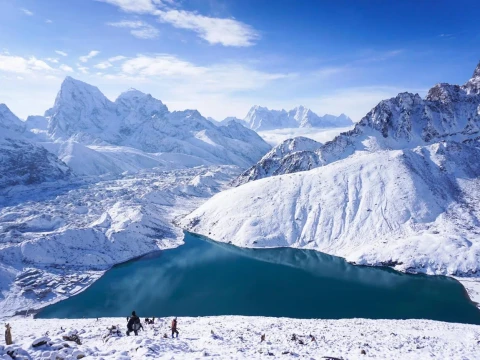
The Everest Three Passes Trek is widely considered the most complete and adventurous trekking route in the Everest region, offering a full circuit through remote valleys, high mountain passes, glaciers, and iconic viewpoints. Organized by Nepal Journey Travels, this trek combines classic Everest Base Camp exploration with three major Himalayan crossings: Kongma La, Cho La, and Renjo La. The journey passes through culturally rich Sherpa villages and dramatic alpine landscapes within the Sagarmatha region.Starting from Kathmandu and flying to Lukla Airport, trekkers enter the Khumbu region and gradually ascend through settlements like Phakding, Namche Bazaar, Tengboche, and Dingboche before reaching high-altitude zones such as Lobuche and Gorak Shep near Everest Base Camp. The trek also explores the stunning Gokyo Valley, home to turquoise glacial lakes and panoramic viewpoints.This itinerary is designed for experienced trekkers seeking a challenging yet rewarding Himalayan adventure. It combines high passes above 5,000 meters, glacier crossings, and multiple acclimatization days to ensure safety and success. Nepal Journey Travels ensures professional guides, proper acclimatization scheduling, and emergency support throughout the journey.Complete the Everest circuit via three high passesVisit Everest Base Camp and Gokyo LakesCross Kongma La, Cho La, and Renjo LaPanoramic Himalayan viewpoints like Kala PattharRich Sherpa culture and monasteriesBest Season for Everest Three Passes TrekThe best seasons for the Everest Three Passes Trek are spring (March–May) and autumn (September–November). During these months, weather conditions are stable, skies are generally clear, and mountain visibility is at its highest. Nepal Journey Travels strongly recommends these seasons for safety and the best photographic and trekking experience.In spring, rhododendrons bloom across lower trails near Namche Bazaar and Tengboche, creating colorful landscapes against snowy peaks. Temperatures are moderate, making high passes like Kongma La and Cho La more manageable. Autumn, on the other hand, follows the monsoon and offers crystal-clear air, ideal visibility, and stable trail conditions throughout the Khumbu region.Winter trekking is possible but extremely challenging due to heavy snow at high passes such as Renjo La and Cho La. Similarly, the monsoon season brings rain, landslides, and flight delays in Lukla Airport, making it less suitable.Best season highlights:Spring: Blooming flowers, moderate temperaturesAutumn: Best visibility and stable weatherWinter: Advanced trekkers only (snow risk)Monsoon: Not recommended due to rain and landslidesClear views of Everest and surrounding peaksEverest Three Passes Trek Difficulty and TransportationThe Everest Three Passes Trek is classified as strenuous to extremely challenging, requiring strong physical fitness, mental endurance, and prior trekking experience. The trek involves long walking days, steep ascents, and high-altitude crossings above 5,000 meters. Nepal Journey Travels emphasizes proper acclimatization and gradual ascent to minimize altitude sickness risks.Transportation begins with a scenic flight from Kathmandu to Lukla Airport, one of the world’s most thrilling mountain airports. From Lukla, the trek proceeds on foot through villages like Phakding and Namche Bazaar. No road access exists beyond Lukla, making trekking the only way to explore the region.The three major passes—Kongma La (5,535 m), Cho La (5,420 m), and Renjo La (5,360 m)—require glacier navigation, icy terrain, and proper use of trekking equipment such as crampons during winter or early spring. Weather conditions can change rapidly, increasing difficulty.Nepal Journey Travels provides experienced guides, porters, oxygen monitoring, and emergency evacuation coordination if required. The trek is not recommended for beginners.Difficulty highlights:Long trekking days (6–8 hours average)High altitude above 5,000 metersGlacier and rocky terrain crossingsRequires strong cardiovascular fitnessWeather-dependent pass crossingsFood and Accommodation for Everest Three Passes TrekAccommodation during the Everest Three Passes Trek is primarily in local teahouses and mountain lodges. These provide basic but comfortable facilities, including twin-sharing rooms, blankets, and communal dining areas. In lower regions like Namche Bazaar and Tengboche, lodges are more developed, while higher regions such as Gorak Shep and Lobuche offer more basic accommodation due to limited resources.Food is typically freshly prepared in teahouses and includes a mix of Nepali, Tibetan, and simple Western meals. The most recommended dish is dal bhat (rice, lentils, and vegetables), which provides high energy for trekking. Other options include noodles, pasta, soups, potatoes, and eggs. As altitude increases, food variety decreases, and prices rise due to transportation difficulty.Nepal Journey Travels ensures hygienic food arrangements and safe drinking water options, including boiled or purified water. Trekkers are advised to avoid alcohol and caffeine at higher altitudes to reduce dehydration risk.Food & accommodation highlights:Basic teahouse lodging throughout the trekHot meals prepared fresh dailyDal bhat for energy and nutritionLimited menu in high altitude regionsSafe drinking water providedEverest Three Passes Trek PermitsTo complete the Everest Three Passes Trek, several permits are required as the route passes through protected areas within the Everest region. Nepal Journey Travels manages all permit arrangements for trekkers, ensuring a smooth and hassle-free experience.The main permit is the Sagarmatha National Park Entry Permit, required for entering the protected Himalayan region around Everest Base Camp and surrounding valleys. Additionally, trekkers must obtain the Khumbu Pasang Lhamu Rural Municipality Permit, which replaced the earlier TIMS requirement in this region.These permits are checked at various entry points, including checkpoints near Monjo and other village posts along the trail toward Namche Bazaar. Proper documentation is mandatory to avoid penalties or delays.Nepal Journey Travels handles all paperwork in Kathmandu before departure, ensuring trekkers can focus entirely on the journey.Permit highlights:Sagarmatha National Park Entry PermitKhumbu Rural Municipality PermitChecked at multiple trail checkpointsFully arranged by Nepal Journey TravelsRequired for all trekkersWhy Choose Everest Three Passes Trek with Nepal Journey TravelsChoosing Nepal Journey Travels for the Everest Three Passes Trek ensures a safe, well-organized, and enriching Himalayan experience. This company specializes in high-altitude trekking logistics, experienced guide support, and personalized itinerary planning tailored to individual fitness and preferences.Unlike standard Everest Base Camp treks, the Three Passes route requires expert navigation across remote and challenging terrain. Nepal Journey Travels provides certified mountain guides familiar with every section of the trail, including remote crossings like Cho La Pass and Renjo La Pass. Their strong safety protocols include altitude monitoring, emergency evacuation coordination, and acclimatization support.The itinerary is carefully designed to balance adventure and safety, incorporating rest days in key locations such as Namche Bazaar and Dingboche. Cultural immersion is also a major highlight, allowing trekkers to experience Sherpa hospitality, monasteries, and Himalayan traditions.Why choose this trek with Nepal Journey Travels:Expert Himalayan trekking guidesFully organized logistics and permitsHigh safety and acclimatization standardsFlexible and customized itinerariesCultural and adventure-rich experienceComplete Everest region circuit coverage
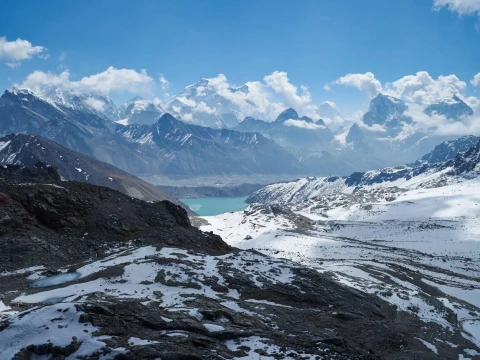
The Gokyo Lake Trek via Renjo La Pass is one of the most scenic and less crowded trekking routes in the Everest region of Nepal. This journey passes through beautiful Sherpa villages, alpine valleys, glacial rivers, and turquoise high-altitude lakes of the Gokyo Valley. The trek also includes crossing the challenging but rewarding Renjo La Pass (5,360m), which offers panoramic views of Everest, Lhotse, Makalu, and Cho Oyu.This itinerary starts from Kathmandu and continues with a thrilling flight to Lukla, followed by trekking through Phakding, Namche Bazaar, and higher Himalayan settlements up to Gokyo Lakes. The route is famous for its dramatic landscapes, glacial lakes, and the peaceful environment compared to the busy Everest Base Camp trail.Scenic flight from Kathmandu to LuklaUNESCO-listed Sagarmatha National Park trailsGokyo Lakes (turquoise alpine lakes)Renjo La Pass panoramic Himalayan viewsAuthentic Sherpa culture and villagesNepal Journey Travels ensures experienced guides, safe acclimatization planning, and well-organized logistics for a smooth trekking experience.Best Season for Gokyo Lake Trek via Renjo La PassThe best time for the Gokyo Lake Trek via Renjo La Pass is during spring (March to May) and autumn (September to November). These seasons offer the clearest mountain views, stable weather, and safe trekking conditions for high passes like Renjo La. Spring brings blooming rhododendrons, while autumn provides crystal-clear skies after the monsoon.Winter (December to February) is possible but very cold, especially above Dole and Gokyo Valley. Snow can block Renjo La Pass, making it more technical. Monsoon season (June to August) is not recommended due to heavy rain, slippery trails, and flight disruptions at Lukla.Seasonal highlights:Spring: Flowers, mild temperature, great visibilityAutumn: Best mountain clarity and stable weatherWinter: Quiet trails but extreme coldMonsoon: Not recommended due to flight delays and rainNepal Journey Travels schedules treks mainly in peak seasons to ensure safety, better visibility, and successful Renjo La crossing.Difficulty and TransportationThe Gokyo Lake Trek via Renjo La Pass is considered moderate to challenging due to high altitude and the demanding climb over Renjo La Pass (5,360m). Proper acclimatization is essential, especially during the ascent from Machhermo to Gokyo and later toward Lumde.Transportation begins with a scenic mountain flight from Kathmandu to Lukla, one of the most adventurous airports in the world. From there, the trek continues on foot through Namche Bazaar, Dole, Machhermo, Gokyo, and across the pass to the return route via Thame and back to Lukla.Difficulty factors:High altitude above 5,000mLong trekking days (5–8 hours average)Steep ascent at Renjo La PassCold weather conditionsLimited oxygen levels at higher campsNepal Journey Travels provides trained guides, emergency oxygen support, and well-planned acclimatization days (Namche & Gokyo) to reduce altitude sickness risks.Food and AccommodationDuring the Gokyo Lake Trek via Renjo La Pass, accommodation is mainly in teahouses and mountain lodges. These are simple but comfortable, offering basic rooms with twin beds, warm blankets, and shared bathrooms in higher regions like Dole and Gokyo.Meals are freshly prepared in local teahouses and typically include Nepali, Tibetan, and international dishes. As altitude increases, menu variety becomes limited due to transportation challenges, but food remains nutritious and energy-rich.Typical food options:Dal Bhat (rice, lentils, vegetables)Noodles, pasta, and fried riceTibetan bread and soupsEggs, potatoes, and porridgeTea, coffee, and hot lemon drinksAccommodation quality decreases with altitude, especially in Lumde and Renjo La crossing zones, where facilities are basic but warm hospitality remains strong.Nepal Journey Travels ensures clean lodges, hygienic meals, and pre-booked accommodations during peak seasons for a hassle-free trekking experience.Permits for Gokyo Lake Trek via Renjo La PassTo trek in the Gokyo Lake and Renjo La region, several official permits are required. These are regulated by the Government of Nepal and conservation authorities to protect the fragile Himalayan ecosystem.All trekkers must obtain entry permits before starting the journey from Kathmandu or through registered trekking agencies like Nepal Journey Travels.Required permits:Sagarmatha National Park Entry PermitKhumbu Pasang Lhamu Rural Municipality PermitTIMS (Trekkers’ Information Management System) Card (if applicable)These permits help regulate trekking traffic, ensure safety tracking, and support local development in the Everest region. Your trekking company usually handles all paperwork before departure to avoid delays at checkpoints in places like Monjo and Namche Bazaar.Nepal Journey Travels manages all permit arrangements, ensuring trekkers do not face administrative stress during the journey.Why Choose Gokyo Lake Trek via Renjo La PassThe Gokyo Lake Trek via Renjo La Pass is one of the best alternatives to the classic Everest Base Camp route. It offers quieter trails, more natural beauty, and one of the most breathtaking Himalayan viewpoints from Renjo La Pass. The reflection of snow peaks in Gokyo Lakes is considered one of the most beautiful sights in Nepal.This trek is ideal for adventure seekers who want a balance of culture, wilderness, and high-altitude challenge. Compared to other Everest region treks, this route is less crowded, more peaceful, and deeply immersive in Sherpa traditions and mountain life.Why choose this trek:Less crowded than Everest Base Camp routeStunning Gokyo Lakes and glacier viewsPanoramic Everest range from Renjo La PassCultural experience in Sherpa villagesAdventure + scenic beauty combinedNepal Journey Travels specializes in this route with experienced guides, safety-focused itineraries, and personalized service to make your Himalayan journey unforgettable.
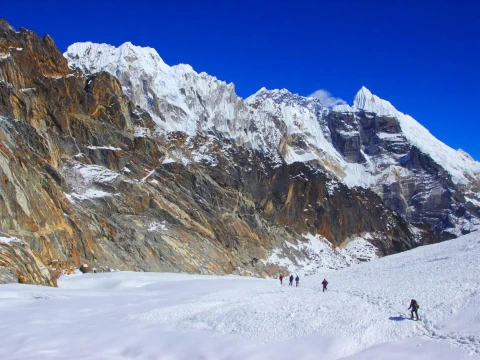
The Everest Base Camp Trek via Gokyo Lakes and Cho La Pass is one of the most rewarding and adventurous trekking journeys in the Everest region of Nepal. This spectacular route combines the classic Everest Base Camp trail with the breathtaking turquoise Gokyo Lakes and the challenging Cho La Pass (5,420m), offering trekkers an unforgettable Himalayan experience. Organized by Nepal Journey Travels, this trek allows travelers to witness the world's highest mountain, Mount Everest (8,848.86m), while exploring remote Sherpa villages, ancient monasteries, glacial valleys, and pristine alpine lakes.Beginning with a scenic flight from Kathmandu to Lukla, the trek follows the famous Dudh Koshi Valley through Phakding and Namche Bazaar before diverting toward the tranquil Gokyo Valley. Trekkers ascend Gokyo Ri (5,360m), renowned for offering one of the finest panoramic viewpoints in the Himalayas. After crossing the thrilling Cho La Pass, the route joins the traditional Everest Base Camp trail, leading to Lobuche, Gorak Shep, Everest Base Camp, and Kala Patthar before descending back to Lukla.Scenic flight between Kathmandu and LuklaExplore the beautiful Gokyo LakesSunrise view from Gokyo Ri (5,360m)Cross the adventurous Cho La Pass (5,420m)Visit Everest Base Camp (5,364m)Spectacular panorama from Kala Patthar (5,550m)Experience authentic Sherpa culture and hospitalityBest Season for Everest Base Camp Trek via Gokyo Lakes and Cho La PassThe best time to undertake the Everest Base Camp Trek via Gokyo Lakes and Cho La Pass is during the spring (March to May) and autumn (September to November) seasons. These periods offer stable weather conditions, clear mountain views, and comfortable trekking temperatures. During spring, rhododendron forests bloom across the lower trails, adding vibrant colors to the landscape, while the snow-capped peaks stand brilliantly against blue skies.Autumn is equally popular due to its crystal-clear visibility and dry weather. The post-monsoon atmosphere provides some of the best mountain photography opportunities. The trails are lively with trekkers from around the world, and temperatures remain suitable for high-altitude trekking. Although winter and monsoon treks are possible, they require greater preparation due to snow-covered passes and challenging weather conditions.Recommended SeasonsSpring: March, April, MayAutumn: September, October, NovemberWinter: Suitable for experienced trekkersMonsoon: Less crowded but wetter conditionsEverest Base Camp Trek via Gokyo Lakes and Cho La Pass: Difficulty and TransportationThe Everest Base Camp Trek via Gokyo Lakes and Cho La Pass is considered a challenging trek due to its high altitude, steep ascents, and the crossing of Cho La Pass. Trekkers reach elevations above 5,500 meters, where proper acclimatization becomes essential. The itinerary includes acclimatization days in Namche Bazaar and gradual altitude gains to minimize the risk of altitude sickness. Participants should have a good level of physical fitness and be prepared for daily walks of 5–8 hours.Transportation for the trek primarily involves a domestic flight between Kathmandu and Lukla, which offers spectacular aerial views of the Himalayas. From Lukla onward, all travel is completed on foot along well-established trekking trails. Nepal Journey Travels carefully manages logistics, including airport transfers, flight arrangements, guides, and porter services to ensure a safe and enjoyable trekking experience.Trek Difficulty FactsDifficulty Level: Moderate to ChallengingMaximum Elevation: Kala Patthar (5,550m)Trek Duration: 16 DaysDaily Walking: 5–8 HoursRequires good physical fitnessFood and Accommodation for Everest Base Camp Trek via Gokyo Lakes and Cho La PassDuring the trek, trekkers stay in comfortable mountain teahouses operated by local families. These lodges provide basic but cozy accommodation, typically offering twin-sharing rooms with blankets and communal dining halls heated by traditional stoves. Facilities become more basic as the altitude increases, particularly in areas near Cho La Pass, Lobuche, and Gorak Shep.Food along the route is nutritious and designed to support high-altitude trekking. Teahouse menus include traditional Nepali dishes, Sherpa specialties, Tibetan bread, soups, noodles, rice meals, potatoes, pasta, pancakes, and hot beverages. The popular Dal Bhat meal is highly recommended as it provides energy and often includes unlimited refills. Nepal Journey Travels ensures that trekkers receive safe and hygienic meals throughout the journey.Common Meals AvailableDal Bhat (rice, lentils, vegetables)Noodles and pastaFried rice and potatoesTibetan bread and pancakesSoups and hot drinksTea, coffee, and herbal beveragesEverest Base Camp Trek via Gokyo Lakes and Cho La Pass PermitsTrekkers undertaking the Everest Base Camp Trek via Gokyo Lakes and Cho La Pass require specific permits issued by the Nepalese authorities. These permits help support conservation efforts, trail maintenance, and local community development throughout the Khumbu region. Nepal Journey Travels arranges all necessary permits before the trek begins, allowing guests to focus entirely on their adventure.The required permits include the Sagarmatha National Park Entry Permit and the Khumbu Pasang Lhamu Rural Municipality Permit. Both permits are checked at various points along the trekking route. Carrying valid identification and permit documents throughout the trek is mandatory.Required PermitsSagarmatha National Park Entry PermitKhumbu Pasang Lhamu Rural Municipality PermitPassport copy and photographsPermit management by Nepal Journey TravelsWhy Choose Everest Base Camp Trek via Gokyo Lakes and Cho La PassThe Everest Base Camp Trek via Gokyo Lakes and Cho La Pass offers a more comprehensive Everest experience compared to the standard Everest Base Camp route. Trekkers not only visit the legendary Everest Base Camp but also explore the stunning Gokyo Lakes, enjoy the remarkable viewpoint of Gokyo Ri, and cross the dramatic Cho La Pass. This combination creates a diverse adventure filled with incredible scenery, cultural encounters, and high-altitude achievements.Choosing Nepal Journey Travels ensures professional trekking services backed by experienced local guides, knowledgeable support staff, and personalized attention. The company prioritizes safety, responsible tourism, and customer satisfaction while delivering authentic Himalayan experiences. Whether you are seeking breathtaking mountain views, cultural immersion, or a once-in-a-lifetime trekking challenge, this trek provides everything needed for an unforgettable journey in the Everest region.Why Trek with Nepal Journey Travels?Experienced local trekking guidesWell-planned acclimatization itineraryReliable transportation arrangementsQuality teahouse accommodationCompetitive pricing and personalized serviceStrong focus on safety and customer careAuthentic Himalayan and Sherpa cultural experiences
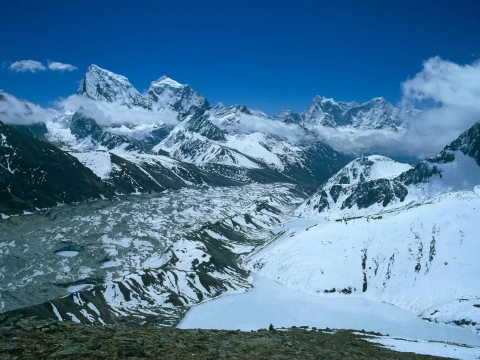
The Gokyo Valley Cho La Pass via Everest Base Camp (EBC) Trek is one of the most rewarding and adventurous trekking experiences in the Everest region of Nepal. This remarkable journey combines the classic Everest Base Camp route with the stunning turquoise lakes of Gokyo Valley and the thrilling crossing of Cho La Pass (5,367m). The trek offers a perfect blend of Himalayan landscapes, Sherpa culture, high mountain passes, glaciers, and breathtaking viewpoints. Trekkers get the opportunity to visit the world-famous Everest Base Camp, hike to Kala Patthar for panoramic mountain views, and explore the pristine Gokyo Lakes before returning through the beautiful Gokyo Valley.Organized by Nepal Journey Travels, this 18-day trekking adventure is carefully designed to ensure proper acclimatization and maximum enjoyment. The itinerary includes scenic flights to Lukla, visits to traditional Sherpa villages, exploration of ancient monasteries, and incredible views of Mount Everest, Lhotse, Nuptse, Makalu, Cho Oyu, and many other Himalayan giants. The trek is ideal for adventurous travelers seeking a more comprehensive Everest experience beyond the standard Everest Base Camp Trek.Scenic mountain flight between Kathmandu and LuklaVisit to Everest Base Camp (5,364m)Sunrise hike to Kala Patthar (5,643m)Crossing the challenging Cho La Pass (5,367m)Explore the beautiful Gokyo LakesHike to Gokyo Ri (5,357m)Experience authentic Sherpa culture and hospitalityStunning views of Everest and surrounding peaksBest Season for Gokyo Valley Cho La Pass via EBC TrekThe best time to undertake the Gokyo Valley Cho La Pass via EBC Trek is during the spring (March to May) and autumn (September to November) seasons. During spring, the weather remains stable, temperatures are moderate, and the trails come alive with colorful rhododendron blooms. The skies are generally clear, offering spectacular mountain views throughout the journey. This season is particularly popular among trekkers because of the pleasant trekking conditions and excellent visibility.Autumn is another ideal season for this trek. Following the monsoon rains, the atmosphere becomes crystal clear, revealing breathtaking panoramic views of the Himalayas. The temperatures are comfortable during the day, while the dry weather makes trail conditions favorable. Autumn also coincides with Nepal’s major festivals, allowing trekkers to experience local traditions and cultural celebrations.Winter trekking from December to February is possible but involves colder temperatures and occasional snow at higher elevations. The monsoon season from June to August brings heavy rainfall and cloudy conditions, which can affect flights and visibility.Recommended Seasons:Spring (March – May)Autumn (September – November)Possible but Challenging:Winter (December – February)Less Recommended:Monsoon (June – August)Gokyo Valley Cho La Pass via EBC Trek Difficulty and TransportationThe Gokyo Valley Cho La Pass via EBC Trek is considered a moderately challenging to strenuous trekking adventure. Trekkers must walk for approximately 5 to 8 hours per day across rugged mountain trails while gaining significant altitude. The crossing of Cho La Pass demands good physical fitness, endurance, and determination. Proper acclimatization days in Namche Bazaar and Dingboche help minimize the risk of altitude sickness and improve trekking success.Although technical climbing skills are not required, participants should be prepared for steep ascents, rocky paths, glacier crossings, and changing weather conditions. Previous trekking experience is beneficial but not mandatory. With adequate preparation and guidance from experienced trekking leaders of Nepal Journey Travels, most healthy and determined trekkers can complete this trek.Transportation begins with airport pickup in Kathmandu and transfer to the hotel. The trek includes a thrilling domestic flight between Kathmandu and Lukla, which serves as the gateway to the Everest region. After completing the trek, trekkers fly back from Lukla to Kathmandu before their international departure.Difficulty Level:Moderate to StrenuousDaily walking: 5–8 hoursMaximum altitude: 5,643m (Kala Patthar)Suitable for physically fit trekkersTransportation Included:Airport transfersKathmandu hotel transfersKathmandu–Lukla flightLukla–Kathmandu flightFood and Accommodation for Gokyo Valley Cho La Pass via EBC TrekAccommodation during the trek is provided in comfortable mountain teahouses operated by local families. These lodges offer basic but clean rooms with twin-sharing arrangements and communal dining halls where trekkers can relax and socialize. In Kathmandu, trekkers stay in a comfortable hotel before and after the trek. As the altitude increases, accommodation becomes more basic, but the warmth and hospitality of the local Sherpa people create a memorable experience.Food along the trekking route is nutritious and designed to provide the energy needed for high-altitude trekking. Trekkers can enjoy a variety of local and international meals, including Dal Bhat, noodles, pasta, fried rice, soups, pancakes, eggs, potatoes, and hot beverages. Drinking plenty of fluids and maintaining a balanced diet is essential throughout the trek.Accommodation Features:Comfortable hotel in KathmanduTraditional teahouse lodgesTwin-sharing roomsFriendly local hospitalityPopular Food Options:Dal Bhat (Nepali meal)Fried rice and noodlesPasta and potatoesSoups and breadTea, coffee, and hot drinksGokyo Valley Cho La Pass via EBC Trek PermitsSeveral permits are required for the Gokyo Valley Cho La Pass via EBC Trek. These permits are mandatory for entering the Everest region and help support conservation efforts, trail maintenance, and local community development. Nepal Journey Travels arranges all necessary permits on behalf of trekkers, ensuring a hassle-free trekking experience.The primary permits include the Khumbu Pasang Lhamu Rural Municipality Entry Permit and the Sagarmatha National Park Entry Permit. Trekkers must carry these permits throughout the journey, as they are checked at various checkpoints along the route. A valid passport and passport-sized photographs may be required during the permit application process.Required Permits:Khumbu Pasang Lhamu Rural Municipality PermitSagarmatha National Park Entry PermitPermit Services by Nepal Journey Travels:Permit processing assistanceDocumentation supportTrekking logistics managementUpdated permit informationWhy Choose Gokyo Valley Cho La Pass via EBC TrekThe Gokyo Valley Cho La Pass via EBC Trek is widely regarded as one of the finest trekking routes in Nepal because it combines multiple iconic destinations into a single adventure. Unlike the standard Everest Base Camp Trek, this route allows trekkers to explore the stunning Gokyo Lakes, enjoy less crowded trails, and cross the dramatic Cho La Pass while still reaching Everest Base Camp and Kala Patthar. The diversity of landscapes and experiences makes this trek exceptionally rewarding.Choosing Nepal Journey Travels ensures a professionally organized and memorable trekking experience. Our experienced guides, personalized service, safety-focused approach, and commitment to customer satisfaction make us a trusted trekking company in Nepal. We carefully manage every aspect of the journey, from transportation and permits to accommodation and local support, allowing trekkers to focus entirely on enjoying the adventure.Why Trek with Nepal Journey Travels?Experienced local trekking guidesCarefully planned itineraryStrong focus on safety and acclimatizationReliable transportation and logisticsPersonalized customer serviceCompetitive pricingAuthentic cultural experiencesHigh success rate on Everest region treksJoin Nepal Journey Travels for the unforgettable Gokyo Valley Cho La Pass via Everest Base Camp Trek and experience the best of the Everest region through breathtaking mountain scenery, rich Sherpa culture, and once-in-a-lifetime Himalayan adventures.
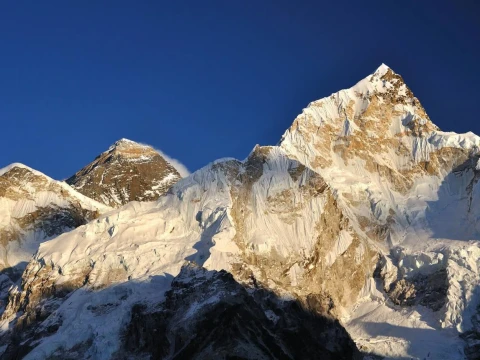
The Everest Base Camp Luxury Trek is one of the most iconic Himalayan journeys, offering a balanced blend of adventure, comfort, and breathtaking mountain scenery. Operated by Nepal Journey Travels, this itinerary follows the classic trail from the lower Khumbu region up to the foot of the world’s highest peak, Mount Everest Base Camp, while ensuring enhanced comfort in accommodations and services compared to standard trekking.The journey begins in Kathmandu and quickly transitions into the dramatic mountain landscape after a scenic flight to Lukla Airport. From there, trekkers pass through culturally rich Sherpa villages such as Namche Bazaar, Tengboche, and Dingboche, gradually ascending toward the high-altitude zones of Lobuche and Gorakshep.This luxury version of the trek includes carefully selected lodges, better meal options, acclimatization support, and experienced guides from Nepal Journey Travels. The highlight is reaching Everest Base Camp and the early morning hike to Kala Patthar for panoramic views of Mount Everest.Scenic mountain flight to LuklaCultural immersion in Sherpa villagesLuxury lodge accommodationsEverest Base Camp & Kala Patthar viewsProfessional guides by Nepal Journey TravelsBest Season for Everest Base Camp Luxury TrekThe best time for the Everest Base Camp Luxury Trek is during spring (March–May) and autumn (September–November). These seasons offer stable weather, clear skies, and excellent mountain visibility, making them ideal for trekking in the Everest region managed by Nepal Journey Travels.Spring brings blooming rhododendrons and moderate temperatures, while autumn offers crisp air and the clearest Himalayan views. During these months, trails through Phakding, Namche Bazaar, and Tengboche are lively yet manageable, providing a comfortable trekking experience.Winter (December–February) is extremely cold at higher elevations like Dingboche and Lobuche, while the monsoon season (June–August) brings heavy rainfall, landslides, and flight delays to Lukla.Best season highlights:March–May: Flowers, stable weatherSept–Nov: Clear skies, best visibilityAvoid the monsoon due to rain and flight disruptionsWinter only for experienced cold-weather trekkersEverest Base Camp Luxury Trek Difficulty and TransportationAlthough the Everest Base Camp Luxury Trek does not require technical climbing skills, it is considered moderate to challenging due to high altitude, long walking hours, and rugged terrain. Nepal Journey Travels ensures proper acclimatization days in Namche Bazaar and Dingboche to reduce altitude sickness risks.Daily trekking ranges from 5–8 hours, with gradual elevation gain from Lukla up to over 5,500m at Kala Patthar. The terrain includes stone staircases, suspension bridges, and steep ascents, especially between Namche Bazaar and Tengboche.Transportation begins with a domestic mountain flight from Kathmandu to Lukla, followed by trekking on foot. Return follows the same route back to Lukla and another scenic flight to Kathmandu.Difficulty & transport summary:Moderate–challenging trekking levelRequires good fitness and staminaFlight: Kathmandu → Lukla → KathmanduWalking: 5–8 hours dailyAltitude peak: Kala Patthar (5,550m)Food and Accommodation for Everest Base Camp Luxury TrekNepal Journey Travels provides upgraded luxury lodge accommodations compared to standard teahouses. Rooms are typically private or twin-shared with better insulation, attached bathrooms (in lower regions), and improved hygiene standards, especially in places like Namche Bazaar and Dingboche.Meals include a variety of nutritious options such as Nepali, continental, and high-energy trekking foods. Popular dishes include dal bhat, pasta, soups, eggs, pancakes, and seasonal vegetables. At higher elevations like Gorakshep and Lobuche, food choices become simpler but still hygienic and sufficient.Accommodation & food highlights:Luxury lodges in lower and mid-altitudesBasic but comfortable lodges at high altitudeHygienic meals prepared fresh dailyVariety: Nepali, Tibetan, and continental dishesSafe drinking water managementEverest Base Camp Luxury Trek PermitsFor trekking in the Everest region, several official permits are required, all arranged by Nepal Journey Travels before or during the trek. These permits ensure legal access and support conservation efforts in the Himalayas.The main permits include the Sagarmatha National Park Entry Permit and the Khumbu Pasang Lhamu Rural Municipality Permit. These are checked at multiple entry points along the trail, including Monjo and Namche Bazaar.All paperwork is handled by the trekking company, allowing trekkers to focus on the journey without administrative stress.Permit summary:Sagarmatha National Park PermitKhumbu local area permitPassport copy requiredManaged fully by Nepal Journey TravelsChecked at multiple trekking checkpointsWhy Choose Everest Base Camp Luxury TrekChoosing the Everest Base Camp Luxury Trek with Nepal Journey Travels ensures a safer, more comfortable, and well-supported Himalayan experience. Unlike standard trekking packages, the luxury version emphasizes rest, acclimatization, and upgraded services while still delivering the raw beauty of the Everest region.The itinerary is carefully designed to reduce altitude risks while maximizing scenic exposure, cultural interaction, and personal comfort. Experienced guides, porter support, and well-managed logistics make the journey smoother from Kathmandu to Everest Base Camp.Why choose this trek:Premium lodge accommodation upgradesExperienced local guides and safety supportProper acclimatization scheduleHassle-free logistics and permitsBest balance of comfort and adventureOperated by trusted Nepal Journey Travels
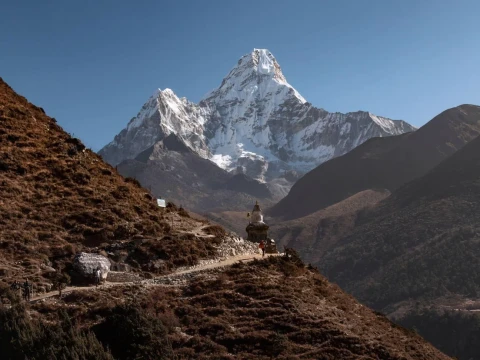
The Ama Dablam Base Camp Trek is one of the most scenic and culturally rich trekking experiences in the Everest region of Nepal. Organized professionally by Nepal Journey Travels, this journey takes trekkers deep into the Khumbu Valley, offering breathtaking views of Mount Everest, Lhotse, Nuptse, and the iconic pyramid-shaped Ama Dablam itself. Unlike the classic Everest Base Camp route, this trek provides a quieter, more immersive Himalayan experience with fewer crowds and more authentic Sherpa village encounters.The trek begins with a thrilling flight to Lukla, followed by a gradual ascent through Phakding, Namche Bazaar, and Pangboche, eventually reaching Ama Dablam Base Camp at around 4,600 meters. Each day introduces diverse landscapes—from lush rhododendron forests and suspension bridges to alpine terrain and glacial valleys. The highlight is standing at the base of Ama Dablam, often called the “Matterhorn of the Himalayas,” admired for its sharp ridges and dramatic beauty.With Nepal Journey Travels, trekkers are supported by experienced guides, proper acclimatization planning, and safety-focused itineraries. This ensures both adventure and comfort throughout the journey.Scenic Himalayan flight to LuklaSherpa culture and Buddhist monasteriesClose-up views of Ama Dablam peakModerate trekking with acclimatization stopsProfessionally guided experience by Nepal Journey TravelsBest Season for Ama Dablam Base Camp TrekThe best time to undertake the Ama Dablam Base Camp Trek is during spring (March to May) and autumn (September to November), when the Himalayan weather is most stable. During these seasons, trekkers enjoy crystal-clear mountain views, mild temperatures, and well-defined trekking trails. Spring brings blooming rhododendrons and lush greenery, while autumn offers crisp air and excellent visibility after the monsoon season.Winter trekking (December to February) is possible but challenging due to heavy snowfall and extremely cold temperatures at higher altitudes. Similarly, the monsoon season (June to August) brings rain, slippery trails, and limited mountain visibility, making trekking less favorable. However, Nepal Journey Travels can still organize customized off-season trips for experienced trekkers who prefer solitude and adventure.Choosing the right season significantly impacts safety, scenery, and overall trekking enjoyment. Proper planning with a trusted company like Nepal Journey Travels ensures you get updated weather forecasts, flexible itineraries, and expert guidance to maximize your trekking experience.Key Points:Best seasons: Spring & AutumnSpring: flowers, greenery, stable weatherAutumn: clear skies, best mountain viewsWinter: cold, snow-heavy, challengingMonsoon: wet, slippery, low visibilityAma Dablam Base Camp Trek Difficulty and TransportationThe Ama Dablam Base Camp Trek is considered moderate to moderately challenging, suitable for trekkers with reasonable fitness and some prior hiking experience. The trail involves long walking days (5–7 hours on average), gradual altitude gain, and rugged Himalayan terrain. While technical climbing is not required, altitude acclimatization is essential as the trek reaches above 4,600 meters.Transportation begins with a scenic and adventurous flight from Kathmandu to Lukla, one of the world’s most thrilling airports. From Lukla, all travel is on foot through mountain trails, suspension bridges, and Sherpa settlements. The return journey follows the same route back to Lukla, followed by a flight to Kathmandu. Nepal Journey Travels manages all logistics, including flights, permits, guides, and emergency support if needed.Altitude sickness is a potential risk, but the itinerary is designed with proper acclimatization days in Namche Bazaar and gradual elevation gain. Trekkers are advised to maintain a steady pace, stay hydrated, and follow the guide's instructions carefully.Key Points:Difficulty: Moderate to challengingDaily walking: 5–7 hours averageNo technical climbing requiredFlight: Kathmandu ↔ LuklaFoot trekking throughout the Khumbu regionAcclimatization is included for safetyFood and Accommodation for Ama Dablam Base Camp TrekAccommodation during the Ama Dablam Base Camp Trek consists mainly of comfortable teahouses and mountain lodges run by local Sherpa families. These lodges provide basic yet warm hospitality, with twin-sharing rooms, blankets, and shared bathroom facilities in most locations. In lower regions like Namche Bazaar, accommodations are more developed, while higher villages like Pangboche offer simpler but cozy stays.Meals are freshly prepared and include a mix of Nepali, Tibetan, and basic Western dishes. Common food options include dal bhat (rice and lentils), noodles, pasta, soups, potatoes, eggs, and tea/coffee. As altitude increases, food options become more limited due to transportation constraints, but meals remain nutritious and energy-rich for trekking needs. Nepal Journey Travels ensures hygienic food arrangements and selects reliable teahouses for safe lodging.Drinking water is available in lodges, though trekkers are advised to use purification tablets or boiled water. Hot showers and charging facilities are available in most stops for an additional cost.Key Points:Teahouse accommodation throughout trekTwin rooms with basic amenitiesTraditional Nepali and Western mealsHygienic food arranged by Nepal Journey TravelsLimited facilities at higher altitude villagesSafe drinking water with purification optionsAma Dablam Base Camp Trek PermitsTo trek in the Everest region and reach Ama Dablam Base Camp, several permits are required by the Nepal government. The main permits include the Sagarmatha National Park Entry Permit and the Khumbu Pasang Lhamu Rural Municipality Permit. These permits are mandatory for all trekkers and are checked at multiple entry points along the trail.The Sagarmatha National Park Permit helps support conservation efforts in the Everest region, while the Khumbu permit contributes to local community development. Nepal Journey Travels handles all permit arrangements on behalf of trekkers, ensuring a hassle-free experience without administrative stress.Trekkers are required to carry valid passports and passport-sized photos for permit processing. It is highly recommended to obtain all permits through a registered trekking agency like Nepal Journey Travels, as it ensures authenticity and compliance with local regulations.Key Points:Sagarmatha National Park Permit requiredKhumbu Rural Municipality Permit requiredPassport and photos neededChecked at multiple trekking pointsArranged by Nepal Journey TravelsMandatory for legal trekking accessWhy Choose Ama Dablam Base Camp Trek with Nepal Journey TravelsChoosing Nepal Journey Travels for the Ama Dablam Base Camp Trek ensures a safe, well-organized, and memorable Himalayan adventure. The company provides experienced trekking guides, personalized itineraries, and full logistical support from arrival in Kathmandu to departure. Their deep knowledge of the Everest region guarantees that trekkers experience both natural beauty and cultural richness in the best possible way.Safety is a top priority, with proper acclimatization schedules, emergency planning, and constant monitoring of trekkers’ health conditions. In addition, Nepal Journey Travels emphasizes responsible tourism by supporting local communities, promoting eco-friendly trekking practices, and ensuring fair wages for guides and porters.Beyond logistics, the company enhances the trekking experience with cultural insights, storytelling, and local interactions, making the journey more meaningful. Whether you are a first-time trekker or an experienced adventurer, their team ensures comfort, guidance, and confidence throughout the journey.Key Points:Experienced licensed guides and portersFully managed logistics and permitsStrong focus on safety and acclimatizationSupport for local communitiesEco-friendly and responsible tourismPersonalized trekking experience
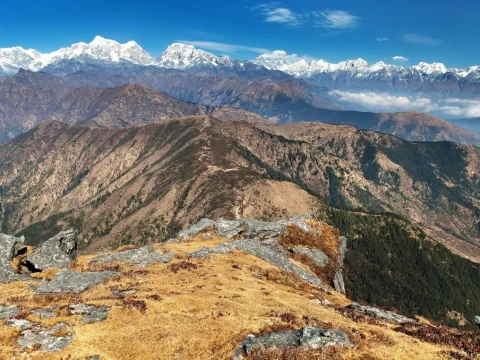
The Pikey Peak Trek is one of the most scenic and culturally rich short treks in the lower Everest region of Nepal, offering breathtaking Himalayan views without extreme altitude challenges. This itinerary takes you through peaceful Sherpa villages, rhododendron forests, ancient monasteries, and panoramic viewpoints, culminating at the famous Pikey Peak summit. From here, trekkers can witness an unforgettable sunrise over the Himalayan range, including views of Mount Everest, Makalu, Kanchenjunga, and Lhotse on clear days.This 11-day journey, organized by Nepal Journey Travels, starts in Kathmandu and gradually ascends through rural landscapes, allowing proper acclimatization. Key settlements like Dhap Bazaar, Jhapre, Junbesi, and Phaplu provide authentic cultural exposure to Sherpa and Tamang communities.Sunrise view from Pikey Peak summit (4,065m)Cultural immersion in traditional Sherpa villagesBuddhist monasteries like ThuptenchholingLess crowded alternative to the Everest Base Camp routeGradual altitude gain for safer trekkingThe trek is ideal for those seeking Himalayan beauty, cultural depth, and moderate adventure without extreme technical difficulty.Best Season for Pikey Peak TrekThe best time to experience the Pikey Peak Trek is during spring (March to May) and autumn (September to November). These seasons offer stable weather, clear skies, and excellent mountain visibility. Spring brings blooming rhododendrons that color the trails, while autumn offers crisp air and the clearest Himalayan panoramas.Winter trekking is also possible, especially for experienced trekkers, but temperatures at higher elevations like Pikey Peak can drop significantly, often below freezing. Monsoon season (June to August) is generally less recommended due to heavy rainfall, slippery trails, and obstructed mountain views.Seasonal Breakdown:Spring: Flowers, greenery, stable weatherAutumn: Best visibility, ideal trekking conditionsWinter: Cold but peaceful, fewer trekkersMonsoon: Rainy, limited visibility, leech-prone trailsWith Nepal Journey Travels, trekking schedules are carefully adjusted based on seasonal conditions to ensure safety and maximum scenic experience.Pikey Peak Trek Difficulty and TransportationThe Pikey Peak Trek is considered easy to moderate, making it suitable for beginners with reasonable fitness levels. The highest point is Pikey Peak (4,065m), but the gradual ascent helps minimize altitude sickness risk. Daily walking ranges from 4 to 7 hours across mixed terrain, including forest trails, stone steps, and gentle ridgelines.Transportation begins with a drive from Kathmandu to Dhap Bazaar, followed by trekking through remote mountain villages. The return journey from Phaplu back to Kathmandu is also by road, which may take 7–9 hours depending on conditions.Difficulty Features:Moderate trekking hours (4–7 hrs/day)Gradual altitude gain (safe acclimatization)No technical climbing requiredSome steep uphill and downhill sectionsTransportation Summary:Kathmandu → Dhap Bazaar (jeep/bus drive)Trekking route across mid-hill villagesPhaplu → Kathmandu (road transfer)Nepal Journey Travels ensures comfortable transport arrangements, experienced guides, and flexible pacing for all trekkers.Food and Accommodation for Pikey Peak TrekAccommodation along the Pikey Peak route is mainly in basic teahouses and local lodges. These provide simple but comfortable rooms with twin beds, blankets, and shared bathroom facilities. In remote villages such as Jhapre and Jasmane Bhanjyang, facilities are more rustic, but hospitality is warm and authentic.Meals are freshly prepared in teahouses and typically include Nepali, Tibetan, and basic Western dishes. The staple food is dal bhat (rice, lentil soup, vegetables), which provides excellent energy for trekking.Food Options:Dal Bhat (energy-rich local meal)Noodles, pasta, and fried riceTibetan bread, eggs, and soupsTea, coffee, and hot lemon drinksAccommodation Highlights:Family-run teahousesShared or private basic roomsCommunal dining areas with heaters (some lodges)Nepal Journey Travels ensures hygienic meal arrangements and selects the best available lodges to balance comfort and authentic local experience throughout the trek.Pikey Peak Trek PermitsTo undertake the Pikey Peak Trek, trekkers require specific permits issued by Nepalese authorities. Since the route passes through rural Himalayan regions, proper documentation is mandatory for conservation and safety purposes.The main required permits include the TIMS card (Trekkers’ Information Management System) and the Gaurishankar Conservation Area Permit (GCAP), as parts of the route fall under protected regions.Required Permits:TIMS Card (trekker registration)Gaurishankar Conservation Area Permit (GCAP)Local entry permits (if applicable)These permits are arranged in Kathmandu before departure by Nepal Journey Travels, ensuring a hassle-free trekking experience. Trekkers are advised to carry passport copies, passport-sized photos, and valid identification.Permit checkpoints may be found along the route, especially near entry points to conservation areas. Having proper permits ensures smooth travel and supports local conservation and community development projects.Why Choose Pikey Peak TrekThe Pikey Peak Trek is ideal for travelers who want an authentic Himalayan experience without the crowds of more commercial routes. It combines stunning mountain scenery, cultural richness, and manageable trekking difficulty, making it one of the best short treks in Nepal.One of the biggest attractions is the sunrise view from Pikey Peak, famously admired by mountaineer Sir Edmund Hillary as one of his favorite viewpoints of Everest. The trail also passes through culturally rich villages like Junbesi, offering deep insight into Sherpa traditions and Buddhist heritage.Top Reasons to Choose This Trek:Less crowded and peaceful trailsPanoramic Himalayan sunrise viewsRich Sherpa and Buddhist cultureSuitable for beginners and familiesAffordable and short trekking durationWith Nepal Journey Travels, trekkers benefit from experienced guides, personalized service, and well-organized logistics from arrival to departure. The combination of natural beauty and cultural immersion makes this trek a hidden gem in Nepal’s Everest region.
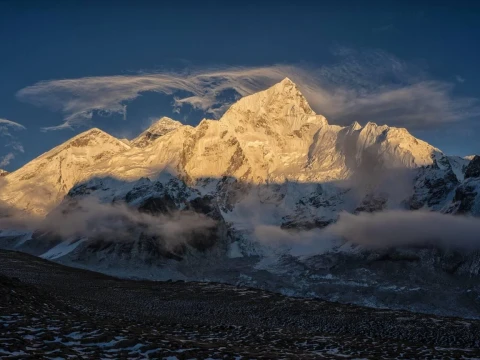
The Everest Base Camp Trek from Salleri is a classic and less crowded alternative to the direct flight-to-Lukla route. This itinerary begins with a long but scenic drive from Kathmandu to Salleri, followed by a gradual trekking ascent through traditional Sherpa villages, dense rhododendron forests, and high alpine valleys leading all the way to Everest Base Camp. The route is designed to improve acclimatisation by starting at a lower elevation and gaining altitude gradually, which significantly reduces the risk of Acute Mountain Sickness.Operated by Nepal Journey Travels, this itinerary is ideal for trekkers who prefer a more immersive cultural journey combined with a physically rewarding Himalayan experience. Unlike the direct flight route to Lukla, the Salleri route offers a deeper connection with rural Nepal and fewer trekking crowds.The trek includes iconic stops such as Namche Bazaar, Tengboche, Dingboche, and Lobuche, before reaching the ultimate destination of Everest Base Camp and the viewpoint of Kala Patthar.Gradual altitude gain via Salleri routeAuthentic Sherpa culture and villagesLess crowded trails compared to Lukla flight routeScenic forests, rivers, and high mountain landscapesSafe acclimatisation-based itineraryBest Season for Everest Base Camp Trek from SalleriThe best time for the Everest Base Camp Trek from Salleri is during the two main trekking seasons in Nepal: spring (March to May) and autumn (September to November). These periods provide the most stable weather conditions, clear mountain views, and comfortable trekking temperatures along the entire route from Salleri to Everest Base Camp.In spring, the trail is beautifully decorated with blooming rhododendrons and lush greenery, especially between Phakding and Namche Bazaar. Autumn, on the other hand, is known for crystal-clear skies and excellent visibility of peaks such as Mount Everest and Ama Dablam. Winter trekking is possible but extremely cold at higher elevations like Lobuche and Gorakshep, while the monsoon season (June–August) brings heavy rain, landslides on the Salleri road, and poor visibility.Nepal Journey Travels recommends spring and autumn departures for the safest and most enjoyable experience, especially for first-time trekkers to the Everest region.Best Season Highlights:Spring (Mar–May): flowers, moderate weatherAutumn (Sep–Nov): best visibility, stable climateWinter: possible but very coldMonsoon: not recommended due to road/landslide riskBest trekking comfort: dry, clear, and stable conditionsEverest Base Camp Trek from Salleri – Difficulty and TransportationThe Everest Base Camp Trek from Salleri is considered a moderate to challenging trek due to its long duration, high altitude, and mixed transportation routes. The journey begins with a 9–10-hour jeep drive from Kathmandu to Salleri, followed by another off-road drive to Thamdanda before starting the trekking section. From there, trekkers gradually ascend through Puiyan, Phakding, Namche Bazaar, and beyond.The trekking difficulty increases significantly after Namche Bazaar as the altitude rises above 3,500 meters. The highest sleeping points are at Lobuche and Gorakshep, while the final hike to Everest Base Camp and Kala Patthar involves thin air and demanding terrain.Transportation is a combination of private jeep travel and trekking. The route is more physically demanding than flying to Lukla but offers better acclimatization and fewer flight delays. Nepal Journey Travels arranges private off-road vehicles to ensure safety and flexibility.Difficulty & Transport Points:Moderate to challenging difficulty levelLong jeep drive (Kathmandu → Salleri)Off-road mountain driving conditionsGradual altitude gain reduces riskDaily trekking 5–7 hours on averageRequires good fitness and enduranceFood and Accommodation for Everest Base Camp Trek from SalleriFood and accommodation during the Everest Base Camp Trek from Salleri are provided in local teahouses along the route. These teahouses are simple but comfortable mountain lodges operated by Sherpa families, especially in villages like Namche Bazaar, Tengboche, and Dingboche. Rooms are usually twin-sharing with basic bedding, blankets, and shared bathrooms at higher altitudes.Food is freshly prepared and includes a mix of Nepali and international trekking meals. The most common dish is dal bhat (rice, lentils, and vegetables), which provides high energy for long trekking days. Other available items include noodles, soups, pasta, eggs, potatoes, and Tibetan bread. In lower regions like Phakding and Namche Bazaar, menus are more diverse compared to higher regions like Lobuche or Gorakshep.Nepal Journey Travels ensures trekkers receive hygienic meals and safe accommodation throughout the journey, selecting reliable teahouses that meet trekking standards.Food & Accommodation Highlights:Teahouse lodging along the entire routeTwin-sharing basic rooms with blanketsNutritious high-energy meals (dal bhat, soups, pasta)Limited luxury at higher elevationsBetter facilities in Namche BazaarHot drinks like tea, coffee, and ginger lemon are availableEverest Base Camp Trek from Salleri – PermitsFor the Everest Base Camp Trek from Salleri, trekkers are required to obtain several official permits issued by the Government of Nepal and local authorities. These permits are essential for entry into the Khumbu region and conservation areas.The main permits include the Sagarmatha National Park Entry Permit and the Khumbu Pasang Lhamu Rural Municipality Permit. These are checked at multiple points along the route, especially after entering the Everest region near Monjo and Namche Bazaar.Nepal Journey Travels handles all necessary permit arrangements for trekkers, ensuring a smooth and hassle-free process before the journey begins. This allows trekkers to focus entirely on the experience rather than on administrative procedures.Permit Requirements:Sagarmatha National Park Entry PermitKhumbu Rural Municipality PermitPassport copy and photos requiredChecked at multiple checkpointsArranged by Nepal Journey TravelsMandatory for all foreign trekkersWhy Choose Everest Base Camp Trek from SalleriChoosing the Everest Base Camp Trek from Salleri offers a unique advantage over the standard flight route to Lukla. It provides a more gradual ascent, better acclimatisation, and a deeper cultural experience through less-touristed villages in lower Solukhumbu. The journey is longer but significantly more rewarding for trekkers who want to experience Nepal beyond the typical tourist trail.With Nepal Journey Travels, trekkers receive full logistical support, including private jeep transport, experienced guides, permit handling, and carefully planned acclimatisation stops such as Namche Bazaar and Dingboche. This makes the trek safer and more comfortable, even for first-time high-altitude trekkers.The Salleri route is also ideal during peak seasons when flights to Lukla are frequently delayed or cancelled due to weather conditions. Starting from Salleri avoids this uncertainty and ensures a more reliable trekking schedule.Why Choose This Route:Better acclimatisation and safetyNo dependency on Lukla flightsMore cultural immersion in rural NepalScenic off-road jeep journeyFewer crowds on the trailFully organised by Nepal Journey Travels
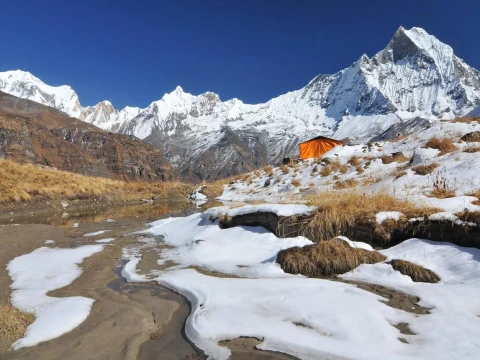
The Annapurna Base Camp (ABC) with Khopra Ridge Trekking is one of the most rewarding combined trekking adventures in Nepal, blending panoramic ridge walking with deep Himalayan sanctuary exploration. This journey connects two iconic viewpoints—Khopra Ridge and Annapurna Base Camp—offering a rare mix of off-the-beaten-path trails and classic Himalayan landscapes. The trek begins in the cultural hub of Kathmandu, passes through the lakeside city of Pokhara, and gradually ascends through rhododendron forests, alpine ridges, and traditional Gurung villages.This itinerary is designed for trekkers who want both solitude and iconic views of the Annapurna range. You experience sunrise at Poon Hill, the remote beauty of Khopra Ridge, and the dramatic amphitheater of Annapurna Base Camp surrounded by peaks over 7,000 meters. The trek is moderately challenging but highly rewarding due to its diversity in scenery and cultural immersion.Sunrise views from Poon Hill viewpointRemote trekking on Khopra RidgeAnnapurna Base Camp glacier basin experienceCultural villages: Ghorepani, Tadapani, ChhomrongHot springs at Jhinu DandaBest Season for Annapurna Base Camp with Khopra Ridge TrekkingThe best time for the Annapurna Base Camp with Khopra Ridge Trekking is during spring (March–May) and autumn (September–November). These seasons provide stable weather conditions, clear skies, and the best mountain visibility. Spring is especially beautiful due to blooming rhododendrons, while autumn offers crisp air and unobstructed Himalayan views.Winter trekking is possible but challenging due to snowfall at higher elevations like Khopra Ridge (3,660m) and Annapurna Base Camp (4,130m). Monsoon season (June–August) is generally avoided because of heavy rainfall, slippery trails, and possible landslides, although lower regions remain lush and green.Each season offers a different trekking experience, and choosing the right time ensures safety, comfort, and optimal photography conditions. The route from Ghorepani to Khopra Ridge and ABC becomes particularly scenic during clear-weather windows.Best Season Summary:Spring (Mar–May): Flowers, green forests, clear morningsAutumn (Sep–Nov): Best visibility, stable weatherWinter (Dec–Feb): Cold, snow possible at high altitudeMonsoon (Jun–Aug): Wet, slippery, limited visibilityDifficulty and Transportation for Annapurna Base Camp with Khopra Ridge TrekkingThe trek is classified as moderate to moderately challenging, mainly due to long trekking days and high altitude sections like Khopra Ridge and Annapurna Base Camp. While no technical climbing is required, trekkers should be physically fit for 5–7 hours of walking daily. The combination of altitude gain and varied terrain makes proper acclimatization essential.Transportation is a key part of the journey. The trek begins with sightseeing in Kathmandu, followed by a tourist bus drive to Pokhara, which takes approximately 6–8 hours. From Pokhara, a short drive leads to Ulleri via Tikhedhunga before the trekking route begins. Return transportation follows the same route back from Nayapul to Pokhara and then to Kathmandu.Trail conditions vary from stone staircases in Ulleri to forest paths and high alpine ridges. Weather can also influence difficulty, especially near Khopra Ridge, where temperatures drop significantly at night.Difficulty & Transport Points:Moderate difficulty levelDaily trekking: 4–7 hours averageHighest altitude: 4,130m (ABC)Road access: Kathmandu–Pokhara by tourist busLocal jeep transfers from Pokhara to trek startFood and Accommodation for Annapurna Base Camp with Khopra Ridge TrekkingAccommodation throughout the trek is primarily in local teahouses and mountain lodges, offering basic but comfortable facilities. In cities like Kathmandu and Pokhara, trekkers stay in tourist-standard hotels with modern amenities. Along the trail, rooms are usually twin-sharing with shared bathrooms, especially at higher elevations like Khopra Ridge and Annapurna Base Camp.Food is freshly prepared at teahouses and includes a mix of Nepali and international dishes. The staple meal is dal bhat (rice, lentils, vegetables), which provides essential energy for trekking. Other options include noodles, soups, pasta, pancakes, and eggs. As altitude increases, menu variety decreases, but meals remain nutritious and filling.Hydration is very important, and trekkers are advised to drink boiled or purified water. Tea, coffee, and ginger lemon drinks are widely available and helpful for altitude adaptation.Food & Accommodation Summary:Teahouse lodging on the trekking routeHotels in Kathmandu and PokharaLocal Nepali meals + basic international foodDal Bhat as the main energy sourceHot showers available at lower elevationsAnnapurna Base Camp with Khopra Ridge Trekking PermitsTo complete the Annapurna Base Camp with Khopra Ridge Trek, trekkers require official permits issued by the Government of Nepal. These permits help maintain trail safety, environmental conservation, and local community development. Nepal Tourism Board manages trekking regulation in coordination with local authorities.The two main permits required are the Annapurna Conservation Area Permit (ACAP) and the Trekkers’ Information Management System (TIMS) card. These are usually arranged by trekking agencies like Nepal Journey Travels, making the process simple for travelers.Permit checkpoints are located at various entry points such as Nayapul and Ghorepani. Trekkers must carry permits at all times during the journey, as they are checked along the route.Permit Requirements:ACAP Permit (Annapurna Conservation Area)TIMS Card (Trekking registration system)Passport copy + photos requiredIssued in Kathmandu or PokharaManaged by the trekking agency supportWhy Choose Annapurna Base Camp with Khopra Ridge TrekkingChoosing the combined ABC and Khopra Ridge trek offers a unique advantage: it blends remote ridge trekking with a classic Himalayan base camp experience. Unlike standard ABC routes, Khopra Ridge provides solitude, fewer crowds, and breathtaking panoramic views of the Dhaulagiri and Annapurna ranges. This makes the journey more peaceful and immersive.With Nepal Journey Travels, trekkers receive professional guidance, experienced local guides, and well-organized logistics from arrival in Kathmandu to final departure. The itinerary is carefully designed to balance adventure, safety, and acclimatization.This trek is ideal for those seeking both adventure and cultural exposure. You pass through traditional villages, rhododendron forests, high ridges, and glacial basins—all in one journey.Reasons to Choose This Trek:Combination of ABC + Khopra Ridge routesLess crowded and more scenic trailsProfessional support from Nepal Journey TravelsCultural + Himalayan landscape diversitySafe acclimatization-focused itinerary
The Khopra Ridge Trek is a hidden gem trekking route in the Annapurna region of Nepal, offering a peaceful alternative to the more crowded trails like Annapurna Base Camp. Operated by Nepal Journey Travels, this itinerary combines cultural immersion, alpine landscapes, and breathtaking Himalayan panoramas, including views of Dhaulagiri, Annapurna South, Nilgiri, and Machhapuchhre.The journey begins in the vibrant capital city of Kathmandu, followed by a scenic drive to Pokhara, a lakeside gateway to the Annapurna region. From here, the trekking route passes through traditional villages such as Naya Pul, Tadapani, Bayeli Kharka, and finally reaches the stunning ridge of Khopra Danda.The highlight of this trek is the optional excursion to Khayer Lake, situated at over 4,600 meters, which is considered both spiritually significant and visually spectacular. The descent route continues through traditional villages like Swata Village and Ulleri.Remote and less crowded trekking trailPanoramic Himalayan mountain viewsSacred Khayer Lake explorationAuthentic village lifestyle experienceRich biodiversity and rhododendron forestsBest Season for Khopra Ridge TrekThe Khopra Ridge Trek is best enjoyed during the two major trekking seasons in Nepal: spring (March to May) and autumn (September to November). These months offer the most stable weather conditions, clear skies, and excellent mountain visibility, making the trekking experience both safe and visually rewarding.During spring, the trail around Tadapani and Bayeli Kharka is decorated with blooming rhododendrons, creating a colorful landscape. Wildlife activity is also more visible during this season. Autumn, on the other hand, offers crystal-clear mountain views, especially from Khopra Danda and the route toward Khayer Lake.Winter trekking (December to February) is possible but challenging due to heavy snowfall at higher altitudes like Khopra Ridge (3,660m) and Khayer Lake (4,600m). Monsoon season (June to August) is generally not recommended because of slippery trails, leeches, and landslides along lower sections such as Naya Pul and Ulleri.Best Season Summary:Spring: Flowers, greenery, wildlifeAutumn: Best visibility, stable weatherWinter: Cold, snow, limited accessMonsoon: Avoid due to heavy rainKhopra Ridge Trek Difficulty and TransportationThe Khopra Ridge Trek is considered a moderate trekking route, suitable for trekkers with basic fitness levels and some prior hiking experience. The trail involves long ascents, stone steps, and high-altitude walking, especially between Bayeli Kharka and Khopra Danda. The most demanding section is the optional hike from Khopra Ridge to Khayer Lake, which reaches 4,600 meters and requires good acclimatization.Altitude-related challenges such as mild headaches or fatigue may occur, especially above 3,500 meters. However, the gradual ascent route from Tadapani to higher elevations helps reduce risk when properly paced.Transportation is well-managed by Nepal Journey Travels, starting with a tourist bus from Kathmandu to Pokhara. From Pokhara, a private vehicle or jeep transfers trekkers to Naya Pul, the starting point of the trek. After completing the route via Ulleri, trekkers return to Pokhara and then to Kathmandu by bus.Difficulty Highlights:Moderate difficulty levelHigh-altitude hike to 4,600m (Khayer Lake)Stone staircases and steep ascentsRequires basic fitness and enduranceFood and Accommodation for Khopra Ridge TrekAccommodation during the Khopra Ridge Trek is primarily in locally run teahouses and mountain lodges, providing simple but warm hospitality. In lower regions like Ulleri and Swata Village, facilities are more developed, with private rooms and basic amenities. At higher altitudes such as Khopra Danda, accommodation becomes more basic due to remoteness.Meals are typically included in teahouses and consist of traditional Nepali dishes like dal bhat (rice and lentils), noodles, soups, potatoes, and seasonal vegetables. Along the trail between Bayeli Kharka and Khopra Ridge, food options become simpler due to limited supply access, but meals remain nutritious and energy-rich for trekking.Nepal Journey Travels ensures hygienic food arrangements and selects reliable teahouses for safety and comfort. Drinking water is available in most villages, though purification tablets or filters are recommended.Accommodation & Food Summary:Teahouse/lodge-based staysBasic rooms at higher altitudesTraditional Nepali meals (dal bhat staple)Limited menu at high elevationSafe but simple mountain hospitalityKhopra Ridge Trekking PermitsTo complete the Khopra Ridge Trek, trekkers require specific permits regulated by the Government of Nepal. The primary permits include the Annapurna Conservation Area Permit (ACAP) and the Trekkers’ Information Management System (TIMS) card. These permits help support conservation efforts and ensure trekker safety in the Annapurna region.The route passes through protected areas around Tadapani, Bayeli Kharka, and Khopra Danda, all of which fall under conservation regulations. These permits are usually arranged by trekking agencies such as Nepal Journey Travels, ensuring a hassle-free experience for travelers.No special restricted-area permit is required for this trek, making it more accessible compared to other remote Himalayan routes. However, trekkers must carry valid identification and permit copies at all times, as checkpoints may be present along the trail, especially near entry points like Naya Pul.Permit Summary:ACAP Permit requiredTIMS Card requiredNo restricted area permit neededIssued via trekking agency or tourism boardMandatory checkpoint verificationWhy Choose Khopra Ridge TrekThe Khopra Ridge Trek is an ideal choice for trekkers seeking a peaceful Himalayan experience away from commercial trekking routes. Unlike crowded trails, this route offers solitude, raw nature, and authentic village life across regions like Tadapani, Swata Village, and Ulleri.A major highlight is the panoramic viewpoint at Khopra Danda, where trekkers can witness sunrise and sunset over towering Himalayan peaks. The optional hike to Khayer Lake adds spiritual and adventurous value to the journey.With expert guidance from Nepal Journey Travels, trekkers receive safe logistics, experienced guides, and well-planned itineraries starting from Kathmandu to Pokhara and into the Annapurna foothills.Why Choose This Trek:Less crowded and peaceful trailStunning Himalayan viewpointsCultural village immersionSacred alpine lake experienceManaged by a professional trekking company
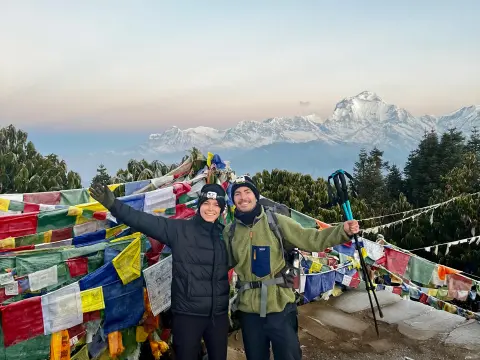
The Annapurna Sanctuary Trek, also known as the Annapurna Base Camp (ABC) Trek, is one of Nepal’s most iconic Himalayan journeys. Operated by Nepal Journey Travels, this 12-day itinerary takes trekkers from the bustling capital Kathmandu into the heart of the Annapurna Conservation Area, culminating at the breathtaking amphitheater of Annapurna Base Camp (4,130m). The trek combines diverse landscapes, cultural villages, rhododendron forests, and panoramic Himalayan views, including Annapurna I, Machhapuchhre (Fishtail), and Hiunchuli.The route gradually ascends through traditional Gurung villages such as Ghandruk and Chhomrong, before entering high alpine terrain. The journey is designed to balance adventure with acclimatization, ensuring trekkers experience both cultural richness and natural grandeur.Trek through Annapurna Conservation AreaReach Annapurna Base Camp (4,130m)Explore Gurung cultural villagesScenic Himalayan sunrise and glacier viewsGuided trek with Nepal Journey Travels supportBest Season for Annapurna Sanctuary TrekThe best time to undertake the Annapurna Sanctuary Trek is during spring (March–May) and autumn (September–November). These seasons offer stable weather conditions, clear skies, and excellent visibility of the Himalayan peaks. Spring is especially beautiful due to blooming rhododendron forests, while autumn provides crisp air and post-monsoon clarity.Winter (December–February) is also possible but involves colder temperatures and occasional snowfall at higher elevations like Deurali and ABC. The monsoon season (June–August) is generally avoided due to heavy rainfall, slippery trails, and limited mountain visibility.Season highlights:Spring: Flowers, moderate temperatures, clear morningsAutumn: Best visibility, stable weather, ideal trekking conditionsWinter: Quiet trails but cold and snowyMonsoon: Lush greenery but high landslide riskAnnapurna Sanctuary Trek Difficulty and TransportationThe Annapurna Sanctuary Trek is considered moderate difficulty, making it suitable for beginners with good fitness and experienced trekkers alike. Daily walking ranges from 5–7 hours with gradual altitude gain up to Annapurna Base Camp. The highest point of the trek is 4,130 meters, which requires proper acclimatization but is generally safe when paced correctly.Transportation arranged by Nepal Journey Travels includes a tourist bus from Kathmandu to Pokhara and back. From Pokhara, the journey continues by road to Nayapul, the trek starting point. After completing the trek, travelers return via Jhinu Danda to Pokhara and then drive back to Kathmandu.Difficulty & transport points:Moderate trekking with uphill and downhill sectionsMaximum altitude: 4,130m (ABC)Tourist bus: Kathmandu ↔ PokharaJeep/road transport: Pokhara ↔ NayapulDaily trekking: 5–7 hours averageFood and Accommodation for Annapurna Sanctuary TrekAccommodation along the Annapurna Sanctuary route is primarily in local teahouses and lodges operated by mountain communities. Rooms are simple but comfortable, usually offering twin beds, blankets, and shared bathrooms. In higher regions like Dovan and Deurali, facilities become more basic due to remoteness.Food is freshly prepared and includes a mix of Nepali and international dishes. The staple meal is dal bhat (rice, lentils, vegetables), which provides high energy for trekking. Other options include noodles, pasta, soups, eggs, pancakes, and tea/coffee.Accommodation & food highlights:Teahouse/lodge stays throughout the trekBasic but warm rooms with blanketsHygienic home-cooked mealsDal bhat for energy and refillsHot drinks available at every stopAnnapurna Sanctuary Trek PermitsTo enter the Annapurna region, trekkers must obtain two essential permits, which are arranged by Nepal Journey Travels before the trek begins:ACAP Permit (Annapurna Conservation Area Permit)TIMS Card (Trekkers’ Information Management System)These permits are required for conservation protection and trekker safety tracking. They are checked at various checkpoints along the route, especially before entering villages like Ghandruk and higher alpine zones near Annapurna Base Camp.Permit details:ACAP: Environmental conservation feeTIMS: Trekker registration and safety systemIssued in Kathmandu or PokharaMandatory for all foreign trekkersArranged by Nepal Journey TravelsWhy Choose Annapurna Sanctuary Trek (Nepal Journey Travels)Choosing the Annapurna Sanctuary Trek with Nepal Journey Travels ensures a well-organized, safe, and enriching Himalayan experience. The itinerary is carefully designed for gradual altitude gain, cultural immersion, and maximum scenic exposure. From lush valleys to glacier-filled amphitheaters, every day offers a new landscape.The trek is ideal for those who want a shorter Himalayan adventure compared to Everest region treks but still wish to experience world-class mountain scenery. The combination of professional guides, comfortable logistics, and local hospitality ensures a smooth journey from start to finish.Why choose this trek:Expert guidance from Nepal Journey TravelsBalanced itinerary with proper acclimatizationStunning views of Annapurna rangeCultural immersion in Gurung villagesSafe and well-managed logisticsSuitable for beginners and experienced trekkers
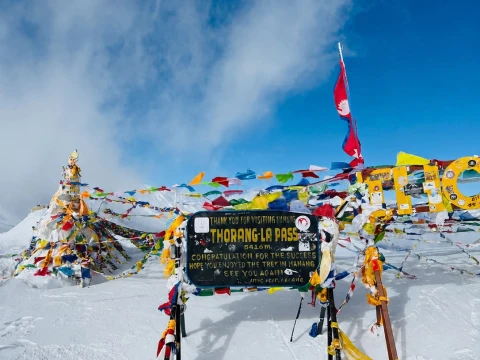
The Annapurna Circuit Trek with Tilicho Lake is one of Nepal's most spectacular trekking adventures, combining the classic Annapurna Circuit with a visit to the breathtaking Tilicho Lake, one of the world's highest lakes. This remarkable journey offers an unforgettable blend of Himalayan landscapes, ancient villages, rich cultural experiences, alpine forests, high mountain deserts, and panoramic mountain passes. The trek follows traditional trade routes through the Annapurna region before reaching the turquoise waters of Tilicho Lake at an altitude of 4,920 meters, followed by crossing the legendary Thorong La Pass (5,416 meters). Every day presents a completely different landscape, making this trek one of the most diverse trekking experiences in Nepal.Starting from Kathmandu, the journey travels through Besisahar and Chame before gradually ascending towards Manang. Along the trail, trekkers experience traditional Gurung, Manangi, and Thakali cultures while enjoying magnificent views of Annapurna II, Annapurna III, Gangapurna, Tilicho Peak, Chulu Peaks, Pisang Peak, and Dhaulagiri. After exploring the pristine Tilicho Lake, the adventure continues across Thorong La Pass before descending to the sacred pilgrimage site of Muktinath. The trek concludes by passing through Tatopani, Ghorepani, Poon Hill area, Ghandruk, and finally Pokhara before returning to Kathmandu.This 17-day adventure perfectly combines natural beauty, Himalayan culture, challenging trekking routes, and unforgettable mountain scenery. The carefully planned itinerary allows proper acclimatization, reducing the risk of altitude sickness while giving trekkers enough time to enjoy every destination along the route. Whether you are an experienced trekker or someone seeking a once-in-a-lifetime Himalayan adventure, this itinerary offers one of the finest trekking experiences in Nepal.At Nepal Journey Travels, we carefully organize every aspect of the Annapurna Circuit Trek with Tilicho Lake to ensure safety, comfort, and memorable experiences. Our experienced trekking guides, professional support team, and personalized services help every traveler enjoy the journey with confidence while discovering the hidden beauty of the Annapurna Conservation Area.Visit the stunning Tilicho Lake (4,920m)Cross the famous Thorong La Pass (5,416m)Explore beautiful Manang ValleyExperience authentic Himalayan villagesVisit the sacred temple of MuktinathRelax in the natural hot springs at TatopaniTrek through rhododendron forests to GhorepaniEnjoy spectacular Himalayan panoramas throughout the journeyBest Season for Annapurna Circuit Trek with Tilicho LakeChoosing the right season plays an important role in making your Annapurna Circuit Trek with Tilicho Lake enjoyable and safe. The best trekking seasons are spring (March to May) and autumn (September to November). During these months, the weather remains stable, skies are generally clear, temperatures are comfortable, and mountain views are exceptionally beautiful. Spring brings colorful rhododendron forests into full bloom, while autumn offers crisp air and excellent visibility after the monsoon rains.Spring is particularly attractive because the lower hills become vibrant with blooming flowers and lush greenery. Temperatures are moderate, making long trekking days comfortable. Wildlife is also more active, and the pleasant weather allows trekkers to fully appreciate the dramatic mountain scenery surrounding the Annapurna range. The clear mornings and mild afternoons create ideal trekking conditions.Autumn is considered the most popular trekking season in Nepal. Following the summer monsoon, the landscapes become fresh and green while the skies remain remarkably clear. Visibility is outstanding, offering uninterrupted views of Annapurna, Dhaulagiri, Nilgiri, Machhapuchhre, Gangapurna, and many other Himalayan peaks. The stable weather also makes crossing Thorong La Pass much safer and more enjoyable.Winter trekking is possible for experienced trekkers, but heavy snowfall may temporarily close Thorong La Pass and the Tilicho route. During the summer monsoon season, frequent rain, slippery trails, landslides, and cloudy weather can make trekking more difficult. Therefore, Nepal Journey Travels recommends spring and autumn for the most rewarding experience.Best SeasonsSpring (March–May)Autumn (September–November)Possible but ChallengingWinter (December–February)Monsoon (June–August)Annapurna Circuit Trek with Tilicho Lake Difficulty and TransportationThe Annapurna Circuit Trek with Tilicho Lake is considered a moderately challenging to strenuous Himalayan trek. The difficulty comes primarily from the high altitude, long walking hours, steep ascents, and crossing Thorong La Pass at 5,416 meters. Trekkers typically walk between 5 to 8 hours each day on varying terrain, including forests, rocky trails, alpine valleys, glacial paths, and mountain passes. Although technical climbing skills are not required, good physical fitness, endurance, and proper acclimatization are essential.The itinerary has been designed to gradually increase altitude while including acclimatization in Manang with an optional hike to Ice Lake. This significantly reduces the risk of altitude sickness and prepares trekkers for higher elevations. Maintaining a slow pace, drinking enough water, and following your guide's advice are important for completing the trek safely and comfortably.Transportation throughout the trek combines tourist buses, local jeeps, and private vehicles where available. The journey begins with a comfortable tourist bus from Kathmandu to Besisahar, followed by a local shared jeep to Chame due to the rugged mountain roads. After completing the trek at Muktinath, travelers drive to Tatopani before continuing the trek towards Ghorepani, Ghandruk, and Nayapul. Finally, a scenic drive from Pokhara returns trekkers to Kathmandu.Nepal Journey Travels carefully arranges reliable transportation, ensuring smooth transfers and minimizing travel stress. Our experienced team coordinates every stage of the journey, allowing trekkers to focus entirely on enjoying the spectacular Himalayan landscapes.DifficultyModerate to strenuousDaily walking: 5–8 hoursMaximum altitude: 5,416 metersNo technical climbing requiredGood physical fitness is recommendedTransportationTourist Bus: Kathmandu → BesisaharLocal Jeep: Besisahar → ChameJeep: Muktinath → TatopaniPrivate Vehicle: Nayapul → PokharaTourist Bus: Pokhara → KathmanduFood and Accommodation for Annapurna Circuit Trek with Tilicho LakeThroughout the Annapurna Circuit Trek with Tilicho Lake, trekkers stay in comfortable local tea houses that provide warm hospitality and essential facilities. Rooms are generally simple but clean, usually offering twin-sharing beds with blankets and pillows. In higher elevations, facilities become more basic, reflecting the remote mountain environment. Shared bathrooms are common, while hot showers, Wi-Fi, and charging facilities are available in many villages for an additional fee.Staying in tea houses offers an excellent opportunity to interact with local families and experience authentic Himalayan hospitality. Even in remote villages, tea houses provide comfortable overnight accommodation, warm dining halls heated by traditional stoves, and freshly prepared meals. Nepal Journey Travels selects reliable lodges that prioritize cleanliness, comfort, and friendly service.Food along the trekking route is nutritious, freshly prepared, and designed to provide energy for long trekking days. The famous Nepali Dal Bhat remains the most popular meal because it is healthy, filling, and includes unlimited refills in many tea houses. International dishes such as fried rice, noodles, pasta, soups, Tibetan bread, pancakes, eggs, potatoes, momos, pizza, and seasonal vegetables are also widely available.Maintaining proper nutrition and hydration is essential during high-altitude trekking. Drinking plenty of purified water and eating balanced meals helps support acclimatization and overall trekking performance. Nepal Journey Travels advises trekkers to avoid excessive alcohol consumption at higher elevations and encourages healthy eating throughout the journey.FoodDal BhatFried RiceNoodlesPastaSoupsTibetan BreadPancakesEggsMomosTea and CoffeeAccommodationLocal tea housesTwin-sharing roomsShared bathroomsWarm dining hallsHot showers (extra cost)Wi-Fi (where available)Annapurna Circuit Trek with Tilicho Lake PermitsTrekkers must obtain the necessary permits before entering the Annapurna region. These permits help conserve the natural environment, support local communities, and regulate tourism activities within protected areas. Carrying valid permits throughout the trek is mandatory, and they may be checked at several checkpoints along the route.The two required permits for this trek are the Annapurna Conservation Area Permit (ACAP) and the Trekkers' Information Management System (TIMS) Card, depending on current government regulations. Nepal Journey Travels manages all permit arrangements on behalf of our clients, ensuring that all required documentation is completed before the trek begins.To obtain these permits, trekkers generally need a valid passport, passport-sized photographs, and personal travel information. Our experienced team assists with every administrative process, allowing trekkers to begin their adventure without unnecessary delays or paperwork concerns.By securing all necessary permits in advance, Nepal Journey Travels ensures a hassle-free trekking experience while supporting sustainable tourism and conservation efforts within the Annapurna Conservation Area.Required PermitsAnnapurna Conservation Area Permit (ACAP)TIMS Card (subject to current regulations)Valid PassportPassport-size PhotosWhy Choose Nepal Journey Travels for Annapurna Circuit Trek with Tilicho LakeChoosing the right trekking company greatly enhances your Himalayan adventure. Nepal Journey Travels is committed to delivering safe, memorable, and professionally organized trekking experiences throughout Nepal. Our experienced local guides possess extensive knowledge of the Annapurna region, local culture, mountain safety, and altitude management. We carefully design every itinerary to balance adventure, acclimatization, and comfort while maintaining high standards of customer service.Our team believes every traveler deserves personalized attention from arrival until departure. We arrange comfortable transportation, quality accommodation, required permits, experienced guides, porters, and 24-hour support throughout the journey. Safety always remains our highest priority, and our guides receive regular training in first aid and altitude awareness.We also promote responsible tourism by supporting local communities, respecting cultural traditions, and encouraging environmentally friendly trekking practices. Our commitment to sustainable tourism helps preserve the natural beauty of the Annapurna region for future generations while creating meaningful economic opportunities for local people.Whether you are trekking solo, with friends, as a couple, or in a group, Nepal Journey Travels strives to exceed your expectations by delivering unforgettable Himalayan adventures filled with breathtaking scenery, authentic cultural experiences, and exceptional service.Why Trek with Nepal Journey Travels?Experienced local trekking guidesProfessionally planned itinerariesReliable transportation arrangementsPermit assistanceComfortable accommodation selectionSafety-focused trekking operationsPersonalized customer serviceSustainable and responsible tourism practicesCompetitive pricing with excellent value24/7 travel support from arrival to departure
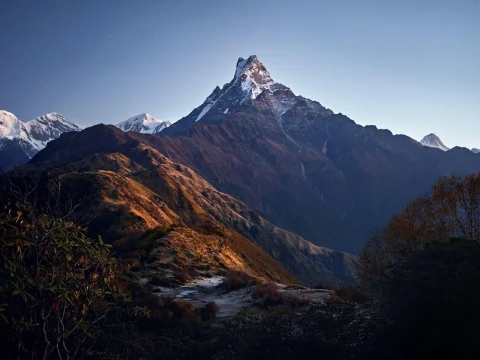
The Ghorepani Poon Hill with Mardi Himal Trek is one of Nepal's most rewarding trekking adventures, combining the famous sunrise viewpoint of Poon Hill with the peaceful ridges of the Mardi Himal trail. This 12-day journey offers a perfect balance of breathtaking mountain scenery, rich cultural experiences, lush rhododendron forests, and authentic Himalayan villages. The trek begins with sightseeing and travel from Kathmandu to Pokhara before entering the Annapurna region. Along the way, trekkers pass through beautiful settlements including Ulleri, Ghorepani, Tadapani, Ghandruk, Landruk, Low Camp, High Camp, and finally Mardi Himal Base Camp at 4,500 meters.One of the major highlights is the unforgettable sunrise from Poon Hill, where golden rays illuminate the snow-covered peaks of Annapurna, Dhaulagiri, Machhapuchhre (Fishtail), Nilgiri, and Hiunchuli. After enjoying the classic Poon Hill trail, the adventure continues onto the quieter Mardi Himal route, known for its pristine forests, alpine meadows, and spectacular ridge walks. Unlike busier trekking routes, Mardi Himal provides a peaceful atmosphere where trekkers can fully appreciate the beauty of the Himalayas.The journey also introduces visitors to the traditional lifestyle of the Gurung and Magar communities. Their warm hospitality, unique culture, local cuisine, and charming mountain villages add an authentic cultural dimension to the trek. Throughout the trail, every day offers changing landscapes—from terraced farmlands and dense forests to rocky ridges and high alpine terrain.Sunrise view from Poon Hill (3,210m)Mardi Himal Base Camp (4,500m)Panoramic Himalayan mountain viewsBeautiful rhododendron forestsTraditional Gurung and Magar villagesScenic Pokhara cityLess crowded Mardi Himal trailProfessional services from Nepal Journey TravelsBest Season for Ghorepani Poon Hill with Mardi Himal TrekThe best time to enjoy the Ghorepani Poon Hill with Mardi Himal Trek is during the spring (March to May) and autumn (September to November) seasons. These months provide stable weather, excellent mountain visibility, comfortable trekking temperatures, and colorful natural scenery. Spring transforms the forests into vibrant landscapes filled with blooming rhododendron flowers, Nepal's national flower. The pleasant daytime temperatures make trekking enjoyable, while the crystal-clear mornings offer unforgettable Himalayan panoramas.Autumn is equally popular because of its dry weather, blue skies, and excellent visibility. Following the summer monsoon, the air becomes exceptionally clean, making mountain photography outstanding. Trails remain dry and comfortable, while villages celebrate Nepal's major festivals such as Dashain and Tihar, allowing visitors to experience local traditions during their trek.Winter (December to February) is suitable for experienced trekkers who can tolerate colder temperatures. Snow may cover higher sections, especially around High Camp and Mardi Himal Base Camp, creating magical landscapes. During the summer monsoon (June to August), trekking is still possible but heavy rainfall, slippery trails, leeches, and cloudy mountain views may affect the experience.Best SeasonsSpring (March–May): Blooming rhododendrons and pleasant weatherAutumn (September–November): Clear skies and best mountain viewsWinter: Snowy scenery for experienced trekkersMonsoon: Green landscapes with occasional rainGhorepani Poon Hill with Mardi Himal Trek: Difficulty and TransportationThe Ghorepani Poon Hill with Mardi Himal Trek is considered a moderate trekking adventure that is suitable for beginners with reasonable fitness as well as experienced trekkers. Daily walking usually ranges from 5 to 7 hours, with gradual elevation gain throughout the journey. The most physically demanding sections include the long stone staircases to Ulleri and the climb from High Camp to Mardi Himal Base Camp at 4,500 meters. Proper acclimatization, steady pacing, hydration, and experienced guides help minimize altitude-related risks.Although the trek reaches high elevations, it does not require technical climbing skills or mountaineering experience. Anyone with basic physical preparation and determination can complete the journey comfortably. Regular exercise before arrival, including hiking, jogging, cycling, or stair climbing, significantly improves trekking performance.Transportation is convenient throughout the itinerary. The adventure begins with a tourist bus from Kathmandu to Pokhara, followed by a private vehicle to Birethanti, where the trek officially starts. After completing the trek at Siding Village, a private jeep returns trekkers to Pokhara before another tourist bus journey back to Kathmandu.TransportationTourist bus: Kathmandu to PokharaPrivate vehicle: Pokhara to BirethantiTrek through the Annapurna regionPrivate jeep: Siding to PokharaTourist bus: Pokhara to KathmanduFood and Accommodation for Ghorepani Poon Hill with Mardi Himal TrekThroughout the trek, accommodation is provided in comfortable local teahouses operated by welcoming mountain families. Rooms are generally twin-sharing with simple beds, blankets, pillows, and shared bathrooms. While facilities become more basic at higher elevations, the warm hospitality of local hosts creates a memorable experience. Dining halls are heated during colder evenings, offering a cozy place for trekkers to relax and socialize.Food along the route is fresh, nutritious, and specially prepared for trekkers. The famous Nepali Dal Bhat provides unlimited energy with rice, lentil soup, vegetables, and pickles. Menus also include fried rice, noodles, pasta, soups, pancakes, Tibetan bread, momo, porridge, eggs, tea, coffee, and seasonal fruits where available. Vegetarian meals are widely available and recommended at higher elevations for easier digestion.As the altitude increases, menu choices become slightly more limited because supplies are transported by porters and mules. Nevertheless, teahouses continue to provide sufficient meals that support trekkers throughout the journey.Accommodation & MealsComfortable mountain teahousesTwin-sharing roomsTraditional Nepali Dal BhatTibetan bread and pancakesSoups, noodles, pasta, fried riceTea, coffee, and hot drinksVegetarian options availableGhorepani Poon Hill with Mardi Himal Trek PermitsTrekkers must obtain the required permits before entering the Annapurna Conservation Area. These permits help preserve the environment, support conservation efforts, maintain trekking trails, and promote sustainable tourism throughout the region. During the trek, permit checkpoints verify visitor registrations to ensure safety and proper monitoring.The two mandatory permits include the Annapurna Conservation Area Permit (ACAP) and the Trekkers' Information Management System (TIMS) Card. These permits are generally arranged by Nepal Journey Travels, allowing trekkers to enjoy a hassle-free experience without worrying about administrative procedures.Applicants usually need a passport copy, passport-sized photographs, and valid travel information. Carrying permits throughout the trek is essential because officials inspect them at several checkpoints.Required PermitsAnnapurna Conservation Area Permit (ACAP)TIMS CardPassport copyPassport-sized photographsArranged by Nepal Journey TravelsWhy Choose Ghorepani Poon Hill with Mardi Himal TrekThe Ghorepani Poon Hill with Mardi Himal Trek perfectly combines Nepal's two most scenic trekking routes into one unforgettable adventure. Travelers experience spectacular Himalayan sunrises, peaceful mountain ridges, authentic cultural villages, rich biodiversity, and magnificent panoramic views within a relatively short itinerary. The route is ideal for trekkers seeking both classic Himalayan experiences and quieter, less crowded trails.Choosing Nepal Journey Travels ensures a safe, comfortable, and professionally organized trekking experience. Our experienced local guides, friendly porters, carefully planned itineraries, quality accommodations, and dedicated customer service allow you to fully enjoy every moment of your Himalayan adventure. We prioritize safety, responsible tourism, personalized service, and unforgettable travel experiences for every guest.Whether you are a solo traveler, couple, family, or group, Nepal Journey Travels is committed to delivering exceptional trekking holidays that create lifelong memories in the heart of the Annapurna region.Why Nepal Journey TravelsExperienced licensed trekking guidesReliable airport transfersComfortable transportationCarefully designed itineraryHigh safety standardsExcellent customer supportAffordable and transparent pricingAuthentic local experiencesResponsible and sustainable tourismLifetime unforgettable Himalayan memories
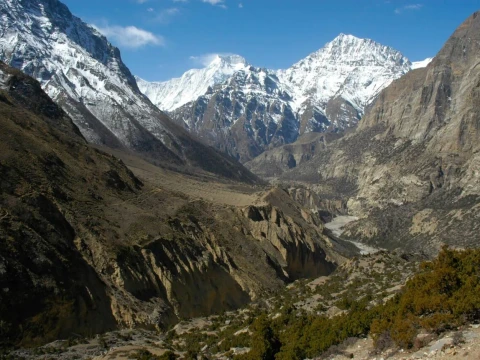
The Nar Phu Valley Trek is a remote and culturally rich journey located in the restricted northern part of the Annapurna region of Nepal. Operated by Nepal Journey Travels, this trek offers a rare combination of ancient Tibetan-influenced villages, dramatic Himalayan landscapes, and untouched wilderness. The route passes through isolated settlements such as Kathmandu, Besisahar, Koto, Meta, Phu Village, Dharmashala (Nar Phedi), Nar Village, and Ngawal, before crossing the iconic Kang La Pass and descending toward Pisang.This trek is often described as a hidden gem because it remained closed to outsiders until recently. The valleys of Nar and Phu preserve ancient Buddhist monasteries, centuries-old stone houses, and strong Tibetan cultural traditions. Trekkers experience deep gorges, high-altitude deserts, yak pastures, and breathtaking views of Annapurna II, Gangapurna, and Tilicho Peak.Remote and less crowded trekking routeAuthentic Tibetan-influenced cultureHigh Himalayan landscapes and glacier viewsCrossing the challenging Kang La Pass (5,320m approx.)Cultural exploration of Nar and Phu villagesOrganized support by Nepal Journey TravelsThis trek is ideal for adventurers seeking solitude, cultural depth, and raw Himalayan beauty rather than commercial trekking routes.Best Season for Nar Phu Valley TrekThe best seasons for the Nar Phu Valley Trek are spring (March to May) and autumn (September to November). During these periods, weather conditions are stable, skies are clear, and mountain visibility is at its best. Nepal Journey Travels strongly recommends these seasons for safety and scenic experience.In spring, the valleys bloom with rhododendrons and alpine flowers, creating a colorful contrast against snowy peaks. Temperatures are moderate, making long trekking days more comfortable. In autumn, post-monsoon clarity offers the sharpest mountain views, and the trails are dry and stable, especially important for high passes like Kang La Pass.Winter trekking is possible but extremely cold, especially in Phu and Nar villages, where temperatures drop significantly below freezing. Monsoon season (June to August) is generally not recommended due to landslides, slippery trails, and limited visibility.Seasonal breakdown:Spring (Mar–May): Flowers, moderate temperature, clear viewsAutumn (Sep–Nov): Best visibility, stable weather, peak seasonWinter (Dec–Feb): Very cold, fewer trekkers, challenging conditionsMonsoon (Jun–Aug): Not recommended due to risk and poor trailsChoosing the right season ensures a safer and more enjoyable Himalayan trekking experience.Nar Phu Valley Trek Difficulty and TransportationThe Nar Phu Valley Trek is considered a moderate to challenging trek, mainly due to high altitude, remote trails, and long walking days. The highlight, crossing Kang La Pass, requires strong physical fitness and prior trekking experience. The route gradually ascends from Besisahar to over 4,000 meters in villages like Nar Village and Phu Village, increasing the risk of altitude sickness if not properly acclimatized.Daily trekking durations usually range from 5 to 8 hours, with rugged terrain, steep climbs, and rocky paths. However, with proper guidance from Nepal Journey Travels, trekkers receive acclimatization support and safety monitoring.Transportation is a combination of road travel and trekking. A drive from Kathmandu to Besisahar is followed by a rough off-road journey to Koto. From there, the trekking route begins. Return transport is typically via Pisang and back to Kathmandu by vehicle.Difficulty factors:High altitude (up to 5,000m+ crossing)Remote and isolated terrainLong daily walking hoursLimited medical facilitiesWeather variability in high mountainsTransportation summary:Kathmandu → Besisahar (road drive)Besisahar → Koto (off-road jeep)Trekking route begins from KotoReturn via Pisang → road drive to KathmanduFood and Accommodation for Nar Phu Valley TrekFood and accommodation during the Nar Phu Valley Trek are simple but sufficient for trekkers. Nepal Journey Travels ensures clean teahouse stays and hygienic meals throughout the journey, even in remote areas like Meta and Dharmashala (Nar Phedi).Teahouses provide basic twin-sharing rooms with wooden beds, blankets, and shared bathrooms. As altitude increases toward Phu Village and Nar Village, facilities become more basic, but hospitality remains warm and welcoming.Food options mainly include Nepali and Tibetan-style meals. The most common dish is Dal Bhat (rice, lentils, vegetables), which provides high energy for trekking. Other available items include noodles, soups, potatoes, eggs, pancakes, and Tibetan bread.Typical food and lodging features:Basic teahouse accommodation in all stopsLimited but nutritious meal optionsHot drinks: tea, coffee, ginger, lemon, and honeyShared bathroom facilities in high regionsHygienic meals arranged by Nepal Journey TravelsRecommended trekking foods:Dal Bhat (energy-rich and unlimited refills)Garlic soup (helps with altitude acclimatization)Noodles and pastaBoiled potatoes and eggsHerbal tea and hot beveragesDespite basic infrastructure, the hospitality of local communities makes the experience authentic and memorable.Nar Phu Valley Trek PermitsSince the Nar Phu region is a restricted trekking area, special permits are required. Nepal Journey Travels handles all necessary paperwork and ensures smooth entry for trekkers without hassle.The required permits include the Restricted Area Permit (RAP), Annapurna Conservation Area Permit (ACAP), and TIMS card (depending on regulations). These permits are mandatory for entering villages such as Koto, Phu Village, and Nar Village.Trekkers must be part of a registered trekking agency and travel with at least one licensed guide. Independent trekking is not allowed in this region due to its restricted status.Required permits:Restricted Area Permit (Nar Phu region)Annapurna Conservation Area Permit (ACAP)Trekking agency registration support (provided by Nepal Journey Travels)Licensed guide mandatoryImportant notes:Passport copy and a visa are required for permit processingPermits are checked at multiple checkpointsCarry permits at all times during trekkingEntry and exit routes must be strictly followedProper permit management ensures legal, safe, and uninterrupted trekking in this protected Himalayan region.Why Choose Nar Phu Valley Trek with Nepal Journey TravelsChoosing the Nar Phu Valley Trek with Nepal Journey Travels ensures a professionally managed, safe, and culturally immersive experience. The company specializes in remote Himalayan expeditions and provides expert guides familiar with high-altitude conditions and local cultures.The journey from Kathmandu to remote settlements like Phu Village and Nar Village requires careful planning, and the company ensures every detail—from transport to accommodation—is handled efficiently.Trekkers benefit from personalized service, safety-first protocols, and cultural interpretation throughout the journey. The crossing of Kang La Pass becomes more manageable with experienced guidance.Reasons to choose Nepal Journey Travels:Experienced high-altitude trekking guidesComplete permit and logistics handlingSafe and well-planned itineraryCultural insight into Nar and Phu communitiesReliable emergency support systemComfortable teahouse arrangementsTrekking advantages:Hassle-free organizationLocal expertise and cultural knowledgeStrong focus on safety and acclimatizationAuthentic Himalayan experienceFlexible support for trekkersIn conclusion, the Nar Phu Valley Trek is a rare Himalayan adventure that combines isolation, culture, and natural beauty. With Nepal Journey Travels, trekkers receive a well-organized, safe, and unforgettable journey into one of Nepal’s most hidden valleys.
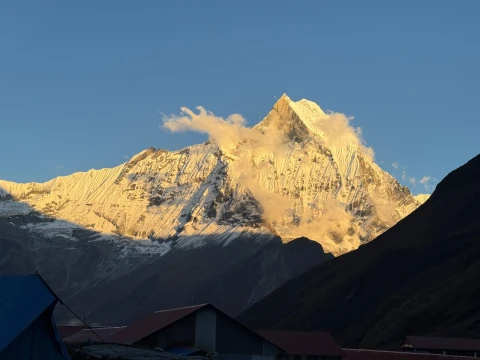
The Annapurna Base Camp Trek Via Poon Hill is one of Nepal’s most scenic and rewarding trekking experiences, combining cultural exploration with dramatic Himalayan landscapes. This journey blends the famous sunrise viewpoint of Poon Hill (3,210m) with the iconic high-altitude destination of Annapurna Base Camp (4,130m), offering trekkers a complete Himalayan adventure within a single itinerary. Starting from the vibrant capital city Kathmandu, the trip transitions into serene lakeside beauty at Pokhara before entering the lush Annapurna region.The trek passes through traditional villages such as Ghorepani, Tadapani, Chhomrong, and Jhinu Danda, allowing trekkers to experience authentic Gurung culture, terraced farmlands, and dense rhododendron forests. Organized by Nepal Journey Travels, this itinerary is carefully designed to balance altitude gain, acclimatization, and scenic rewards.Sunrise view from Poon Hill over Annapurna & Dhaulagiri rangesClose-up view of Annapurna I and Machapuchare at Base CampNatural hot springs at Jhinu DandaCultural villages and forest trailsModerate trekking adventure suitable for fit beginnersThis trek is not just about reaching Annapurna Base Camp but also about experiencing the diversity of Nepal’s natural beauty and mountain culture in a structured and safe manner.Best Season for Annapurna Base Camp Trek Via Poon HillThe best time to undertake the Annapurna Base Camp Trek Via Poon Hill is during spring (March–May) and autumn (September–November). These seasons offer stable weather, clear mountain views, and comfortable trekking conditions. In spring, the trails leading to Ghorepani and Tadapani are beautifully decorated with blooming rhododendrons, while autumn provides crystal-clear skies and crisp air ideal for photography and mountain viewing.During these peak seasons, visibility at Poon Hill and Annapurna Base Camp is at its best, allowing trekkers to witness panoramic Himalayan ranges including Annapurna South, Hiunchuli, and Machapuchare. Temperatures remain moderate at lower elevations like Pokhara, while higher regions such as Chhomrong and above can be chilly but manageable with proper gear.Key seasonal points:Spring: Rhododendron bloom, warmer days, colorful landscapesAutumn: Best visibility, stable weather, ideal trekking conditionsWinter (Dec–Feb): Cold, snow at higher elevations, fewer trekkersMonsoon (Jun–Aug): Rain, slippery trails, limited visibilityNepal Journey Travels recommends avoiding monsoon months due to landslide risks and cloud-covered views. Proper seasonal planning ensures safety, comfort, and the best Himalayan experience throughout the journey.Annapurna Base Camp Trek Via Poon Hill Difficulty and TransportationThe Annapurna Base Camp Trek Via Poon Hill is considered a moderate-level trek, suitable for beginners with good fitness and experienced trekkers alike. Daily trekking ranges from 5–7 hours, with gradual altitude gain from Pokhara (820m) to Annapurna Base Camp (4,130m). The most physically demanding sections include the steep stone steps from Ulleri to Ghorepani and the high-altitude ascent from Himalaya to Base Camp.Transportation is well-organised by Nepal Journey Travels, starting with arrival in Kathmandu and a scenic tourist bus ride to Pokhara. From Pokhara, a drive leads to Nayapul/Birethanti, where the trek begins. After completion, trekkers return from Jhinu Danda back to Pokhara by vehicle and again travel to Kathmandu by tourist bus.Difficulty & transport highlights:Moderate trekking with daily ascents and descentsStone stair climbs (especially Ulleri section)Maximum altitude: 4,130m at ABCComfortable road transfers between major citiesNo technical climbing requiredWith proper pacing, acclimatisation stops, and guidance from Nepal Journey Travels, even first-time trekkers can safely complete this rewarding Himalayan journey.Food and Accommodation for Annapurna Base Camp Trek Via Poon HillFood and accommodation along the Annapurna Base Camp Trek Via Poon Hill are provided in local teahouses, offering simple but nutritious meals and basic lodging facilities. In lower regions like Pokhara and villages such as Ghorepani and Chhomrong, trekkers can enjoy a variety of meals, including Nepali dal bhat, noodles, soups, pasta, and Tibetan bread. As altitude increases toward Annapurna Base Camp, food options become more limited but still sufficient for energy needs.Accommodation typically consists of twin-sharing rooms with shared bathrooms. While facilities are basic, they are clean and welcoming, with warm hospitality from local hosts. At higher elevations, such as the Himalaya and ABC, lodges provide blankets, but trekkers are advised to carry sleeping bags for extra warmth.Food & accommodation highlights:Traditional Nepali meals (dal bhat set)Teahouse lodging along all major stopsLimited but energy-rich food at higher altitudesHot meals and snacks are available throughout trekWarm hospitality from Gurung communitiesNepal Journey Travels ensures pre-arranged accommodation to reduce hassle, especially during peak seasons, making the trekking experience smoother and more comfortable.Annapurna Base Camp Trek Via Poon Hill PermitsTo complete the Annapurna Base Camp Trek Via Poon Hill, trekkers require two essential permits issued by the Government of Nepal. These permits help regulate tourism, ensure safety, and support conservation efforts in the Annapurna region, including areas around Poon Hill and Annapurna Base Camp.The two mandatory permits are the Annapurna Conservation Area Permit (ACAP) and the Trekkers’ Information Management System (TIMS) card. These are checked at various points along the route, including entry points near Birethanti and village checkpoints like Chhomrong.Permit highlights:ACAP: Required for conservation area entryTIMS Card: Trekker safety and tracking systemIssued in Kathmandu or PokharaManaged and arranged by Nepal Journey TravelsMandatory for all foreign trekkersNepal Journey Travels handles all permit arrangements in advance, ensuring a smooth trekking experience without administrative delays. This allows trekkers to focus entirely on enjoying the journey through forests, mountains, and traditional Himalayan villages.Why Choose Annapurna Base Camp Trek Via Poon HillChoosing the Annapurna Base Camp Trek Via Poon Hill with Nepal Journey Travels offers a perfect combination of natural beauty, cultural immersion, and Himalayan adventure. Unlike standalone treks, this route includes both panoramic viewpoints like Poon Hill and deep mountain exploration at Annapurna Base Camp, making it one of the most complete trekking experiences in Nepal.The route passes through diverse landscapes—from lush forests near Ghorepani to alpine valleys around Himalaya—offering constant visual variation and cultural encounters. The trek also includes relaxing natural hot springs at Jhinu Danda, adding a therapeutic finish to the adventure.Why choose this trek:Combines Poon Hill sunrise + Annapurna Base CampRich cultural and natural diversityWell-balanced 12-day itinerarySafe and guided experience with Nepal Journey TravelsSuitable for both beginners and experienced trekkersThis trek is ideal for those seeking a complete Himalayan journey without extreme technical difficulty. With professional support from Nepal Journey Travels, trekkers gain not just a trip, but a deeply memorable mountain experience.

The Kori Trek is a hidden gem in the Annapurna region of Nepal, offering a blend of cultural immersion, alpine landscapes, and close-up Himalayan views. This trek passes through the traditional Gurung village of Sikles, the pristine glacier lake of Kapuche Lake, and culminates at the high alpine viewpoint of Kori Danda (3,850m). It is one of the least crowded trekking routes, making it ideal for travelers seeking peace, authenticity, and raw mountain beauty.Unlike commercial trails such as Annapurna Base Camp, the Kori route feels untouched and locally preserved. The journey begins from Kathmandu and travels through Pokhara before reaching Sikles, a culturally rich Gurung settlement known for its stone houses, terraced farms, and traditional hospitality. From here, trekkers ascend through rhododendron forests, rivers, and yak pastures toward Kori.The highlight is the sunrise from Kori Danda, where panoramic views of Annapurna II, Lamjung Himal, and surrounding peaks unfold above a sea of clouds. The trek is also known for biodiversity, including Himalayan monal pheasants, musk deer, and alpine flora.Remote and less crowded trekking routeCultural immersion in Gurung villagesVisit to glacier-fed Kapuche LakeStunning sunrise from Kori Danda (3,850m)Close Himalayan views of the Annapurna rangeRich biodiversity and natural landscapesBest Season for Kori TrekThe best time for the Kori Trek depends on visibility, weather stability, and trail conditions. The ideal seasons are spring (March–May) and autumn (September–November) when skies are clear, and temperatures are moderate. During these periods, trekkers experience the most vibrant landscapes and safest trekking conditions.In spring, rhododendron forests bloom in red, pink, and white colors along the trail from Sikles to Kori. Wildlife activity is also higher, and temperatures remain comfortable even at higher altitudes like Kori Danda. In autumn, post-monsoon clarity provides crystal-clear mountain views, making it the best photography season.Winter trekking (December–February) is possible but challenging due to heavy snowfall near Kori Danda, which may block trails. Monsoon season (June–August) brings slippery paths, leeches, and limited visibility, especially in forested areas.Best Season Summary (short points):Spring (Mar–May): Flowers, wildlife, pleasant weatherAutumn (Sep–Nov): Best visibility and mountain viewsWinter: Snow trekking is possible but risky at high altitudeMonsoon: Not recommended due to rain and landslidesClear skies enhance views of the Annapurna regionKori Trek Difficulty and TransportationThe Kori Trek is considered moderate in difficulty, suitable for trekkers with basic fitness and prior hiking experience. Daily walking ranges from 5–7 hours depending on the route segment, with gradual altitude gain up to 3,850m at Kori Danda. The most demanding section is the ascent from Kapuche Lake to Kori, where steep trails and thinner air require stamina.Altitude sickness is less severe compared to higher treks like Everest Base Camp, but acclimatization is still important. Proper pacing and hydration are recommended.Transportation begins from Kathmandu to Pokhara via tourist bus (6–8 hours). From Pokhara, a jeep ride takes trekkers to Sikles, which is the starting point of the trek. Return follows the same route.Difficulty & Transport Summary (short points):Moderate difficulty trekking route5–7 hours daily walking on averageMaximum altitude: 3,850m (Kori Danda)Requires basic fitness and staminaKathmandu–Pokhara by tourist bus or flightPokhara–Sikles by off-road jeepTrails include forests, ridges, and alpine terrainFood and Accommodation for Kori TrekFood and accommodation during the Kori Trek are simple but authentic, reflecting rural Nepalese mountain life. In villages like Sikles and lower trail stops, teahouses and homestays provide basic lodging with twin-sharing rooms, blankets, and shared bathrooms. At higher elevations such as Hugu Goth and Kori Danda, accommodation becomes more basic, often consisting of community lodges or temporary shelters.Meals are freshly prepared and typically include Dal Bhat (rice, lentils, vegetables), noodles, soups, potatoes, and seasonal vegetables. Meat options are limited as altitude increases. Hot drinks such as tea, coffee, and ginger lemon honey are widely available and highly recommended for cold conditions.Electricity and Wi-Fi are limited or unavailable in higher areas, so trekkers should prepare accordingly.Food & Stay Summary (short points):Basic teahouse and homestay accommodationComfortable lodging in Sikles villageSimple rooms at higher altitudesTraditional Nepali meals (Dal Bhat, noodles, soups)Limited meat and packaged food availabilityHot drinks available throughout the trekMinimal electricity and no guaranteed Wi-FiKori Trek PermitsTo trek in the Kori region, certain permits are required, as the route lies within the Annapurna Conservation Area. The main requirement is the Annapurna Conservation Area Permit (ACAP), which is issued by the National Trust for Nature Conservation (NTNC) in Nepal.Trekkers also need a TIMS card (Trekkers’ Information Management System), although in some organized group treks, agencies like Nepal Journey Travels handle all permit arrangements on behalf of clients. These permits help support conservation efforts, trail maintenance, and local community development.It is important to carry photocopies of passports and passport-size photos for permit processing.Permit Summary (short points):ACAP permit is required for the Annapurna regionTIMS card recommended/required, depending on arrangementIssued in Kathmandu or PokharaManaged by a trekking agency in guided toursPassport and photos requiredSupports conservation and local communitiesWhy Choose Kori TrekThe Kori Trek stands out because it offers a rare combination of untouched nature, cultural depth, and Himalayan views without heavy tourist crowds. Unlike popular trekking routes, this journey feels personal and immersive, especially when organized by experienced operators like Nepal Journey Travels.Trekkers get the opportunity to explore authentic Gurung culture in Sikles, witness the turquoise beauty of Kapuche Lake, and experience the dramatic alpine landscapes of Kori Danda. The route is ideal for photographers, nature lovers, and trekkers who want solitude in the Himalayas.Additionally, the trek is more affordable and less physically extreme compared to high-altitude expeditions, making it accessible to a wider range of travelers.Why Choose Summary (short points):Less crowded and peaceful trekking routeAuthentic Gurung cultural experienceScenic glacier lake and alpine meadowsPanoramic Himalayan sunrise viewsModerate cost and difficulty levelIdeal for photography and nature explorationWell-organized itineraries with local expertise
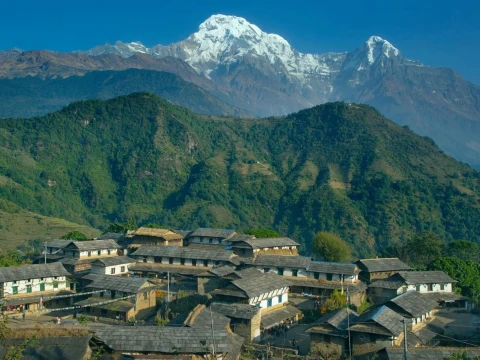
The Ghorepani Ghandruk Trek is one of the most scenic and beginner-friendly trekking routes in the Annapurna region of Nepal, organized professionally by Nepal Journey Travels. This trek beautifully combines lush rhododendron forests, traditional Gurung villages, terraced farmlands, and breathtaking Himalayan panoramas. The journey typically begins from Pokhara and passes through iconic villages such as Ulleri, Ghorepani, and Ghandruk, offering trekkers a perfect mix of nature and culture.One of the biggest highlights of this trek is the sunrise view from Poon Hill, where the golden rays illuminate the Annapurna and Dhaulagiri ranges. The trek is moderate in difficulty, making it ideal for beginners, families, and those with limited trekking experience. Along the trail, trekkers experience warm hospitality from local communities, rich cultural traditions, and an authentic Nepalese mountain lifestyle.Scenic sunrise from Poon Hill viewpointTraditional Gurung culture in Ghandruk villageRhododendron forests and mountain landscapesModerate trekking suitable for beginnersEasy access from Pokhara and KathmanduBest Season for Ghorepani Ghandruk TrekThe best time to undertake the Ghorepani Ghandruk Trek with Nepal Journey Travels is during the spring (March–May) and autumn (September–November) seasons. During spring, the entire trail is covered with blooming rhododendron flowers, creating a colorful natural corridor that enhances the trekking experience. Similarly, autumn offers crystal-clear skies and stable weather conditions, making mountain views exceptionally sharp and stunning.Winter (December–February) is also possible but colder, especially at higher elevations like Ghorepani and Poon Hill. However, trekkers can still enjoy peaceful trails with fewer crowds. The monsoon season (June–August) is less recommended due to heavy rainfall, slippery trails, and limited visibility, although the landscape becomes lush and green.Each season offers a different trekking experience, and Nepal Journey Travels helps travelers choose the most suitable time based on preferences, fitness level, and photography goals.Key Points:Spring: Rhododendron bloom, colorful forestsAutumn: Best visibility, stable weatherWinter: Cold but peaceful trekking experienceMonsoon: Not ideal due to rain and landslidesBest overall seasons: Spring & AutumnGhorepani Ghandruk Trek Difficulty and TransportationThe Ghorepani Ghandruk Trek is considered a moderate-level trek, meaning it does not require technical climbing skills but does involve daily walking of 5–7 hours on stone steps, forest trails, and uphill climbs. The most challenging section is the ascent to Ulleri, known for its long stone staircase, while the highest point is Poon Hill at 3,210 meters.Transportation is well-managed by Nepal Journey Travels, starting with a scenic tourist bus or private vehicle ride from Kathmandu to Pokhara. From Pokhara, a short drive takes trekkers to Nayapul, the starting point of the trek. After completing the route via Ghandruk, travelers return the same way to Pokhara and then back to Kathmandu.This combination of road travel and trekking makes the journey flexible and accessible, even for first-time trekkers.Key Points:Moderate difficulty level5–7 hours daily walkingStone steps and forest trailsHighest point: Poon Hill (3,210m)Comfortable bus and jeep transportationFood and Accommodation for Ghorepani Ghandruk TrekAccommodation along the Ghorepani Ghandruk Trek is provided in comfortable tea houses and local lodges, arranged by Nepal Journey Travels. Rooms are usually twin-sharing with basic bedding, warm blankets, and shared bathroom facilities. In villages like Ghorepani and Ghandruk, lodges are well-developed due to the popularity of the route, offering both comfort and local hospitality.Food options include a variety of Nepalese and international meals such as dal bhat (rice and lentils), noodles, pasta, soups, pancakes, and eggs. Meals are freshly prepared and provide sufficient energy for trekking. Drinking water is available, but trekkers are advised to use purification tablets or bottled water for safety.Nepal Journey Travels ensures hygienic accommodation and reliable meal arrangements, making the trek stress-free and enjoyable.Key Points:Tea house accommodation throughout trekBasic but clean and comfortable roomsFreshly cooked Nepalese and international mealsHot drinks available (tea, coffee, soups)Safe drinking water optionsGhorepani Ghandruk Trek PermitsTo complete the Ghorepani Ghandruk Trek, trekkers must obtain official trekking permits, which are fully managed by Nepal Journey Travels for convenience. The required permits include the Annapurna Conservation Area Permit (ACAP) and the Trekkers’ Information Management System (TIMS) card. These permits help regulate tourism and support conservation efforts in the Annapurna region.Permits are checked at various entry points, such as Nayapul and other checkpoints along the trail. Having proper documentation ensures smooth travel without delays or penalties. Trekkers are advised to carry passport copies and passport-sized photos, which are typically arranged by the trekking agency.By choosing Nepal Journey Travels, all paperwork is handled professionally, allowing trekkers to focus entirely on the experience.Key Points:ACAP permit requiredTIMS card mandatoryChecked at trail entry pointsPassport and photos requiredArranged by Nepal Journey TravelsWhy Choose Ghorepani Ghandruk TrekThe Ghorepani Ghandruk Trek is one of Nepal’s most rewarding short trekking experiences, and choosing Nepal Journey Travels ensures safety, comfort, and expert guidance throughout the journey. This trek is perfect for those who want to experience the Himalayas without extreme altitude or technical difficulty.From sunrise views at Poon Hill to cultural immersion in Ghandruk, the trek offers a complete Himalayan experience in just a few days. The combination of natural beauty, cultural richness, and accessibility makes it ideal for beginners, families, and photographers.Nepal Journey Travels provides experienced guides, well-planned itineraries, and full logistical support, ensuring a smooth and memorable adventure.Key Points:Ideal for beginners and familiesStunning Himalayan sunrise viewsRich Gurung's cultural experienceShort yet rewarding itineraryFully managed by Nepal Journey Travels
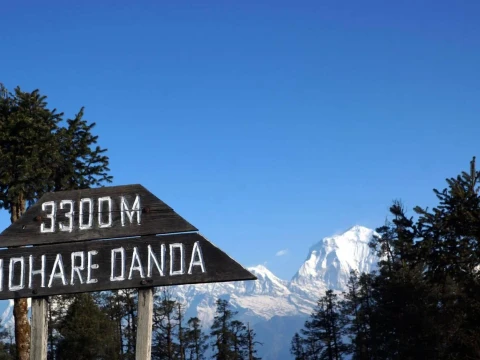
The Mohare Danda Trek with Poon Hill, organized by Nepal Journey Travels, is a scenic and culturally rich journey in the Annapurna region of Nepal. This trek combines the peaceful eco-community trail of Mohare Danda with the world-famous sunrise viewpoint of Poon Hill. The route passes through traditional villages, dense rhododendron forests, and panoramic ridgelines that showcase Himalayan giants like Annapurna and Dhaulagiri ranges.The trek begins from the lakeside city of Pokhara and gradually ascends through villages such as Tikhedhunga, Ulleri, and Ghorepani before reaching Mohare Danda. Unlike busier trekking routes, Mohare Danda offers a quieter, community-based eco-tourism experience where local Magar and Gurung communities actively participate in lodge management. Trekkers are rewarded with uninterrupted mountain views, cultural immersion, and sustainable travel experiences.Panoramic views of Annapurna & Dhaulagiri rangesEco-community lodges at Mohare DandaSunrise from Poon Hill viewpointAuthentic Magar & Gurung village cultureForest trails filled with rhododendronsBest Season for Mohare Danda Trek with Poon HillThe best seasons for the Mohare Danda Trek with Poon Hill are spring (March–May) and autumn (September–November). During these periods, the weather remains stable, skies are generally clear, and mountain visibility is at its best. Spring is especially beautiful due to blooming rhododendrons that cover the forests in red, pink, and white colors, creating a natural paradise along the trails.Autumn offers crisp air, dry trails, and the clearest Himalayan views after the monsoon season. Winter trekking is possible but colder at higher altitudes like Mohare Danda (3,313m), while monsoon season brings heavy rain, landslides, and reduced visibility. However, experienced trekkers who prefer solitude may still choose off-season travel with proper preparation through Nepal Journey Travels.Seasonal SummarySpring (Mar–May): Rhododendron blooms, moderate temperatureAutumn (Sep–Nov): Best visibility, stable weatherWinter (Dec–Feb): Cold but clear skiesMonsoon (Jun–Aug): Rainy, slippery trailsMohare Danda Trek with Poon Hill Difficulty and TransportationThe Mohare Danda Trek with Poon Hill is considered a moderate-level trek, suitable for beginners with reasonable fitness. The trail includes steep stone staircases (especially Ulleri), gradual ascents, and forest walks, but no technical climbing is required. Daily trekking durations range from 5 to 7 hours, depending on pace and acclimatization.Transportation is well-managed by Nepal Journey Travels, ensuring a smooth journey from Kathmandu to Pokhara and onward to Nayapul, the trekking starting point. From Pokhara, trekkers drive approximately 1.5–2 hours to Nayapul before beginning the hike. After completing the trek, travelers return via the same route back to Pokhara and then to Kathmandu.Difficulty & Transport PointsModerate trekking grade (suitable for beginners)Daily walking: 5–7 hours averageSteep ascent at Ulleri stone stepsComfortable tourist bus between Kathmandu & PokharaPrivate vehicle transfer from Pokhara to NayapulFood and Accommodation for Mohare Danda Trek with Poon HillAccommodation during the Mohare Danda Trek with Poon Hill is primarily in tea houses and community lodges, offering basic but comfortable facilities. In Mohare Danda, eco-community lodges provide locally managed hospitality with shared rooms, warm blankets, and dining halls. Ghorepani and Ulleri offer slightly more developed tea house services with private rooms in some locations.Food is freshly prepared and includes a mix of Nepali and international dishes. The most common meal is dal bhat (rice, lentils, vegetables), which provides high energy for trekking. Other options include noodles, soups, pasta, pancakes, eggs, and tea/coffee. All meals are prepared using local ingredients, supporting village economies.Accommodation & Food HighlightsCommunity eco-lodges at Mohare DandaTea houses in Ghorepani, Ulleri, TikhedhungaFresh Nepali meals (dal bhat set meals)Basic hot showers (extra charge in some places)Hygienic, simple mountain hospitalityMohare Danda Trek with Poon Hill PermitsFor trekking in the Annapurna region, two main permits are required. Nepal Journey Travels handles all permit arrangements to ensure a hassle-free experience for trekkers. The required documents include the Annapurna Conservation Area Permit (ACAP) and the Trekkers’ Information Management System (TIMS) card.These permits are essential for environmental conservation and trekker safety tracking. They help maintain trails, support local communities, and regulate tourism in sensitive Himalayan ecosystems. All permits are checked at various entry points along the route, including Nayapul and Ghorepani checkpoints.Required PermitsACAP Permit – Entry to Annapurna Conservation AreaTIMS Card – Trekker safety registrationPassport copy and passport-size photos requiredArranged fully by Nepal Journey TravelsChecked at multiple trail checkpointsWhy Choose Mohare Danda Trek with Poon HillChoosing the Mohare Danda Trek with Poon Hill through Nepal Journey Travels offers a perfect blend of natural beauty, cultural immersion, and sustainable tourism. Unlike crowded trekking routes, Mohare Danda provides a peaceful experience with fewer trekkers and stronger connections with local communities. The combination of sunrise views from Poon Hill and eco-friendly lodging at Mohare Danda makes this trek unique.Additionally, the trek supports community-based tourism, meaning your journey directly benefits local villages. With expert guides, safe logistics, and personalized services from Nepal Journey Travels, trekkers can focus fully on enjoying the Himalayas without worrying about arrangements.Key Reasons to Choose This TrekLess crowded and peaceful trekking routeStunning sunrise from Poon Hill viewpointEco-community experience at Mohare DandaRich cultural interaction with local villagesFully organized by Nepal Journey Travels
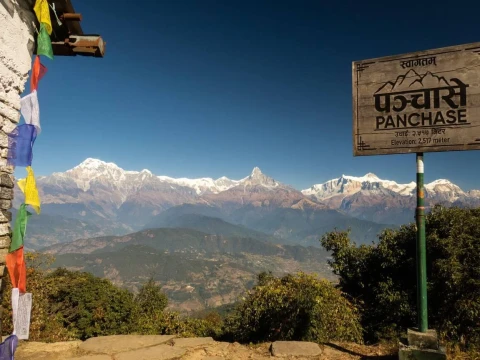
The Panchase Trek is one of the most accessible yet culturally rich trekking routes in the Annapurna region of Nepal. It is ideal for trekkers who want a short Himalayan experience without going into extreme altitude or technical difficulty. The trek combines stunning mountain views, peaceful forest trails, and authentic village life, making it a perfect introduction to trekking in Nepal. Operated by Nepal Journey Travels, this trek is carefully designed to provide both comfort and an immersive cultural experience.Unlike more crowded routes like Annapurna Base Camp or Everest region treks, Panchase remains relatively quiet, offering solitude and natural beauty. The trek typically starts from Pokhara and gradually ascends through lush rhododendron forests, terraced farmland, and traditional Gurung and Brahmin villages. The highlight of the journey is Panchase Peak (2,500m), which offers breathtaking panoramic views of the Annapurna, Dhaulagiri, and Manaslu ranges.This trek is also spiritually significant, as Panchase is considered a sacred hill for both Hindus and Buddhists. Pilgrims often visit the area for meditation and religious rituals, adding a spiritual dimension to the trekking experience.Scenic Himalayan views from Panchase PeakCultural experience in traditional villagesPeaceful and less crowded trekking routeDense rhododendron and oak forestsIdeal short trek from PokharaBest Season for Panchase TrekThe best time to undertake the Panchase Trek with Nepal Journey Travels is during the spring (March to May) and autumn (September to November) seasons. These periods offer the most stable weather conditions, clear mountain views, and comfortable trekking temperatures.In spring, the forests along the trail come alive with blooming rhododendrons, Nepal’s national flower. The entire route becomes colorful and vibrant, making the trekking experience visually stunning. Temperatures are moderate, and skies are generally clear in the morning, offering excellent mountain visibility. Autumn, on the other hand, is considered the best overall trekking season in Nepal due to post-monsoon freshness, crystal-clear skies, and ideal hiking conditions.Winter (December to February) is also possible for trekking but can be cold, especially at higher elevations like Panchase Bhanjyang. Summer/monsoon (June to August) is less favorable due to heavy rainfall, slippery trails, and occasional leeches, though the landscape becomes extremely green and lush.Season-wise Summary:Spring: Blooming rhododendrons, clear skies, best sceneryAutumn: Best visibility, stable weather, peak trekking seasonWinter: Cold but peaceful and less crowdedMonsoon: Green landscapes but slippery trailsChoosing the right season ensures a safer and more enjoyable trekking experience with Nepal Journey Travels, especially for beginners or first-time trekkers in Nepal.Panchase Trek Difficulty and TransportationThe Panchase Trek is considered an easy to moderate-level trek, making it suitable for beginners, families, and older travelers with reasonable fitness. There are no technical climbing sections or extreme altitude risks, which makes it one of the safest trekking options in Nepal. However, daily walking durations range from 4 to 7 hours, so basic physical preparation is recommended.The trail includes gradual ascents and descents through forests, stone steps, and village paths. The highest point, Panchase Peak (2,500m), is not high enough to cause serious altitude sickness for most trekkers. Still, proper hydration and steady pacing are important.Transportation is well-managed by Nepal Journey Travels, ensuring smooth travel between major points. The journey typically includes a scenic drive from Kathmandu to Pokhara and private transport from Pokhara to trek starting points like Shanti Stupa and Naudanda. Return transfers are also included for convenience.Difficulty & Transport Summary:Difficulty level: Easy to moderateNo technical climbing requiredDaily walking: 4–7 hoursMaximum altitude: 2,500mTransport: Tourist bus/private vehicle from Kathmandu to PokharaLocal transfers: Private jeep or car arranged by Nepal Journey TravelsThis combination of manageable trekking and reliable transport makes the Panchase Trek ideal for those seeking a short Himalayan adventure without extreme physical demands.Food and Accommodation for Panchase TrekDuring the Panchase Trek organized by Nepal Journey Travels, accommodation and food are simple yet comfortable, reflecting authentic Nepali mountain hospitality. In cities like Kathmandu and Pokhara, trekkers stay in well-equipped tourist hotels offering modern amenities, private rooms, and Wi-Fi access.On the trekking route, accommodation is mainly in local teahouses and village lodges. These are family-run establishments providing basic but clean rooms, usually with twin beds and shared bathrooms. The atmosphere is warm and welcoming, allowing trekkers to experience local culture closely.Food during the trek is freshly prepared and typically includes traditional Nepali meals such as dal bhat (rice, lentils, and vegetables), noodles, soups, fried rice, and seasonal vegetables. In larger villages, some Western-style food options may also be available, including pancakes, pasta, and eggs.Food & Accommodation Summary:Hotels in Kathmandu and Pokhara with modern facilitiesTeahouse/lodge accommodation during trekkingBasic but clean rooms with shared or private bathroomsFreshly cooked Nepali and simple Western mealsSafe drinking water and hot beverages availableNepal Journey Travels ensures hygienic food arrangements and comfortable lodging throughout the journey, making the trek suitable even for first-time visitors to Nepal.Panchase Trek PermitsThe Panchase Trek is located within the Annapurna region, and therefore requires specific trekking permits to ensure conservation and safety regulations are followed. Nepal Journey Travels handles all necessary documentation, making the process hassle-free for trekkers.The main permits required are the Annapurna Conservation Area Permit (ACAP) and, in some cases, the TIMS (Trekkers’ Information Management System) card. These permits help support conservation efforts, local community development, and trekking safety monitoring in the region.Trekkers are advised to carry their passport copies and passport-sized photos, which are typically arranged in advance by the trekking agency. Nepal Journey Travels ensures all permits are processed before the trek begins, saving time and avoiding complications during the journey.Permit Summary:Annapurna Conservation Area Permit (ACAP) requiredTIMS card may be required depending on regulationsPassport copy and photos neededManaged fully by Nepal Journey TravelsSupports conservation and local communitiesHaving proper permits not only ensures legal trekking but also contributes to sustainable tourism and preservation of Nepal’s natural heritage.Why Choose Panchase TrekThe Panchase Trek is an excellent choice for travelers who want a short yet meaningful Himalayan experience. Unlike longer and more physically demanding treks, Panchase offers a balanced combination of natural beauty, cultural immersion, and spiritual atmosphere within a limited timeframe.One of the biggest advantages is its accessibility. Starting just a short drive from Pokhara, it eliminates the need for long internal flights or complicated logistics. The trek is also less crowded, allowing trekkers to enjoy peaceful trails and authentic village interactions without tourist congestion.With Nepal Journey Travels, the trek is further enhanced through professional guidance, well-planned itineraries, and personalized support. From transportation and permits to accommodation and safety briefing, everything is managed efficiently to ensure a smooth experience.Why Choose Summary:Short and easy Himalayan trekking experienceIdeal for beginners and familiesLess crowded and peaceful trailsRich cultural and spiritual environmentStunning panoramic mountain viewsFully organized by Nepal Journey TravelsIn conclusion, the Panchase Trek is perfect for those seeking a gentle introduction to trekking in Nepal while still enjoying breathtaking Himalayan scenery and deep cultural encounters.
The Annapurna North Base Camp Trek is one of Nepal's newest and most rewarding trekking adventures, offering an exceptional journey into the hidden northern face of Mt. Annapurna I (8,091m), the tenth-highest mountain in the world. Unlike the more crowded trekking routes in the Annapurna region, this trail remains peaceful and untouched, making it an ideal choice for travelers seeking authentic Himalayan wilderness. Organized by Nepal Journey Travels, this 12-day adventure combines scenic road journeys, traditional villages, lush forests, alpine meadows, and breathtaking mountain landscapes before reaching the spectacular Annapurna North Base Camp at an elevation of 4,190 meters.The trek begins in Kathmandu before traveling to the beautiful lakeside city of Pokhara, the gateway to the Annapurna region. From Pokhara, the journey continues to Tatopani, where the trekking adventure officially begins. Passing through the traditional Magar settlements of Narchyang, trekkers gradually leave civilization behind and enter peaceful forests filled with rhododendron, oak, and pine trees. As the trail climbs higher, dense forests transform into wide alpine meadows, rocky valleys, and glacier-fed landscapes, revealing unforgettable panoramic views of Annapurna I, Nilgiri, Dhaulagiri, and surrounding Himalayan giants.One of the greatest highlights of this trek is reaching Annapurna North Base Camp, where trekkers are rewarded with a close-up view of the magnificent north face of Annapurna I. The dramatic glaciers, towering cliffs, and massive snowfields create an unforgettable Himalayan panorama that few trekking destinations can match. Because this route is relatively new and less commercialized, visitors can fully appreciate the tranquility of nature while experiencing genuine mountain hospitality in community lodges.Throughout the journey, Nepal Journey Travels ensures a safe, enjoyable, and professionally managed trekking experience. Our experienced guides, friendly porters, carefully designed itinerary, and personalized service allow trekkers to fully enjoy the adventure without worrying about logistics. Whether you are an experienced trekker or someone looking for a unique Himalayan experience beyond the popular trails, the Annapurna North Base Camp Trek offers the perfect combination of adventure, culture, scenery, and unforgettable memories.Reach Annapurna North Base Camp (4,190m).Explore one of Nepal's newest trekking routes.Experience authentic Magar culture and hospitality.Enjoy spectacular views of Annapurna, Nilgiri, and Dhaulagiri.Trek through forests, alpine meadows, and glacial landscapes.Professional organization by Nepal Journey Travels.Best Season for Annapurna North Base Camp TrekChoosing the right season plays a vital role in making your Annapurna North Base Camp Trek safe, comfortable, and enjoyable. Although this trek can be completed during several months of the year, the best trekking conditions are found during spring (March to May) and autumn (September to November). These seasons provide clear mountain views, stable weather, pleasant daytime temperatures, and excellent trail conditions. Nepal Journey Travels recommends these months because they offer the best balance of visibility, comfort, and overall trekking experience.Spring transforms the Annapurna region into a colorful paradise. Hillsides become covered with blooming rhododendron forests, Nepal's national flower, creating vibrant landscapes beneath snow-covered Himalayan peaks. Daytime temperatures remain comfortable for trekking, while the skies are generally clear enough to enjoy spectacular sunrise and sunset views over Annapurna I, Nilgiri, and Dhaulagiri. Wildlife becomes more active during this season, adding even more beauty to the journey.Autumn is considered the most popular trekking season in Nepal. Following the summer monsoon, the atmosphere becomes remarkably fresh, offering crystal-clear mountain panoramas. Dry trails, stable weather, and moderate temperatures create ideal trekking conditions from beginning to end. This season is especially recommended for photographers who wish to capture Nepal's dramatic Himalayan scenery under bright blue skies.Winter trekking is possible for experienced trekkers prepared for freezing temperatures, while the monsoon season is generally less suitable due to rainfall, muddy trails, and limited mountain visibility. Regardless of the season you choose, Nepal Journey Travels carefully monitors weather forecasts and ensures proper planning to maximize safety and enjoyment throughout your adventure.Best SeasonsSpring (March–May): Flowers, pleasant temperatures, excellent views.Autumn (September–November): Clear skies and stable weather.Winter: Suitable for experienced trekkers.Monsoon: Less recommended because of rain and slippery trails.Annapurna North Base Camp Trek Difficulty and TransportationThe Annapurna North Base Camp Trek is considered a moderately challenging Himalayan trek that requires a reasonable level of physical fitness and endurance. Although no technical climbing skills are necessary, trekkers should be prepared for several consecutive days of walking through varying terrain, including forest trails, rocky paths, alpine meadows, and glacial valleys. The highest point of the trek reaches 4,190 meters, where thinner air makes steady pacing and proper acclimatization especially important. Nepal Journey Travels designs the itinerary to allow gradual altitude gain, helping minimize the risk of altitude-related problems.Daily trekking generally ranges between four and six hours, depending on the day's route and weather conditions. Most trails involve gradual ascents and descents rather than extremely steep climbs, making the trek achievable for first-time Himalayan trekkers who prepare adequately before arrival. Regular walking, cardiovascular exercise, and light strength training before the trip can greatly improve overall comfort and endurance.Transportation is another important part of the adventure. The journey begins with a comfortable tourist bus ride from Kathmandu to Pokhara, allowing travelers to enjoy scenic views of rivers, terraced hills, and traditional villages. From Pokhara, a private vehicle transfers trekkers to Tatopani, the starting point of the trek. After completing the adventure in Lete, another private vehicle returns the group to Pokhara before traveling back to Kathmandu by tourist bus. This combination of comfortable road transportation and scenic trekking provides an excellent balance between convenience and adventure.With experienced guides, professional logistics, and well-planned transportation arrangements, Nepal Journey Travels ensures every traveler enjoys a smooth and memorable Himalayan journey from arrival to departure.Difficulty & TransportationModerate trekking difficulty.Highest elevation: 4,190 meters.Daily walking: 4–6 hours.Tourist bus: Kathmandu–Pokhara–Kathmandu.Private vehicle: Pokhara–Tatopani and Lete–Pokhara.Guided throughout the trek.Food and Accommodation for Annapurna North Base Camp TrekDuring the Annapurna North Base Camp Trek, trekkers experience comfortable mountain hospitality while enjoying freshly prepared local meals and welcoming accommodation. Nepal Journey Travels carefully selects quality lodges and community guesthouses that provide clean rooms, warm hospitality, and nutritious meals throughout the journey. Although facilities become simpler as the altitude increases, they remain comfortable and perfectly suitable for trekking in remote Himalayan regions.Accommodation typically consists of twin-sharing rooms with comfortable beds, blankets, and shared bathroom facilities. In lower villages such as Pokhara and Kathmandu, travelers stay in comfortable hotels offering modern amenities. At higher elevations, community lodges provide cozy resting places where trekkers can relax after each day's adventure while enjoying spectacular mountain surroundings. Dining halls are often heated, creating a warm atmosphere for sharing stories with fellow trekkers.Food plays an essential role in maintaining energy during the trek. Popular meals include Dal Bhat (rice, lentils, vegetables, and curry), fried rice, noodles, pasta, soups, potatoes, Tibetan bread, pancakes, eggs, tea, coffee, and seasonal vegetables. Freshly cooked meals are prepared daily using locally available ingredients whenever possible. Drinking plenty of water and enjoying balanced meals helps trekkers adapt better to higher elevations and maintain energy levels.Throughout the journey, Nepal Journey Travels works closely with local communities to provide quality service while supporting sustainable tourism. Guests enjoy authentic Himalayan hospitality while contributing directly to local livelihoods, making every meal and overnight stay a meaningful part of the overall trekking experience.Food & AccommodationComfortable hotels in Kathmandu and Pokhara.Community lodges during the trek.Fresh local and international meals.Nutritious breakfasts, lunches, and dinners.Friendly Himalayan hospitality.Support for local communities.Annapurna North Base Camp Trek PermitsEvery trek in Nepal's protected mountain regions requires official permits, and the Annapurna North Base Camp Trek is no exception. These permits help preserve the natural environment, support conservation programs, and ensure proper management of trekking activities within the Annapurna region. When booking your adventure with Nepal Journey Travels, all necessary permit arrangements are handled professionally, allowing you to focus entirely on enjoying your Himalayan experience.The primary permit required for this trek is the Annapurna Conservation Area Permit (ACAP), which grants access to Nepal's largest protected conservation area. The conservation area protects diverse wildlife, forests, rivers, alpine ecosystems, and traditional mountain communities. Permit fees directly contribute to environmental conservation, trail maintenance, community development, and sustainable tourism projects throughout the region.Trekkers must also carry valid identification, including a passport and passport-sized photographs when applying for permits. Nepal Journey Travels assists guests throughout the application process, ensuring all documentation is completed accurately before the trek begins. Our experienced team stays updated with the latest government regulations, allowing travelers to avoid unnecessary delays or complications.Obtaining permits through a reliable trekking company offers additional peace of mind, particularly for international visitors unfamiliar with Nepal's administrative procedures. From arrival in Kathmandu until the completion of the trek, Nepal Journey Travels manages all required paperwork, enabling guests to enjoy a seamless and worry-free adventure.Required PermitsAnnapurna Conservation Area Permit (ACAP).Valid passport.Passport-sized photographs.Permit processing arranged by Nepal Journey Travels.Updated compliance with government regulations.Why Choose Annapurna North Base Camp TrekThe Annapurna North Base Camp Trek is an excellent choice for travelers seeking a genuine Himalayan adventure away from crowded trekking routes. Unlike many popular destinations, this relatively new trail offers peaceful surroundings, untouched landscapes, authentic mountain villages, and spectacular close-up views of Annapurna I without the heavy tourist traffic found elsewhere. Every day introduces new scenery, from lush forests and traditional settlements to alpine meadows, glaciers, and towering Himalayan peaks, creating an unforgettable journey through one of Nepal's hidden treasures.Choosing Nepal Journey Travels further enhances this remarkable experience through professional organization, experienced local guides, personalized service, and a strong commitment to safety. Our knowledgeable guides share fascinating insights into local culture, history, wildlife, and mountain traditions while ensuring trekkers remain comfortable and well supported throughout the adventure. Our carefully designed itinerary balances trekking, acclimatization, and sightseeing to maximize both enjoyment and safety.Beyond the breathtaking scenery, this trek also provides meaningful cultural experiences. Visitors interact with welcoming Magar communities, enjoy authentic Nepali hospitality, and contribute directly to local economies through community lodges and locally prepared meals. Sustainable tourism remains one of our core values, helping preserve both natural beauty and cultural heritage for future generations.Whether your goal is reaching a spectacular Himalayan base camp, discovering Nepal's hidden trekking routes, or creating unforgettable memories with family and friends, the Annapurna North Base Camp Trek offers an experience unlike any other. With Nepal Journey Travels, every detail is professionally managed, allowing you to enjoy a safe, rewarding, and truly unforgettable Himalayan adventure.Why Choose This TrekLess crowded and peaceful trekking route.Stunning views of Annapurna I and surrounding peaks.Authentic local culture and hospitality.Professional guides and reliable support.Sustainable and community-based tourism.Excellent value with Nepal Journey Travels.
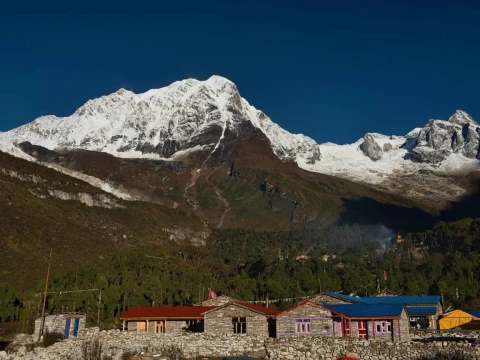
The Manaslu Circuit Trek with Serang Gompa is an extraordinary Himalayan adventure that combines spectacular mountain scenery, authentic Tibetan Buddhist culture, ancient monasteries, and a peaceful off-the-beaten-path trekking experience. Organized by Nepal Journey Travels, this 16-day trekking journey takes you around the magnificent Mount Manaslu (8,163m), the eighth-highest mountain in the world, while adding a unique cultural experience at the sacred Serang Gompa. Unlike many crowded trekking routes in Nepal, the Manaslu region offers a remote and untouched atmosphere where trekkers can experience traditional mountain lifestyles, ancient Buddhist practices, and breathtaking natural beauty.The journey begins with a scenic drive from Kathmandu to Machhe Khola before entering the restricted Manaslu Conservation Area. The trail follows the beautiful Budhi Gandaki River through deep valleys, waterfalls, suspension bridges, lush forests, and traditional villages. As the elevation increases, the landscape gradually changes from green hills and terraced farmland into alpine forests, rocky landscapes, glaciers, and snow-covered Himalayan peaks. Villages such as Jagat, Deng, Ghap, Shyala, Sama Gaun, and Samdo provide opportunities to experience the unique Gurung and Tibetan-influenced cultures of the region.A major highlight of this special itinerary is the visit to Serang Gompa, a hidden Buddhist monastery located at approximately 3,100 meters. This peaceful monastery offers a rare opportunity to observe Tibetan Buddhist traditions, meet resident monks, explore colorful prayer halls, and experience a spiritual environment surrounded by beautiful mountain scenery. Staying overnight near Serang Gompa creates a memorable cultural connection, making this trek distinct from the standard Manaslu Circuit route.The trek also includes important acclimatization activities, including an exciting hike to Manaslu Base Camp and Birendra Lake from Sama Gaun. The final adventure is crossing the challenging Larke La Pass (5,106m), one of Nepal’s most spectacular trekking passes. From the top, trekkers enjoy incredible views of Manaslu, Himlung Himal, Cheo Himal, Kang Guru, and Annapurna ranges before descending toward Bhimthang and Dharapani.With experienced guides, professional trekking support, carefully arranged transportation, permit management, and personalized service, Nepal Journey Travels ensures a safe and memorable Himalayan experience.Explore the remote and beautiful Manaslu region.Visit the peaceful and culturally important Serang Gompa.Experience Tibetan Buddhist villages and ancient monasteries.Trek around Mount Manaslu (8,163m), the eighth-highest mountain in the world.Cross the spectacular Larke La Pass at 5,106 meters.Explore Manaslu Base Camp and beautiful Birendra Lake.Enjoy breathtaking views of Manaslu, Himalchuli, Ganesh Himal, and Annapurna ranges.Experience authentic Himalayan hospitality with fewer crowds.Professional trekking service from Nepal Journey Travels.Best Season for Manaslu Circuit Trek with Serang GompaChoosing the right season is extremely important for safely and comfortably enjoying the Manaslu Circuit Trek with Serang Gompa. The Manaslu region experiences significant changes in weather and trail conditions throughout the year due to its high altitude and remote Himalayan location. According to Nepal Journey Travels, the best seasons for this trek are spring (March to May) and autumn (September to November) because these months provide stable weather, clear mountain views, comfortable temperatures, and excellent trekking conditions.The autumn season, especially from late September to November, is considered the best time for the Manaslu Circuit Trek. After the monsoon rainfall ends, the skies become clear, offering outstanding views of Mount Manaslu, Himalchuli, Ngadi Chuli, Ganesh Himal, and surrounding peaks. The trails are usually dry and stable, making the crossing of Larke La Pass safer and more enjoyable. During autumn, trekkers can also experience the beautiful local culture, traditional festivals, and vibrant village life throughout the Manaslu region.Spring, from March to May, is another excellent season for this adventure. During springtime, the lower sections of the trail become colorful with blooming rhododendron forests, Nepal’s national flower. The weather remains pleasant, with warm days and clear mountain views. This season is ideal for nature lovers, photographers, and trekkers who want to enjoy both Himalayan scenery and diverse flora. Wildlife sightings are also more common as the forests become active after winter.Winter and monsoon seasons are possible but require more preparation. Winter (December to February) brings heavy snowfall, extremely cold temperatures, and possible difficulties crossing Larke La Pass. However, experienced trekkers who prefer solitude and snowy landscapes may still enjoy the adventure with proper equipment and guidance. The monsoon season (June to August) brings heavy rainfall, muddy trails, landslides, and cloudy mountain views, making trekking more challenging.Best Seasons for Manaslu Circuit Trek with Serang Gompa:Autumn (September–November):Best overall trekking season.Clear skies and excellent mountain views.Stable weather conditions.Ideal for crossing Larke La Pass.Spring (March–May):Beautiful rhododendron forests.Pleasant temperatures.Great photography opportunities.Excellent visibility of Himalayan peaks.Winter (December–February):Fewer trekkers and peaceful trails.Beautiful snowy landscapes.Requires warm clothing and experience.Monsoon (June–August):Less recommended due to rain and trail difficulties.Requires extra preparation and flexibility.For the best experience, Nepal Journey Travels recommends planning the Manaslu Circuit Trek with Serang Gompa during spring or autumn, when the Himalayan landscapes are at their most spectacular and trekking conditions are most favorable.Manaslu Circuit Trek with Serang Gompa Difficulty and TransportationThe Manaslu Circuit Trek with Serang Gompa is considered a moderate to challenging high-altitude trekking adventure suitable for trekkers with good physical fitness, endurance, and previous hiking experience. Organized by Nepal Journey Travels, this trek involves long walking days, steep ascents and descents, remote mountain trails, and crossing the challenging Larke La Pass (5,106m). The difficulty level is mainly influenced by altitude, changing weather conditions, rough terrain, and the length of daily trekking hours rather than technical climbing skills.During the 16-day itinerary, trekkers gradually gain elevation from Machhe Khola at 870 meters to the highest point of Larke La Pass above 5,000 meters. This gradual ascent allows proper acclimatization and reduces the risk of altitude-related problems. The acclimatization day at Sama Gaun, including the hike to Manaslu Base Camp and Birendra Lake, plays an important role in preparing the body for higher elevations. The trail includes forest paths, rocky sections, suspension bridges, glacier areas, and steep mountain passes, requiring a steady walking pace and proper preparation.The crossing of Larke La Pass is the most demanding section of the trek. Starting early in the morning from Dharmasala, trekkers walk through high-altitude landscapes with limited oxygen and cold temperatures before reaching the summit. However, the incredible views of Manaslu, Himlung Himal, Cheo Himal, Kang Guru, and Annapurna ranges make this challenging day one of the most rewarding experiences of the journey.Transportation is an important part of the Manaslu Circuit Trek because the region is remote and does not have direct road access throughout the trekking route. Nepal Journey Travels provides comfortable and reliable private transportation from Kathmandu to Machhe Khola at the beginning of the trek and from Dharapani back to Kathmandu after completing the circuit. The journey includes scenic mountain drives through winding roads, rivers, villages, and countryside landscapes, providing travelers with a true experience of rural Nepal.Difficulty and Transportation Highlights:Moderate to challenging high-altitude trekking experience.Maximum elevation: Larke La Pass (5,106m).Requires good physical fitness and hiking preparation.Daily trekking duration: approximately 4–8 hours.Includes steep climbs, rocky trails, and high mountain terrain.Proper acclimatization support to adjust to altitude.Private jeep transportation from Kathmandu to Machhe Khola.Comfortable return transportation from Dharapani to Kathmandu.Experienced guides and support team from Nepal Journey Travels.Scenic mountain drives through remote Nepalese landscapes.Food and Accommodation for Manaslu Circuit Trek with Serang GompaDuring the Manaslu Circuit Trek with Serang Gompa, trekkers experience authentic Himalayan hospitality through traditional teahouse accommodation and locally prepared meals. Since the Manaslu region is a remote mountain area, the facilities are simple but comfortable, providing everything necessary for a safe and enjoyable trekking experience. Nepal Journey Travels carefully selects reliable teahouses and lodges along the route to ensure cleanliness, comfort, and a welcoming environment throughout the journey.Accommodation during the trek is mainly provided in local teahouses operated by mountain families. These teahouses offer basic but cozy rooms, usually with twin beds, mattresses, blankets, and shared bathroom facilities. In lower-altitude villages such as Machhe Khola, Jagat, and Deng, accommodations are generally more comfortable, while higher areas like Samdo and Dharmasala have more basic facilities due to the remote environment and cold climate. At Serang Gompa, trekkers enjoy a unique overnight experience near the monastery, allowing them to connect with the peaceful spiritual atmosphere of the region.Food during the Manaslu Circuit Trek provides essential energy for long walking days and high-altitude conditions. Most meals are freshly prepared by local teahouse cooks using available mountain ingredients. Trekkers can enjoy traditional Nepali dishes as well as popular international options. The famous Dal Bhat (rice, lentils, vegetables, and curry) is a favorite choice among trekkers because it provides balanced nutrition and unlimited energy for trekking. Other common meals include noodles, soups, pasta, Tibetan bread, pancakes, potatoes, eggs, vegetables, and seasonal local dishes.Drinking enough water and maintaining proper nutrition are especially important at higher elevations. Trekkers are encouraged to drink plenty of fluids and carry reusable water bottles. Hot drinks such as tea, coffee, ginger tea, and hot lemon are available at teahouses to provide warmth during colder days.Food and Accommodation Highlights:Comfortable teahouse accommodation throughout the trekking route.Overnight stay near the peaceful Serang Gompa monastery.Traditional Nepali meals and international food options available.Freshly prepared Dal Bhat, noodles, soups, and mountain dishes.Warm dining areas with local Himalayan hospitality.Basic but comfortable rooms with beds and blankets.Shared bathroom facilities in most teahouses.Nutritious meals designed for high-altitude trekking.Experienced support from Nepal Journey Travels for lodge arrangements.Manaslu Circuit Trek with Serang Gompa PermitsThe Manaslu Circuit Trek with Serang Gompa takes place in a restricted and protected region of Nepal, meaning trekkers require several official permits before entering the area. The Manaslu region was opened to controlled trekking to preserve its natural environment, wildlife, and unique cultural heritage. Nepal Journey Travels assists travelers with all necessary permit arrangements, ensuring a smooth and hassle-free trekking experience.The main permit required for this trek is the Manaslu Restricted Area Permit (RAP). Because the Manaslu region is close to the Tibetan border, trekkers must travel with an authorized guide and obtain this special permit. The restricted area permit applies to the section from Jagat to Samagaun, where the government controls visitor numbers to protect local traditions and ecosystems.Another important permit is the Manaslu Conservation Area Permit (MCAP). The entire trekking route passes through the Manaslu Conservation Area, which protects diverse wildlife, forests, and mountain landscapes. This permit supports conservation activities and sustainable tourism development in the region.Trekkers also need the Annapurna Conservation Area Permit (ACAP) because the final section of the trek from Dharapani connects with the Annapurna Conservation Area before returning to Kathmandu. These permits help maintain trekking trails, support local communities, and preserve the natural beauty of Nepal’s Himalayan regions.Nepal Journey Travels manages the complete permit process, including document preparation, application procedures, and coordination with local authorities. Trekkers only need to provide the required personal information and passport details before arrival or during the trip preparation period.Required Permits Highlights:Manaslu Restricted Area Permit (RAP).Manaslu Conservation Area Permit (MCAP).Annapurna Conservation Area Permit (ACAP).TIMS card where applicable according to current regulations.A minimum of two trekkers is required for restricted area permit processing.A licensed trekking guide is required for the restricted region.Nepal Journey Travels handles permit arrangements and documentation.Supports responsible and sustainable tourism practices.Why Choose Manaslu Circuit Trek with Serang Gompa?Choosing the Manaslu Circuit Trek with Serang Gompa means experiencing one of Nepal’s most unique Himalayan adventures, combining natural beauty, cultural discovery, and spiritual exploration. Unlike many popular trekking destinations, the Manaslu region remains peaceful, remote, and less crowded, allowing trekkers to enjoy authentic mountain experiences. With the additional visit to Serang Gompa, this itinerary offers something beyond a traditional trekking route by connecting travelers with ancient Buddhist traditions and local Himalayan lifestyles.Nepal Journey Travels provides a professionally organized trekking experience with experienced guides, reliable transportation, carefully planned itineraries, and personalized service. Our team understands the challenges of high-altitude trekking and focuses on safety, comfort, and customer satisfaction throughout the journey. From airport pickup in Kathmandu to final departure, every detail is managed to create a smooth and memorable adventure.The Manaslu Circuit Trek with Serang Gompa is ideal for travelers who want more than just mountain views. The trek provides opportunities to explore traditional Gurung and Tibetan villages, visit ancient monasteries, observe Buddhist rituals, and interact with friendly local communities. The peaceful environment around Serang Gompa offers a rare cultural experience where visitors can appreciate centuries-old spiritual traditions.The route also delivers some of the most impressive Himalayan scenery in Nepal, including views of Mount Manaslu, glaciers, high mountain valleys, alpine forests, and the spectacular Larke La Pass. The combination of adventure, culture, and natural beauty makes this trek a once-in-a-lifetime Himalayan experience.Reasons to Choose Nepal Journey Travels:Special itinerary including the hidden Serang Gompa monastery.Experience the authentic and less crowded Manaslu region.Professional licensed trekking guides and experienced support staff.Complete permit assistance and trip management.Safe and comfortable transportation arrangements.Carefully planned acclimatization schedule.Explore Tibetan Buddhist culture and Himalayan villages.Cross the breathtaking Larke La Pass (5,106m).Enjoy personalized service from a trusted local trekking company.Create unforgettable memories in the Himalayas with Nepal Journey Travels.
The Sikles Trek is one of the most culturally rich and moderately challenging trekking routes in the Annapurna region of Nepal, organized professionally by Nepal Journey Travels. This trek offers a perfect combination of natural beauty, ethnic heritage, and Himalayan landscapes. The journey typically begins from the foothills near Pokhara and gradually ascends through lush forests, terraced farmlands, and traditional Gurung villages, eventually reaching Sikles, one of the oldest and largest Gurung settlements in Nepal.Sikles village itself is a highlight of the trek, known for its preserved culture, stone-built houses, and breathtaking views of Annapurna II, Lamjung Himal, and surrounding peaks. The trail is less crowded compared to other popular routes in the Annapurna region, making it ideal for trekkers seeking peace, authenticity, and a closer connection with nature. With Nepal Journey Travels, the trek is carefully designed to balance adventure, cultural immersion, and comfort.This trek also extends into remote areas like Nyauli Kharka and Ghale Gaun, allowing trekkers to experience both wilderness and community-based tourism. The combination of natural diversity and cultural depth makes the Sikles Trek a hidden gem in Nepal’s trekking portfolio.Ancient Gurung village of Sikles (1,980m)Scenic views of Annapurna and Lamjung Himal rangesRich cultural experience with local communitiesLess crowded and peaceful trekking trailsOrganized logistics and guidance by Nepal Journey TravelsBest Season for Sikles TrekThe best time to undertake the Sikles Trek with Nepal Journey Travels is during the spring (March to May) and autumn (September to November) seasons. These months offer the most stable weather conditions, clear mountain views, and comfortable trekking temperatures. Spring brings blooming rhododendron forests that paint the hills in vibrant red and pink colors, while autumn offers crystal-clear skies and fresh post-monsoon greenery.During these peak seasons, visibility of the Annapurna range is at its best, making photography and sightseeing highly rewarding. The temperature remains moderate, allowing trekkers to walk comfortably without extreme cold or heat. These seasons also coincide with Nepal’s major trekking windows, meaning local teahouses and lodges along the route are fully operational and well-prepared for visitors.Winter (December to February) is also possible for experienced trekkers, but higher regions like Nyauli Kharka can be quite cold. Monsoon season (June to August) is generally not recommended due to heavy rainfall, slippery trails, and limited mountain visibility.Seasonal breakdown:Spring (Mar–May): Rhododendron blooms, ideal trekking weatherAutumn (Sep–Nov): Best visibility, stable climate, peak seasonWinter (Dec–Feb): Cold but possible for experienced trekkersMonsoon (Jun–Aug): Not recommended due to rain and landslidesNepal Journey Travels ensures seasonal planning, safety checks, and alternative arrangements based on weather conditions.Sikles Trek Difficulty and TransportationThe Sikles Trek is considered a moderate-level trek, making it suitable for beginners with reasonable fitness as well as experienced trekkers looking for a cultural Himalayan experience. The daily walking duration typically ranges between 4 to 7 hours, with gradual ascents and descents. The highest elevation reached is around 2,200 meters at Nyauli Kharka, which significantly reduces the risk of altitude sickness compared to high-altitude treks.The trails include stone steps, forest paths, ridges, and village routes. While some sections are steep, the overall gradient is manageable. Nepal Journey Travels ensures proper pacing, acclimatization, and guidance throughout the journey. Their experienced trekking guides help maintain safety and comfort, especially in remote forest sections.Transportation is an important part of this trek. The journey begins with a tourist bus or private vehicle from Kathmandu to Pokhara, followed by a drive to Bijayapur Khola, the trekking starting point. After completing the trek, travelers return the same way via Pokhara back to Kathmandu.Difficulty and transport highlights:Moderate difficulty suitable for most fitness levels4–7 hours walking per day on averageMaximum altitude: ~2,200m (low risk of altitude sickness)Tourist bus/vehicle transfers between Kathmandu and PokharaLocal jeep or vehicle access to trek starting pointFully managed logistics by Nepal Journey TravelsFood and Accommodation for Sikles TrekFood and accommodation during the Sikles Trek are arranged in a combination of local teahouses, lodges, and homestays, all organized under the supervision of Nepal Journey Travels. Meals are simple, fresh, and typically prepared using locally available ingredients. Common dishes include dal bhat (rice and lentil soup), noodles, vegetables, eggs, soups, and occasionally Tibetan-style bread or pancakes.As you ascend into higher villages like Sikles and Nyauli Kharka, food options become slightly limited but remain nutritious and sufficient for trekking needs. The hospitality of the Gurung community is one of the highlights, offering warm and welcoming service in remote mountain villages.Accommodation varies from basic teahouses in lower regions to more traditional homestays in Sikles and Ghale Gaun. Rooms are usually twin-sharing with simple bedding, blankets, and shared bathrooms. In cultural villages, trekkers may also experience traditional homestays, offering deeper insight into local lifestyles.Food & accommodation features:Freshly cooked Nepali and basic international mealsTeahouses stay in most trekking villagesHomestay experience in Sikles and Ghale GaunTwin-sharing rooms with basic facilitiesHygienic, simple, and locally managed lodgingFully arranged by Nepal Journey Travels for comfort and safetySikles Trek PermitsTo undertake the Sikles Trek, trekkers require official trekking permits, which are arranged efficiently by Nepal Journey Travels as part of the package. Since the trek lies within the Annapurna Conservation Area, the primary permit required is the Annapurna Conservation Area Permit (ACAP). In addition, trekkers must also obtain the TIMS (Trekkers’ Information Management System) card, which helps monitor trekking activity for safety purposes.These permits are essential for conservation efforts, environmental protection, and ensuring safe trekking practices in the region. The fees collected contribute directly to local development, trail maintenance, and wildlife conservation projects.Nepal Journey Travels handles all paperwork, documentation, and permit arrangements, allowing trekkers to focus entirely on their journey without administrative stress. Travelers only need to provide passport copies and necessary personal details before the trek begins.Permit essentials:ACAP (Annapurna Conservation Area Permit) requiredTIMS card mandatory for trekking registrationIssued through official tourism offices in NepalRequired documents: passport copy + photosFees support conservation and local developmentFully managed by Nepal Journey TravelsWhy Choose Sikles TrekThe Sikles Trek stands out as one of the most rewarding short-to-medium trekking experiences in Nepal, especially for those who want a blend of nature, culture, and tranquility. Unlike crowded trekking routes, Sikles offers a peaceful environment where trekkers can experience authentic village life, untouched landscapes, and panoramic mountain views without heavy tourist traffic.With Nepal Journey Travels, the trek becomes even more enriching due to professional guidance, well-organized logistics, and personalized service. Their experienced team ensures safety, comfort, and meaningful cultural interaction throughout the journey. From transportation to accommodation and guiding services, everything is carefully managed.This trek is also ideal for travelers who want a shorter alternative to longer Himalayan expeditions while still experiencing the essence of the Annapurna region. The combination of Gurung heritage, forest trails, and mountain scenery creates a balanced and memorable adventure.Reasons to choose Sikles Trek:Less crowded and peaceful trekking routeRich Gurung culture and heritage experienceStunning views of Annapurna and Lamjung HimalModerate difficulty suitable for most trekkersWell-managed itinerary by Nepal Journey TravelsPerfect short Himalayan trekking experience in Nepal
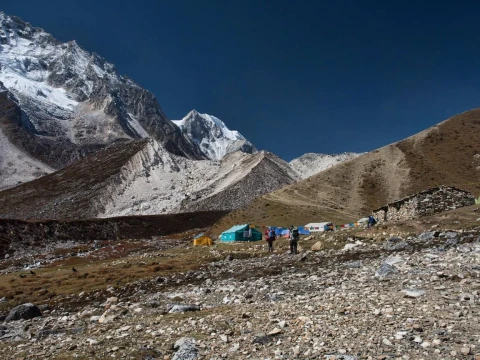
The Manaslu Circuit Trek with Tibet Border Hike is one of the most spectacular and culturally rich trekking adventures in Nepal, offering a perfect combination of Himalayan wilderness, Tibetan Buddhist heritage, remote villages, and high-altitude exploration. Organized by Nepal Journey Travels, this unique trekking itinerary takes you around the world’s eighth-highest mountain, Mount Manaslu (8,163m), while including special side trips to sacred destinations such as Serang Gompa and the remote Tibetan border area near Samdo.Unlike the standard Manaslu Circuit Trek, this extended adventure provides deeper cultural immersion and exploration of hidden Himalayan landscapes. The journey begins with a scenic drive from Kathmandu to Machha Khola and follows the dramatic Budhi Gandaki Valley through traditional Gurung and Tibetan-influenced villages. Trekkers pass through beautiful settlements such as Jagat, Deng, Prok, Lho, Shyala, Sama Gaun, and Samdo before reaching the challenging but rewarding Larkya La Pass (5,106m).The highlight of this trek is the visit to Serang Gompa, a peaceful Buddhist monastery located away from the main trekking route. Spending time near this spiritual center allows travelers to experience ancient Buddhist traditions, monastery life, prayer ceremonies, and the peaceful atmosphere of the high Himalayas. The Tibet Border Hike from Samdo adds another unique dimension by exploring remote landscapes historically connected with Tibetan trade routes and mountain communities.The trek is ideal for adventure seekers who want more than mountain views. It combines breathtaking scenery, authentic local culture, ancient monasteries, wildlife, glaciers, alpine lakes, and challenging Himalayan trails into one unforgettable experience.Explore the remote and beautiful Manaslu Conservation AreaVisit the sacred Serang Gompa Buddhist monasteryExperience Tibetan-influenced villages and traditionsHike toward the Nepal–Tibet border region from SamdoCross the adventurous Larke La Pass (5,106m)Enjoy views of Manaslu, Himalchuli, Ganesh Himal, and Annapurna rangesExperience authentic Himalayan hospitality with Nepal Journey TravelsBest Season for Manaslu Circuit Trek with Tibet Border HikeChoosing the right season is essential for enjoying the best experience on the Manaslu Circuit Trek with Tibet Border Hike. The trekking route passes through different climatic zones, from subtropical valleys to high Himalayan landscapes above 5,000 meters. Nepal Journey Travels recommends the spring and autumn seasons as the most favorable periods because of stable weather, clear mountain views, and comfortable trekking conditions.The best season for this trek is generally autumn (September to November). During this period, the skies are usually clear after the monsoon, providing excellent visibility of Mount Manaslu and surrounding Himalayan peaks. The temperatures are comfortable, trails are dry, and the conditions for crossing Larke La Pass are usually excellent. Autumn also offers a chance to experience local festivals and cultural celebrations in mountain villages.Spring (March to May) is another ideal season for the Manaslu Circuit Trek with Tibet Border Hike. During spring, the forests become colorful with blooming rhododendron flowers, Nepal’s national flower. The weather is mild, and trekkers can enjoy beautiful landscapes filled with flowers, greenery, and snow-covered peaks. Wildlife activity also increases during this season, making the journey even more rewarding.Winter trekking (December to February) is possible for experienced trekkers but requires careful preparation because temperatures drop significantly at higher elevations. Heavy snowfall can create challenges while crossing Larke La Pass. The monsoon season (June to August) is less recommended because rain can cause muddy trails, landslides, and reduced mountain visibility.Best seasons for Manaslu Circuit Trek with Tibet Border Hike:Autumn (September–November): Best weather, clear views, stable trailsSpring (March–May): Beautiful flowers, mild temperatures, excellent sceneryWinter (December–February): Possible for experienced trekkers with proper equipmentMonsoon (June–August): Less recommended due to rainfall and trail conditionsManaslu Circuit Trek with Tibet Border Hike Difficulty and TransportationThe Manaslu Circuit Trek with Tibet Border Hike is considered a challenging Himalayan trekking adventure because of its remote location, long walking days, and high-altitude sections. Nepal Journey Travels designs the itinerary carefully with proper acclimatization days to help trekkers adjust gradually to increasing elevation. Although previous trekking experience is helpful, physically fit travelers with strong determination can complete this adventure.The major challenge of the trek is crossing Larke La Pass at 5,106 meters. The pass involves early morning walking, steep climbs, rocky trails, and changing weather conditions. The Tibet Border Hike from Samdo also requires walking in high-altitude terrain with limited oxygen. However, the rewarding views, peaceful landscapes, and unique cultural experiences make every effort worthwhile.Transportation is arranged by Nepal Journey Travels from the beginning to the end of the journey. The adventure starts with a scenic private jeep drive from Kathmandu to Machha Khola, passing through mountain roads, rivers, villages, and terraced farmland. After completing the trek, transportation is arranged from Dharapani or Tilche to Besisahar and then onward to Kathmandu, Pokhara, or Chitwan according to your travel plan.The combination of comfortable transportation and experienced trekking support allows travelers to focus on enjoying the Himalayan experience without worrying about logistics.Difficulty and transportation highlights:Challenging trek suitable for physically fit adventure travelersMaximum elevation: Larke La Pass (5,106m)Requires good stamina and preparationIncludes long walking days of 5–8 hoursPrivate jeep transportation during road sectionsExperienced guides and support staff from Nepal Journey TravelsProper acclimatization planning for altitude safetyFood and Accommodation for Manaslu Circuit Trek with Tibet Border HikeDuring the Manaslu Circuit Trek with Tibet Border Hike, Nepal Journey Travels provides comfortable and hygienic accommodation throughout the journey. Since the trekking region is remote and protected, accommodation is mainly provided in traditional mountain teahouses and lodges operated by local families. These teahouses offer warm hospitality, simple rooms, and an authentic Himalayan experience.Most teahouses provide twin-sharing rooms with basic facilities such as beds, blankets, pillows, and shared bathrooms. In higher-altitude areas like Samdo and Dharmasala, facilities become more basic due to the remote environment. Staying in these mountain lodges allows trekkers to interact with local communities and experience the lifestyle of Himalayan people.Food during the trek includes a variety of nutritious meals designed to provide enough energy for long walking days. Teahouses serve traditional Nepali dishes as well as Tibetan and international options. Dal Bhat (rice, lentils, and vegetables) is a popular choice because it provides excellent energy and is available throughout the route.Breakfast usually includes options such as porridge, eggs, bread, pancakes, and tea or coffee. Lunch and dinner may include noodles, soups, pasta, potatoes, vegetables, and local dishes. Nepal Journey Travels ensures that trekkers receive safe, fresh, and sufficient meals throughout the trek.Food and accommodation features:Comfortable teahouse accommodationTraditional Himalayan hospitalityTwin-sharing rooms during trekkingNutritious meals for high-altitude walkingNepali, Tibetan, and international food optionsExperienced support team for meal arrangementsAuthentic cultural experience in mountain villagesManaslu Circuit Trek with Tibet Border Hike PermitsThe Manaslu Circuit Trek with Tibet Border Hike takes place in a restricted and protected Himalayan region, so several permits are required before beginning the trek. Nepal Journey Travels manages all necessary permits and paperwork to ensure a smooth trekking experience. Having the correct documents is essential because independent trekking is restricted in certain sections of the Manaslu region.The main permit required is the Manaslu Restricted Area Permit, which allows trekkers to enter the controlled region between Jagat and Samagaun. The cost depends on the season and the number of days spent inside the restricted area. Trekkers also need the Manaslu Conservation Area Permit (MCAP) because the route passes through the Manaslu Conservation Area.Another required permit is the Annapurna Conservation Area Permit (ACAP) because the trail exits through the Annapurna region after crossing Larke La Pass. Additionally, trekkers must be accompanied by a licensed guide, and a minimum of two trekkers is generally required for the restricted area permit process.For the Tibet Border Hike near Samdo, additional local permissions and coordination may be required depending on current regulations. Nepal Journey Travels handles these arrangements professionally so travelers can focus on enjoying the adventure.Required permits include:Manaslu Restricted Area PermitManaslu Conservation Area Permit (MCAP)Annapurna Conservation Area Permit (ACAP)TIMS card (where applicable)Special arrangements for Tibet Border HikeLicensed trekking guide requirementPermit management support from Nepal Journey TravelsWhy Choose Manaslu Circuit Trek with Tibet Border HikeChoosing the Manaslu Circuit Trek with Tibet Border Hike means experiencing one of Nepal’s most authentic and less crowded Himalayan adventures. Nepal Journey Travels offers this special itinerary for travelers who want to explore beyond the usual trekking routes and discover remote mountain communities, ancient monasteries, and untouched natural landscapes.The trek combines everything that makes Nepal famous: dramatic Himalayan peaks, challenging mountain passes, Buddhist culture, traditional villages, glaciers, forests, and warm local hospitality. The addition of Serang Gompa and the Tibet Border Hike makes this journey even more unique by providing deeper cultural experiences and opportunities to explore hidden areas rarely visited by ordinary trekkers.Nepal Journey Travels focuses on providing safe, professional, and personalized trekking services. Our experienced guides understand the challenges of high-altitude trekking and provide proper guidance, acclimatization support, and cultural insights throughout the journey. From airport arrival to final departure, every detail is carefully managed to create a memorable Himalayan adventure.This trek is perfect for travelers seeking adventure, cultural discovery, and natural beauty away from crowded trekking routes. The combination of remote trails, Tibetan heritage, sacred monasteries, and spectacular mountain scenery creates a once-in-a-lifetime experience.Reasons to choose this trek:Unique combination of Manaslu Circuit, Serang Gompa, and Tibet Border HikeLess crowded alternative to popular trekking routesProfessional service from Nepal Journey TravelsExperienced guides and a reliable support teamAuthentic Tibetan-influenced mountain cultureStunning views of Himalayan peaks and glaciersAdventure with safety, comfort, and cultural exploration
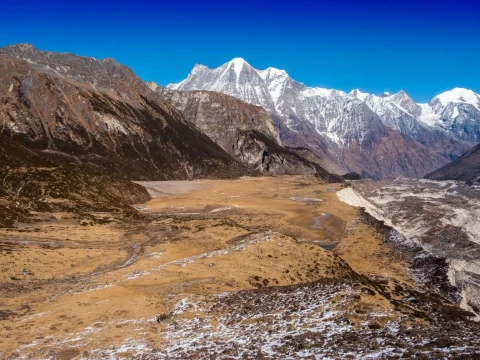
The Manaslu Circuit Trek with Pungyen Gompa is one of Nepal's most rewarding Himalayan adventures, offering an outstanding combination of breathtaking mountain scenery, rich Tibetan Buddhist culture, remote villages, and high-altitude trekking. Organized by Nepal Journey Travels, this carefully designed itinerary follows the classic Manaslu Circuit while including an unforgettable visit to the sacred Pungyen Gompa (Pungyen Monastery), a peaceful monastery situated beneath the majestic slopes of Mount Manaslu. Unlike the busier trekking regions of Nepal, the Manaslu area remains relatively untouched, allowing trekkers to experience authentic Himalayan lifestyles, ancient traditions, and pristine natural beauty.The journey begins in Kathmandu before traveling to Machha Khola, where the trekking adventure officially starts. Over the following days, the trail follows the Budhi Gandaki River through dense forests, traditional Gurung and Tibetan villages, suspension bridges, waterfalls, and spectacular mountain valleys. Trekkers gradually gain elevation while enjoying magnificent views of Mount Manaslu (8,163 m), Himalchuli, Ngadi Chuli, Ganesh Himal, Cheo Himal, Kang Guru, and Annapurna II. One of the major highlights is visiting Pungyen Gompa, an ancient Buddhist monastery surrounded by glaciers and towering Himalayan peaks, providing an exceptional opportunity to experience the spiritual atmosphere of the Manaslu region.The itinerary also includes essential acclimatization days in Samagaun and Samdo, allowing trekkers to safely adjust to the increasing altitude before crossing the famous Larkya La Pass (5,106 m). After crossing the pass, the trail descends through beautiful alpine forests and picturesque villages before reaching Besisahar and returning to Kathmandu. Throughout the journey, Nepal Journey Travels provides experienced trekking guides, professional organization, and personalized services to ensure a safe, comfortable, and memorable Himalayan adventure.Visit the sacred Pungyen Gompa (Pungyen Monastery)Cross the spectacular Larkya La Pass (5,106 m)Trek around the world's eighth-highest mountain, Mount ManasluExperience authentic Tibetan Buddhist cultureExplore traditional Gurung and Tibetan villagesEnjoy breathtaking Himalayan panoramasWalk through Manaslu Conservation AreaComfortable teahouse accommodation throughout the trekExperienced guides and full logistical support from Nepal Journey TravelsBest Season for Manaslu Circuit Trek with Pungyen GompaChoosing the right trekking season is one of the most important factors for enjoying the Manaslu Circuit Trek with Pungyen Gompa. Nepal Journey Travels highly recommends trekking during spring (March to May) and autumn (September to November), as these seasons provide the most stable weather, excellent visibility, pleasant temperatures, and safer trekking conditions. During these months, trekkers can fully appreciate the magnificent Himalayan scenery while enjoying comfortable walking conditions throughout the journey.Spring transforms the Manaslu region into a colorful paradise filled with blooming rhododendron forests, fresh greenery, and clear mountain skies. Temperatures are generally mild at lower elevations while remaining cool and comfortable in higher areas. Wildlife becomes more active, rivers flow beautifully with melting snow, and the panoramic mountain views are exceptionally rewarding. Spring is also an excellent season for photographers seeking vibrant landscapes and dramatic Himalayan backdrops.Autumn is widely regarded as the best overall season for the Manaslu Circuit Trek. Following the summer monsoon, the skies become crystal clear, offering spectacular visibility of Mount Manaslu and neighboring Himalayan peaks. The weather is generally stable, making it ideal for safely crossing Larkya La Pass. Additionally, many important Nepalese festivals occur during autumn, allowing trekkers to experience local traditions and cultural celebrations along the route.Although trekking is possible during winter, cold temperatures and heavy snowfall can make crossing Larkya La Pass challenging. The summer monsoon season brings frequent rainfall, muddy trails, and occasional landslides, making trekking more difficult and reducing mountain visibility.Best Trekking SeasonsSpring (March to May)Autumn (September to November)Seasonal AdvantagesClear mountain viewsStable weatherComfortable temperaturesSafer high-pass crossingExcellent photography opportunitiesBeautiful forests and alpine landscapesManaslu Circuit Trek with Pungyen Gompa Hike Difficulty and TransportationThe Manaslu Circuit Trek with Pungyen Gompa is considered a moderately challenging to strenuous Himalayan trek. Nepal Journey Travels recommends this adventure for trekkers with good physical fitness, determination, and a positive attitude toward multi-day mountain hiking. While previous trekking experience is beneficial, beginners with proper preparation, regular exercise, and sufficient training can also complete the trek under the guidance of experienced professionals.One of the main challenges of this trek is the high altitude. The itinerary gradually ascends from lower river valleys to the impressive Larkya La Pass at 5,106 meters. To minimize the risk of altitude sickness, the itinerary includes carefully planned acclimatization days in Samagaun and Samdo. Daily walking generally ranges from 5 to 8 hours, involving a combination of forest trails, rocky paths, suspension bridges, alpine terrain, and gradual ascents and descents. The inclusion of Pungyen Gompa adds an enriching cultural experience while remaining manageable within the overall trekking schedule.Transportation is well organized by Nepal Journey Travels to ensure a smooth travel experience. The adventure begins with a scenic drive from Kathmandu to Machha Khola, passing beautiful countryside, rivers, terraced fields, and mountain villages. After completing the trek at Tilje, private or local transportation transfers trekkers to Besisahar before returning to Kathmandu. All transportation arrangements are handled by the company, allowing trekkers to focus entirely on enjoying their Himalayan journey.Difficulty OverviewModerate to strenuous trekMaximum altitude: 5,106 metersDaily walking: 5–8 hoursHigh-altitude trekking experienceSuitable for physically fit trekkersTransportationKathmandu to Machha Khola by roadTilje to Besisahar by vehicleBesisahar to Kathmandu by tourist vehicleFood and Accommodation for Manaslu Circuit Trek with Pungyen GompaDuring the Manaslu Circuit Trek with Pungyen Gompa, Nepal Journey Travels arranges comfortable teahouse accommodation throughout the journey, allowing trekkers to experience genuine Himalayan hospitality. Although the Manaslu region is remote, the local teahouses provide clean rooms, warm dining halls, friendly service, and an excellent opportunity to interact with local families. Rooms are generally twin-sharing with shared bathroom facilities in most villages, while some lower-elevation locations offer attached bathrooms and additional comforts.The dining experience is one of the enjoyable aspects of trekking in Nepal. Local teahouses prepare freshly cooked meals using locally available ingredients. The most popular meal is Dal Bhat, Nepal's traditional combination of rice, lentil soup, vegetables, and curry, providing excellent nutrition and energy for long trekking days. Trekkers can also enjoy noodles, fried rice, soups, pasta, momos, pancakes, porridge, potatoes, eggs, tea, coffee, and seasonal fruits depending on availability.As the trail climbs into higher elevations, menu options become slightly more limited because supplies are transported by porters and pack animals. Nevertheless, Nepal Journey Travels carefully selects reliable teahouses that maintain good standards of cleanliness, hygiene, and food quality. Staying in local lodges also supports mountain communities while providing visitors with an authentic cultural experience.Accommodation FeaturesComfortable local teahousesTwin-sharing roomsWarm dining hallsFriendly mountain hospitalityBeautiful village settingsAvailable MealsDal BhatFried riceNoodlesSoupsPastaMomosPancakesEggsTea and coffeeSeasonal vegetablesManaslu Circuit Trek with Pungyen Gompa PermitsSince the Manaslu Circuit Trek with Pungyen Gompa passes through protected and restricted areas, several permits are mandatory before beginning the trek. Nepal Journey Travels manages the complete permit process on behalf of trekkers, ensuring all official requirements are completed before departure. Trekkers simply provide the necessary passport details and photographs, while the company handles the paperwork efficiently.The primary permit required is the Manaslu Restricted Area Permit (RAP), which is compulsory because the Manaslu region is designated as a restricted trekking area by the Government of Nepal. In addition, trekkers require the Manaslu Conservation Area Permit (MCAP) and the Annapurna Conservation Area Permit (ACAP) because the trek eventually enters the Annapurna Conservation Area after crossing Larkya La Pass.According to Nepalese trekking regulations, independent trekking is not permitted in the Manaslu Restricted Area. Trekkers must travel through a registered trekking company such as Nepal Journey Travels and be accompanied by a licensed guide. These regulations help ensure visitor safety while protecting the region's unique culture, wildlife, and fragile mountain environment.Required PermitsManaslu Restricted Area Permit (RAP)Manaslu Conservation Area Permit (MCAP)Annapurna Conservation Area Permit (ACAP)Permit Services by Nepal Journey TravelsComplete permit processingLicensed trekking guideGovernment documentationTrip coordinationHassle-free arrangementsWhy Choose Manaslu Circuit Trek with Pungyen GompaThe Manaslu Circuit Trek with Pungyen Gompa offers an exceptional alternative to Nepal's more crowded trekking routes. This adventure combines spectacular Himalayan landscapes, authentic Tibetan culture, ancient monasteries, high mountain passes, and peaceful villages into one unforgettable experience. By including a visit to the sacred Pungyen Gompa, Nepal Journey Travels provides trekkers with a unique cultural and spiritual highlight that is often missed on standard Manaslu itineraries. The carefully designed itinerary balances adventure, acclimatization, sightseeing, and cultural exploration while maintaining a comfortable trekking pace.Nepal Journey Travels is committed to delivering professional service from arrival to departure. Our experienced trekking guides possess extensive local knowledge, prioritize safety, and share valuable insights into the region's history, religion, wildlife, and mountain culture. Every aspect of the journey, including transportation, accommodation, permits, and logistics, is professionally managed, allowing trekkers to enjoy a stress-free adventure in one of Nepal's most remarkable trekking destinations.Whether you are an experienced trekker seeking a challenging Himalayan expedition or a passionate traveler looking for authentic cultural experiences, this trek offers lasting memories that extend far beyond mountain scenery. From crossing Larkya La Pass to exploring traditional villages and the peaceful Pungyen Gompa, every day presents new discoveries and unforgettable moments.Why Trek with Nepal Journey TravelsProfessional and experienced local guidesCarefully planned acclimatization itineraryVisit to the sacred Pungyen GompaComplete permit and logistics managementComfortable teahouse accommodationReliable transportation servicesPersonalized customer careSafety-first trekking approachAuthentic cultural experiencesCompetitive pricing with excellent service
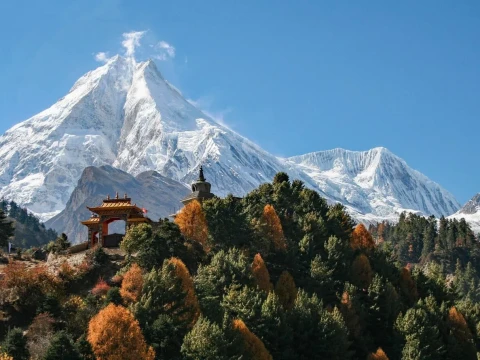
The Manaslu Tsum Valley Trek with Ganesh Himal Base Camp is one of Nepal’s most spectacular and less-crowded Himalayan adventures, combining the hidden cultural beauty of Tsum Valley, the majestic landscapes of the Manaslu region, and the unforgettable experience of reaching Ganesh Himal Base Camp. Organized by Nepal Journey Travels, this extraordinary journey takes trekkers through remote mountain villages, ancient Buddhist monasteries, dramatic river valleys, high Himalayan landscapes, and traditional settlements that have preserved their unique Tibetan-influenced culture for centuries.This trek offers a perfect blend of natural beauty, adventure, and cultural exploration. The route begins from the lower Budhi Gandaki Valley and gradually enters the restricted Manaslu Conservation Area before reaching the sacred Tsum Valley, known as the “hidden valley of happiness.” Trekkers explore ancient monasteries such as Mu Gompa and Rachen Gompa, experience the warm hospitality of local communities, and enjoy breathtaking views of Ganesh Himal, Mount Manaslu, glaciers, and surrounding Himalayan peaks.After exploring Tsum Valley and visiting Ganesh Himal Base Camp at approximately 4,800 meters, the journey continues toward the classic Manaslu Circuit trail. The trek includes crossing the challenging Larke La Pass (5,160m), one of Nepal’s most impressive high mountain passes, before descending toward Dharapani. With expert guidance, experienced trekking staff, and professional arrangements from Nepal Journey Travels, this adventure provides a safe and memorable Himalayan experience.Explore the remote and culturally rich Tsum Valley.Visit ancient Buddhist monasteries and traditional villages.Experience authentic Tibetan-influenced Himalayan culture.Trek to the spectacular Ganesh Himal Base Camp.Enjoy panoramic views of Mount Manaslu and Ganesh Himal ranges.Cross the famous Larke La Pass at 5,160 meters.Trek through the protected Manaslu Conservation Area.Experience untouched landscapes away from crowded trekking routes.Best Season for Manaslu Tsum Valley Trek with Ganesh HimalChoosing the right season is very important for safely and comfortably enjoying the Manaslu Tsum Valley Trek with Ganesh Himal Base Camp. Nepal Journey Travels recommends the spring and autumn seasons as the best periods for this adventure because of favorable weather, clear mountain views, stable trekking conditions, and comfortable temperatures.The spring season (March to May) is one of the most beautiful times for trekking in the Manaslu and Tsum Valley regions. During this period, the forests become colorful with blooming rhododendron flowers, the weather remains pleasant, and the mountain views are excellent. The trails are filled with natural beauty, making it an ideal season for photography, cultural exploration, and high-altitude trekking.The autumn season (September to November) is considered the best trekking season in Nepal. After the monsoon rain, the skies become clear, offering magnificent views of Manaslu, Ganesh Himal, glaciers, and surrounding peaks. The stable weather conditions make crossing Larke La Pass easier and safer.Winter trekking (December to February) is possible for experienced trekkers, but heavy snowfall and freezing temperatures at higher elevations can make the journey more challenging. The monsoon season (June to August) is less recommended because rainfall can create slippery trails, landslides, and limited mountain visibility.Best Seasons:Spring (March–May): Flowers, pleasant weather, excellent mountain views.Autumn (September–November): Clear skies, stable weather, best trekking conditions.Winter (December–February): Possible for experienced trekkers with proper preparation.Monsoon (June–August): Less recommended due to rain and difficult trails.Manaslu Tsum Valley Trek with Ganesh Himal Difficulty and TransportationThe Manaslu Tsum Valley Trek with Ganesh Himal Base Camp is considered a challenging Himalayan trekking adventure suitable for trekkers with good physical fitness and previous hiking experience. The difficulty comes from long walking days, remote mountain terrain, high altitude, steep ascents and descents, and crossing the Larke La Pass at 5,160 meters.Trekkers should be prepared to walk approximately 5–9 hours daily through different landscapes, including forests, rocky trails, alpine areas, and high mountain paths. Proper acclimatization days at important locations such as Samagaun help reduce altitude-related risks and allow the body to adjust gradually.Nepal Journey Travels provides experienced guides, careful itinerary planning, and safety support throughout the trek. Our professional trekking team ensures that every traveler maintains a comfortable pace while enjoying the natural and cultural highlights of the region.Transportation for this trek includes a scenic drive from Kathmandu to the trekking starting point and a return journey after completing the Manaslu Circuit section. The road journey passes through beautiful countryside, rivers, hills, and traditional villages, providing a memorable introduction and farewell to Nepal’s mountain landscapes.Difficulty and Transportation Information:Trekking grade: Challenging adventure trek.Maximum altitude: Larke La Pass (5,160m).Ganesh Himal Base Camp altitude: Approximately 4,800m.Walking duration: Around 5–9 hours per day.Requires good physical fitness and preparation.Transportation by private vehicle or shared jeep, depending on arrangement.Scenic mountain road journey through rural Nepal.Food and Accommodation for Manaslu Tsum Valley Trek with Ganesh HimalDuring the Manaslu Tsum Valley Trek with Ganesh Himal Base Camp, trekkers experience traditional Himalayan hospitality through comfortable teahouse accommodation and authentic local meals. Nepal Journey Travels carefully selects reliable lodges and teahouses along the route to provide a safe, clean, and welcoming environment throughout the journey.Accommodation during the trek is mainly in traditional mountain teahouses. These family-run lodges provide basic but comfortable facilities, including twin-sharing rooms, warm dining areas, and beautiful mountain surroundings. In remote areas such as Mu Gompa, Gumba Lungdang, and Dharmasala, facilities are simpler due to the isolated Himalayan environment.Food plays an important role in maintaining energy during this challenging trek. Teahouses provide nutritious meals including traditional Nepali dishes, Tibetan-style food, and international options. The trekking team of Nepal Journey Travels ensures that trekkers receive sufficient meals to support long walking days and high-altitude conditions.Food Options:Dal Bhat (rice, lentils, vegetables, and curry).Tibetan bread and chapati.Noodles, pasta, and soups.Momos (Nepali/Tibetan dumplings).Potatoes, vegetables, and local dishes.Tea, coffee, and hot beverages.Accommodation Facilities:Kathmandu hotel accommodation before and after trekking.Mountain teahouse accommodation during the trek.Twin-sharing rooms.Dining areas with heating facilities were available.Basic but comfortable Himalayan lodging experience.Manaslu Tsum Valley Trek with Ganesh Himal PermitsThe Manaslu Tsum Valley Trek with Ganesh Himal Base Camp requires several special permits because the route passes through restricted and protected Himalayan areas. Nepal Journey Travels manages all necessary permit arrangements to ensure a smooth trekking experience without unnecessary difficulties for travelers.The Manaslu region is a restricted trekking area designed to protect its unique environment, culture, and traditions. Trekkers must obtain the Manaslu Restricted Area Permit, Manaslu Conservation Area Permit, and Tsum Valley Restricted Area Permit before entering the region.Permit requirements depend on the trekking season, duration, and route. Trekkers must travel with a registered guide and follow government regulations while exploring the restricted areas. Nepal Journey Travels takes responsibility for completing permit procedures and preparing all required documentation before the trek begins.Required Permits:Manaslu Restricted Area Permit.Tsum Valley Restricted Area Permit.Manaslu Conservation Area Permit (MCAP).Annapurna Conservation Area Permit (ACAP) for the ending section.Trekkers’ Information Management System (TIMS) card where applicable.Permit Support by Nepal Journey Travels:Complete permit processing assistance.Preparation of required documents.Professional guide coordination.Compliance with Nepal trekking regulations.Why Choose Manaslu Tsum Valley Trek with Ganesh HimalThe Manaslu Tsum Valley Trek with Ganesh Himal Base Camp is an exceptional choice for travelers seeking an authentic Himalayan adventure away from crowded trekking routes. This journey combines breathtaking mountain scenery, ancient Himalayan culture, spiritual experiences, and challenging trekking into one unforgettable adventure.Unlike many popular trekking routes in Nepal, the Manaslu and Tsum Valley region remains peaceful and less commercialized. Trekkers can experience traditional village life, interact with local communities, visit centuries-old monasteries, and explore landscapes that remain largely untouched by modern development.Nepal Journey Travels provides professional trekking services with experienced guides, carefully designed itineraries, safety-focused planning, and personalized support. Our goal is to make your Himalayan adventure comfortable, meaningful, and memorable from arrival in Kathmandu until your final departure.Reasons to Choose This Trek:Discover the hidden beauty of Tsum Valley.Trek through one of Nepal’s most culturally rich regions.Visit ancient monasteries and Buddhist heritage sites.Experience the beauty of Ganesh Himal Base Camp.Cross the spectacular Larke La Pass.Enjoy stunning views of Manaslu, Ganesh Himal, and Himalayan glaciers.Explore authentic mountain villages and local lifestyles.Receive professional service and support from Nepal Journey Travels.Experience a unique combination of adventure, culture, and nature.
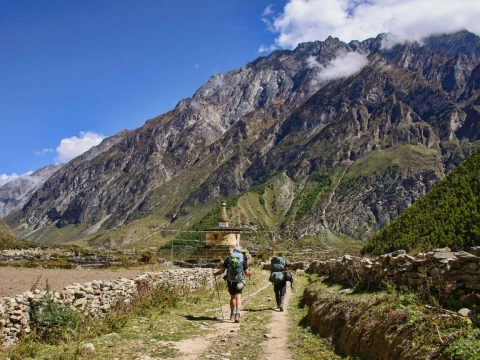
The Tsum Valley Trek is one of Nepal's most remarkable hidden Himalayan adventures, offering a perfect combination of breathtaking mountain scenery, centuries-old Tibetan Buddhist culture, and peaceful wilderness. Located in the northern Gorkha District near the Tibetan border, Tsum Valley remained isolated from the outside world for generations, preserving its unique traditions, language, monasteries, and way of life. Unlike Nepal's more crowded trekking destinations, the valley provides an authentic cultural experience where visitors can walk through ancient villages, explore sacred monasteries, and witness a lifestyle that has changed very little over the centuries.The journey begins with a scenic drive from Kathmandu to Maccha Khola before following the Budhi Gandaki River toward Jagat. From there, trekkers leave the popular Manaslu Circuit route and enter the tranquil Tsum Valley through Lokpa. Along the trail, travelers pass dense forests, suspension bridges, waterfalls, colorful prayer flags, mani walls, and beautiful terraced farmland while enjoying magnificent views of Ganesh Himal, Himalchuli, Sringi Himal, and surrounding snow-covered peaks. The spiritual highlight of the trek is the visit to Mu Gompa, the highest and largest monastery in the valley, where centuries-old Buddhist traditions continue to flourish.One of the greatest attractions of the Tsum Valley Trek is its rich cultural heritage. The local people, known as Tsumbas, follow Tibetan Buddhism and warmly welcome visitors with genuine hospitality. Ancient monasteries such as Mu Gompa, Rachen Gompa, Panago Gompa, and numerous chortens create a deeply spiritual atmosphere throughout the journey. Every village tells a story through its traditional stone houses, prayer wheels, sacred carvings, and peaceful lifestyle, making the trek equally rewarding for nature lovers and cultural enthusiasts.At Nepal Journey Travels, we carefully organize every aspect of the Tsum Valley Trek to ensure a safe, comfortable, and unforgettable adventure. Our experienced guides, reliable trekking crew, quality accommodations, and personalized service allow you to fully enjoy this extraordinary hidden valley while learning about its fascinating culture, history, and Himalayan landscapes.Explore Nepal's hidden sacred Himalayan valley.Visit the famous Mu Gompa and ancient Buddhist monasteries.Experience authentic Tibetan Buddhist culture.Enjoy panoramic views of Ganesh Himal, Himalchuli, and Sringi Himal.Trek through remote villages with warm local hospitality.Discover peaceful trails away from crowded trekking routes.Experience unique traditions preserved for centuries.Best Season for Tsum Valley TrekThe Tsum Valley Trek can be completed throughout much of the year, but the most favorable seasons are spring (March to May) and autumn (September to November). These months offer the best combination of pleasant temperatures, stable weather, excellent visibility, and spectacular mountain views. During spring, forests bloom with colorful rhododendrons, magnolias, and wildflowers, creating vibrant landscapes that beautifully contrast with the snow-covered Himalayan peaks. Comfortable daytime temperatures make trekking enjoyable while providing excellent opportunities for photography and sightseeing.Autumn is considered the most popular trekking season because the skies remain exceptionally clear after the monsoon rains. The surrounding mountains appear remarkably sharp against deep blue skies, while villages become especially lively during Nepal's major festivals such as Dashain and Tihar. Dry trails, moderate temperatures, and stable weather make autumn ideal for both beginner and experienced trekkers seeking the best Himalayan experience.Winter trekking from December to February is also possible for adventurous travelers who enjoy peaceful trails and snowy scenery. However, temperatures at higher elevations become significantly colder, especially around Mu Gompa and Nile, and occasional snowfall may affect trail conditions. Summer and monsoon (June to August) bring lush green landscapes but also heavy rainfall, slippery trails, leeches in lower forests, and limited mountain visibility. While trekking remains possible, additional preparation and flexibility are necessary during this season.At Nepal Journey Travels, we monitor seasonal weather conditions carefully and recommend the best departure dates according to each traveler's interests, fitness level, and preferred trekking experience. Our experienced team ensures that every trek is planned for maximum safety, comfort, and enjoyment regardless of the chosen season.Best Seasons at a GlanceSpring (March–May): Flowers, comfortable weather, clear mountain views.Autumn (September–November): Stable weather and excellent visibility.Winter (December–February): Quiet trails with snowy landscapes.Monsoon (June–August): Green scenery with occasional rainfall.Tsum Valley Trek Difficulty and TransportationThe Tsum Valley Trek is considered a moderate trekking adventure suitable for physically active travelers with reasonable fitness. The trail involves daily walking of approximately five to seven hours over varied terrain, including forest paths, stone staircases, suspension bridges, gradual ascents, and occasional steep sections. Although the trek reaches elevations above 3,700 meters at Mu Gompa, the itinerary includes gradual altitude gain, allowing proper acclimatization and minimizing the risk of altitude sickness. Previous trekking experience is helpful but not essential for participants who maintain regular physical activity before their trip.Trekkers should prepare through regular walking, hiking, cycling, or light cardiovascular exercise several weeks before arrival. Carrying only a small daypack while porters transport the main luggage greatly reduces physical strain, allowing participants to fully appreciate the spectacular scenery and cultural experiences throughout the valley. Professional guides continuously monitor each traveler's health and pace to ensure a safe and enjoyable journey.Transportation begins with a scenic overland drive from Kathmandu to Maccha Khola, which usually takes eight to nine hours. The route follows the Trishuli and Budhi Gandaki Rivers before entering rugged mountain roads leading toward the trekking starting point. After completing the trek, travelers return to Kathmandu by the same route while enjoying one final opportunity to admire Nepal's beautiful countryside and mountain landscapes.Nepal Journey Travels arranges all transportation using comfortable tourist vehicles or private jeeps depending on group size, road conditions, and traveler preferences. Our experienced drivers prioritize safety while ensuring a smooth and enjoyable journey between Kathmandu and the trekking region.Difficulty & Transportation SummaryModerate trekking difficulty.Daily walking: 5–7 hours.Highest elevation: Mu Gompa (3,700 m).Suitable for beginners with good fitness.Scenic drive between Kathmandu and Maccha Khola.Professional guide and porter support throughout the trek.Food and Accommodation for Tsum Valley TrekThroughout the Tsum Valley Trek, accommodation is provided in traditional family-operated teahouses that offer clean, comfortable, and welcoming environments. Most teahouses provide twin-sharing rooms with simple beds, blankets, pillows, and shared bathroom facilities. Although accommodations are basic compared to city hotels, they provide an authentic mountain experience where trekkers can interact with local families and learn about daily life in remote Himalayan villages.Evenings are often spent relaxing in warm dining halls heated by traditional stoves while sharing stories with fellow trekkers and local hosts. Electricity, Wi-Fi, hot showers, and charging facilities may be available in some villages for an additional fee, although services become more limited at higher elevations due to the remote location.Meals during the trek are freshly prepared using locally available ingredients. The famous Nepali Dal Bhat provides an excellent balance of carbohydrates, vegetables, lentils, and protein, making it the preferred meal for many trekkers. Other menu options include fried rice, noodles, soups, Tibetan bread, chapati, pasta, pancakes, eggs, potatoes, momos, porridge, tea, coffee, and seasonal fruits where available. The variety gradually becomes more limited as elevation increases, but meals remain nutritious and satisfying.At Nepal Journey Travels, we carefully select trusted teahouses that consistently maintain high standards of cleanliness, hospitality, and food quality. Our goal is to ensure every traveler enjoys both comfortable accommodation and healthy meals throughout the adventure.Food & Accommodation FeaturesComfortable family-run teahouses.Twin-sharing rooms.Traditional Nepali and Tibetan cuisine.Freshly prepared nutritious meals.Warm dining halls.Hot drinks available daily.Friendly local hospitality.Tsum Valley Trek PermitsSince Tsum Valley lies within a protected restricted area, trekkers must obtain special permits before entering the region. The Nepal Government introduced these regulations to preserve the valley's unique culture, natural environment, and historical heritage. Independent trekking is not permitted, and all visitors must travel with a licensed trekking company and an authorized guide.The primary permit required is the Tsum Valley Restricted Area Permit, which varies in cost depending on the season and duration of the trek. In addition, trekkers must obtain the Manaslu Conservation Area Project (MCAP) Permit because the trail passes through protected conservation areas rich in biodiversity and wildlife. Depending on the itinerary, the Annapurna Conservation Area Permit (ACAP) may also be required when combining the trek with the Manaslu Circuit.Obtaining permits involves documentation, passport copies, visa information, and passport-sized photographs. Fortunately, travelers do not need to worry about these administrative procedures when booking with Nepal Journey Travels. Our experienced office team completes all permit applications, government paperwork, and necessary logistics before the trek begins, allowing you to focus entirely on enjoying your Himalayan adventure.Required PermitsTsum Valley Restricted Area Permit.Manaslu Conservation Area Project (MCAP) Permit.Annapurna Conservation Area Permit (if applicable).Licensed guide required.Trek through a registered trekking company.Passport and visa copies needed.Why Choose Tsum Valley TrekThe Tsum Valley Trek is an exceptional destination for travelers seeking more than simply mountain scenery. It offers an extraordinary opportunity to explore one of Nepal's most culturally preserved Himalayan regions while enjoying peaceful trails far from the crowds found on many popular trekking routes. Ancient monasteries, sacred caves, traditional villages, dramatic landscapes, and genuine local hospitality combine to create an unforgettable experience that appeals to photographers, cultural explorers, spiritual travelers, and nature enthusiasts alike.Unlike commercial trekking destinations, Tsum Valley remains remarkably authentic. Visitors can witness daily Buddhist rituals, observe centuries-old traditions, and experience the simplicity of mountain life while surrounded by spectacular Himalayan scenery. Every day introduces new cultural discoveries, breathtaking viewpoints, and meaningful interactions with local communities that make the journey deeply rewarding.Choosing Nepal Journey Travels means traveling with a trusted local trekking company dedicated to providing safe, personalized, and high-quality Himalayan adventures. Our knowledgeable guides, professional trekking crew, carefully planned itineraries, transparent pricing, and commitment to responsible tourism ensure every traveler enjoys a memorable and worry-free journey. From airport transfers to permit arrangements, comfortable accommodations, transportation, and expert guidance, we handle every detail so you can focus on creating lifelong memories in the magical Tsum Valley.Why Travel with Nepal Journey TravelsExperienced local trekking specialists.Government-licensed professional guides.Complete permit and logistics management.Comfortable transportation and accommodation.Personalized service from arrival to departure.Responsible and sustainable tourism practices.Excellent safety standards.Competitive pricing with no hidden costs.Authentic cultural experiences.Dedicated customer support throughout your journey.
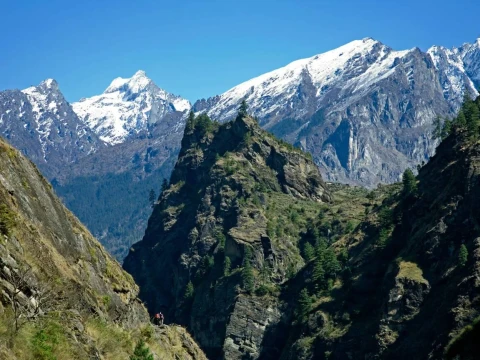
The Manaslu and Annapurna Circuit Trek is one of Nepal’s most spectacular and diverse Himalayan adventures, combining two legendary trekking regions into a single unforgettable journey. Organized by Nepal Journey Travels, this extended trekking experience takes you through the remote wilderness of the Manaslu region and connects with the classic Annapurna Circuit trail. The trek offers an extraordinary combination of untouched mountain landscapes, ancient Tibetan-influenced villages, rich cultural experiences, and challenging high-altitude passes.The journey begins in the historic city of Kathmandu and follows a scenic drive to Machha Khola, the gateway to the Manaslu region. The trail gradually climbs through the restricted Manaslu Conservation Area, following the Budhi Gandaki River and passing through beautiful villages such as Jagat, Deng, Namrung, Lo-Gaon, Sama-Gaon, and Samdo. Trekkers experience changing landscapes ranging from subtropical forests and terraced farmland to alpine valleys and glacial environments. The highlight of the Manaslu section is crossing the impressive Larkya La Pass (5,106 m), offering breathtaking views of Himalayan peaks including Manaslu, Himlung Himal, and Annapurna II.After crossing into the Annapurna region, the trek continues through Dharapani, Chame, Pisang, Manang, Yak Kharka, and Thorong Phedi before reaching the famous Thorong La Pass (5,416 m). The trail then descends toward the sacred village of Muktinath and continues to Pokhara, completing a remarkable Himalayan circuit.Nepal Journey Travels carefully designs this trek to provide a safe, comfortable, and culturally enriching experience with experienced guides, proper acclimatization schedules, and reliable support throughout the journey.Complete journey through two of Nepal’s most famous trekking regionsCrossing two legendary high passes: Larkya La Pass and Thorong La PassStunning views of Mount Manaslu, Annapurna, Dhaulagiri, and Himalayan peaksExploration of Tibetan-influenced mountain villages and monasteriesAuthentic teahouse trekking experienceBeautiful landscapes from forests to glaciers and high mountain desertsProfessional trekking service from Nepal Journey TravelsBest Season for Manaslu and Annapurna Circuit TrekChoosing the right season is extremely important for enjoying the Manaslu and Annapurna Circuit Trek safely and comfortably. Nepal Journey Travels recommends the spring and autumn seasons as the best periods for this challenging Himalayan adventure. These months provide stable weather conditions, clear mountain views, and safer trekking trails, making them ideal for crossing high-altitude passes such as Larkya La and Thorong La.The spring season (March to May) is one of the most beautiful times for this trek. During spring, the hills and forests become colorful with blooming rhododendron flowers, Nepal’s national flower. The weather remains warm during the day, and the skies are generally clear, providing excellent views of Himalayan peaks. This season is especially attractive for nature lovers who want to experience colorful landscapes, wildlife, and pleasant trekking temperatures.The autumn season (September to November) is considered the best overall trekking season in Nepal. After the monsoon rainfall, the atmosphere becomes clean and fresh, offering some of the clearest mountain views of the year. The stable weather conditions make it easier to complete difficult sections such as Larkya La Pass and Thorong La Pass. Many trekkers prefer autumn because of the comfortable temperatures and excellent visibility.Winter trekking (December to February) is possible for experienced trekkers, but heavy snowfall can create challenges at higher elevations. Summer/monsoon season (June to August) is less recommended because rain, slippery trails, landslides, and cloudy mountain views can affect the trekking experience.Best seasons for Manaslu and Annapurna Circuit Trek:Spring (March–May): Beautiful flowers, mild temperatures, clear viewsAutumn (September–November): Best weather, excellent visibility, stable trailsWinter (December–February): Suitable for experienced trekkers with proper preparationMonsoon (June–August): Less recommended due to rain and difficult trail conditionsNepal Journey Travels helps trekkers select the best departure period according to weather conditions, trekking experience, and personal preferences.Manaslu and Annapurna Circuit Trek Difficulty and TransportationThe Manaslu and Annapurna Circuit Trek is considered a challenging and adventurous high-altitude trek suitable for trekkers with good physical fitness and previous hiking experience. The trek involves long walking days, steep ascents and descents, remote mountain trails, and two major pass crossings above 5,000 meters. Nepal Journey Travels carefully plans the itinerary with proper acclimatization days to help trekkers adjust gradually to increasing altitude.The main challenges of this trek include crossing Larkya La Pass (5,106 m) and Thorong La Pass (5,416 m). These sections require early morning starts, endurance, and preparation for cold temperatures and changing mountain weather. Daily trekking usually involves walking approximately 5–8 hours, depending on the destination, terrain, and weather conditions. However, the difficulty is rewarded with incredible Himalayan scenery, cultural experiences, and a true adventure feeling.Transportation during the trek includes comfortable private vehicles, local buses, and mountain roads depending on the location. The journey begins with a scenic drive from Kathmandu to Machha Khola, passing through countryside landscapes, rivers, and mountain villages. After completing the trekking section, transportation is arranged from Muktinath to Pokhara and finally back to Kathmandu.Nepal Journey Travels provides reliable transportation arrangements with experienced drivers familiar with Nepal’s mountain roads. The company focuses on safety, comfort, and smooth logistics throughout the entire trekking journey.Difficulty and transportation details:Trek difficulty: ChallengingRequired fitness level: Good physical condition and enduranceAverage walking duration: 5–8 hours per dayHighest altitude: Thorong La Pass (5,416 m)Major challenges: Altitude, long walking days, steep mountain trailsTransportation: Private vehicle, jeep, and local mountain transportationProfessional guide support throughout the trekFood and Accommodation for Manaslu and Annapurna Circuit TrekFood and accommodation play an important role in making the Manaslu and Annapurna Circuit Trek comfortable and enjoyable. Nepal Journey Travels arranges safe and clean teahouse accommodations throughout the trekking route, allowing trekkers to experience authentic Himalayan hospitality while enjoying necessary facilities in remote mountain areas.During the trek, accommodation is mainly provided in traditional teahouses and mountain lodges operated by local families. Rooms are generally simple but comfortable, usually including twin-sharing beds, blankets, and basic facilities. In lower-altitude villages, some lodges offer additional services such as hot showers and charging facilities, while higher areas provide more basic arrangements due to the remote environment.Food during the trek includes a variety of nutritious meals designed to provide enough energy for long walking days. Teahouses serve traditional Nepali dishes as well as international options. The famous Nepali meal Dal Bhat (rice, lentils, vegetables, and curry) is a popular choice among trekkers because it provides balanced nutrition and energy.Trekkers can also enjoy noodles, soups, pasta, bread, eggs, potatoes, pancakes, tea, coffee, and other simple meals. Nepal Journey Travels recommends maintaining a healthy diet and drinking enough water to support high-altitude trekking.Food and accommodation features:Comfortable teahouse and lodge accommodationTwin-sharing rooms during trekkingTraditional Nepali and international mealsFreshly prepared local foodVegetarian and dietary options availableWarm hospitality from mountain communitiesSupport from Nepal Journey Travels throughout the trekManaslu and Annapurna Circuit Trek PermitsThe Manaslu and Annapurna Circuit Trek requires several official permits because the route passes through protected conservation areas and restricted trekking zones. Nepal Journey Travels manages all necessary permits and documentation to ensure a smooth and hassle-free trekking experience for international travelers.The Manaslu region is classified as a restricted area because of its location near the Tibetan border. Trekkers must obtain a Manaslu Restricted Area Permit (RAP) before entering the region. In addition, the trek requires a permit for the Manaslu Conservation Area Project (MCAP). After entering the Annapurna region, trekkers need the Annapurna Conservation Area Permit (ACAP) to continue through the Annapurna Circuit route.Trekkers must also have a valid Trekkers’ Information Management System (TIMS) card according to current regulations. Nepal Journey Travels assists with arranging all required permits, ensuring that trekkers can focus on enjoying the Himalayan adventure without worrying about administrative procedures.Required permits generally include:Manaslu Restricted Area Permit (RAP)Manaslu Conservation Area Permit (MCAP)Annapurna Conservation Area Permit (ACAP)TIMS Card (as required by regulations)Valid passport and visa documentationNepal Journey Travels provides complete permit assistance and professional guidance to ensure compliance with Nepal trekking regulations.Why Choose Manaslu and Annapurna Circuit TrekChoosing the Manaslu and Annapurna Circuit Trek means experiencing one of Nepal’s most complete Himalayan adventures. This trek combines remote mountain exploration, ancient cultures, dramatic landscapes, and unforgettable high-altitude challenges. Nepal Journey Travels offers carefully planned trekking services designed to provide safety, comfort, and authentic experiences throughout the journey.Unlike many popular trekking routes, the Manaslu section remains peaceful and less crowded, allowing trekkers to experience traditional Himalayan lifestyles and untouched natural beauty. The combination of the remote Manaslu region with the famous Annapurna Circuit creates a diverse adventure featuring forests, rivers, glaciers, monasteries, mountain villages, and breathtaking viewpoints.Nepal Journey Travels focuses on personalized service, experienced trekking guides, reliable transportation, and proper safety management. The company’s local knowledge helps trekkers discover hidden cultural treasures while maintaining responsible trekking practices that respect local communities and the environment.Reasons to choose Nepal Journey Travels for this trek:Experienced and professional trekking guidesCarefully designed itinerary with acclimatization daysComplete permit and transportation managementSafe and comfortable trekking arrangementsAuthentic cultural experiences with local communitiesSupport during challenging high-altitude sectionsCommitment to responsible and sustainable tourismLifetime memories of Nepal’s magnificent HimalayasThe Manaslu and Annapurna Circuit Trek with Nepal Journey Travels is not only a trekking journey but also a life-changing Himalayan experience filled with adventure, culture, nature, and unforgettable moments.
The Manaslu Bhimthang Trek is one of the most beautiful and less-crowded trekking adventures in Nepal, offering a perfect combination of natural beauty, cultural experiences, and Himalayan wilderness. Organized by Nepal Journey Travels, this trek takes you through the spectacular landscapes around the Manaslu region, including lush forests, traditional mountain villages, glacial valleys, alpine landscapes, and breathtaking views of some of the world’s highest peaks. The journey begins from Kathmandu and follows a scenic route through Dharapani, Gho, Bimthang, and surrounding Himalayan settlements before returning through the lower valleys.This trek is ideal for travelers who want to experience the beauty of the Manaslu region without committing to the longer Manaslu Circuit Trek. The highlight of the journey is the beautiful village of Bimthang, located beneath impressive Himalayan peaks and surrounded by dramatic mountain scenery. The exploration day at Bimthang allows trekkers to visit hidden natural attractions such as Ponkkar Lake, Nayamla Lake, glaciers, and peaceful alpine landscapes.The Manaslu Bhimthang Trek provides an authentic Himalayan experience where visitors can enjoy the traditions, lifestyles, and hospitality of local communities, including Gurung and other ethnic groups. With professional guidance, comfortable arrangements, and experienced trekking support, Nepal Journey Travels ensures a safe and memorable adventure.Scenic drive through Kathmandu, Besisahar, and mountain valleysTrek through peaceful forests and traditional Himalayan villagesStunning views of Mount Manaslu and surrounding peaksVisit beautiful Ponkkar Lake and Nayamla LakeExperience Gurung culture and local hospitalityExplore glaciers, alpine landscapes, and remote mountain trailsPerfect short Himalayan adventure for nature loversBest Season for Manaslu Bhimthang TrekChoosing the right season is very important for enjoying the Manaslu Bhimthang Trek safely and comfortably. Nepal Journey Travels recommends trekking during the spring and autumn seasons when the weather conditions are stable, mountain views are clear, and trekking trails are at their best. These seasons provide excellent opportunities for photography, cultural exploration, and enjoying the peaceful Himalayan environment.The spring season, from March to May, is one of the most popular times for this trek. During this period, the hills become colorful with blooming rhododendron flowers, forests become vibrant, and the weather remains pleasant for walking. The clear skies offer magnificent views of snow-covered mountains, making it an excellent season for adventure seekers.Autumn, from September to November, is considered the best trekking season in Nepal. After the monsoon rainfall, the atmosphere becomes fresh, the skies are generally clear, and the mountain views are spectacular. The comfortable temperatures and excellent visibility make autumn perfect for exploring the Manaslu Bhimthang region.Winter trekking from December to February is possible for experienced trekkers, but temperatures can be very cold, especially in higher areas around Bimthang. The monsoon season from June to August brings heavy rainfall, slippery trails, and limited mountain views, making it less recommended.Best Seasons for Manaslu Bhimthang Trek:Spring (March–May): Best for flowers, pleasant weather, and clear mountain viewsAutumn (September–November): Ideal season with stable weather and excellent visibilityWinter (December–February): Possible for experienced trekkers with proper preparationMonsoon (June–August): Less recommended due to rain and trail conditionsManaslu Bhimthang Trek Difficulty and TransportationThe Manaslu Bhimthang Trek is considered a moderate-level trekking adventure suitable for travelers with a reasonable level of fitness and preparation. The trek does not require technical climbing skills, but trekkers should be prepared for several hours of walking each day through mountain trails, forest paths, and uneven terrain. The altitude gradually increases toward Bimthang, so proper acclimatization and a comfortable walking pace are important.Nepal Journey Travels carefully designs the itinerary to provide enough time for adjustment and enjoyment. The exploration day at Bimthang helps trekkers adapt to the mountain environment while discovering beautiful lakes, glaciers, and surrounding landscapes. Our experienced guides provide necessary support, safety advice, and assistance throughout the journey.Transportation during the Manaslu Bhimthang Trek includes comfortable private vehicle services from Kathmandu to the trekking starting point and return transportation after completing the trek. The road journey offers beautiful views of rivers, hills, villages, and countryside landscapes. Depending on road conditions and group requirements, Nepal Journey Travels arranges suitable transportation options for a comfortable travel experience.Difficulty Level and Transportation Details:Moderate trekking difficultySuitable for beginners with good physical fitnessDaily walking approximately 4–7 hours depending on the routeGradual altitude gain with proper acclimatizationPrivate vehicle transportation availableScenic drive through Nepal’s countryside and mountain roadsFood and Accommodation for Manaslu Bhimthang TrekDuring the Manaslu Bhimthang Trek, Nepal Journey Travels ensures that trekkers receive comfortable accommodation and nutritious meals throughout the journey. The trek follows traditional mountain routes where local teahouses and lodges provide warm hospitality, clean rooms, and basic facilities. Staying in these local lodges allows travelers to experience authentic Himalayan lifestyles and connect with local communities.Meals during the trek are prepared with locally available ingredients and provide the necessary energy required for mountain walking. Trekkers can enjoy traditional Nepali dishes as well as common international meal options. A balanced diet is essential at higher elevations, and our trekking team helps arrange suitable meals according to the needs of travelers.Kathmandu accommodation is arranged in comfortable hotels with modern facilities, while trekking areas provide cozy teahouse stays. Although facilities become simpler in remote mountain areas, the warm hospitality of local people makes the experience enjoyable and memorable.Food and Accommodation Services:Comfortable hotel stay in KathmanduLocal teahouse accommodation during trekkingTraditional Nepali meals and international food optionsFresh and energy-rich trekking mealsWarm hospitality from mountain communitiesHygienic and comfortable lodging arrangementsManaslu Bhimthang Trek PermitsThe Manaslu region is a protected trekking area, so trekkers require special permits before entering the region. Nepal Journey Travels manages all necessary permit arrangements to ensure a smooth and hassle-free trekking experience. Proper documentation is essential because the area is protected for conservation purposes and to preserve its unique natural and cultural heritage.The required permits may include the Manaslu Conservation Area Permit (MCAP), Annapurna Conservation Area Permit (ACAP), and other restricted area permissions depending on the exact trekking route and current government regulations. Our experienced team handles the paperwork process and ensures that all permits are prepared before the trek begins.Trekkers are required to travel with a registered guide in the restricted Manaslu region. Nepal Journey Travels provides professional guides who understand the local environment, culture, safety procedures, and trekking routes.Required Trekking Permits:Manaslu Restricted Area Permit (if required according to route regulations)Manaslu Conservation Area Permit (MCAP)Annapurna Conservation Area Permit (ACAP)TIMS card (according to current regulations)Registered trekking guide requirementComplete permit management by Nepal Journey TravelsWhy Choose Manaslu Bhimthang Trek with Nepal Journey Travels?Choosing Nepal Journey Travels for the Manaslu Bhimthang Trek means traveling with an experienced local trekking company dedicated to providing safe, comfortable, and unforgettable Himalayan adventures. Our professional team understands the challenges of mountain trekking and focuses on delivering quality services from arrival in Kathmandu until the completion of your journey.The Manaslu Bhimthang Trek offers a unique alternative to crowded trekking routes. It combines spectacular mountain scenery, peaceful trails, authentic villages, and cultural experiences. With Nepal Journey Travels, trekkers receive personalized service, experienced guides, proper planning, and reliable support throughout the adventure.Our goal is to create meaningful travel experiences while respecting local communities and protecting the natural environment. From transportation and accommodation arrangements to permit management and trekking support, we take care of every detail so you can fully enjoy the beauty of the Himalayas.Reasons to Choose Nepal Journey Travels:Experienced local trekking professionalsExpert and knowledgeable mountain guidesWell-planned trekking itinerarySafe and reliable trekking arrangementsPersonalized service and customer supportComplete permit and logistics managementAuthentic cultural and Himalayan experiencesCommitment to responsible and sustainable tourism
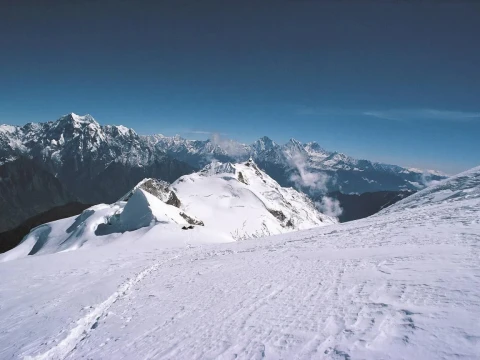
The Ganesh Himal Base Camp Trek is one of Nepal’s most spectacular and less-explored Himalayan adventures, offering a perfect combination of natural beauty, cultural discovery, and remote mountain wilderness. Organized by Nepal Journey Travels, this trek takes you into the hidden valleys of the Ganesh Himal region, located between the popular Langtang and Manaslu areas. The journey introduces trekkers to breathtaking Himalayan landscapes, traditional Tamang villages, ancient cultures, high mountain passes, sacred lakes, and the magnificent Ganesh Himal Base Camp at approximately 4,200 meters.Unlike the crowded trekking routes of Nepal, the Ganesh Himal Base Camp Trek provides an authentic experience through peaceful trails where you can enjoy untouched nature and genuine local hospitality. The trek begins with a scenic drive from Kathmandu to Syabrubesi and gradually enters remote mountain landscapes through villages such as Gatlang, Shertung, Chalise, Hindung, and Rajgang Kharka. Along the route, trekkers experience the unique lifestyle, traditions, and warm hospitality of the Tamang communities who have preserved their ancient Himalayan culture for generations.The major highlight of this trek is reaching the impressive Ganesh Himal Base Camp, surrounded by breathtaking peaks and beautiful alpine landscapes. The trail also includes the spectacular Pangsang Pass, located at around 3,900 meters, which provides panoramic views of the Ganesh Himal range, Langtang Himal, Manaslu region, and other snow-covered mountains. The sacred Kalo Seto Kunda lakes near the base camp add a spiritual and natural attraction to this unforgettable Himalayan journey.Remote and peaceful trekking route away from crowded trailsBeautiful views of Ganesh Himal, Langtang, and Manaslu mountain rangesExploration of traditional Tamang villages and Himalayan cultureCrossing the scenic Pangsang Pass (3,900 m)Visit to the beautiful Kalo Seto Kunda glacial lakesAuthentic homestay and local cultural experiencesAdventure through forests, valleys, rivers, and alpine landscapesReaching the spectacular Ganesh Himal Base Camp at 4,200 metersNepal Journey Travels provides professional trekking services, experienced guides, safety management, and personalized support to ensure that every traveler enjoys a comfortable and memorable Ganesh Himal Base Camp Trek experience.Best Season for Ganesh Himal Base Camp TrekChoosing the right season is essential for enjoying the best experience during the Ganesh Himal Base Camp Trek. Since this trek involves high-altitude sections, mountain passes, and remote landscapes, favorable weather conditions provide better visibility, safer trails, and more enjoyable trekking conditions. Nepal Journey Travels recommends the spring and autumn seasons as the ideal periods for this adventure.The best seasons for the Ganesh Himal Base Camp Trek are spring (March to May) and autumn (September to November). During these months, the weather remains stable, skies are generally clear, and the Himalayan views are at their best. Spring brings colorful rhododendron forests, blooming flowers, and pleasant temperatures, making the trekking trails especially beautiful. Autumn offers crystal-clear mountain views, comfortable walking conditions, and excellent opportunities for photography.Winter (December to February) is also possible for experienced trekkers who are prepared for colder temperatures and possible snowfall at higher elevations. The mountain scenery during winter is breathtaking, but the Pangsang Pass and base camp areas may become more challenging due to freezing conditions. The monsoon season (June to August) is generally less recommended because heavy rainfall can create muddy trails, landslides, and limited mountain visibility.Best Time to Trek:Spring Season (March–May): Best for flowers, pleasant weather, and clear mountain viewsAutumn Season (September–November): Best overall season with stable weather and excellent visibilityWinter Season (December–February): Suitable for experienced trekkers with proper preparationMonsoon Season (June–August): Less recommended due to rain and difficult trail conditionsNepal Journey Travels helps trekkers select the most suitable trekking season according to their experience level, travel schedule, and expectations.Ganesh Himal Base Camp Trek Difficulty and TransportationThe Ganesh Himal Base Camp Trek is considered a moderate to challenging trekking adventure suitable for trekkers with a good level of physical fitness and a passion for remote Himalayan exploration. The trek reaches an altitude of approximately 4,200 meters, including challenging sections such as the climb toward Pangsang Pass and the base camp area. Although technical climbing skills are not required, trekkers should be prepared for long walking days, uneven mountain trails, and changing weather conditions.The trek usually involves 5–7 hours of walking per day through forests, rocky paths, steep uphill sections, and high-altitude landscapes. Proper acclimatization, gradual altitude gain, hydration, and a comfortable trekking pace are important for completing the journey safely. Nepal Journey Travels provides experienced guides who monitor the health and comfort of every trekker throughout the adventure.Transportation for the trek begins with a scenic drive from Kathmandu to Syabrubesi, which takes approximately 7–8 hours. The road journey passes through beautiful countryside landscapes, rivers, terraced farmland, and mountain villages. After completing the trek, transportation is arranged from Jharlang back to Kathmandu, allowing trekkers to return comfortably after their Himalayan adventure.Difficulty and Transportation Highlights:Trekking grade: Moderate to challengingMaximum altitude: Approximately 4,200 metersAverage walking duration: 5–7 hours per dayRequires good physical fitness and preparationIncludes mountain trails, forests, valleys, and high passesKathmandu–Syabrubesi and Jharlang–Kathmandu transportation by private vehicle or comfortable local transportWith proper preparation and professional guidance from Nepal Journey Travels, trekkers of different experience levels can complete this incredible Himalayan journey.Food and Accommodation for Ganesh Himal Base Camp TrekFood and accommodation play an important role in maintaining energy and comfort during the Ganesh Himal Base Camp Trek. Since this is a remote trekking route, accommodation is mainly provided through local lodges, guesthouses, and homestays operated by Himalayan communities. These simple yet welcoming places allow trekkers to experience authentic village life while enjoying warm hospitality from local families.During the trek, accommodations are generally basic but comfortable, providing clean rooms, beds, blankets, and shared facilities. In remote areas such as Rajgang Kharka and Ganesh Himal Base Camp, camping arrangements may be required depending on trekking conditions and availability. Nepal Journey Travels carefully manages accommodation arrangements to ensure safety, hygiene, and a comfortable experience throughout the journey.The trekking meals provide the necessary nutrition and energy required for long mountain walks. Local lodges serve traditional Nepali dishes along with common trekking foods such as rice, noodles, pasta, soups, vegetables, eggs, and snacks. Dal Bhat (rice, lentils, and vegetables) is a popular choice among trekkers because it provides balanced nutrition and energy for high-altitude trekking.Food and Accommodation Features:Comfortable hotel stay in KathmanduLocal lodges and homestays during trekkingCamping arrangements in remote high-altitude areas when requiredFreshly prepared local and international mealsVegetarian and special dietary options available upon requestOpportunity to experience authentic Tamang hospitalityNepal Journey Travels focuses on providing safe, hygienic, and comfortable arrangements so trekkers can fully enjoy the natural and cultural beauty of the Ganesh Himal region.Ganesh Himal Base Camp Trek PermitsThe Ganesh Himal Base Camp Trek requires several permits and official documents to ensure legal and responsible trekking in Nepal. Nepal Journey Travels assists all trekkers with the necessary permit arrangements before starting the journey, allowing travelers to focus on enjoying the adventure without worrying about administrative procedures.The main permits required for this trek generally include the Langtang National Park Permit and the Trekkers’ Information Management System (TIMS) Card. Depending on the exact trekking route and updated government regulations, additional local permits may also be required. These permits contribute to conservation activities, trail management, and the sustainable development of local communities.Having the correct permits is essential because the Ganesh Himal region includes protected landscapes and remote areas where authorities monitor trekking activities. Nepal Journey Travels handles the documentation process efficiently and ensures that all required permits are arranged before departure.Required Trekking Permits:Langtang National Park Entry Permit (where applicable)TIMS Card (Trekkers’ Information Management System)Local area permits if required by authoritiesPassport details and required travel documentsWith Nepal Journey Travels managing the permit process, trekkers can enjoy a smooth and organized trekking experience in the beautiful Ganesh Himal region.Why Choose Ganesh Himal Base Camp TrekThe Ganesh Himal Base Camp Trek is an excellent choice for travelers seeking a unique Himalayan adventure away from crowded trekking routes. This trek combines breathtaking mountain scenery, authentic cultural experiences, peaceful trails, and challenging high-altitude adventure. It allows trekkers to explore a hidden part of Nepal where traditional lifestyles and natural beauty remain beautifully preserved.One of the greatest reasons to choose this trek is the opportunity to experience the real Nepal. The journey passes through traditional Tamang villages where visitors can interact with local communities, learn about their customs, taste traditional food, and experience their warm hospitality. The remote landscapes, ancient traditions, and untouched environment create memories that last a lifetime.Nepal Journey Travels is committed to providing safe, professional, and memorable trekking experiences. With experienced guides, carefully planned itineraries, quality service, and local expertise, the company ensures that every trekker receives excellent support throughout the journey.Reasons to Choose Ganesh Himal Base Camp Trek:Explore a hidden and less crowded Himalayan destinationExperience authentic Tamang culture and village lifeEnjoy spectacular views of Ganesh Himal and surrounding peaksAdventure through forests, valleys, and high mountain landscapesVisit sacred Kalo Seto Kunda lakes and Ganesh Himal Base CampReceive professional support from Nepal Journey TravelsCreate unforgettable memories in one of Nepal’s most beautiful regionsChoosing the Ganesh Himal Base Camp Trek with Nepal Journey Travels means choosing an authentic Himalayan adventure filled with natural beauty, cultural discovery, and unforgettable experiences.
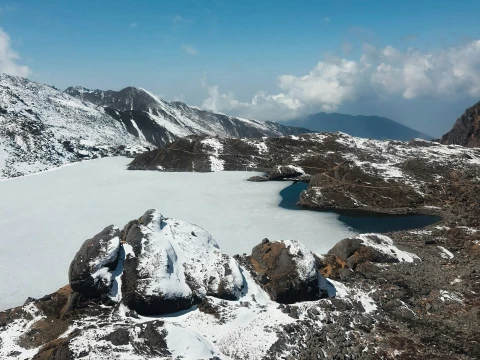
Gosaikunda Lake Trek is one of the most popular short Himalayan trekking adventures in Nepal, offering a perfect combination of natural beauty, cultural exploration, and spiritual experiences. Located in the Langtang region at an altitude of 4,380m (14,370ft), the sacred Gosaikunda Lake is surrounded by breathtaking Himalayan peaks, alpine landscapes, and peaceful mountain environments. The trek begins with a scenic drive from Kathmandu to Dhunche and continues through beautiful forests, traditional villages, and high mountain trails.Organized by Nepal Journey Travels, the Gosaikunda Lake Trek provides travelers with an unforgettable journey through the Himalayan wilderness while experiencing the unique lifestyle of local Tamang communities. The trail passes through rhododendron forests, waterfalls, monasteries, and panoramic viewpoints with stunning views of Langtang Himal, Ganesh Himal, Manaslu ranges, and other snow-covered peaks.Visit the sacred turquoise waters of Gosaikunda Lake.Explore traditional Tamang villages and Himalayan culture.Enjoy spectacular mountain views and peaceful landscapes.Trek through beautiful forests of rhododendron, pine, and oak.Experience the spiritual importance of a holy Himalayan destination.Best Season for Gosaikunda Lake TrekThe best seasons for the Gosaikunda Lake Trek are spring (March to May) and autumn (September to November). During these periods, the weather remains stable, the skies are clear, and the mountain views are at their best. Spring brings colorful rhododendron flowers along the trekking trails, making the journey more beautiful and enjoyable.Autumn is considered the peak trekking season in Nepal because of excellent visibility, comfortable temperatures, and dry trails. The clear weather allows trekkers to enjoy magnificent views of the Langtang Himal range and surrounding peaks. Winter trekking is also possible for experienced hikers, but heavy snowfall and colder temperatures can make the high-altitude sections more challenging.Seasonal Features:Spring (March–May): Pleasant weather, blooming flowers, and beautiful landscapes.Autumn (September–November): Clear mountain views and ideal trekking conditions.Winter (December–February): Peaceful trails but colder temperatures and possible snowfall.Monsoon (June–August): Less recommended due to rain, slippery trails, and cloudy views.Gosaikunda Lake Trek Difficulty and TransportationGosaikunda Lake Trek is considered a moderate-level trek suitable for travelers with a good level of fitness and basic trekking experience. The trail includes gradual climbs, steep uphill sections, and high-altitude walking up to 4,380m. Proper acclimatization, regular walking practice, and preparation help make the trek more comfortable and enjoyable.Nepal Journey Travels provides professional guidance and support throughout the journey to ensure safety and a smooth trekking experience. The trek does not require technical climbing skills, but trekkers should be prepared for long walking days and changing mountain conditions.Difficulty and Transportation Information:Trek duration: Around 5–7 days depending on itinerary.Maximum altitude: 4,380m at Gosaikunda Lake.Difficulty level: Moderate trekking adventure.Transportation: Comfortable tourist vehicle from Kathmandu to Dhunche and return.Walking hours: Approximately 5–7 hours per day during trekking.Food and Accommodation for Gosaikunda Lake TrekDuring the Gosaikunda Lake Trek, trekkers stay in comfortable local teahouses and lodges operated by mountain communities. These accommodations provide basic but cozy facilities, including clean rooms, warm dining areas, and beautiful views of the surrounding Himalayan landscapes. Nepal Journey Travels carefully selects reliable lodges to ensure travelers have a comfortable stay throughout the trek.Food during the trek is simple, nutritious, and prepared according to local availability. Teahouses offer a variety of meals that provide enough energy for trekking, including traditional Nepali dishes and popular international options.Food and Accommodation Facilities:Comfortable teahouse and lodge accommodation.Traditional Nepali meals such as Dal Bhat and local dishes.Vegetarian and non-vegetarian food options available.Hot drinks including tea, coffee, and herbal beverages.Clean rooms with basic mountain facilities.Gosaikunda Lake Trek PermitsGosaikunda Lake Trek takes place inside the Langtang region, which requires specific trekking permits. Nepal Journey Travels manages all necessary permits and documentation to make your trekking experience smooth and hassle-free. Having the correct permits is important for protecting the natural environment and supporting conservation activities in the region.The main permits required for this trek include the Langtang National Park Entry Permit and the Trekkers’ Information Management System (TIMS) card. These permits help authorities maintain safety, preserve the Himalayan ecosystem, and manage trekking activities.Required Trekking Permits:Langtang National Park Entry Permit.TIMS (Trekkers’ Information Management System) Card.Permit arrangements handled by Nepal Journey Travels.Support for all official trekking documentation.Why Choose Gosaikunda Lake TrekGosaikunda Lake Trek is an ideal choice for travelers who want to experience the beauty of the Himalayas within a short trekking period. The journey combines breathtaking mountain scenery, cultural experiences, peaceful landscapes, and spiritual significance. Unlike longer Himalayan treks, this adventure offers a remarkable high-altitude experience while requiring less time.With Nepal Journey Travels, you can enjoy a professionally organized trekking experience with experienced guides, carefully planned itineraries, and reliable support throughout the journey. Our team focuses on safety, comfort, and creating memorable experiences for every traveler exploring the beauty of Nepal.Reasons to Choose Gosaikunda Lake Trek:Experience one of Nepal’s most sacred Himalayan lakes.Enjoy stunning views of Langtang and surrounding mountain ranges.Discover authentic local culture and traditions.Suitable for trekkers seeking a shorter Himalayan adventure.Travel with experienced guides and trusted services from Nepal Journey Travels.
The Tamang Heritage Trek is one of Nepal's most rewarding cultural trekking experiences, combining spectacular Himalayan scenery with authentic village life. Organized by Nepal Journey Travels, this beautiful trekking route takes you through the traditional settlements of the Tamang people, an ethnic community whose culture, language, customs, and Buddhist traditions have been preserved for centuries. Located in the Langtang region near the Tibetan border, the trek offers a unique opportunity to experience local hospitality while enjoying breathtaking mountain landscapes.Unlike busier trekking destinations, the Tamang Heritage Trek offers a quieter and more immersive experience. Trekkers pass through charming villages such as Gatlang, Tatopani, Thuman, and Briddhim, where traditional stone houses, colorful prayer flags, ancient monasteries, and friendly locals create an unforgettable cultural atmosphere. The route also includes scenic forests, terraced farmland, suspension bridges, natural hot springs, and panoramic viewpoints like Nagthali Bhyang, where trekkers can admire magnificent Himalayan peaks including Langtang Lirung, Ganesh Himal, Shishapangma, and Kerung Himal.The trek generally lasts around 10 days, making it an excellent option for travelers seeking a moderate Himalayan adventure without extreme altitude. Along the journey, visitors enjoy comfortable teahouse accommodation, delicious local meals, and meaningful interactions with local communities. Nepal Journey Travels carefully plans every aspect of the itinerary to ensure a safe, enjoyable, and memorable trekking experience while promoting responsible tourism and supporting local communities.Authentic Tamang culture and traditionsBeautiful Himalayan mountain viewsRelaxing natural hot springs at TatopaniScenic forests and Langtang National ParkTraditional monasteries and Buddhist heritageComfortable teahouse accommodationFriendly local hospitalityProfessionally organized by Nepal Journey TravelsBest Season for Tamang Heritage TrekChoosing the right season greatly enhances your experience on the Tamang Heritage Trek. Nepal Journey Travels recommends trekking during spring (March to May) and autumn (September to November), when weather conditions are most favorable. During these months, skies are generally clear, mountain views are spectacular, temperatures remain comfortable, and the trails are dry, making walking safer and more enjoyable.Spring transforms the hillsides into colorful landscapes as rhododendron forests bloom in vibrant shades of red, pink, and white. The pleasant temperatures make daily trekking comfortable, while wildlife becomes more active throughout Langtang National Park. Autumn is equally popular because of its crystal-clear mountain views following the monsoon season. Fresh air, stable weather, and excellent visibility provide ideal conditions for photography and sightseeing.Winter (December to February) is suitable for experienced trekkers who enjoy peaceful trails and crisp mountain scenery. Higher elevations can become quite cold, especially during mornings and nights. Summer or monsoon (June to August) brings frequent rainfall, slippery trails, and occasional landslides, although the forests become lush and green. Nepal Journey Travels monitors seasonal weather conditions carefully and helps trekkers select the most suitable departure dates for a comfortable and safe journey.Recommended Trekking Seasons:Spring (March–May): Blooming rhododendrons and mild weatherAutumn (September–November): Clear skies and best mountain viewsWinter (December–February): Quiet trails and snowy scenerySummer (June–August): Green landscapes but frequent rainfallBest photography opportunities during spring and autumnNepal Journey Travels offers departures throughout the yearTamang Heritage Trek Difficulty and TransportationThe Tamang Heritage Trek is considered a moderate-level trek, making it suitable for beginners with good physical fitness as well as experienced trekkers seeking a culturally rich Himalayan adventure. Nepal Journey Travels designs the itinerary with gradual altitude gain, allowing trekkers sufficient time to adapt while enjoying the journey. Daily walking usually ranges between five and seven hours, with some uphill climbs, forest trails, stone staircases, and village paths.Although no technical climbing skills are required, regular walking before the trek is recommended to improve stamina and endurance. The highest point of the trek is Nagthali Bhyang at approximately 3,165 meters, where trekkers enjoy breathtaking panoramic Himalayan views. Because the elevation remains relatively moderate compared to many other trekking routes, the risk of severe altitude sickness is lower, although proper hydration and a steady pace remain important.Transportation begins with a scenic drive from Kathmandu to Syabrubesi, the gateway to the Tamang Heritage Trail. The drive follows winding mountain roads alongside the Trishuli River and passes through beautiful rural landscapes. After completing the trek, travelers return to Kathmandu via the same scenic route. Nepal Journey Travels arranges comfortable private vehicles or shared tourist transportation based on clients' preferences, ensuring a safe and convenient travel experience from arrival to departure.Difficulty and Transportation Highlights:Moderate trekking difficultySuitable for beginners with good fitnessDaily walks of approximately 5–7 hoursHighest elevation around 3,165 metersScenic drive between Kathmandu and SyabrubesiPrivate or shared transportation availableExperienced guides provided by Nepal Journey TravelsFood and Accommodation for Tamang Heritage TrekThroughout the Tamang Heritage Trek, Nepal Journey Travels arranges comfortable teahouse accommodation that offers a warm and welcoming atmosphere after each day of trekking. The teahouses are operated by local families, allowing trekkers to experience authentic Tamang hospitality while directly supporting community-based tourism. Rooms are generally simple, clean, and comfortable, usually featuring twin beds with shared bathroom facilities in most villages.Meals served during the trek are fresh, nutritious, and prepared using locally available ingredients. Trekkers can enjoy a variety of traditional Nepali dishes alongside international favorites. Dal Bhat, Nepal's famous meal consisting of rice, lentil soup, vegetables, and pickles, provides excellent energy for long trekking days. Other menu options often include fried rice, noodles, pasta, soups, potatoes, pancakes, Tibetan bread, eggs, momos, tea, coffee, and seasonal fruits where available.Nepal Journey Travels carefully selects quality teahouses known for cleanliness, friendly service, and reliable hospitality. During the trek, guests can also enjoy traditional Tamang cuisine and experience local culinary traditions that reflect the rich cultural heritage of the region. While facilities become more basic in remote villages, the warm hospitality and peaceful mountain environment create an unforgettable trekking experience.Food and Accommodation Features:Comfortable family-operated teahousesClean twin-sharing roomsTraditional Nepali Dal BhatTibetan bread, momos, soups, noodles, and pastaHot tea and coffee available dailyFriendly local hospitalitySafe and hygienic meal arrangementsOrganized by Nepal Journey TravelsTamang Heritage Trek PermitsBefore beginning the Tamang Heritage Trek, trekkers must obtain the required trekking permits to enter the protected areas of the Langtang region. Nepal Journey Travels manages the complete permit process on behalf of its clients, ensuring all documentation is prepared correctly before the trek begins. This allows trekkers to focus entirely on enjoying their Himalayan adventure without administrative concerns.The primary permits required include the Langtang National Park Entry Permit and the TIMS (Trekkers' Information Management System) Card, depending on current government regulations and trekking policies. Since permit requirements may occasionally change, Nepal Journey Travels always provides the latest information and assists with obtaining all necessary documents. Trekkers should carry a valid passport, passport-sized photographs if required, and travel insurance details when applying for permits.Permit fees contribute to the conservation of Langtang National Park, wildlife protection, trail maintenance, and community development projects within the region. Responsible trekking not only protects Nepal's natural beauty but also supports the livelihoods of local mountain communities who welcome visitors throughout the year.Required Permits:Langtang National Park Entry PermitTIMS Card (subject to current regulations)Valid passportPassport-size photographs (if required)Travel insurance recommendedNepal Journey Travels handles permit arrangementsWhy Choose Tamang Heritage TrekThe Tamang Heritage Trek offers an extraordinary combination of natural beauty, authentic culture, and peaceful trekking trails that distinguish it from many other Himalayan adventures. Nepal Journey Travels proudly recommends this trek to travelers seeking a genuine cultural experience while enjoying spectacular Himalayan scenery. Instead of crowded trekking routes, visitors experience traditional Tamang villages where centuries-old customs, Buddhist monasteries, colorful festivals, and warm hospitality remain an important part of everyday life.Another major advantage is the trek's moderate difficulty, making it suitable for families, first-time trekkers, solo travelers, photographers, and experienced hikers alike. From relaxing in the natural hot springs of Tatopani to witnessing panoramic Himalayan views from Nagthali Bhyang, every day offers unique experiences that create lasting memories. Walking through Langtang National Park also provides opportunities to enjoy rich biodiversity, peaceful forests, and beautiful mountain landscapes.Nepal Journey Travels ensures every aspect of the journey is professionally managed, including airport transfers, transportation, experienced guides, permits, accommodation, meals, and safety arrangements. The company's commitment to responsible tourism, personalized service, and local community support guarantees a rewarding trekking experience while preserving the region's cultural and environmental heritage.Why Trek with Nepal Journey Travels:Authentic Tamang cultural experienceSpectacular Himalayan mountain viewsLess crowded trekking trailsNatural hot springs at TatopaniComfortable teahouse accommodationExperienced local guides and support teamComplete permit and transportation managementResponsible and sustainable tourism practicesExcellent customer service from Nepal Journey TravelsSafe, memorable, and professionally organized adventure
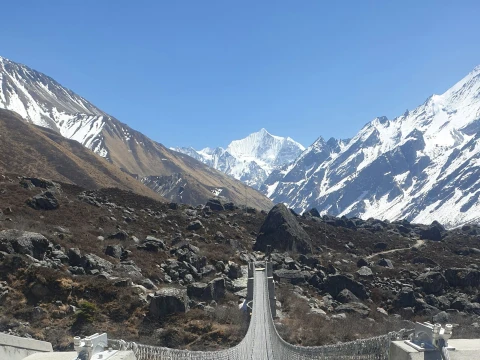
The Langtang Tamang Heritage Trek is one of Nepal's most rewarding trekking experiences, combining breathtaking Himalayan scenery with authentic cultural exploration. This unique adventure takes trekkers through the traditional Tamang villages of Gatlang, Tatopani, Thuman, and Briddhim before joining the famous Langtang Valley Trail toward Langtang Village, Kyanjin Gompa, and the spectacular viewpoint of Tserko Ri (5,000m). Throughout the journey, travelers experience a remarkable blend of natural beauty, Buddhist heritage, alpine landscapes, and warm local hospitality. Ancient monasteries, colorful prayer flags, sacred lakes, yak pastures, rhododendron forests, and snow-covered Himalayan peaks create an unforgettable trekking experience suitable for nature lovers and cultural enthusiasts alike.Organized by Nepal Journey Travels, this 14-day trekking package is carefully designed to provide a perfect balance of adventure, acclimatization, cultural immersion, and comfortable trekking. Every day introduces new landscapes, from lush river valleys and dense forests to high alpine meadows and panoramic mountain viewpoints. The trek also highlights the resilience of the Langtang region following the 2015 earthquake, allowing visitors to witness the remarkable rebuilding of local communities while directly supporting sustainable mountain tourism. Professional guides, carefully planned itineraries, and personalized service ensure that every traveler enjoys a safe, enjoyable, and memorable Himalayan experience.Explore authentic Tamang Heritage villages.Relax in the natural hot springs of Tatopani.Visit sacred monasteries and traditional Buddhist settlements.Enjoy spectacular views of Langtang Lirung, Ganesh Himal, and Dorje Lakpa.Hike to the magnificent Tserko Ri (5,000m).Experience traditional Tamang culture and local hospitality.Visit the famous Yak Cheese Factory at Kyanjin Gompa.Trek through Langtang National Park with diverse wildlife and forests.Best Season for Langtang Tamang Heritage TrekThe best seasons for the Langtang Tamang Heritage Trek are spring (March to May) and autumn (September to November). During spring, the trekking trails come alive with colorful rhododendron blossoms, green forests, blooming wildflowers, and pleasant daytime temperatures. The skies are generally clear, offering magnificent panoramic views of Langtang Lirung, Ganesh Himal, Yala Peak, and the surrounding Himalayan ranges. Wildlife is also more active during this season, making it an excellent time for photographers and nature enthusiasts. Comfortable temperatures at lower elevations and moderate conditions at higher altitudes create ideal trekking weather for both beginners and experienced hikers.Autumn is considered the most popular trekking season due to its stable weather, crystal-clear mountain views, and comfortable temperatures. Following the summer monsoon, the atmosphere becomes exceptionally clear, providing excellent visibility throughout the trek. The landscapes appear lush and vibrant, rivers flow strongly, and local villages celebrate various cultural festivals that add even more authenticity to the journey. Although winter trekking is possible with proper preparation, colder temperatures and occasional snowfall at higher elevations require additional equipment. The summer monsoon season brings frequent rainfall and slippery trails, making trekking more challenging despite the beautifully green scenery.Best Seasons at a GlanceSpring (March–May): Rhododendron blooms, mild temperatures, clear mountain views.Autumn (September–November): Stable weather, excellent visibility, vibrant landscapes.Winter (December–February): Quiet trails, snowy scenery, colder temperatures.Monsoon (June–August): Lush forests, fewer trekkers, occasional heavy rainfall.Langtang Tamang Heritage Trek Difficulty and TransportationThe Langtang Tamang Heritage Trek is considered a moderate trekking adventure, making it suitable for trekkers with average physical fitness and a positive attitude toward multi-day hiking. Daily walking generally ranges between five and eight hours across varied terrain, including forest trails, stone staircases, suspension bridges, mountain ridges, and alpine paths. The highest point of the trek, Tserko Ri at approximately 5,000 meters, requires a steady ascent and proper acclimatization. Nepal Journey Travels carefully designs the itinerary to allow gradual altitude gain, reducing the risk of altitude-related illness while maximizing comfort and safety.Transportation begins with a scenic overland drive from Kathmandu to Syabrubesi, the gateway to both the Tamang Heritage Trail and Langtang Valley. The journey passes terraced hills, rural villages, mountain rivers, and breathtaking Himalayan landscapes before reaching the starting point of the trek. After completing the adventure, travelers return to Kathmandu via the same picturesque route. Private transportation can be arranged upon request for greater comfort, while regular tourist vehicles offer an affordable and enjoyable travel experience. Throughout the trek, experienced guides and porters assist participants, allowing them to fully enjoy the journey without unnecessary stress.Difficulty & TransportationModerate trekking difficulty.Suitable for beginners with reasonable fitness.Daily walking: approximately 5–8 hours.Highest elevation: Tserko Ri (5,000m).Scenic drive between Kathmandu and Syabrubesi.Professional guides and porter services available.Gradual acclimatization throughout the itinerary.Food and Accommodation for Langtang Tamang Heritage TrekThroughout the Langtang Tamang Heritage Trek, Nepal Journey Travels ensures comfortable accommodation and nutritious meals that support trekkers during the entire journey. In Kathmandu, guests stay in comfortable tourist-standard hotels with modern facilities. Along the trekking route, accommodation is provided in locally operated teahouses and community lodges that offer clean twin-sharing rooms, warm hospitality, and a genuine mountain atmosphere. Although facilities become more basic at higher elevations, the friendly service and peaceful surroundings create a memorable Himalayan experience. Staying in local lodges also directly benefits mountain communities and supports sustainable tourism.Meals during the trek include a variety of freshly prepared Nepali, Tibetan, and international dishes. The popular Dal Bhat set provides unlimited rice, lentil soup, vegetables, and seasonal curry, making it the preferred meal for many trekkers due to its nutritional value and energy. Other menu options often include noodles, fried rice, pasta, pancakes, soups, eggs, Tibetan bread, momos, potatoes, porridge, tea, coffee, and hot chocolate. Safe drinking water options are available throughout the trek, while guides also recommend proper hydration to assist acclimatization at higher elevations.Food & AccommodationComfortable hotel accommodation in Kathmandu.Traditional teahouse lodging during the trek.Fresh Nepali, Tibetan, and international meals.Unlimited Dal Bhat available in most villages.Vegetarian options widely available.Hot drinks and seasonal local foods.Friendly family-run lodges with authentic hospitality.Langtang Tamang Heritage Trek PermitsTrekkers undertaking the Langtang Tamang Heritage Trek are required to obtain specific permits before entering the protected region. Nepal Journey Travels manages all necessary permit arrangements on behalf of its clients, allowing trekkers to focus entirely on enjoying their adventure. The primary permit required is the Langtang National Park Entry Permit, which grants access to one of Nepal's most beautiful protected conservation areas. The region is home to diverse wildlife, ancient forests, alpine ecosystems, and traditional mountain communities, making conservation efforts especially important.In addition to the National Park Permit, trekkers also require a TIMS (Trekkers' Information Management System) Card, depending on current trekking regulations and itinerary requirements. These permits help authorities maintain trekking records, improve visitor safety, and support conservation and local development projects within the region. Travelers should carry valid identification and passport-sized photographs when booking the trek, although Nepal Journey Travels assists with all documentation and permit processing to ensure a smooth trekking experience from arrival to departure.Required PermitsLangtang National Park Entry Permit.TIMS Card (subject to current regulations).Valid passport copy.Passport-sized photographs.Permit processing arranged by Nepal Journey Travels.Supports conservation and visitor safety.Why Choose Langtang Tamang Heritage TrekThe Langtang Tamang Heritage Trek offers an exceptional combination of spectacular Himalayan scenery, authentic cultural experiences, and rewarding mountain adventure within a relatively short trekking duration. Unlike many popular trekking routes, this journey allows visitors to experience traditional Tamang villages where centuries-old customs, Buddhist traditions, local festivals, and genuine hospitality remain beautifully preserved. The trek combines natural hot springs, panoramic viewpoints, ancient monasteries, peaceful forests, glacier valleys, and one of Nepal's finest viewpoints at Tserko Ri, creating a rich and diverse trekking experience suitable for a wide range of travelers.Choosing Nepal Journey Travels means traveling with a professional local company committed to safety, personalized service, and responsible tourism. Our experienced guides possess extensive knowledge of the Langtang region, ensuring every trekker receives expert assistance, cultural insights, and proper acclimatization support throughout the journey. We carefully organize transportation, permits, accommodation, meals, and logistics so that guests can fully immerse themselves in the beauty of the Himalayas. Whether you seek cultural discovery, mountain photography, wildlife observation, or an unforgettable trekking adventure, the Langtang Tamang Heritage Trek offers memories that will last a lifetime.Why Trek with Nepal Journey TravelsExperienced local trekking specialists.Professional licensed guides and helpful porters.Carefully planned itinerary with proper acclimatization.Authentic Tamang cultural experiences.Stunning Himalayan mountain panoramas.Comfortable accommodations and quality services.Hassle-free permit and logistics management.Safe, reliable, and personalized trekking experience.Commitment to sustainable and responsible tourism.Excellent value with outstanding customer satisfaction.
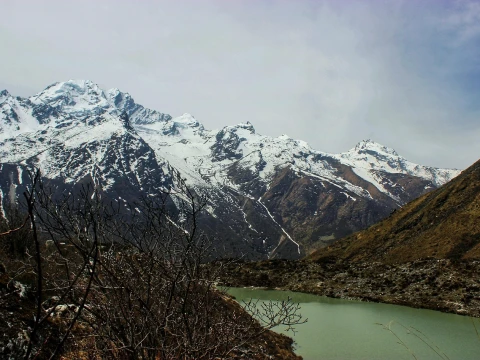
The Langtang Gosaikunda Helambu Trek is one of the most diverse and rewarding trekking adventures in Nepal, combining breathtaking Himalayan landscapes, sacred lakes, rich Tamang and Sherpa culture, and peaceful mountain trails. This incredible journey takes you through the beautiful Langtang Valley, the holy Gosaikunda Lake region, and the culturally rich Helambu area. Organized by Nepal Journey Travels, this trek offers a perfect balance of natural beauty, adventure, spirituality, and authentic Himalayan experiences.The trek begins with a scenic drive from Kathmandu to Syabrubesi and continues through the stunning landscapes of Langtang National Park, where trekkers can experience dense forests, alpine meadows, waterfalls, glaciers, and panoramic mountain views. The trail passes through traditional villages such as Langtang Village, Kyangin Gompa, Thulo Syabru, Sing Gompa, Tarkegyang, and Sermanthang, allowing travelers to experience the unique lifestyle and hospitality of local mountain communities.The highlight of this trek is reaching the sacred Gosaikunda Lake (4,380m) and crossing the challenging Lauribina Pass (4,700m), which provides spectacular views of the Himalayan range. With experienced guides, well-planned itineraries, and professional support from Nepal Journey Travels, this trek is an unforgettable Himalayan adventure suitable for trekkers seeking culture, nature, and high-altitude exploration.Scenic drive through Nepal’s countryside from Kathmandu to Syabrubesi.Exploration of Langtang National Park’s diverse flora and wildlife.Stunning views of Langtang Lirung, Ganesh Himal, Dorje Lakpa, and surrounding peaks.Visit to the sacred Gosaikunda Lake, important for Hindu and Buddhist pilgrims.Crossing the adventurous Lauribina Pass at 4,700 meters.Experience authentic Tamang and Sherpa culture, monasteries, and mountain villages.Comfortable trekking support from Nepal Journey Travels.Best Season for Langtang Gosaikunda Helambu TrekThe best seasons for the Langtang Gosaikunda Helambu Trek are spring (March to May) and autumn (September to November). During these months, the weather remains stable, the skies are generally clear, and the Himalayan views are at their best. These seasons provide excellent trekking conditions with comfortable temperatures, making the journey safer and more enjoyable.Spring is a beautiful time for this trek as the forests of Langtang National Park come alive with blooming rhododendron flowers, colorful vegetation, and fresh mountain scenery. Autumn is considered the peak trekking season because of clear mountain views, pleasant weather, and excellent trail conditions. Trekkers can enjoy breathtaking panoramas of snow-covered peaks throughout the journey.Winter and monsoon seasons are also possible but require additional preparation. Winter brings cold temperatures and possible snowfall around Gosaikunda and Lauribina Pass, while monsoon months may create slippery trails and reduced mountain visibility. Nepal Journey Travels recommends choosing the best season according to your experience level, travel preferences, and weather conditions.Best Time for Langtang Gosaikunda Helambu Trek:Spring (March–May): Best for flowers, clear views, and pleasant temperatures.Autumn (September–November): Ideal for stable weather and panoramic Himalayan scenery.Winter (December–February): Suitable for experienced trekkers with proper equipment.Monsoon (June–August): Possible but requires flexibility due to rainfall.Langtang Gosaikunda Helambu Trek Difficulty and TransportationThe Langtang Gosaikunda Helambu Trek is considered a moderate to challenging trek because of its long duration, altitude gain, and the crossing of Lauribina Pass at 4,700 meters. Trekkers should have a good level of physical fitness and be prepared for walking several hours each day through varied terrain, including forest trails, rocky paths, steep ascents, and high-altitude landscapes.Although the trek does not require technical climbing skills, proper acclimatization and preparation are important. The itinerary includes an acclimatization day at Kyangin Gompa to help trekkers adjust to the increasing altitude. Nepal Journey Travels provides experienced trekking guides who monitor your health, support your pace, and ensure a safe and enjoyable trekking experience.Transportation during the trek includes a comfortable private or shared vehicle journey from Kathmandu to Syabrubesi and from Melamchi Bazaar back to Kathmandu. The road journey offers beautiful views of rivers, hills, villages, and rural landscapes, providing an authentic introduction to Nepal’s countryside.Difficulty and Transportation Details:Trek difficulty: Moderate to challenging.Maximum altitude: 4,700m at Lauribina Pass.Daily walking duration: Approximately 4–8 hours.Requires good physical fitness and preparation.Kathmandu–Syabrubesi transportation by road.Melamchi Bazaar–Kathmandu return drive after completing the trek.Professional guide support from Nepal Journey Travels throughout the journey.Food and Accommodation for Langtang Gosaikunda Helambu TrekDuring the Langtang Gosaikunda Helambu Trek, trekkers stay in comfortable teahouses and lodges operated by local mountain communities. These accommodations provide clean rooms, warm dining areas, and a friendly atmosphere where travelers can relax after a day of trekking. Although facilities become simpler at higher elevations, the hospitality of local people makes the trekking experience memorable.Food during the trek is healthy, simple, and designed to provide enough energy for long walking days. Teahouses offer a variety of traditional Nepali and international meals, including Dal Bhat, noodles, soups, vegetables, rice dishes, pasta, eggs, bread, and hot drinks. Staying in local teahouses also allows trekkers to experience authentic Himalayan culture and support local communities.Nepal Journey Travels carefully selects accommodations and recommends proper nutrition and hydration throughout the trek. Our trekking team ensures that guests receive safe meals, comfortable stays, and the necessary support for a successful Himalayan adventure.Food and Accommodation Features:Overnight stays in mountain teahouses and lodges.Traditional Nepali meals and international food options.Fresh and energy-rich meals for trekking days.Comfortable dining areas with mountain views.Warm hospitality from local Tamang and Sherpa communities.Support and arrangements managed by Nepal Journey Travels.Langtang Gosaikunda Helambu Trek PermitsThe Langtang Gosaikunda Helambu Trek requires official trekking permits to enter protected areas and ensure responsible tourism management. Since the route passes through Langtang National Park, trekkers must obtain the Langtang National Park Entry Permit. This permit helps support conservation activities, wildlife protection, and sustainable tourism development in the region.Trekkers are also required to obtain the Trekkers’ Information Management System (TIMS) Card, which helps maintain trekking records and improves safety management in Nepal’s trekking regions. Nepal Journey Travels assists travelers with all necessary permit arrangements before starting the trek, making the preparation process smooth and convenient.Having the correct permits is essential for a legal and safe trekking experience. Our professional team ensures that all documentation is completed properly so trekkers can focus on enjoying the stunning landscapes, cultural experiences, and Himalayan adventure.Required Permits for Langtang Gosaikunda Helambu Trek:Langtang National Park Entry Permit.TIMS (Trekkers’ Information Management System) Card.Permit arrangements handled by Nepal Journey Travels.Support with trekking documentation and preparation.Contribution toward conservation and responsible tourism.Why Choose Langtang Gosaikunda Helambu TrekThe Langtang Gosaikunda Helambu Trek is an excellent choice for travelers who want to experience Nepal’s Himalayas beyond the crowded trekking routes. This journey offers a unique combination of natural beauty, cultural exploration, spiritual significance, and adventurous mountain walking. From the peaceful Langtang Valley to the sacred Gosaikunda Lake and traditional Helambu villages, every section of the trek provides unforgettable experiences.Choosing Nepal Journey Travels ensures a safe, comfortable, and well-organized trekking adventure. Our experienced guides, personalized service, detailed planning, and local knowledge help travelers enjoy the Himalayas with confidence. We focus on responsible tourism while providing authentic experiences that connect trekkers with Nepal’s landscapes and communities.This trek is perfect for those seeking magnificent mountain views, cultural discovery, and a meaningful Himalayan journey. Whether you are a first-time Himalayan trekker or an experienced adventurer, Nepal Journey Travels provides the professional support needed to make your Langtang Gosaikunda Helambu Trek successful and memorable.Reasons to Choose This Trek:Diverse landscapes from forests to high mountain passes.Sacred Gosaikunda Lake and beautiful Himalayan scenery.Rich Tamang and Sherpa cultural experiences.Less crowded trails compared to popular trekking routes.Professional guides and support from Nepal Journey Travels.Comfortable itinerary with proper acclimatization.A perfect combination of adventure, nature, and culture.
Helambu Trek is one of the most beautiful short and culturally rich trekking journeys in Nepal, located in the northern Himalayan region near Kathmandu Valley. This trek offers a perfect combination of natural beauty, peaceful mountain landscapes, traditional villages, Buddhist culture, and spectacular Himalayan views. Unlike many high-altitude treks in Nepal, Helambu Trek does not require extreme climbing skills, making it an ideal choice for trekkers who want to experience the Himalayas within a relatively short period.Organized by Nepal Journey Travels, the Helambu Trek takes you through the beautiful trails of the Shivapuri Nagarjun National Park, lush forests, terraced farmlands, and charming Sherpa and Tamang settlements. The journey begins with a scenic drive to Sundarijal and continues through famous destinations such as Chisapani, Gul Bhanjyang, Tharepati, Tarke Gyang, and Sermanthang before ending at Melamchi Pul Bazaar.During this trek, travelers can enjoy stunning views of Himalayan ranges, including Langtang, Ganesh Himal, Jugal Himal, and other snow-covered peaks. The trek also provides opportunities to explore ancient monasteries, prayer flags, traditional stone houses, and the unique lifestyle of mountain communities.Short and rewarding Himalayan trekking experience near KathmanduBeautiful sunrise and sunset views from Chisapani and TharepatiExperience Sherpa and Tamang culture and traditionsWalk through forests of rhododendron, oak, and pineExplore peaceful mountain villages and Buddhist monasteriesPanoramic views of Langtang and Jugal Himalayan rangesPerfect trek for beginners, families, and nature loversBest Season for Helambu TrekThe best seasons for the Helambu Trek are spring (March to May) and autumn (September to November) when the weather conditions are most favorable for trekking. During these months, the skies are generally clear, offering excellent mountain views, comfortable temperatures, and pleasant walking conditions. Spring brings colorful rhododendron flowers and fresh greenery, making the trails especially beautiful.Autumn is considered the peak trekking season in Nepal because of its stable weather and excellent visibility. The clear mountain atmosphere allows trekkers to enjoy breathtaking views of the Himalayan peaks, while the moderate temperatures make long walking days comfortable.Winter and monsoon seasons are also possible for experienced trekkers, but they come with additional challenges. Winter months (December to February) can be cold, especially at higher elevations like Tharepati, while the monsoon season (June to August) may bring rainfall, slippery trails, and cloudy mountain views.Best time features:Spring (March–May): Blooming rhododendrons, warm weather, clear mountain viewsAutumn (September–November): Best visibility, stable weather, ideal trekking conditionsWinter (December–February): Peaceful trails but colder temperaturesMonsoon (June–August): Green landscapes but possible rain and muddy trailsHelambu Trek Difficulty and TransportationHelambu Trek is considered a moderate-level trek suitable for beginners as well as experienced trekkers. The trekking routes include gradual ascents, forest paths, village trails, and some steep sections, but there are no technically difficult climbing sections. Proper preparation, regular walking practice, and a good level of fitness are recommended to enjoy the trek comfortably.The highest point of the trek is Tharepati at an altitude of approximately 3,640 meters, where trekkers can experience magnificent Himalayan views. Since the trek reaches a moderate altitude compared to other Himalayan adventures, the risk of altitude-related problems is relatively lower, but gradual walking and proper hydration are still important.Transportation for the Helambu Trek is convenient because the trail begins close to Kathmandu. Nepal Journey Travels arranges comfortable private transportation or local vehicles depending on the group size and preference. The trek starts with a short drive from Kathmandu to Sundarijal and ends with a scenic drive back from Melamchi Pul Bazaar to Kathmandu.Difficulty and transportation details:Trek grade: ModerateSuitable for beginners with good physical fitnessMaximum elevation: Around 3,640 meters at TharepatiStarting point: Sundarijal near KathmanduEnding point: Melamchi Pul BazaarComfortable road transportation arranged by Nepal Journey TravelsNo technical climbing experience requiredFood and Accommodation for Helambu TrekDuring the Helambu Trek, trekkers experience authentic Nepalese mountain hospitality through comfortable teahouse accommodation and locally prepared meals. The teahouses along the route provide clean rooms, warm dining areas, and a chance to interact with local families. Although facilities become simpler at higher elevations, the welcoming atmosphere and cultural experience make the stay memorable.Nepal Journey Travels ensures that trekkers receive hygienic meals with enough energy for daily walking. The food options include traditional Nepali dishes as well as some international meals to meet different dietary preferences. A balanced diet with carbohydrates, vegetables, and warm drinks helps maintain energy throughout the trek.Food options include:Dal Bhat (rice, lentils, and vegetables), the traditional Nepali trekking mealNoodles, pasta, soups, and simple snacksTibetan-style bread and pancakesTea, coffee, and hot beveragesVegetarian and special dietary options upon requestAccommodation facilities include:Comfortable teahouse stays throughout the trekking routeTwin-sharing rooms with basic beddingCommon dining areas with warm mealsLocal village hospitality and cultural interactionHotel accommodation in Kathmandu before and after the trekHelambu Trek PermitsFor the Helambu Trek, trekkers require necessary permits to enter protected areas and complete the trekking route legally. Nepal Journey Travels assists all travelers in arranging the required permits before starting the journey, ensuring a smooth and stress-free trekking experience.The main permit required for the Helambu Trek is the Shivapuri Nagarjun National Park Entry Permit, as the route passes through this protected area during the initial section of the trek. Depending on updated government regulations and route requirements, additional trekking documentation may also be required.Having proper permits helps support conservation activities, maintain trekking trails, protect natural resources, and contribute to the development of local communities.Required permits generally include:Shivapuri Nagarjun National Park Entry PermitTrekkers’ Information Management System (TIMS) card if required by current regulationsIdentification documents such as passport detailsPermit arrangements handled by Nepal Journey TravelsWhy Choose Helambu TrekHelambu Trek is an excellent choice for travelers who want to experience the beauty of the Himalayas without committing to a long or extremely challenging expedition. Its close location to Kathmandu makes it easily accessible while still offering authentic mountain scenery, peaceful trails, and rich cultural experiences.With Nepal Journey Travels, trekkers receive professional guidance, reliable arrangements, and personalized service throughout the journey. Our experienced trekking team focuses on safety, comfort, and creating unforgettable travel experiences while allowing guests to connect with Nepal’s natural beauty and local traditions.Helambu Trek provides a perfect balance of adventure, relaxation, and cultural discovery. From breathtaking mountain views to warm village hospitality, every day of the trek offers something unique and memorable.Reasons to choose Helambu Trek:Convenient location near KathmanduIdeal for short Himalayan adventureRich Sherpa and Tamang cultural experienceBeautiful mountain views without extreme altitudePeaceful trails away from crowded trekking routesSuitable for beginners, families, and experienced trekkersProfessional trekking support from Nepal Journey TravelsOpportunity to experience authentic Nepalese village life and traditionsA perfect combination of nature, culture, and adventure in the Himalayas
Bhairav Kunda Trek is a beautiful and less-crowded Himalayan adventure located in the Sindhupalchok district of Nepal, near the Nepal–Tibet border region. This trekking route takes you through peaceful mountain villages, dense forests, traditional settlements, and spectacular high-altitude landscapes before reaching the sacred Bhairav Kunda Lake at an elevation of approximately 4,250 meters. The lake holds great religious importance among local communities and is considered a holy destination for Hindu and Buddhist pilgrims. The trek offers a perfect combination of natural beauty, cultural exploration, wilderness experience, and Himalayan adventure.Organized by Nepal Journey Travels, the Bhairav Kunda Trek provides an authentic journey away from the crowded trekking routes of Nepal. The trail begins with a scenic drive from Kathmandu to Jalbire and continues through villages such as Chanaute and Khani Gaun before entering remote forest areas and alpine landscapes. During the trek, travelers experience traditional village lifestyles, local hospitality, diverse landscapes, and breathtaking views of Himalayan surroundings.Visit the sacred Bhairav Kunda Lake at 4,250 meters.Experience traditional Himalayan villages and local cultures.Explore peaceful forests, rivers, and mountain landscapes.Enjoy panoramic views of Himalayan peaks and natural scenery.Experience camping in remote and untouched Himalayan areas.Relax at Kodari Tatopani natural hot spring after trekking.Best Season for Bhairav Kunda TrekThe best seasons for the Bhairav Kunda Trek are spring (March to May) and autumn (September to November). These months offer stable weather conditions, clear skies, comfortable temperatures, and excellent visibility of the Himalayan mountains. Spring brings colorful rhododendron forests, blooming flowers, and fresh natural beauty along the trekking trails. Autumn is considered the most popular trekking season because of dry weather, clear mountain views, and pleasant walking conditions.Winter (December to February) is also possible for experienced trekkers who enjoy peaceful trails and snowy landscapes. However, temperatures at higher elevations can be extremely cold, especially near Bhairav Kunda Lake. The monsoon season (June to August) is less recommended because heavy rainfall can make trails slippery and affect mountain visibility.Recommended trekking seasons:Spring (March–May): Best for flowers, greenery, and comfortable weather.Autumn (September–November): Best for clear mountain views and stable conditions.Winter (December–February): Suitable for experienced trekkers with proper preparation.Monsoon (June–August): Less recommended due to rain and trail conditions.Nepal Journey Travels carefully plans Bhairav Kunda Trek departures according to seasonal conditions to ensure safety, comfort, and the best possible trekking experience.Bhairav Kunda Trek Difficulty and TransportationBhairav Kunda Trek is considered a moderate to challenging trekking adventure suitable for trekkers with a good level of fitness and preparation. The route includes gradual ascents, forest trails, rocky paths, and high-altitude walking up to 4,250 meters. Although it does not require technical climbing skills, trekkers should be prepared for several hours of walking each day and changing weather conditions at higher elevations.Proper acclimatization, steady walking pace, and physical preparation are important for successfully completing this trek. The remote nature of the route makes it a rewarding experience for adventure seekers who want to explore a peaceful Himalayan destination away from busy trekking areas.Difficulty factors include:Trekking duration of around 10–12 days.Walking approximately 4–7 hours per day.High altitude reaching 4,250 meters.Remote trails with limited facilities.Changing mountain weather conditions.Transportation for the Bhairav Kunda Trek begins with a scenic drive from Kathmandu to Jalbire, the starting point of the trek. The journey follows the Araniko Highway, passing through beautiful countryside, rivers, hills, and traditional villages. After completing the trek, transportation is arranged from Larcha back to Kathmandu with comfortable private vehicles managed by Nepal Journey Travels.Food and Accommodation for Bhairav Kunda TrekDuring the Bhairav Kunda Trek, Nepal Journey Travels ensures that trekkers receive comfortable accommodation and nutritious meals throughout the journey. Since this is a remote trekking route, accommodation mainly includes local lodges, homestays, and camping arrangements depending on the location. Staying in village homes and mountain lodges provides an opportunity to experience authentic Nepalese hospitality and local lifestyles.At higher elevations, camping facilities are arranged because lodge availability becomes limited. Our trekking team manages tents, sleeping arrangements, and necessary camping equipment to provide a safe and comfortable experience in the Himalayan wilderness.Food facilities during the trek include:Traditional Nepali meals such as dal bhat (rice, lentils, and vegetables).Noodles, soups, pasta, and simple trekking meals.Fresh local vegetables and seasonal foods.Tea, coffee, and hot drinks for energy.Packed meals during remote trekking sections.Accommodation options include:Comfortable hotel stay in Kathmandu.Local lodge and homestay accommodation in villages.Camping facilities near Forest Camp, Pati, and Bhairav Kunda.Basic but clean mountain accommodation throughout the trek.Nepal Journey Travels focuses on providing hygienic food, safe accommodation, and supportive trekking services to make your Bhairav Kunda adventure enjoyable and memorable.Bhairav Kunda Trek PermitsBhairav Kunda Trek requires several permits and official documents because the trekking route passes through protected and restricted areas near the Nepal–Tibet border region. Obtaining the correct permits ensures that travelers can complete the trek legally while supporting conservation efforts and local development programs.Nepal Journey Travels assists all trekkers with the necessary permit arrangements before starting the journey. Our experienced team handles the paperwork process, allowing you to focus on enjoying the trekking experience without unnecessary concerns.Required permits generally include:Local Area Permit: Required for trekking through the Sindhupalchok region.Restricted Area Permit (if applicable): Required due to the border area location.Trekkers’ Information Management System (TIMS) Card: Required for trekking safety and registration.National park or conservation permits (if applicable): Depending on route regulations.Permit requirements can change according to government regulations, so Nepal Journey Travels updates and manages all necessary documentation before departure.Why Choose Bhairav Kunda TrekBhairav Kunda Trek is an ideal choice for travelers looking for a unique Himalayan adventure filled with natural beauty, cultural experiences, and peaceful surroundings. Unlike popular trekking destinations, this route offers a quiet and authentic experience where trekkers can explore traditional villages, untouched forests, and remote mountain landscapes.The sacred Bhairav Kunda Lake is the main attraction of this trek, offering both spiritual importance and stunning Himalayan scenery. The journey allows travelers to connect with local communities, experience traditional lifestyles, and discover the hidden beauty of Nepal’s mountain regions.Reasons to choose Bhairav Kunda Trek with Nepal Journey Travels:Less crowded and peaceful trekking route.Authentic village and cultural experiences.Beautiful Himalayan landscapes and remote wilderness.Sacred Bhairav Kunda Lake exploration.Professional trekking guides and experienced support team.Well-managed transportation, permits, food, and accommodation.Personalized trekking services for a safe and memorable journey.With years of experience in Nepal trekking and adventure tourism, Nepal Journey Travels is committed to providing quality services, professional guidance, and unforgettable Himalayan experiences. Bhairav Kunda Trek with Nepal Journey Travels is a perfect choice for those who want to discover the hidden treasures of Nepal beyond the regular trekking trails.
The Ruby Valley Trek is one of Nepal’s most rewarding off-the-beaten-path trekking adventures, offering a perfect combination of Himalayan scenery, authentic cultural experiences, and peaceful mountain trails. Located between the famous Langtang National Park and the Manaslu Conservation Area, the Ruby Valley region remains relatively untouched by mass tourism, making it an ideal destination for travelers seeking a genuine Himalayan experience. This remarkable trek takes you through traditional Tamang and Gurung villages, dense rhododendron forests, alpine meadows, sacred lakes, and high mountain passes while showcasing breathtaking views of Ganesh Himal, Langtang Himal, Manaslu, and surrounding snow-capped peaks. Every day on the trail introduces a new landscape and a deeper connection with Nepal’s rich mountain heritage.One of the major highlights of the trek is the opportunity to experience local culture in villages such as Gatlang, Tipling, and Chalish Gaon, where traditional lifestyles have been preserved for generations. Trekkers can interact with friendly local communities, visit ancient monasteries, observe traditional stone houses, and enjoy warm Himalayan hospitality. The sacred Parvati Kund, the panoramic Pangsang Pass (3,842m), and beautiful mountain viewpoints further enhance the trekking experience, making the Ruby Valley Trek suitable for nature lovers, photographers, and cultural explorers alike.Nepal Journey Travels carefully organizes every aspect of the Ruby Valley Trek, ensuring a safe, comfortable, and memorable adventure. From airport transfers and experienced trekking guides to accommodation, transportation, and permit arrangements, every detail is professionally managed. Whether you are an experienced trekker or someone looking for a less-crowded Himalayan journey, Nepal Journey Travels provides personalized service that allows you to fully enjoy the beauty and authenticity of the Ruby Valley region.Scenic trekking route between Langtang and Manaslu regionsSpectacular views of Ganesh Himal, Langtang, and ManasluExplore traditional Tamang and Gurung villagesVisit the sacred Parvati Kund LakeCross the panoramic Pangsang Pass (3,842m)Experience authentic local culture and hospitalityPeaceful trails away from crowded trekking routesProfessionally organized by Nepal Journey TravelsBest Season for Ruby Valley TrekThe best season for the Ruby Valley Trek is during spring (March to May) and autumn (September to November) when weather conditions are generally stable, mountain views are exceptionally clear, and trekking trails are at their finest. During spring, the forests come alive with blooming rhododendrons, colorful wildflowers, and lush green landscapes that create a vibrant trekking environment. Mild daytime temperatures and comfortable trekking conditions make this season particularly enjoyable for both beginner and experienced trekkers. Wildlife is also more active, adding to the natural beauty of the region.Autumn is equally popular because of its crystal-clear skies, pleasant temperatures, and excellent visibility of the Himalayan ranges. After the monsoon rains, the landscapes become fresh and green while the mountain panoramas remain spectacular throughout the journey. This season also coincides with major Nepalese festivals such as Dashain and Tihar, allowing trekkers to witness local traditions and cultural celebrations in the mountain villages.Although winter trekking is possible for those who enjoy peaceful trails and snowy landscapes, temperatures become much colder at higher elevations, particularly near Pangsang Pass. The summer monsoon season brings frequent rainfall, slippery trails, and limited mountain visibility, making trekking more challenging. Nepal Journey Travels monitors seasonal conditions carefully and helps trekkers choose the most suitable departure dates to maximize safety, comfort, and overall trekking enjoyment.Best Seasons at a Glance:Spring (March–May): Rhododendron blooms and pleasant weatherAutumn (September–November): Clear mountain views and stable climateWinter (December–February): Snowy scenery with colder temperaturesMonsoon (June–August): Lush greenery but frequent rainfallBest visibility during spring and autumnNepal Journey Travels provides expert seasonal guidanceRuby Valley Trek Difficulty and TransportationThe Ruby Valley Trek is considered a moderate trekking adventure, making it suitable for trekkers with average physical fitness and a positive attitude toward walking in mountain terrain. Daily trekking generally ranges from two to seven hours, depending on the itinerary, while the highest point reached is Pangsang Pass at 3,842 meters. The trail includes gradual ascents, descents, forest paths, stone staircases, and traditional village routes. Although no technical climbing skills are required, regular walking, basic endurance, and proper acclimatization help ensure an enjoyable trekking experience.One of the advantages of the Ruby Valley Trek is that it combines adventure with cultural exploration without reaching extreme altitudes found on some other Himalayan treks. Trekkers have plenty of opportunities to rest, interact with local communities, and enjoy the changing landscapes. Professional guides from Nepal Journey Travels provide safety briefings, pace management, and local knowledge throughout the journey, ensuring that trekkers feel comfortable and confident every day.Transportation for the trek begins with a scenic drive from Kathmandu to Syabrubesi, which takes approximately seven to nine hours through beautiful mountain roads and rural landscapes. After completing the trek, travelers drive from Borang to Dhading Besi before returning to Kathmandu. Nepal Journey Travels arranges reliable private or shared transportation based on group size, ensuring smooth transfers between destinations while allowing trekkers to enjoy Nepal's picturesque countryside throughout the journey.Difficulty & Transportation Highlights:Moderate trekking suitable for most active travelersHighest elevation: Pangsang Pass (3,842m)Daily walking: Approximately 2–7 hoursNo technical climbing experience requiredScenic drive from Kathmandu to SyabrubesiReturn drive via Borang and Dhading BesiSafe transportation arranged by Nepal Journey TravelsFood and Accommodation for Ruby Valley TrekThe Ruby Valley Trek offers comfortable local accommodation and nutritious meals that allow trekkers to experience authentic Himalayan hospitality. Throughout the journey, accommodation is mainly provided in locally operated teahouses, mountain lodges, and community homestays. These accommodations are simple yet welcoming, with clean rooms, comfortable beds, warm blankets, and friendly hosts who take pride in sharing their culture with visitors. Staying in village lodges also allows trekkers to support local communities while enjoying genuine cultural experiences.Meals during the trek are freshly prepared using locally available ingredients. Trekkers can enjoy a variety of traditional Nepali dishes such as Dal Bhat, noodles, fried rice, vegetable curries, Tibetan bread, soups, potatoes, eggs, pancakes, tea, and seasonal vegetables. Dal Bhat is especially popular among trekkers because it provides balanced nutrition and unlimited refills in many mountain lodges. Vegetarian options are widely available, while drinking boiled or purified water is recommended throughout the trek.Nepal Journey Travels carefully selects reliable lodges and homestays that prioritize cleanliness, comfort, and quality service. The company ensures that trekkers receive healthy meals, safe accommodations, and attentive support throughout the journey, allowing guests to focus entirely on enjoying the spectacular landscapes and cultural richness of the Ruby Valley region.Food & Accommodation Features:Comfortable teahouses, lodges, and homestaysFreshly prepared local and international mealsTraditional Dal Bhat served dailyVegetarian food widely availableWarm hospitality from local communitiesComfortable overnight stays arranged by Nepal Journey TravelsRuby Valley Trek PermitsObtaining the necessary trekking permits is an important part of preparing for the Ruby Valley Trek. Since the trekking route passes through protected areas and rural mountain regions, trekkers are required to carry valid permits issued by the Government of Nepal. These permits help protect the natural environment, support conservation efforts, and contribute to local community development while ensuring that trekking activities are properly monitored.Most trekkers require a Langtang National Park Entry Permit and a Trekkers' Information Management System (TIMS) Card, depending on the latest government regulations and the exact trekking itinerary. Permit requirements may occasionally change, so it is always advisable to confirm current regulations before departure. Carrying your passport, passport-sized photographs, and valid travel documents is usually necessary during the permit application process.Nepal Journey Travels handles the complete permit application process on behalf of its clients, saving valuable time and ensuring that all required documentation is properly arranged before the trek begins. With experienced staff managing permits and official procedures, trekkers can travel confidently while focusing entirely on enjoying their Himalayan adventure.Required Permits:Langtang National Park Entry PermitTIMS Card (subject to current regulations)Valid passport requiredPassport-sized photographs may be neededPermit arrangements managed by Nepal Journey TravelsHassle-free documentation supportWhy Choose Ruby Valley TrekThe Ruby Valley Trek is an excellent choice for travelers seeking an authentic Himalayan adventure away from Nepal's busiest trekking routes. Unlike more commercial trekking destinations, Ruby Valley offers peaceful trails, untouched natural beauty, and genuine interactions with local mountain communities. Trekkers enjoy breathtaking Himalayan panoramas, beautiful forests, sacred lakes, traditional villages, and rich cultural experiences without the large crowds commonly found on other famous trekking routes. This balance of scenery, culture, and tranquility creates an unforgettable journey suitable for photographers, nature enthusiasts, families, and adventure seekers alike.Choosing Nepal Journey Travels ensures that every aspect of your trekking experience is professionally organized with safety, comfort, and customer satisfaction as top priorities. The company provides experienced local guides, reliable transportation, quality accommodation, permit assistance, and personalized service from arrival to departure. Their knowledgeable team shares valuable insights into local culture, history, and mountain traditions while maintaining responsible tourism practices that benefit local communities and preserve the region's natural environment.Whether you are visiting Nepal for your first Himalayan trek or looking to explore a hidden destination beyond the popular trekking routes, the Ruby Valley Trek offers an exceptional combination of adventure, culture, and natural beauty. With the dedicated support of Nepal Journey Travels, you can confidently experience one of Nepal's most rewarding trekking destinations while creating lifelong memories in the heart of the Himalayas.Why Trek with Nepal Journey Travels:Expert local guides and trekking supportCarefully planned itinerariesReliable transportation and logisticsComfortable accommodation arrangementsComplete permit assistancePersonalized customer serviceResponsible and sustainable tourism practicesAuthentic Himalayan cultural experiencesSafe, memorable, and professionally managed adventure
Kanchenjunga Circuit Trek is one of Nepal’s most remote, adventurous, and spectacular trekking journeys, taking you around the world’s third-highest mountain, Mount Kanchenjunga (8,586m). Located in the eastern part of Nepal, this incredible trek offers a perfect combination of untouched Himalayan landscapes, diverse cultures, dramatic mountain views, and authentic village experiences. Nepal Journey Travels organizes this 25-day adventure with experienced guides, comfortable arrangements, and careful planning to provide a safe and memorable trekking experience.Unlike the more crowded trekking regions of Nepal, the Kanchenjunga Circuit provides a peaceful wilderness experience through the Kanchenjunga Conservation Area. The trail passes through beautiful forests, traditional Limbu, Rai, and Tibetan-influenced villages, high mountain valleys, glaciers, and breathtaking viewpoints including Kanchenjunga North Base Camp (Pangpema) and Yalung Base Camp.The journey begins with a flight from Kathmandu to Bhadrapur, followed by a scenic drive to Taplejung, the gateway to the Kanchenjunga region. Throughout the trek, trekkers experience changing landscapes from green hills and forests to rugged alpine environments above 5,000 meters.Explore one of Nepal’s most remote and less crowded trekking regions.Visit Kanchenjunga North Base Camp (Pangpema) at 5,143 meters.Experience stunning views of Mount Kanchenjunga, Jannu Himal, glaciers, and Himalayan valleys.Discover authentic mountain cultures and traditional villages.Trek through the protected biodiversity of Kanchenjunga Conservation Area.Enjoy professional trekking support from Nepal Journey Travels.Best Season for Kanchenjunga Circuit TrekThe best seasons for Kanchenjunga Circuit Trek are spring (March to May) and autumn (September to November). During these months, the weather remains stable, the skies are generally clear, and the mountain views are at their best. These seasons provide ideal trekking conditions with comfortable temperatures and excellent visibility of the Himalayan peaks.Spring is especially beautiful because the trekking trails become colorful with blooming rhododendron flowers, Nepal’s national flower. Autumn is considered the most popular trekking season due to clear weather, fresh mountain air, and spectacular panoramic views of Kanchenjunga and surrounding peaks.Winter and monsoon seasons are possible but more challenging. Heavy snowfall during winter can make high passes difficult, while monsoon rain may cause slippery trails and transportation delays. Nepal Journey Travels recommends choosing the best season according to your experience level and trekking preferences.Best trekking seasons:Spring (March–May): Warm weather, blooming forests, clear mountain views.Autumn (September–November): Stable weather, excellent visibility, and ideal trekking conditions.Winter (December–February): Suitable for experienced trekkers with proper preparation.Monsoon (June–August): Less recommended due to rainfall and trail conditions.Kanchenjunga Circuit Trek Difficulty and TransportationKanchenjunga Circuit Trek is considered a challenging high-altitude trek suitable for experienced trekkers or physically prepared adventurers. The trek involves long walking days, steep ascents and descents, remote trails, and high elevations above 5,000 meters. Proper acclimatization, physical fitness, and mental preparation are important for completing this adventure.The highest point of the trek is Kanchenjunga North Base Camp (Pangpema), located at 5,143 meters. Trekkers must be prepared for changing weather conditions, basic facilities, and walking through isolated mountain areas. Nepal Journey Travels provides experienced guides who monitor altitude adjustment, maintain a safe pace, and support trekkers throughout the journey.Transportation for the Kanchenjunga Circuit Trek includes domestic flights and private road transfers. The journey starts with a flight from Kathmandu to Bhadrapur and a scenic drive to Taplejung. After completing the trek, transportation is arranged from Taplejung to Bhadrapur and a flight back to Kathmandu.Difficulty and transportation information:Trek difficulty: Challenging / Advanced level.Maximum altitude: 5,143m at Pangpema (Kanchenjunga North Base Camp).Average trekking duration: 17–18 days on the trail.Transportation: Kathmandu–Bhadrapur flight and private jeep/bus transfers.Requires good physical fitness and previous trekking experience.Food and Accommodation for Kanchenjunga Circuit TrekDuring the Kanchenjunga Circuit Trek, Nepal Journey Travels arranges comfortable and reliable accommodation based on the facilities available in this remote region. Most nights are spent in local teahouses that provide a warm environment, basic rooms, and opportunities to experience authentic Himalayan hospitality.Accommodation becomes more basic as the trek reaches higher and more isolated areas. Rooms generally include twin-sharing beds, blankets, and shared bathrooms. In remote locations such as Lhonak and Pangpema, facilities are limited, but the incredible mountain environment makes the experience truly unique.Food during the trek is simple, nutritious, and designed to provide enough energy for long walking days. Local teahouses serve traditional Nepali meals along with some international options. Nepal Journey Travels ensures that trekkers receive hygienic meals and proper nutrition throughout the journey.Food and accommodation features:Kathmandu and Bhadrapur: Comfortable hotel accommodation.Trekking areas: Local teahouse accommodation.Meals include Dal Bhat, noodles, soups, vegetables, pasta, bread, and tea.Vegetarian and dietary preferences can be managed with advance notice.Clean drinking water arrangements and hydration support are provided.Kanchenjunga Circuit Trek PermitsKanchenjunga Circuit Trek is located in a restricted and protected area of Nepal, so special permits are required before starting the journey. Nepal Journey Travels manages all necessary trekking permits and documentation to ensure a smooth and hassle-free experience for trekkers.The main permits required for this trek include the Kanchenjunga Restricted Area Permit and the Kanchenjunga Conservation Area Permit. These permits help protect the natural environment, preserve local culture, and regulate tourism activities in this sensitive Himalayan region.Trekkers must travel with a registered trekking agency and licensed guide because independent trekking is not allowed in the restricted Kanchenjunga area. Nepal Journey Travels assists with all permit arrangements, allowing you to focus completely on enjoying the adventure.Required permits:Kanchenjunga Restricted Area Permit (RAP).Kanchenjunga Conservation Area Permit (KCAP).Licensed trekking guide requirement.Registered trekking agency support.Passport details and necessary documents required for permit processing.Why Choose Kanchenjunga Circuit TrekKanchenjunga Circuit Trek is an ideal choice for trekkers looking for an authentic Himalayan adventure away from crowded trails. This trek offers a rare opportunity to explore one of Nepal’s most untouched regions while experiencing spectacular mountain scenery, rich biodiversity, and traditional cultures.With Nepal Journey Travels, you receive professional trekking services, experienced guides, organized logistics, and personalized support throughout the journey. Our team focuses on safety, comfort, and creating unforgettable memories while exploring the remote landscapes of eastern Nepal.The trek combines adventure, nature, culture, and discovery in a way that few other Himalayan journeys can offer. From walking beneath towering peaks to visiting traditional mountain villages, every day provides a new and unforgettable experience.Reasons to choose Kanchenjunga Circuit Trek:Experience the wilderness of one of Nepal’s most remote trekking regions.Enjoy close views of Mount Kanchenjunga and Himalayan giants.Explore authentic local cultures and mountain lifestyles.Trek through forests, glaciers, valleys, and high-altitude landscapes.Receive professional service and support from Nepal Journey Travels.Create lifelong memories on one of Nepal’s most rewarding trekking adventures.
The Kanchenjunga Circuit Short Trek is one of Nepal’s most spectacular and less crowded trekking adventures, offering an unforgettable journey around the world’s third-highest mountain, Mount Kanchenjunga (8,586 m). Organized by Nepal Journey Travels, this trekking experience takes you into the remote eastern Himalayas, where you can explore untouched landscapes, traditional mountain villages, ancient cultures, glaciers, and breathtaking views of some of Nepal’s highest peaks.This short version of the classic Kanchenjunga Circuit Trek is carefully designed for trekkers who want to experience the beauty of the Kanchenjunga region within a limited timeframe. The trail combines both the southern and northern sections of the region, including the famous Kanchenjunga South Base Camp and North Base Camp (Pangpema), while passing through the beautiful landscapes of the Kanchenjunga Conservation Area.Explore the remote and peaceful Kanchenjunga region of eastern Nepal.Visit Kanchenjunga South Base Camp and North Base Camp.Experience breathtaking views of Kanchenjunga, Jannu Himal, Makalu, and surrounding peaks.Walk through rhododendron forests, glaciers, valleys, and alpine landscapes.Discover traditional Tibetan-influenced villages like Ghunsa and Khambachen.Enjoy an authentic Himalayan trekking experience away from crowded routes.Best Season for Kanchenjunga Circuit Short TrekThe best seasons for the Kanchenjunga Circuit Short Trek are spring (March to May) and autumn (September to November). During these months, the weather remains stable, skies are generally clear, and the mountain views are at their best. Spring brings colorful rhododendron forests, blooming flowers, and pleasant trekking temperatures, making the journey especially beautiful.Autumn is considered the most popular trekking season because of excellent visibility, dry trails, and comfortable weather conditions. The clear mountain atmosphere provides stunning views of Kanchenjunga and other Himalayan peaks. Nepal Journey Travels recommends these seasons for the safest and most enjoyable trekking experience.Seasonal features:Spring (March–May): Best for flowers, greenery, and moderate temperatures.Autumn (September–November): Best for clear mountain views and stable weather.Winter (December–February): Possible for experienced trekkers but colder with snow at higher elevations.Monsoon (June–August): Less recommended due to rain, slippery trails, and limited mountain visibility.Kanchenjunga Circuit Short Trek Difficulty and TransportationThe Kanchenjunga Circuit Short Trek is considered a challenging high-altitude trek suitable for trekkers with good physical fitness and previous hiking experience. The route includes long walking days, steep ascents, high mountain passes, and elevations above 5,000 meters. Crossing areas such as Sele Le Pass and reaching Kanchenjunga Base Camps require proper preparation and gradual acclimatization.Nepal Journey Travels provides experienced guides and careful planning to make the trek safer and more comfortable. The itinerary includes rest and acclimatization periods to help trekkers adjust to the altitude and enjoy the journey responsibly.Difficulty and transportation details:Trekking difficulty: Moderate to challenging.Maximum elevation: Around 5,140 meters at Kanchenjunga North Base Camp.Requires good stamina and preparation for high-altitude conditions.Domestic flights between Kathmandu and Bhadrapur are included.Private vehicles are arranged for the drive between Bhadrapur and the trekking starting points.Local trekking routes are completed on foot with professional support.Food and Accommodation for Kanchenjunga Circuit Short TrekDuring the Kanchenjunga Circuit Short Trek, Nepal Journey Travels ensures comfortable accommodation and nutritious meals throughout the journey. Since the region is remote and less developed compared to popular trekking areas, accommodation is mainly provided in local teahouses and lodges. These mountain lodges offer basic but comfortable facilities with warm hospitality from local communities.Food during the trek includes traditional Nepali meals as well as common international trekking dishes. Proper nutrition is important for maintaining energy during long walking days, especially at higher elevations.Food and accommodation services include:Comfortable teahouse and lodge stays along the trekking route.Twin-sharing rooms with basic mountain facilities.Traditional Nepali meals such as dal bhat, vegetables, noodles, soups, and snacks.Tea, coffee, and warm drinks available at lodges.Hygienic and energy-rich meals suitable for high-altitude trekking.Friendly local hospitality and cultural interaction.Kanchenjunga Circuit Short Trek PermitsThe Kanchenjunga region is a protected and restricted trekking area, so special permits are required before starting the trek. Nepal Journey Travels manages the necessary documentation and permit arrangements to ensure a smooth trekking experience for all guests.Trekkers must obtain permits related to the Kanchenjunga Conservation Area and restricted area regulations. These permits help protect the natural environment, preserve local culture, and regulate tourism in this sensitive Himalayan region.Required permits for Kanchenjunga Circuit Short Trek:Kanchenjunga Restricted Area Permit (RAP).Kanchenjunga Conservation Area Permit (KCAP).Trekking permits arranged by Nepal Journey Travels.Passport details and required documents needed for permit processing.Licensed guide support as required by Nepal’s trekking regulations.Why Choose Kanchenjunga Circuit Short TrekThe Kanchenjunga Circuit Short Trek is an ideal choice for travelers seeking a unique Himalayan adventure away from crowded trekking routes. Unlike many popular trekking destinations in Nepal, the Kanchenjunga region offers untouched natural beauty, peaceful trails, authentic mountain culture, and incredible views of some of the world’s highest peaks.With Nepal Journey Travels, trekkers receive professional support, experienced guides, carefully planned itineraries, and personalized service throughout the journey. Our team focuses on safety, comfort, and creating meaningful experiences that allow travelers to truly connect with Nepal’s mountains and communities.Reasons to choose this trek:Experience one of Nepal’s most remote and beautiful trekking regions.Enjoy spectacular views of Mount Kanchenjunga and Himalayan landscapes.Explore authentic villages and traditional cultures.Trek through protected conservation areas rich in biodiversity.Receive professional guidance from Nepal Journey Travels’ experienced trekking team.Create lifelong memories through an extraordinary Himalayan adventure.
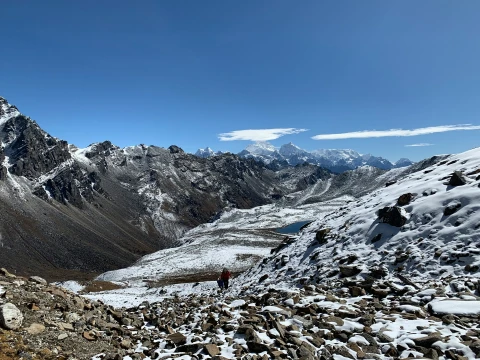
The Makalu Base Camp Trek is one of the most spectacular and remote trekking adventures in Nepal, offering an extraordinary journey into the untouched wilderness of the eastern Himalayas. Organized by Nepal Journey Travels, this trek takes you deep into the stunning Makalu Barun National Park, home to the world’s fifth-highest mountain, Mount Makalu (8,485m). The trek begins with a scenic flight from Kathmandu to Tumlingtar, followed by an adventurous drive and walking journey through traditional villages, lush forests, alpine landscapes, glaciers, and high mountain valleys.Unlike the more crowded trekking routes of Nepal, the Makalu Base Camp Trek provides a peaceful and authentic Himalayan experience. The trail passes through beautiful Rai and Sherpa settlements, allowing trekkers to experience local culture, traditions, and mountain lifestyles while enjoying breathtaking views of Makalu, Chamlang, Baruntse, Everest, and other surrounding peaks.The trek reaches the magnificent Makalu Base Camp at an altitude of approximately 5,000 meters, where trekkers are rewarded with close-up views of dramatic Himalayan landscapes, glaciers, and towering peaks. With professional guidance, careful planning, and experienced trekking support from Nepal Journey Travels, this adventure becomes a safe, memorable, and life-changing Himalayan experience.Scenic flight from Kathmandu to Tumlingtar with Himalayan viewsExploration of remote eastern Nepal landscapesTrek through Makalu Barun National ParkExperience Rai and Sherpa culture and traditionsStunning views of Mount Makalu and surrounding peaksVisit the remote and beautiful Makalu Base Camp (5,000m)Peaceful trails away from crowded trekking routesBest Season for Makalu Base Camp TrekThe best seasons for the Makalu Base Camp Trek are spring (March to May) and autumn (September to November). During these periods, the weather remains stable, skies are generally clear, and the mountain views are at their best. Nepal Journey Travels recommends these seasons because they provide comfortable trekking conditions, excellent visibility, and safer experiences in the high Himalayan region.Spring is a beautiful time for the trek as the forests along the trail become colorful with blooming rhododendron flowers, Nepal’s national flower. The lower sections of the route are filled with greenery, while the higher regions offer spectacular views of snow-covered mountains. The pleasant temperatures make long trekking days more enjoyable.Autumn is considered the most popular trekking season in Nepal due to its clear weather and excellent mountain scenery. After the monsoon season, the landscapes become fresh and clean, providing incredible views of Mount Makalu and surrounding Himalayan ranges. The stable conditions during this season are ideal for crossing high-altitude sections and enjoying photography.Best Months for Makalu Base Camp Trek:Spring Season: March, April, and MayAutumn Season: September, October, and NovemberClear mountain views and favorable weatherComfortable temperatures for trekkingBetter trail conditions and safer high-altitude travelMakalu Base Camp Trek Difficulty and TransportationThe Makalu Base Camp Trek is considered a challenging and adventurous trekking route in Nepal because of its remote location, long trekking days, and high altitude. The trail includes steep ascents, descents, rocky paths, and high Himalayan terrain. Trekkers need good physical fitness, proper preparation, and a strong determination to complete this demanding journey.The highest point of the trek is Makalu Base Camp at around 5,000 meters, where altitude becomes an important factor. Nepal Journey Travels carefully designs the itinerary with acclimatization days, including a rest day at Kauma, to help trekkers adjust to increasing elevation. Experienced guides provide safety advice, proper pacing, and support throughout the journey.Transportation for the trek includes a domestic flight from Kathmandu to Tumlingtar and a scenic drive to Num, the starting point of the trek. After completing the trekking route, travelers return to Tumlingtar and take a flight back to Kathmandu. The combination of flights, local transportation, and trekking creates a complete Himalayan adventure experience.Difficulty and Transportation Details:Trek duration: Approximately 20 daysMaximum elevation: Around 5,000m at Makalu Base CampDifficulty level: ChallengingRequires good physical fitness and preparationKathmandu–Tumlingtar domestic flightsJeep transportation between Tumlingtar and trekking starting pointsWalking through remote Himalayan trailsFood and Accommodation for Makalu Base Camp TrekDuring the Makalu Base Camp Trek, Nepal Journey Travels provides comfortable and reliable food and accommodation arrangements throughout the journey. Since this is a remote trekking region, accommodation mainly consists of traditional teahouses and local lodges. These facilities provide simple but comfortable rooms with basic amenities, allowing trekkers to rest properly after long walking days.In Kathmandu and Tumlingtar, trekkers stay in comfortable hotels with better facilities. During the trekking section, teahouses operated by local communities provide an authentic Himalayan experience. Although facilities become more basic at higher elevations, the warm hospitality of local people makes the stay enjoyable and memorable.Food during the trek includes nutritious meals designed to provide enough energy for long trekking days. Local and international dishes are available, including traditional Nepali meals, noodles, rice, pasta, soups, vegetables, and breakfast options. Nepal Journey Travels ensures that meals are hygienic, healthy, and suitable for maintaining energy during the challenging trek.Food and Accommodation Features:Hotel accommodation in KathmanduLocal teahouses and lodges during trekkingComfortable twin-sharing roomsTraditional Nepali and international mealsFresh and energy-rich trekking foodHot drinks, soups, and basic refreshments availableAuthentic local village hospitalityMakalu Base Camp Trek PermitsThe Makalu Base Camp Trek requires several important permits because the route passes through protected conservation areas and remote Himalayan regions. Nepal Journey Travels manages all necessary permit arrangements to ensure that trekkers can enjoy their journey without any administrative difficulties.The main permit required for this trek is the Makalu Barun National Park Permit, as the trekking route enters this protected area. Trekkers also need the Trekkers’ Information Management System (TIMS) card, which helps maintain trekking records and provides safety support for visitors traveling in Nepal’s trekking regions.Having proper permits is essential for protecting the natural environment, supporting conservation efforts, and maintaining responsible tourism practices. Nepal Journey Travels assists trekkers with the complete permit process, allowing them to focus on enjoying the Himalayan adventure.Required Permits for Makalu Base Camp Trek:Makalu Barun National Park Entry PermitTIMS (Trekkers’ Information Management System) CardRequired local trekking permissionsPermit arrangements handled by Nepal Journey TravelsSupport for responsible and sustainable trekkingWhy Choose Makalu Base Camp TrekChoosing the Makalu Base Camp Trek with Nepal Journey Travels means experiencing one of Nepal’s most authentic and adventurous Himalayan journeys. This trek is perfect for travelers who want to explore a less crowded route filled with natural beauty, cultural richness, and incredible mountain scenery. The remote landscapes, traditional villages, and breathtaking views make it one of the most rewarding trekking experiences in Nepal.Nepal Journey Travels provides professional trekking services with experienced guides, carefully planned itineraries, and strong attention to safety and comfort. From airport transfers and accommodation arrangements to trekking support and permit management, the company ensures a smooth and enjoyable adventure from beginning to end.The Makalu region offers a rare combination of wilderness, culture, and Himalayan beauty. Trekkers can explore untouched valleys, encounter diverse flora and wildlife, experience local traditions, and stand beneath one of the world’s highest mountains. With Nepal Journey Travels, this challenging adventure becomes a well-organized and unforgettable journey.Reasons to Choose Makalu Base Camp Trek:Remote and less crowded Himalayan trekking routeIncredible views of Mount Makalu and surrounding peaksAuthentic Rai and Sherpa cultural experienceProfessional guides and trekking supportCarefully planned acclimatization scheduleSafe and comfortable trekking arrangementsLifetime memories in the beautiful Himalayas of NepalMakalu Base Camp Trek with Nepal Journey Travels is an ideal choice for adventure seekers looking for a true Himalayan experience filled with nature, culture, and unforgettable mountain moments.