Quick Inquiry
+977-9761800324
Email
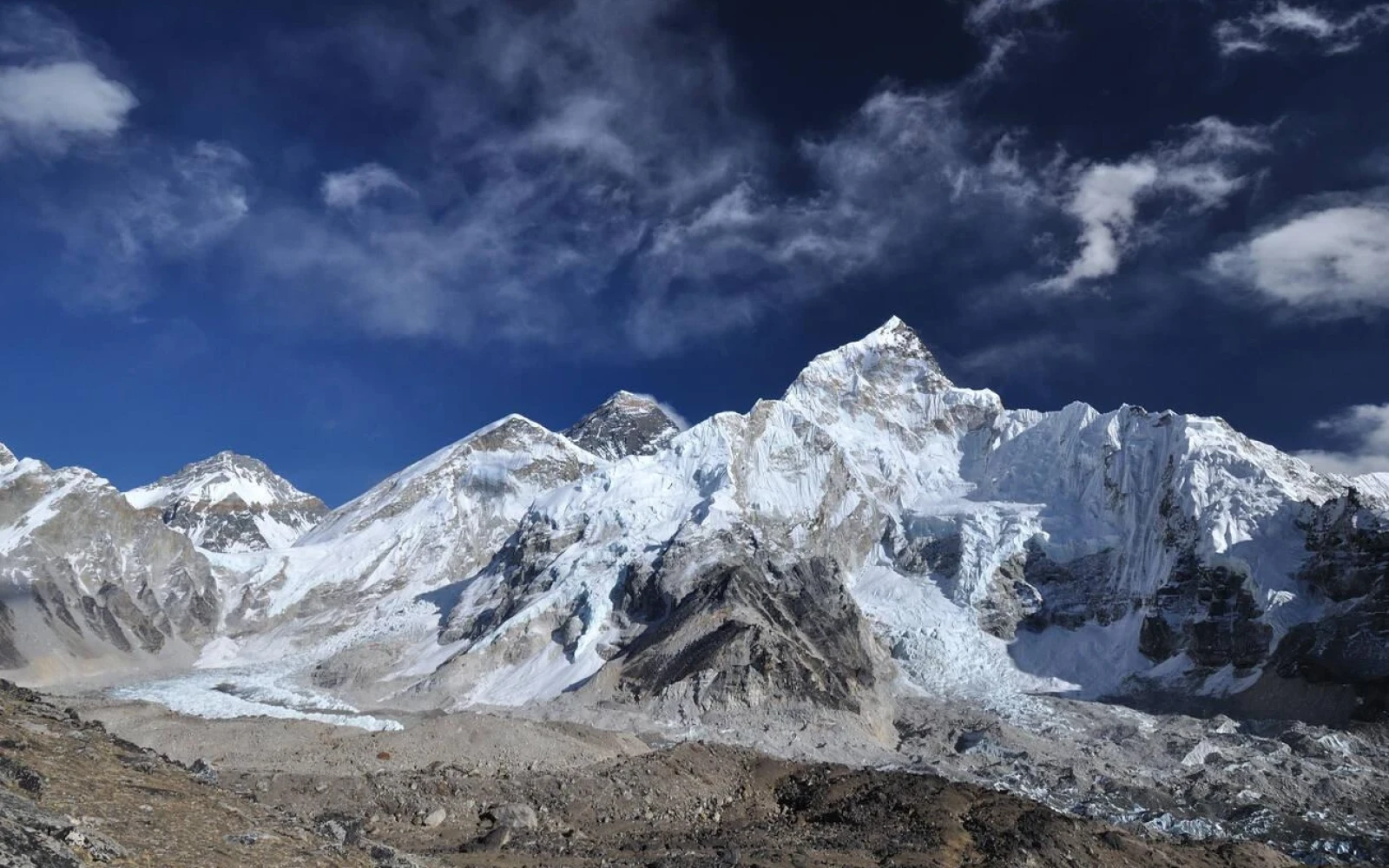
The Everest Base Camp trek is a high-altitude journey that demands careful planning, physical preparation, and respect for mountain conditions. The route you outlined through Lukla, Namche Bazaar, Dingboche, Lobuche, and Gorakshep follows the classic approach into the Khumbu region, where altitude gradually increases, and acclimatization becomes essential for safety and success. Each day brings changing landscapes, from lush forests to stark alpine terrain and finally to the glacial environment near Everest Base Camp.
Success on this trek is less about speed and more about steady progress and smart decision-making. Many trekkers underestimate altitude sickness, weather shifts, and fatigue. Choosing a reliable trekking operator such as Nepal Journey Travels ensures proper logistics, experienced guides, and emergency support, which significantly improves both safety and overall experience.
Top Tips for a Safe Trek:
The Everest Base Camp trek is widely considered one of the most iconic trekking experiences in the world. It offers a rare combination of natural beauty, cultural richness, and personal challenge. From the bustling streets of Kathmandu to the serene monasteries of Tengboche and the icy landscapes near the Khumbu Glacier, every stage of the journey feels unique and meaningful.
What makes this trek truly special is not just reaching Base Camp at 5,364 meters, but the entire experience of walking through Sherpa villages, crossing suspension bridges, and witnessing Himalayan giants like Ama Dablam and Lhotse. With proper guidance from Nepal Journey Travels, trekkers can focus on the experience while logistics, safety, and route management are professionally handled.
Key Highlights of the Journey:
Your 15-day itinerary follows the classic Everest Base Camp trekking route, carefully designed to balance trekking distance and acclimatization. The journey begins with a flight to Lukla and gradually ascends through Phakding and Namche Bazaar, where trekkers start adjusting to higher altitudes. From there, the trail continues through Tengboche and Dingboche, offering stunning views and important rest opportunities.
As the trek progresses beyond Dingboche, the landscape becomes more rugged, and the altitude gain becomes more significant. Stops at Lobuche and Gorakshep serve as the final staging points before reaching Everest Base Camp. The return journey follows the same route, allowing for safer descent and better recovery. This circular approach is standard for high-altitude trekking safety.
Route Breakdown Highlights:
Timing plays a critical role in the success of your Everest Base Camp journey. The best trekking seasons are spring (March to May) and autumn (September to November). During these periods, the weather is more stable, the skies are clearer, and mountain views are at their best. These conditions also make Lukla flights more reliable, reducing the chances of delays.
Winter trekking is possible but extremely cold, especially at higher elevations like Lobuche and Gorakshep. Monsoon season (June to August) is generally avoided due to heavy rainfall, slippery trails, and limited visibility. Planning your trek with Nepal Journey Travels helps ensure you choose the right season based on your schedule, fitness level, and trekking preferences.
Best Season Tips:
Preparing your body for the Everest Base Camp trek is essential because the journey involves long walking days, steep ascents, and thin air at higher elevations. Even though the trek does not require technical climbing skills, a good level of cardiovascular fitness and leg strength makes a major difference in comfort and safety. Training at least 6–8 weeks before departure can significantly improve endurance and reduce fatigue on the trail.
The terrain from Lukla to Kala Patthar gradually increases in difficulty, and your body must adapt to walking 5–7 hours daily at altitude. Trekkers who prepare well tend to enjoy the experience more and recover faster each day. With guidance from Nepal Journey Travels, you can also receive pre-trek fitness advice tailored to your experience level.
Top Fitness Tips:
Mental strength is just as important as physical fitness on the Everest Base Camp trek. The journey includes long trekking days, basic accommodation, changing weather, and physical discomfort at high altitude. Staying positive and adaptable helps you handle unexpected challenges such as delays, fatigue, or reduced appetite.
Many trekkers underestimate the psychological aspect of high-altitude trekking. However, maintaining motivation and patience ensures you enjoy the journey rather than just focusing on the destination. With the support of experienced guides from Nepal Journey Travels, trekkers gain confidence and emotional support throughout the trail.
Mental Preparation Tips:
Proper gear is crucial for safety and comfort on the Everest Base Camp trek. Weather conditions can change quickly, from warm sunny days in lower regions to freezing temperatures near Gorakshep. Layered clothing, good trekking boots, and a reliable backpack are essential for adapting to these variations.
Carrying the right equipment ensures you are prepared for cold nights, strong winds, and long walking hours. Overpacking should be avoided, as heavy loads increase fatigue. Nepal Journey Travels guides essential gear to help trekkers pack smart and travel light.
Essential Packing List:
Acclimatization is one of the most important factors for a safe Everest Base Camp trek. As you ascend above 3,000 meters, oxygen levels decrease, and the risk of altitude sickness increases. Proper acclimatization days in places like Namche Bazaar and Dingboche allow your body to adjust gradually and safely.
Ignoring acclimatization can lead to serious health risks, including headaches, nausea, and dizziness. The itinerary designed by Nepal Journey Travels follows a gradual ascent pattern specifically to reduce these risks and ensure a safer trekking experience.
Acclimatization Tips:
Trekking to Everest Base Camp requires several official permits because the route passes through protected areas within the Khumbu region. These regulations are designed to preserve the environment, support local communities, and ensure trekker safety. Without the correct permits, entry into checkpoints along the route is not allowed, so proper documentation is essential before starting the journey.
Most trekkers need permits issued through authorized agencies or registered trekking companies. When you travel with Nepal Journey Travels, all required permits are arranged in advance, saving time and avoiding complications at entry points like Lukla and Monjo.
Key Permit Requirements:
Selecting a reliable trekking company or guide is one of the most important decisions for a safe Everest Base Camp journey. A professional guide not only leads the route but also monitors altitude health, manages logistics, and provides cultural insight throughout the trek. Poor guidance can lead to safety risks, mismanagement of acclimatization, and unnecessary stress.
A trusted operator like Nepal Journey Travels ensures experienced licensed guides, properly planned itineraries, and emergency support if needed. This allows trekkers to focus on the experience while all operational challenges are handled professionally.
Tips for Choosing the Right Company:
Food and hydration play a major role in maintaining energy levels during the Everest Base Camp trek. Teahouses along the route provide a variety of meals, but options become more limited as altitude increases. Eating nutritious, high-energy food helps maintain stamina during long trekking days.
Water safety and hygiene are equally important. Drinking untreated water can lead to illness, so purification methods are necessary. With support from Nepal Journey Travels, trekkers are guided on safe eating and drinking practices throughout the journey.
Food & Hygiene Tips:
The weather in the Everest region can change rapidly, especially at higher elevations. Clear mornings can turn into windy or snowy conditions within hours, affecting visibility and trail safety. Proper preparation and awareness of weather forecasts help trekkers avoid dangerous situations.
Trail conditions also vary, with steep ascents, rocky paths, suspension bridges, and glacier zones near Gorakshep. Following guide instructions and trekking cautiously reduces risks significantly. Nepal Journey Travels ensures that trekkers are updated on weather conditions and guided safely through all challenging sections.
Safety Tips for Weather & Trails:
Planning a proper budget for the Everest Base Camp trek is important because costs can vary depending on services, comfort level, and season. Expenses include permits, flights to Lukla, accommodation, meals, guide and porter services, and personal gear. While it is possible to trek on a moderate budget, proper planning ensures safety and comfort throughout the journey.
Working with a trusted operator like Nepal Journey Travels helps you understand clear cost breakdowns and avoid hidden expenses. A well-planned budget also ensures you are prepared for emergencies, tips, and personal spending along the route.
Budgeting Tips:
The Khumbu region is home to the Sherpa community, who follow deeply rooted Buddhist traditions and a peaceful mountain lifestyle. Respecting local culture is an important part of the trekking experience. Visitors are expected to behave respectfully in monasteries, villages, and sacred sites along the route.
Understanding cultural etiquette not only shows respect but also enriches your journey. With guidance from Nepal Journey Travels, trekkers learn how to interact respectfully with locals and participate in cultural experiences safely and meaningfully.
Cultural Etiquette Tips:
Many trekkers face difficulties not because of the terrain, but due to avoidable mistakes. Rushing the ascent, ignoring altitude symptoms, and carrying unnecessary weight are some of the most common errors. These mistakes can lead to exhaustion, altitude sickness, or an incomplete trek.
Being aware of these issues in advance helps ensure a smoother and safer journey. With proper planning and support from Nepal Journey Travels, trekkers can avoid these pitfalls and focus on enjoying the adventure.
Common Mistakes to Avoid:
The Everest Base Camp trek is a rewarding challenge that requires preparation, patience, and awareness. Success depends on balancing physical fitness, mental strength, proper gear, and respect for altitude. Every step taken with caution brings you closer to an unforgettable Himalayan experience.
Choosing experienced support from Nepal Journey Travels ensures that your journey is well-organized, safe, and enjoyable. Their expertise helps you focus on the adventure while they manage logistics, safety, and guidance throughout the trek.
Final Success Tips:
Reaching Everest Base Camp is more than a trek—it is a life-changing journey through some of the most breathtaking landscapes on Earth. From the vibrant streets of Kathmandu to the icy wilderness near the world’s highest peak, every moment is filled with challenge, beauty, and discovery.
With proper preparation, awareness, and support from Nepal Journey Travels, your dream of standing at the foot of Mount Everest becomes a safe and achievable reality. It is not just about reaching Base Camp, but about experiencing the Himalayas in their purest and most inspiring form.
Key Takeaways:
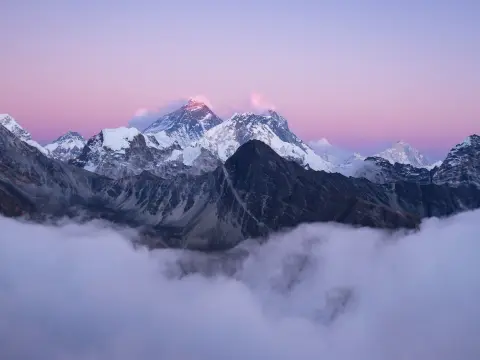
Discover the best things to do in Nepal in this complete Nepal travel guide. From Everest Base Camp trekking and cultural tours in Kathmandu to Chitwan jungle safaris and Pokhara adventures, explore why Nepal is one of the world’s most unforgettable travel destinations.
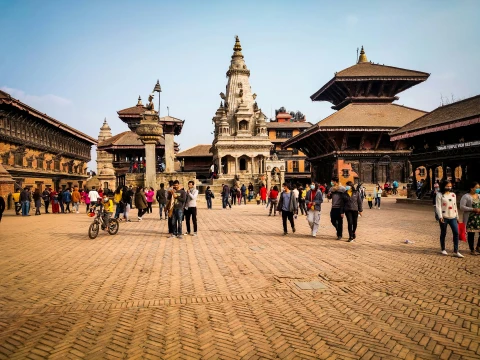
Nepal, a land of breathtaking mountains, rich culture, and diverse wildlife, continues to captivate travelers from around the world. Known as the “Roof of the World,” this Himalayan nation offers everything from serene lakes and lush jungles to bustling cities and spiritual retreats. In 2026, Nepal promises a unique combination of adventure
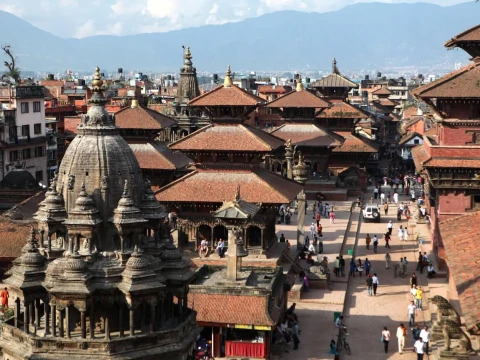
Nepal offers a rare blend of natural grandeur, cultural depth, and curated comfort that makes it increasingly attractive for luxury family travel. From the Himalayan viewpoints of Nagarkot to the wildlife-rich jungles of Chitwan and the serene lakes of Pokhara, each destination delivers a distinct experience designed for both relaxation and discovery.