Quick Inquiry
+977-9761800324
Email
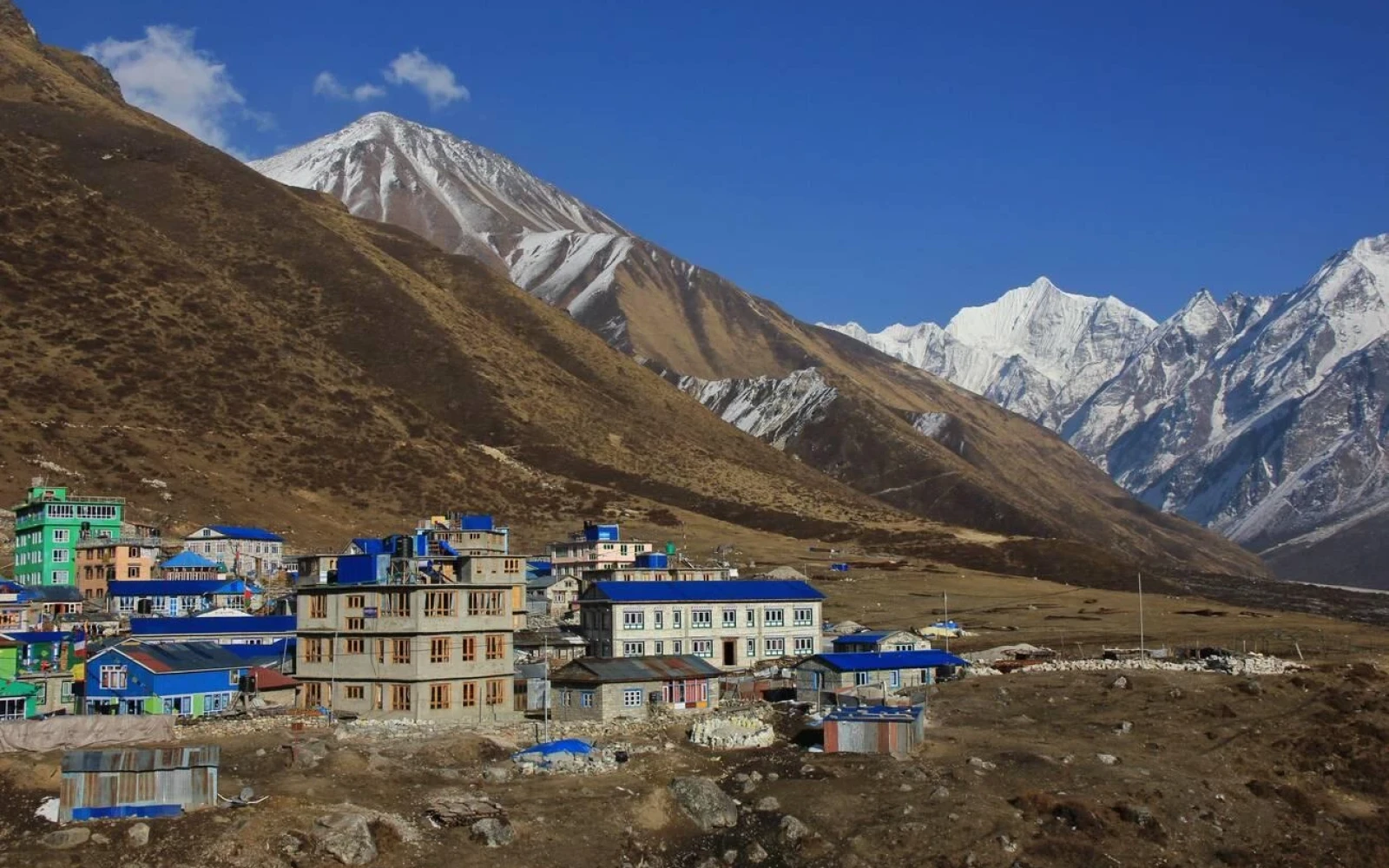
The Langtang Valley Trek is one of Nepal’s most beautiful and culturally rich Himalayan adventures, offering a perfect combination of spectacular mountain scenery, traditional villages, diverse landscapes, and authentic local experiences. Organized by Nepal Journey Travels, this trek takes you deep into the Langtang region, where travelers can enjoy peaceful trails, stunning views of snow-covered peaks, and warm hospitality from the local Tamang communities.
Located north of Kathmandu near the Tibetan border, Langtang Valley is often called the “Valley of Glaciers” because of its impressive Himalayan landscapes and surrounding peaks. The trek is ideal for those who want to experience the beauty of the Himalayas without the heavy crowds found on some of Nepal’s more famous trekking routes.
Key Highlights of Langtang Valley Trek:
The Langtang Valley Trek is a remarkable Himalayan journey that combines natural beauty, cultural exploration, and adventure. Unlike many other trekking regions of Nepal, Langtang offers a peaceful environment where trekkers can experience untouched landscapes and traditional mountain lifestyles while being close to Kathmandu.
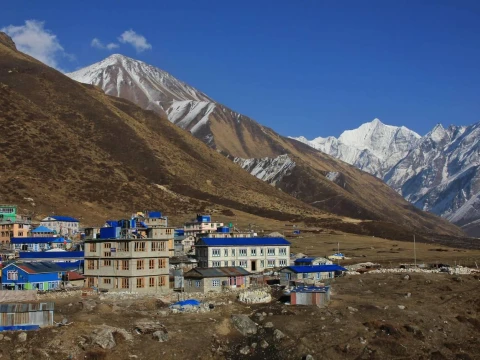
The trail begins with a scenic drive from Kathmandu to Syabrubesi and continues through lush forests, charming villages, and alpine landscapes toward Kyanjin Gompa. Along the way, trekkers experience the unique traditions of the Tamang people, ancient monasteries, prayer flags, and breathtaking mountain views.
Why Langtang Valley is One of Nepal’s Most Rewarding Trekking Destinations
Langtang Valley provides an excellent balance of adventure and comfort. The moderate trekking distance, beautiful scenery, and cultural richness make it one of the best choices for travelers looking for an authentic Himalayan experience.
Main reasons Langtang Valley stands out:
Overview of the Trek’s Natural Beauty, Culture, and Adventure
The trek passes through Langtang National Park, where trekkers can witness beautiful forests filled with rhododendron, bamboo, and pine trees. The region is also home to wildlife such as red pandas, Himalayan black bears, and various bird species.
Along with natural beauty, the trek provides a deep cultural experience. Villages along the route showcase traditional stone houses, Buddhist monasteries, and the unique lifestyle of the Tamang community, making the journey more meaningful and memorable.
Experiences you can enjoy during the trek:
The Langtang Valley Trek is a perfect choice for travelers who want a complete Himalayan experience within a shorter timeframe. Compared to longer trekking routes like Everest Base Camp or Annapurna Circuit, Langtang provides incredible mountain scenery and cultural experiences with less time commitment.
With Nepal Journey Travels, trekkers can enjoy a professionally organized journey with experienced guides, comfortable arrangements, and local knowledge that helps make the trek safe, enjoyable, and unforgettable.
Stunning Mountain Views and Himalayan Landscapes
One of the biggest attractions of the Langtang Valley Trek is its breathtaking mountain scenery. Throughout the journey, trekkers enjoy panoramic views of impressive Himalayan peaks, including Langtang Lirung, which dominates the valley with its dramatic presence.
The changing landscapes create a unique trekking experience, from green forests and rivers to rocky alpine terrain and glacier viewpoints.
Mountain and landscape highlights:
Rich Tamang Culture and Traditional Villages
The Langtang region is mainly inhabited by the Tamang people, whose culture has strong Tibetan influences. During the trek, visitors can experience traditional lifestyles, Buddhist beliefs, local festivals, and ancient customs passed through generations.
The villages along the route provide opportunities to interact with local families and understand Himalayan traditions beyond the mountain scenery.
Cultural highlights include:
Less Crowded Trekking Experience Compared to Everest and Annapurna
While Everest and Annapurna are globally famous trekking destinations, Langtang offers a quieter and more peaceful experience. The trails are less crowded, allowing trekkers to enjoy nature, scenery, and local culture in a more relaxed environment.
This peaceful atmosphere makes Langtang an excellent option for travelers who prefer authentic experiences away from busy trekking routes.
A Perfect Trek for Beginners and Experienced Trekkers
The Langtang Valley Trek is suitable for a wide range of trekkers. Beginners can enjoy the well-established trails and manageable trekking distances, while experienced hikers can explore additional challenges such as climbing Tserko Ri.
Why it suits different trekkers:
Choosing the right season is an important part of planning a successful Langtang Valley Trek. The region experiences different weather conditions throughout the year, and each season offers a unique trekking experience. With proper preparation and guidance from Nepal Journey Travels, trekkers can enjoy the beauty of Langtang Valley in any suitable season.
The best trekking seasons are generally spring and autumn because of stable weather, clear mountain views, and comfortable walking conditions. However, winter and monsoon seasons also have their own attractions for travelers who prefer quieter trails and different Himalayan experiences.
Spring Season (March–May): Flowers, Clear Views, and Pleasant Weather
Spring is one of the most popular seasons for the Langtang Valley Trek. During this period, the hills become colorful with blooming rhododendron flowers, and the weather remains comfortable for trekking. The clear skies provide excellent views of Langtang Lirung and surrounding Himalayan peaks.
The warmer temperatures make walking easier, especially at higher elevations. Trekkers can enjoy beautiful forests, fresh mountain air, and vibrant landscapes while experiencing the natural beauty of Langtang National Park.
Highlights of spring trekking:
Autumn Season (September–November): Best Visibility and Trekking Conditions
Autumn is considered the best season for the Langtang Valley Trek because of stable weather, clear skies, and excellent visibility. After the monsoon season, the atmosphere becomes fresh and clean, offering some of the best mountain views of the year.
This season is highly recommended by Nepal Journey Travels for travelers who want the most comfortable trekking experience. The trails are dry, the temperatures are pleasant, and the views of snow-covered peaks are spectacular.
Advantages of autumn trekking:
Winter and Monsoon Trekking Considerations
Winter (December–February) brings colder temperatures and snowfall, especially at higher elevations. Although the trek is still possible, trekkers need proper warm clothing and preparation for cold conditions. The advantage of winter trekking is fewer crowds and peaceful mountain surroundings.
The monsoon season (June–August) brings heavy rainfall, which can make trails slippery and increase the possibility of landslides in some areas. However, the valley remains green and beautiful, and experienced trekkers who are prepared can still enjoy the journey.
Winter and monsoon considerations:
The Langtang Valley Trek is a scenic Himalayan journey that begins from Kathmandu and takes travelers through beautiful mountain landscapes, traditional villages, and peaceful alpine environments. The route follows the Langtang River valley, gradually gaining altitude until reaching Kyanjin Gompa, one of the most beautiful destinations in the region.
Organized by Nepal Journey Travels, the route is carefully planned to provide proper acclimatization, comfortable walking distances, and enough time to explore the natural and cultural highlights of Langtang Valley.
Kathmandu to Syabrubesi Journey
The adventure begins with a scenic drive from Kathmandu to Syabrubesi, the gateway village of the Langtang region. The road journey offers views of countryside landscapes, rivers, terraced farms, and Himalayan foothills.
Syabrubesi is a beautiful mountain settlement located at approximately 1,550 meters and serves as the starting point for the trekking adventure.
Kathmandu to Syabrubesi highlights:
Trekking Route from Syabrubesi to Kyanjin Gompa
The trekking section begins from Syabrubesi and follows a gradual uphill trail through forests, suspension bridges, and traditional settlements. The route passes through Lama Hotel, Langtang Village, and finally reaches Kyanjin Gompa at around 3,870 meters.
Each day brings new scenery, from dense forests filled with wildlife to open mountain landscapes surrounded by impressive Himalayan peaks.
Major trekking stops include:
Exploring Kyanjin Gompa and Surrounding Viewpoints
Kyanjin Gompa is the final destination of the main trekking route and is one of the most rewarding places in Langtang Valley. Surrounded by mountains and glaciers, this peaceful village provides incredible views and opportunities for exploration.
Trekkers can hike to viewpoints such as Tserko Ri, which offers panoramic views of Langtang Lirung and surrounding peaks.
Kyanjin Gompa experiences:
Return Journey to Kathmandu
After exploring Kyanjin Gompa and completing the high-altitude viewpoint hike, trekkers begin their return journey. The trail follows the same route back through Lama Hotel and Syabrubesi before driving back to Kathmandu.
The return journey provides another opportunity to enjoy the landscapes from a different perspective and reflect on the unforgettable Himalayan experience.
Return journey highlights:
The Langtang Valley Trek itinerary is designed to provide a comfortable and enjoyable Himalayan experience while allowing enough time for acclimatization and exploration. The standard 9-day itinerary combines scenic drives, moderate trekking days, cultural experiences, and breathtaking mountain views.
With Nepal Journey Travels, every part of the journey is organized carefully, including transportation, trekking arrangements, experienced guides, and necessary support to make your adventure safe and enjoyable.
Day 1: Drive from Kathmandu to Syabrubesi (1,550m)
The journey begins with a scenic drive from Kathmandu to Syabrubesi, passing through beautiful hills, rivers, and rural settlements. The road offers a first glimpse of Nepal’s countryside and mountain lifestyle.
After reaching Syabrubesi, trekkers prepare for the upcoming Himalayan adventure while enjoying the peaceful atmosphere of this traditional mountain village.
Day 1 highlights:
Day 2–5: Trek Through Forests, Villages, and Mountain Landscapes
The trekking days take you through diverse landscapes, including lush forests, riverside trails, traditional villages, and alpine environments. The route gradually climbs higher while allowing time for proper acclimatization.
Trekkers pass through Lama Hotel and Langtang Village before reaching Kyanjin Gompa. Along the way, you can experience Tamang culture, local hospitality, and stunning Himalayan scenery.
Trekking highlights:
Day 6: Explore Kyanjin Gompa and Nearby Viewpoints
Day 6 is dedicated to exploring the beautiful surroundings of Kyanjin Gompa. Trekkers can hike to Tserko Ri, one of the most popular viewpoints in Langtang Valley, offering breathtaking panoramic views of the Himalayas.
This day provides one of the greatest highlights of the entire trek, combining adventure, natural beauty, and unforgettable mountain scenery.
Exploration highlights:
Final Days: Return Trek and Drive Back to Kathmandu
After completing the exploration of Kyanjin Gompa, trekkers descend through the same beautiful valley route. The return journey allows travelers to enjoy the landscapes once again while gradually moving toward lower elevations.
The trek concludes with a drive from Syabrubesi back to Kathmandu, where travelers can relax and celebrate the successful completion of their Langtang Valley adventure with Nepal Journey Travels.
Final journey highlights:
The Langtang Valley Trek is considered a moderate-level Himalayan trek that is suitable for travelers who have a reasonable level of fitness and a willingness to walk several hours each day. Unlike technical climbing adventures, this trek does not require mountaineering skills, but the increasing altitude and changing terrain require proper preparation.
With professional planning and support from Nepal Journey Travels, trekkers can complete the journey comfortably by following a gradual pace, maintaining good hydration, and allowing enough time for acclimatization. The trek offers a perfect balance between adventure and accessibility, making it one of Nepal’s most popular trekking routes.
Trekking Distance and Daily Walking Hours
The total trekking distance of the Langtang Valley Trek varies depending on the exact itinerary and side trips, but the standard route covers approximately 60–80 kilometers. Most trekking days involve walking between 5 to 7 hours, with some shorter and more challenging days depending on altitude and terrain.
The trail includes forest paths, stone steps, uphill climbs, suspension bridges, and rocky mountain trails. Trekkers should be prepared for continuous walking while enjoying the changing landscapes from lowland forests to high Himalayan environments.
Trekking details include:
Altitude Challenges and Acclimatization
Altitude is one of the main factors to consider during the Langtang Valley Trek. The highest point of the journey is Tserko Ri, located at approximately 5,000 meters, where trekkers may experience reduced oxygen levels and colder conditions.
Proper acclimatization is essential for a safe and enjoyable trek. The itinerary includes gradual altitude gain, allowing the body to adjust naturally. The experienced trekking team of Nepal Journey Travels focuses on safe pacing and monitoring trekkers throughout the journey.
Altitude preparation tips:
Fitness Requirements for Trekkers
A good level of physical fitness helps trekkers enjoy the Langtang Valley experience more comfortably. Regular walking, hiking, jogging, cycling, or cardio exercises before the trek can improve stamina and endurance.
Trekkers do not need professional athletic ability, but they should be prepared for several days of continuous walking in mountainous terrain.
Recommended preparation:
Is Langtang Suitable for Beginners?
Yes, the Langtang Valley Trek is suitable for beginners who are physically prepared and mentally ready for a Himalayan adventure. The route is shorter and less crowded compared to some major trekking routes, while still offering incredible mountain views and cultural experiences.
Many first-time trekkers choose Langtang because it provides a rewarding introduction to Himalayan trekking without requiring advanced technical skills.
Why beginners can choose Langtang:
Before starting the Langtang Valley Trek, trekkers must obtain the necessary permits required by the Nepal government and conservation authorities. These permits help protect the natural environment, manage trekking activities, and support conservation work in the Langtang region.
Nepal Journey Travels assists trekkers with the required documentation and permit arrangements, ensuring a smooth beginning to the trekking adventure without unnecessary delays.
Langtang National Park Entry Permit
The Langtang Valley Trek takes place inside Langtang National Park, Nepal’s first Himalayan national park established to protect unique mountain ecosystems, wildlife, and natural landscapes. Every trekker entering the area must have a valid Langtang National Park entry permit.
This permit supports conservation activities and helps maintain trekking trails, forests, and biodiversity within the protected area.
Langtang National Park permit information:
TIMS Card Requirements
The Trekkers’ Information Management System (TIMS) card is another important requirement for many trekking routes in Nepal. It helps maintain trekker records, improve safety systems, and provide assistance during emergencies.
Depending on updated government regulations, TIMS requirements and procedures may change. Nepal Journey Travels provides updated guidance and helps trekkers complete the necessary formalities before departure.
TIMS card purposes:
Where and How to Obtain Trekking Permits
Trekking permits can be obtained through authorized tourism offices, trekking agencies, or official permit counters in Nepal. Most international trekkers prefer arranging permits through a registered trekking company for convenience.
With Nepal Journey Travels, all required permits are prepared before starting the trek, allowing travelers to focus on enjoying the Himalayan journey.
Permit arrangement process:
Accommodation during the Langtang Valley Trek is mainly provided by traditional tea houses and mountain lodges located along the trekking route. These accommodations offer a simple yet comfortable place to rest after a day of walking through the Himalayan landscapes.
With Nepal Journey Travels, trekkers receive guidance in selecting suitable tea houses and arranging comfortable stays based on availability and location along the route.
Tea Houses and Lodges Along the Route
Tea houses are family-run mountain lodges that provide basic accommodation and meals for trekkers. They are an important part of Nepal’s trekking culture and allow visitors to experience local hospitality.
The Langtang route has tea houses in major overnight stops such as Syabrubesi, Lama Hotel, Langtang Village, and Kyanjin Gompa.
Tea house features:
Room Facilities and Availability
Most tea houses provide simple rooms with twin beds, mattresses, pillows, and blankets. Facilities become more basic at higher elevations, especially near Kyanjin Gompa, where mountain conditions are more challenging.
During peak trekking seasons, accommodations can become busy, so advance planning through Nepal Journey Travels is recommended to secure suitable rooms.
Typical room facilities:
What to Expect Regarding Food, Electricity, and Internet
Tea houses along the Langtang Valley Trek serve a variety of meals designed to provide energy for trekking. Popular options include traditional Nepali dishes, Tibetan-style food, noodles, soups, rice, and simple international meals.
Electricity and internet access are available in many villages, but services may become limited at higher elevations. Trekkers should be prepared for slower connections and occasional power interruptions.
Facilities during the trek:
Food and drinking water are important parts of a successful Langtang Valley Trek. The tea houses and lodges along the route provide fresh, nutritious, and energy-rich meals to support trekkers during long walking days. With the guidance of Nepal Journey Travels, trekkers can enjoy safe meal arrangements while experiencing authentic Himalayan cuisine and local hospitality.
The food options in Langtang Valley combine traditional Nepali dishes with popular trekking meals. Although facilities become simpler at higher elevations, tea houses provide enough variety to keep trekkers energized throughout the journey.
Popular Nepali and Trekking Meals
During the trek, trekkers can enjoy traditional Nepali meals along with common international trekking dishes. The famous Nepali meal Dal Bhat (rice, lentils, vegetables, and curry) is one of the most popular choices because it provides enough energy for long trekking days.
Tea houses also prepare simple but delicious meals such as noodles, soups, pasta, bread, eggs, pancakes, and snacks. These meals are prepared using locally available ingredients and provide comfort after a day of mountain walking.
Popular food options include:
Vegetarian and Dietary Options
Vegetarian food is widely available throughout the Langtang Valley Trek. Many tea houses prepare fresh vegetable dishes, rice, noodles, soups, and other vegetarian meals for trekkers. Travelers with specific dietary requirements should inform their trekking company in advance.
Nepal Journey Travels can help communicate food preferences with local lodges and make suitable arrangements whenever possible. However, trekkers with strict dietary restrictions should carry some personal snacks or supplements as additional support.
Dietary considerations:
Safe Drinking Water Options and Purification Methods
Staying hydrated is essential during the Langtang Valley Trek, especially at higher elevations. Drinking water is available at tea houses, natural sources, and local shops, but trekkers should always ensure that water is properly treated before consumption.
Bottled water is available in some areas, but using refillable bottles and purification methods is a more environmentally friendly option. Many trekkers use water purification tablets, filters, or portable purification systems.
Safe drinking water options:
Water safety tips:
A well-prepared packing list is essential for a comfortable and safe Langtang Valley Trek. The weather in the Himalayas can change quickly, so trekkers need suitable clothing, equipment, and personal items for different conditions.
With support from Nepal Journey Travels, trekkers receive proper preparation guidance to ensure they bring necessary items without carrying unnecessary weight. A balanced backpack helps make the trekking experience more enjoyable.
Essential Trekking Clothing
The Langtang Valley Trek passes through different climate zones, from warm lower valleys to cold alpine areas. Layering clothing is the best approach because it allows trekkers to adjust to changing temperatures throughout the day.
Recommended clothing items:
Hiking Gear and Footwear
Proper trekking gear helps protect your feet, improve comfort, and reduce fatigue during long walking days. Good-quality footwear is especially important because the trail includes rocky paths, stairs, and uneven terrain.
Essential hiking gear includes:
Personal Items and Travel Essentials
Personal items are necessary for hygiene, comfort, and convenience during the trek. Since mountain facilities are basic compared to cities, trekkers should bring essential personal supplies.
Personal essentials include:
Recommended Backpack Checklist
Packing light but smart is important for enjoying the trek. A heavy backpack can make uphill walking more difficult, so trekkers should carry only necessary items and organize their belongings properly.
Backpack checklist:
Altitude sickness is one of the main concerns during any Himalayan trek, including the Langtang Valley Trek. As the trail reaches higher elevations, the amount of oxygen decreases, and some trekkers may experience difficulty adjusting to the altitude.
With proper preparation, gradual ascent, and support from experienced guides of Nepal Journey Travels, most trekkers can safely complete the journey. Understanding altitude-related risks and following safety guidelines are important for a successful trekking experience.
Symptoms of Altitude Sickness
Altitude sickness, also known as Acute Mountain Sickness (AMS), can occur when the body has difficulty adapting to higher elevations. Symptoms may appear after ascending too quickly and should never be ignored.
Common symptoms include:
Prevention and Acclimatization Strategies
The best way to prevent altitude sickness is to allow the body enough time to adjust. The Langtang Valley Trek itinerary is designed with gradual elevation gain, allowing trekkers to acclimatize naturally.
Maintaining a slow pace, drinking enough water, and taking proper rest are essential for staying healthy at altitude.
Altitude prevention tips:
Emergency Precautions During the Trek
Safety is the top priority during the Langtang Valley Trek. Although serious altitude problems are uncommon when proper precautions are followed, trekkers should always be prepared for unexpected situations.
The experienced guides at Nepal Journey Travels monitor trekkers’ health, assist when needed, and help make decisions regarding rest, descent, or emergency support.
Emergency safety measures include:
A safe and enjoyable Langtang Valley Trek depends on preparation, awareness, and responsible trekking practices. With proper planning and support from Nepal Journey Travels, travelers can experience the beauty of the Himalayas with confidence and comfort.
The cost of the Langtang Valley Trek depends on several factors, including the length of the trek, trekking style, transportation choices, accommodation standards, and whether you choose a guide or porter service. With Nepal Journey Travels, travelers receive a well-organized trekking package that includes essential services while providing flexibility according to different budgets and preferences.
Compared to other popular Himalayan treks in Nepal, the Langtang Valley Trek is considered a reasonably affordable trekking option. The shorter duration, easy access from Kathmandu, and availability of tea houses help keep the overall cost manageable while still offering incredible mountain experiences.
Transportation Expenses
Transportation is an important part of the Langtang Valley Trek budget because the journey begins and ends with a road trip between Kathmandu and Syabrubesi. Most trekkers travel by private vehicle or local bus, depending on their budget and comfort preferences.
Nepal Journey Travels arranges reliable transportation options to ensure a comfortable and safe journey to the trekking starting point and back to Kathmandu after completing the adventure.
Transportation costs generally include:
Permit Fees
Trekkers need official permits before entering the Langtang region. These permits contribute to conservation, trail maintenance, and management of trekking activities inside protected areas.
The main permits required for the Langtang Valley Trek include the Langtang National Park entry permit and other necessary trekking documentation according to current regulations.
Permit-related expenses include:
Accommodation and Food Costs
Accommodation during the Langtang Valley Trek is mainly provided by tea houses and mountain lodges. The cost varies depending on location, facilities, and season. Lower villages generally offer more affordable options, while higher-altitude areas may have slightly increased prices due to transportation challenges.
Meals are available at tea houses throughout the route. The cost of food may increase at higher elevations because supplies must be transported into remote mountain areas.
Accommodation and food expenses include:
Guide and Porter Expenses
Hiring a guide and porter adds to the trekking cost but greatly improves safety, comfort, and overall experience. Local guides provide valuable knowledge about the route, culture, weather conditions, and safety procedures.
Nepal Journey Travels works with experienced local trekking professionals who help ensure a smooth and enjoyable journey.
Guide and porter costs cover:
Budget vs. Luxury Trekking Options
The Langtang Valley Trek can be customized according to different travel styles. Budget trekkers can choose simple tea house accommodation and local transportation, while travelers seeking extra comfort can select private transportation, upgraded rooms, and additional services.
Nepal Journey Travels offers flexible trekking packages designed to meet different expectations, from affordable adventures to more comfortable premium experiences.
Budget trekking may include:
Hiring a guide and porter is highly recommended for a safe and meaningful Langtang Valley Trek experience. Although the trail is well-established, local experts provide valuable support, especially when dealing with high-altitude conditions, changing weather, and unfamiliar mountain environments.
With Nepal Journey Travels, trekkers can travel with professional local guides and porters who understand the Langtang region deeply and help create a comfortable and memorable trekking experience.
Benefits of Trekking with Local Experts
Local guides bring years of experience and knowledge about the Himalayan environment. They understand the trekking routes, local culture, accommodation options, and safety requirements better than anyone.
A professional guide also helps trekkers communicate with local communities and learn more about the history and traditions of the region.
Benefits of hiring local experts:
Guide and Porter Responsibilities
Guides and porters play different but equally important roles during the trek. A guide focuses on safety, navigation, and overall coordination, while a porter helps carry trekking equipment and luggage.
The team provided by Nepal Journey Travels works together to support trekkers throughout the journey.
Guide responsibilities:
Porter responsibilities:
Independent Trekking vs. Guided Trekking
Independent trekking is possible in some areas of Langtang, but guided trekking provides additional safety, convenience, and cultural value. For first-time Himalayan trekkers, a guide can make the journey much easier and more enjoyable.
A guided trek allows travelers to focus on enjoying the scenery instead of worrying about navigation, accommodation, and unexpected challenges.
Guided trekking advantages:
The Langtang Valley Trek is not only a mountain adventure but also a cultural journey into the traditional lifestyle of the Himalayan people. The region is mainly inhabited by the Tamang community, whose culture, traditions, and Buddhist heritage create a unique atmosphere throughout the trekking route.
With Nepal Journey Travels, trekkers have opportunities to interact with local communities, visit cultural sites, and experience the warm hospitality of mountain villages while exploring the natural beauty of Langtang.
Tamang Heritage and Traditions
The Tamang people are one of Nepal’s indigenous communities with a rich cultural history influenced by Tibetan traditions. Their traditional lifestyle, language, clothing, festivals, and customs are an important part of the Langtang Valley experience.
Villages along the trekking route showcase traditional stone houses, local farming practices, and community-based lifestyles that have been preserved for generations.
Tamang cultural highlights:
Buddhist Monasteries and Prayer Flags
Buddhism plays an important role in the spiritual life of the Langtang region. Trekkers can see beautiful monasteries, prayer wheels, mani walls, and colorful prayer flags throughout the valley.
Kyanjin Gompa is one of the most important cultural highlights of the trek, offering visitors a peaceful place to learn about Himalayan Buddhist traditions.
Cultural and spiritual experiences include:
Local Lifestyle and Mountain Hospitality
Life in Langtang Valley is closely connected with nature, agriculture, and traditional mountain practices. Local people live simple but meaningful lives, welcoming visitors with kindness and genuine hospitality.
Staying in family-run tea houses allows trekkers to experience local culture directly, enjoy homemade meals, and learn about everyday life in the Himalayas.
Mountain lifestyle experiences:
The cultural richness of Langtang Valley makes the trek more than a hiking journey—it becomes an unforgettable experience of nature, tradition, and human connection with the support of Nepal Journey Travels.
The Langtang Valley Trek is filled with breathtaking natural attractions, cultural landmarks, and unforgettable Himalayan experiences. From traditional mountain villages to high-altitude viewpoints, every section of the trail offers something unique for travelers. With Nepal Journey Travels, trekkers can explore the most important destinations of Langtang Valley while enjoying a safe, comfortable, and well-organized adventure.
The route combines beautiful landscapes, ancient Buddhist heritage, and spectacular mountain scenery. Each stop along the journey provides opportunities to experience local culture, capture stunning photographs, and enjoy the peaceful atmosphere of the Himalayas.
Langtang Village
Langtang Village is one of the most important cultural and scenic destinations on the trek. Located at approximately 3,430 meters, this traditional mountain settlement offers beautiful views of surrounding peaks and provides a close look at the lifestyle of the Tamang people.
The village was rebuilt after the 2015 earthquake and continues to represent the strength and resilience of the local community. Trekkers can explore traditional houses, interact with local families, and experience authentic Himalayan hospitality.
Highlights of Langtang Village:
Kyanjin Gompa
Kyanjin Gompa is the final destination of the main Langtang Valley Trek and one of the most beautiful places in the region. Situated at around 3,870 meters, this peaceful mountain village is surrounded by glaciers, rocky peaks, and impressive Himalayan landscapes.
The area is famous for its ancient Buddhist monastery, breathtaking scenery, and access to nearby hiking destinations. Trekkers can spend time exploring the village, visiting the monastery, and enjoying the peaceful mountain environment.
Kyanjin Gompa highlights:
Tserko Ri Viewpoint
Tserko Ri is one of the most rewarding highlights of the Langtang Valley Trek. Standing at approximately 5,000 meters, this viewpoint offers incredible panoramic views of Langtang Lirung, glaciers, and surrounding Himalayan peaks.
The early morning hike to Tserko Ri is challenging but provides one of the greatest experiences of the trek. The sunrise views from the summit create unforgettable memories for trekkers.
Tserko Ri highlights:
Panoramic Himalayan Views
Throughout the Langtang Valley Trek, travelers enjoy impressive views of some of Nepal’s most beautiful Himalayan peaks. The changing landscapes provide endless opportunities to admire mountains, glaciers, forests, and valleys.
With expert planning from Nepal Journey Travels, trekkers can reach the best viewpoints and enjoy the natural beauty of the Langtang region.
Mountain views include:
The Langtang Valley Trek is a paradise for photographers because of its diverse scenery, cultural richness, and spectacular Himalayan views. From colorful villages and ancient monasteries to wildlife and mountain landscapes, every part of the journey offers amazing photography opportunities.
With proper preparation and the right equipment, trekkers can capture beautiful memories of their Himalayan adventure. Nepal Journey Travels encourages travelers to take time to enjoy and document the unique beauty of Langtang Valley.
Best Viewpoints for Mountain Photography
The best mountain photographs are usually captured during sunrise and sunset when the light creates dramatic colors across the Himalayan peaks. High viewpoints and open landscapes provide the perfect locations for capturing wide mountain panoramas.
Best photography locations include:
Capturing Villages, Wildlife, and Landscapes
Langtang offers more than mountain views. The traditional villages, local people, Buddhist monasteries, forests, and wildlife create diverse photography opportunities throughout the trek.
Respecting local culture is important when photographing people. Always ask permission before taking close-up photos of local residents.
Photography subjects to capture:
Camera and Battery Preparation
Cold temperatures and remote conditions can affect electronic equipment during the trek. Proper preparation helps ensure that cameras, phones, and other devices continue working throughout the journey.
Trekkers should plan for limited charging availability, especially at higher elevations.
Camera preparation tips:
The Langtang region is one of Nepal’s most beautiful natural areas, offering incredible biodiversity and unique Himalayan ecosystems. The trek passes through Langtang National Park, where forests, mountains, rivers, and alpine landscapes create a rich environment for many species of plants and animals.
The natural beauty of Langtang is an important part of the trekking experience. With Nepal Journey Travels, trekkers can explore the region responsibly while learning about its environment, wildlife, and conservation importance.
Langtang National Park Biodiversity
Langtang National Park protects a wide range of Himalayan ecosystems, from subtropical forests at lower elevations to alpine landscapes near the mountain peaks. The park is home to many species of plants, birds, and animals.
The changing environments along the trekking route allow visitors to experience remarkable natural diversity within a relatively short distance.
Biodiversity highlights:
Red Pandas and Himalayan Wildlife
Langtang National Park is famous for its rare wildlife, including the endangered red panda. Although these animals are difficult to spot because they are shy and live in dense forests, the possibility of seeing them adds excitement to the trekking experience.
The region is also home to other Himalayan animals adapted to mountain environments.
Wildlife found in the Langtang region:
Flora and Alpine Landscapes
The Langtang region features a wide variety of vegetation due to its changing elevations. Lower sections of the trail pass through forests of bamboo, oak, and rhododendron, while higher areas transform into alpine meadows and rocky mountain terrain.
During spring, the forests become especially beautiful with blooming rhododendron flowers, Nepal’s national flower, creating colorful trekking routes.
Natural landscape highlights:
The combination of wildlife, forests, mountains, and cultural landscapes makes Langtang Valley a complete Himalayan destination. With Nepal Journey Travels, trekkers can experience the region’s natural wonders while supporting responsible and memorable trekking adventures.
Responsible trekking is an important part of preserving the natural beauty, culture, and environment of the Langtang region. As one of Nepal’s most beautiful Himalayan destinations, Langtang Valley depends on sustainable tourism practices to protect its forests, wildlife, local traditions, and mountain communities.
With Nepal Journey Travels, trekkers are encouraged to follow responsible travel principles that minimize environmental impact while creating positive connections with local people. A responsible trek helps ensure that future generations can also experience the beauty of the Himalayas.
Protecting the Environment
The Langtang region is home to fragile mountain ecosystems, diverse wildlife, and beautiful natural landscapes. Trekkers should take care to reduce waste, protect natural resources, and respect the protected areas they travel through.
Small actions by every traveler can make a big difference in preserving the Himalayan environment.
Environmental protection practices include:
Supporting Local Communities
Tourism plays an important role in supporting the livelihoods of people living in Langtang Valley. Staying in local tea houses, hiring local guides and porters, and purchasing local products directly contribute to the mountain economy.
Nepal Journey Travels works with local communities to provide authentic trekking experiences while helping support the people who make the journey possible.
Ways to support local communities:
Sustainable Trekking Practices
Sustainable trekking focuses on balancing adventure with environmental and cultural responsibility. Trekkers should aim to leave minimal impact while enjoying the natural and cultural treasures of Langtang Valley.
Following sustainable practices helps protect the region and supports long-term tourism development.
Sustainable trekking tips:
Proper preparation is the key to enjoying a safe and successful Langtang Valley Trek. Many trekking difficulties happen because of poor planning, incorrect packing, or ignoring important safety advice.
With proper guidance from Nepal Journey Travels, trekkers can avoid common mistakes and focus on enjoying the incredible landscapes, culture, and adventure of the Himalayas.
Poor Preparation
One of the most common mistakes trekkers make is starting the journey without enough preparation. Although Langtang is a moderate trek, it still requires physical fitness, suitable equipment, and awareness of mountain conditions.
Preparing in advance helps reduce challenges and improves the overall trekking experience.
Preparation mistakes to avoid:
Ignoring Altitude Symptoms
Altitude-related problems can affect anyone, regardless of age or fitness level. Ignoring early symptoms can make conditions worse and may affect trekking safety.
Trekkers should always communicate with their guide and take necessary precautions when experiencing discomfort at higher elevations.
Avoid altitude-related mistakes:
Overpacking
Carrying too much luggage can make trekking physically challenging, especially during uphill sections. A heavy backpack increases fatigue and reduces enjoyment during long walking days.
Packing only essential items helps maintain comfort and allows easier movement on the trail.
Avoid overpacking by:
Not Planning Enough Acclimatization Time
Acclimatization is essential for adapting to higher elevations. Rushing the itinerary can increase the risk of altitude sickness and reduce the enjoyment of the trek.
A properly planned itinerary allows the body to adjust gradually while providing enough time to explore important destinations.
Acclimatization tips:
The Langtang Valley Trek is one of Nepal’s most popular trekking adventures because it offers beautiful mountain scenery, cultural experiences, and manageable trekking challenges. Below are some common questions travelers ask before planning their journey with Nepal Journey Travels.
How Many Days Does Langtang Valley Trek Take?
The standard Langtang Valley Trek usually takes around 9 days, including the drive from Kathmandu to Syabrubesi, trekking days, exploration of Kyanjin Gompa, and the return journey to Kathmandu.
The duration can be adjusted depending on your preferences, available time, and whether you want additional exploration or rest days.
Typical itinerary includes:
Is Langtang Valley Trek Difficult?
Langtang Valley Trek is considered a moderate trek. It does not require technical climbing skills, but trekkers should be prepared for several hours of walking each day and altitude changes.
Good physical preparation and a positive mindset are enough for most travelers to complete the trek successfully.
Difficulty factors include:
Can Beginners Do Langtang Trek?
Yes, beginners can complete the Langtang Valley Trek with proper preparation. The route is suitable for first-time Himalayan trekkers because it has established trails, comfortable tea houses, and moderate difficulty.
A professional guide from Nepal Journey Travels can provide additional support and confidence for beginners.
Beginner-friendly features:
What Is the Best Month for Langtang Trek?
The best months for Langtang Valley Trek are generally March to May (spring) and September to November (autumn). These seasons offer clear mountain views, comfortable weather, and excellent trekking conditions.
Best trekking seasons:
Do I Need a Guide for Langtang Valley Trek?
A guide is highly recommended for the Langtang Valley Trek, especially for first-time visitors. Local guides provide route knowledge, safety support, cultural information, and assistance with accommodation and communication.
Traveling with an experienced guide from Nepal Journey Travels helps make the journey safer, smoother, and more enjoyable.
The Langtang Valley Trek is absolutely one of Nepal’s most rewarding Himalayan adventures. It combines breathtaking mountain scenery, rich Tamang culture, peaceful trails, beautiful forests, and unforgettable experiences in a relatively short trekking itinerary.
Unlike some crowded trekking destinations, Langtang offers an authentic Himalayan experience where travelers can connect with nature, explore traditional villages, and enjoy the warmth of local communities.
Final Thoughts on the Trekking Experience
The journey through Langtang Valley is more than just a mountain walk—it is an opportunity to experience Nepal’s natural beauty and cultural heritage. From the first drive toward Syabrubesi to the breathtaking views from Tserko Ri, every moment creates lasting memories.
With careful planning and professional support from Nepal Journey Travels, trekkers can enjoy a safe, comfortable, and unforgettable Himalayan adventure.
Why Langtang Valley Trek is special:
Why Langtang Remains a Must-Visit Himalayan Destination
Langtang Valley continues to attract travelers because it offers everything people look for in a Himalayan journey: adventure, culture, nature, and breathtaking scenery. Its close location to Kathmandu, moderate difficulty, and incredible beauty make it a perfect choice for both new and experienced trekkers.
The combination of mountains, monasteries, villages, and friendly local communities makes Langtang one of Nepal’s most complete trekking destinations.
Encouragement for Planning the Adventure
Planning your Langtang Valley Trek is the first step toward experiencing one of Nepal’s most beautiful Himalayan journeys. Whether you are seeking adventure, cultural discovery, or peaceful mountain landscapes, Langtang offers an unforgettable experience.
Start preparing your journey with Nepal Journey Travels and discover the beauty, traditions, and adventure waiting in the spectacular Langtang Valley.
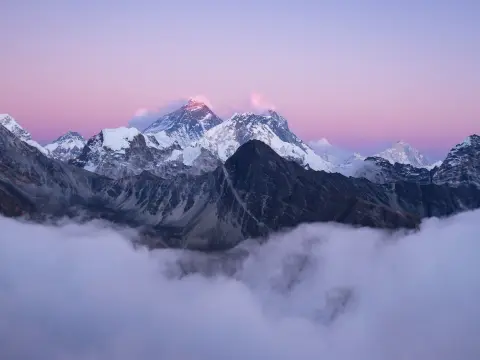
Discover the best things to do in Nepal in this complete Nepal travel guide. From Everest Base Camp trekking and cultural tours in Kathmandu to Chitwan jungle safaris and Pokhara adventures, explore why Nepal is one of the world’s most unforgettable travel destinations.
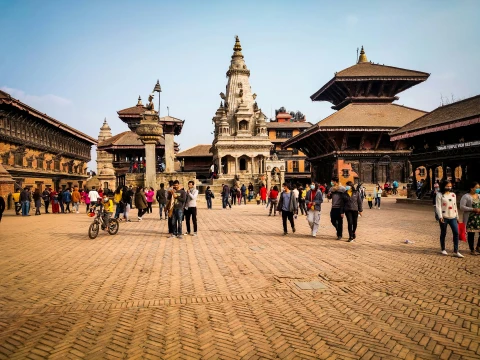
Nepal, a land of breathtaking mountains, rich culture, and diverse wildlife, continues to captivate travelers from around the world. Known as the “Roof of the World,” this Himalayan nation offers everything from serene lakes and lush jungles to bustling cities and spiritual retreats. In 2026, Nepal promises a unique combination of adventure
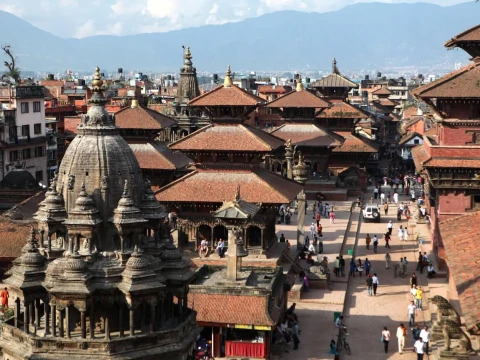
Nepal offers a rare blend of natural grandeur, cultural depth, and curated comfort that makes it increasingly attractive for luxury family travel. From the Himalayan viewpoints of Nagarkot to the wildlife-rich jungles of Chitwan and the serene lakes of Pokhara, each destination delivers a distinct experience designed for both relaxation and discovery.