
Quick Inquiry
+977-9761800324
Email
The Annapurna Base Camp (ABC) trek is one of Nepal’s most rewarding Himalayan journeys, taking you deep into the heart of the Annapurna Sanctuary. Operated by Nepal Journey Travels, this itinerary blends cultural immersion, varied landscapes, and high-altitude adventure over 13 days, starting from the bustling capital, Kathmandu, and ending with breathtaking views of Annapurna I.
The trek gradually builds altitude, allowing trekkers to experience changing ecosystems—from subtropical forests and terraced fields to alpine landscapes and glacier-fed valleys. The highlight is reaching Annapurna Base Camp at 4,130m, surrounded by towering Himalayan peaks.
Key highlights:
This journey begins in Kathmandu, a city rich in culture, temples, and mountain anticipation. After arrival and preparation, trekkers are gradually introduced to Nepal’s trekking lifestyle, including gear checks, permits, and briefing sessions organized by Nepal Journey Travels.
By the time you leave the city and head toward the mountains, the excitement builds as you transition from urban energy to Himalayan serenity. The journey is not just a trek—it is an immersion into Nepal’s natural and cultural heart.
What to expect at the start:
From Pokhara, the adventure truly begins as you drive toward Nayapul, the common gateway to the Annapurna region. This drive reveals rolling hills, rivers, and rural settlements before reaching trekking entry points like Nayapul or nearby trailheads.
The first walking segment often leads to villages like Ghandruk, where trekkers begin experiencing the Annapurna region’s culture and landscapes. Managed by Nepal Journey Travels, transport and logistics are arranged to ensure a smooth transition from road to trail.
Key journey points:
The early trekking days introduce you to charming Himalayan villages such as Ghandruk and Chhomrong. These settlements are known for stone houses, terraced farms, and warm hospitality from the Gurung community. The trails pass through rhododendron forests, suspension bridges, and scenic ridgelines.
As you ascend, the environment becomes more dramatic. Snow-capped peaks begin to appear, and the cultural richness blends seamlessly with natural beauty. Nepal Journey Travels ensures guided pacing so trekkers can enjoy both scenery and acclimatization.
What stands out early on:
A typical trekking day on the Annapurna Base Camp route follows a structured yet flexible rhythm. Trekkers usually walk 5–7 hours per day, gradually gaining altitude while staying in teahouses along the route such as at Dovan, Deurali, and Bamboo. Meals are simple, nutritious, and designed to maintain energy levels.
Life on the trail is peaceful but physically engaging. Mornings begin early, and evenings are spent resting, eating, and preparing for the next day’s ascent. With Nepal Journey Travels, guides ensure safety, pacing, and cultural insights throughout the journey.
Daily routine includes:
Typical trekking experience:
One of the most striking features of the Annapurna Base Camp trek is how dramatically the landscape transforms as you ascend. Starting from lower elevations near Nayapul and Ghandruk, the trail passes through lush subtropical forests, terraced farmland, and dense rhododendron groves. As you move higher toward the Annapurna Sanctuary, the greenery slowly gives way to rugged terrain and glacial valleys.
By the time you approach Deurali and ABC, the environment becomes stark and alpine, with fewer trees and more dramatic mountain scenery. Nepal Journey Travels ensures trekkers experience these transitions gradually, allowing time to appreciate both the biodiversity and the changing climate zones.
Key landscape changes:
The teahouse system is the heart of trekking in the Annapurna region. Along the trail, trekkers stay in small, family-run lodges offering simple accommodation and warm hospitality. Villages like Chhomrong and Bamboo are well-known stopovers where trekkers gather in communal dining halls.
Meals are freshly prepared and designed to keep energy levels high. With Nepal Journey Travels, trekkers are guided through menus and cultural etiquette, making the experience both comfortable and authentic.
What to expect in teahouses:
Common meals on the trail:
While the Annapurna Base Camp trek is considered moderate, it still presents real physical and environmental challenges. Long walking days, steep stone steps, and continuous altitude gain require a reasonable level of fitness. Weather conditions can also change quickly, especially as you approach higher camps like Deurali.
Altitude is another key factor. Although the risk of severe altitude sickness is lower than on higher expeditions, trekkers may still feel symptoms above 3,000 meters. Nepal Journey Travels emphasizes slow pacing, hydration, and proper acclimatization to ensure safety.
Common challenges include:
How to prepare:
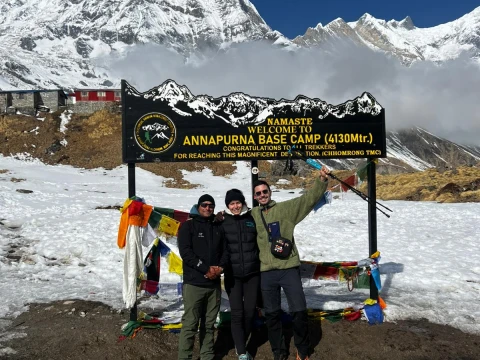
Reaching Annapurna Base Camp is the emotional peak of the journey. After days of gradual ascent through forests and valleys, the trail opens into a vast natural amphitheater surrounded by towering Himalayan giants. The final stretch from Deurali to ABC is both challenging and deeply rewarding.
As trekkers arrive at 4,130 meters, they are greeted by panoramic views of the Annapurna Sanctuary, where mountains rise dramatically on all sides. With Nepal Journey Travels, this moment is supported by experienced guides who ensure safe arrival and celebration at base camp.
Highlights of the final push:
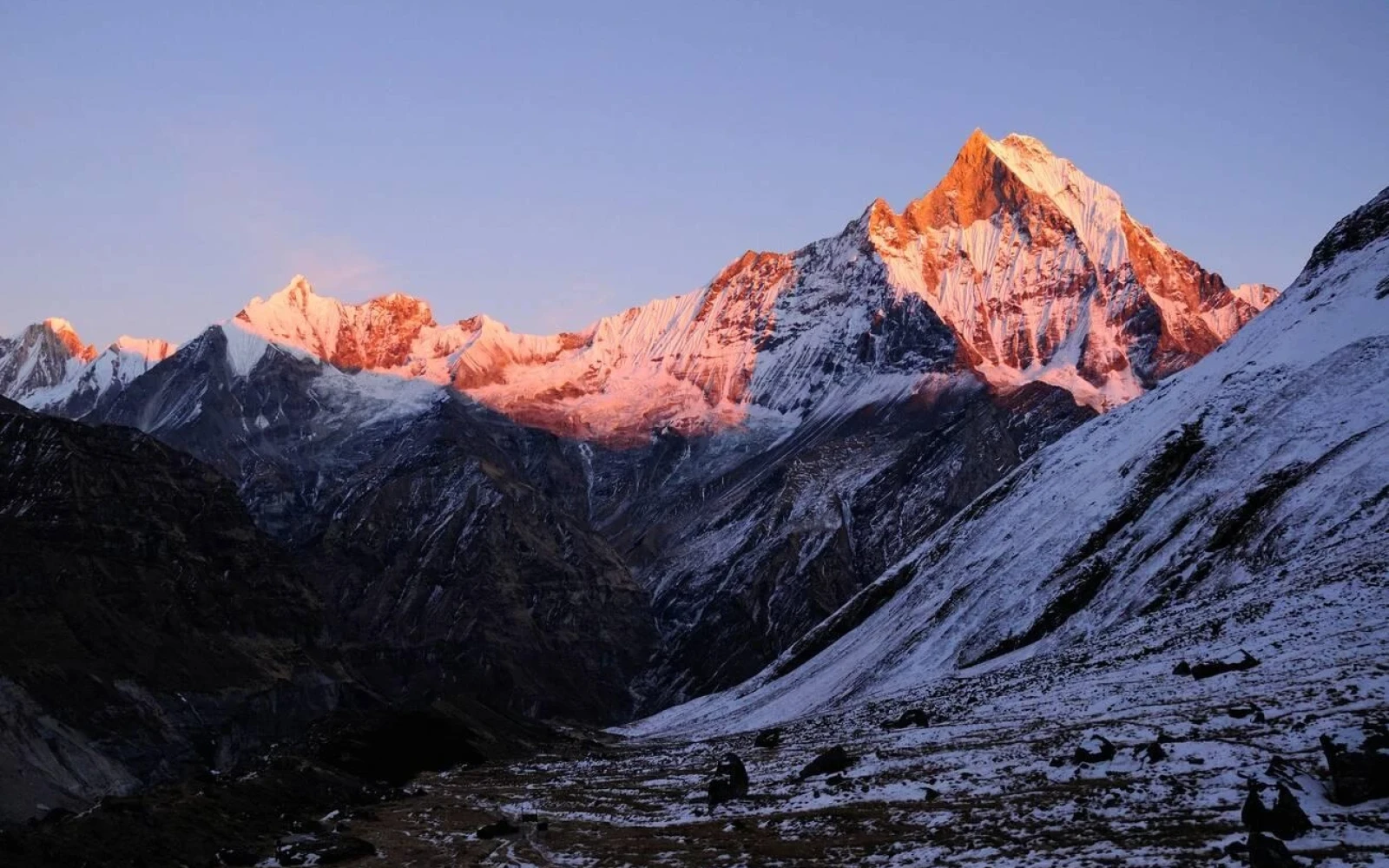
Sunrise at Annapurna Base Camp is often described as the most magical moment of the entire trek. As the first light hits the peaks of Annapurna I and Machhapuchhre, the mountains shift from deep shadow to glowing gold and pink hues. The entire sanctuary feels alive with light and silence.
Trekkers usually wake early to witness this spectacle, standing in awe as the Himalayas slowly reveal themselves. Nepal Journey Travels encourages trekkers to take time at ABC to fully absorb the beauty and significance of this once-in-a-lifetime experience.
Why sunrise at ABC is unforgettable:
Final impression:
The descent from Annapurna Base Camp often feels very different from the climb up. After reaching the stunning heights of the Annapurna Sanctuary, the return journey brings a sense of achievement mixed with calm reflection. The landscapes you once hurried through now feel more familiar, allowing you to notice small details you may have missed on the ascent.
With Nepal Journey Travels, the descent is managed at a comfortable pace, ensuring trekkers can recover physically while still enjoying the final days in the mountains. Many trekkers find this part of the journey more relaxed, social, and emotionally fulfilling as the adventure slowly winds down.
What makes the descent special:
Choosing the right season is crucial for the Annapurna Base Camp trek, as weather conditions greatly affect visibility, trail comfort, and overall experience. The most popular trekking seasons are spring (March–May) and autumn (September–November), when skies are clear and mountain views are at their best.
Nepal Journey Travels recommends these peak seasons for the safest and most scenic trekking experience. However, each season offers a unique perspective of the Himalayas, from blooming rhododendrons in spring to crisp, golden landscapes in autumn.
Season breakdown:
Key takeaway:
Packing correctly for the Annapurna Base Camp trek is essential for comfort, safety, and efficiency. Since the trek passes through different climate zones, layering is more important than heavy clothing. Nepal Journey Travels advises trekkers to pack light but smart, focusing on versatile and functional gear.
You will carry your essentials in a backpack while porters handle larger luggage (if arranged). The key is to avoid overpacking and only bring items that serve a clear purpose on the trail.
Essential gear checklist:
What you don’t need:
Smart packing tips:
Before starting the Annapurna Base Camp trek, trekkers must obtain essential permits required for entry into the Annapurna Conservation Area. These permits help support conservation efforts, local communities, and trail maintenance. With Nepal Journey Travels, all permit arrangements and logistics are handled professionally, ensuring a smooth start to your journey without administrative stress.
The two main permits required are the TIMS card and the ACAP permit. In addition, trekkers can choose optional services like guides and porters depending on comfort level and budget. Proper planning of costs and logistics helps ensure a safe and well-organized trekking experience.
Key permits required:
Guide and porter options:
Budgeting basics:
Safety is a major priority on the Annapurna Base Camp trek due to changing altitude, weather conditions, and physical demands. While the route is considered moderate, trekkers still need to be mindful of altitude-related issues, especially when approaching higher regions like the Annapurna Sanctuary. Nepal Journey Travels ensures trained guides accompany trekkers to monitor health and provide assistance when needed.
Responsible trekking also means respecting the environment and local culture. The Annapurna region is home to fragile ecosystems and traditional mountain communities, so minimizing environmental impact is essential for preserving its beauty for future generations.
Safety guidelines:
Responsible trekking practices:
The Annapurna Base Camp trek is more than just a physical journey—it is an emotional and transformative experience. From lush forests and traditional villages to the towering peaks of the Himalayas, every step brings a deeper connection to nature and self. The journey through the Annapurna Sanctuary leaves trekkers with memories that last a lifetime.
With Nepal Journey Travels, the experience becomes even more meaningful through safe guidance, cultural insight, and well-organized logistics. The trek challenges your body, refreshes your mind, and rewards you with some of the most breathtaking mountain scenery in the world.
Why this trek stays unforgettable:
Final reflection:
Discover the best things to do in Nepal in this complete Nepal travel guide. From Everest Base Camp trekking and cultural tours in Kathmandu to Chitwan jungle safaris and Pokhara adventures, explore why Nepal is one of the world’s most unforgettable travel destinations.
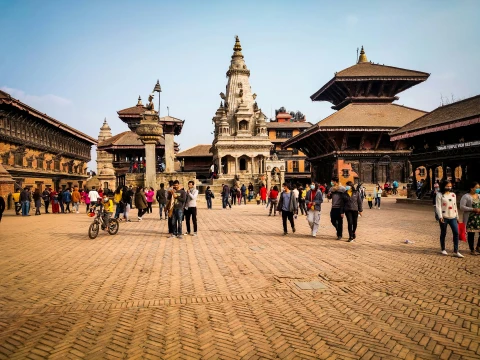
Nepal, a land of breathtaking mountains, rich culture, and diverse wildlife, continues to captivate travelers from around the world. Known as the “Roof of the World,” this Himalayan nation offers everything from serene lakes and lush jungles to bustling cities and spiritual retreats. In 2026, Nepal promises a unique combination of adventure
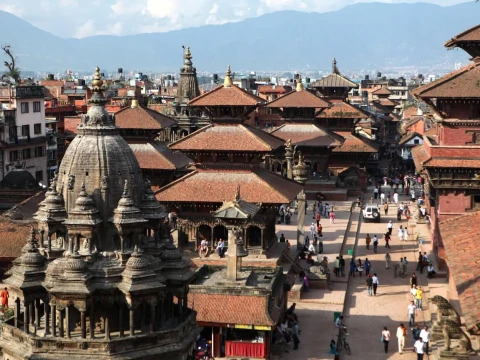
Nepal offers a rare blend of natural grandeur, cultural depth, and curated comfort that makes it increasingly attractive for luxury family travel. From the Himalayan viewpoints of Nagarkot to the wildlife-rich jungles of Chitwan and the serene lakes of Pokhara, each destination delivers a distinct experience designed for both relaxation and discovery.